






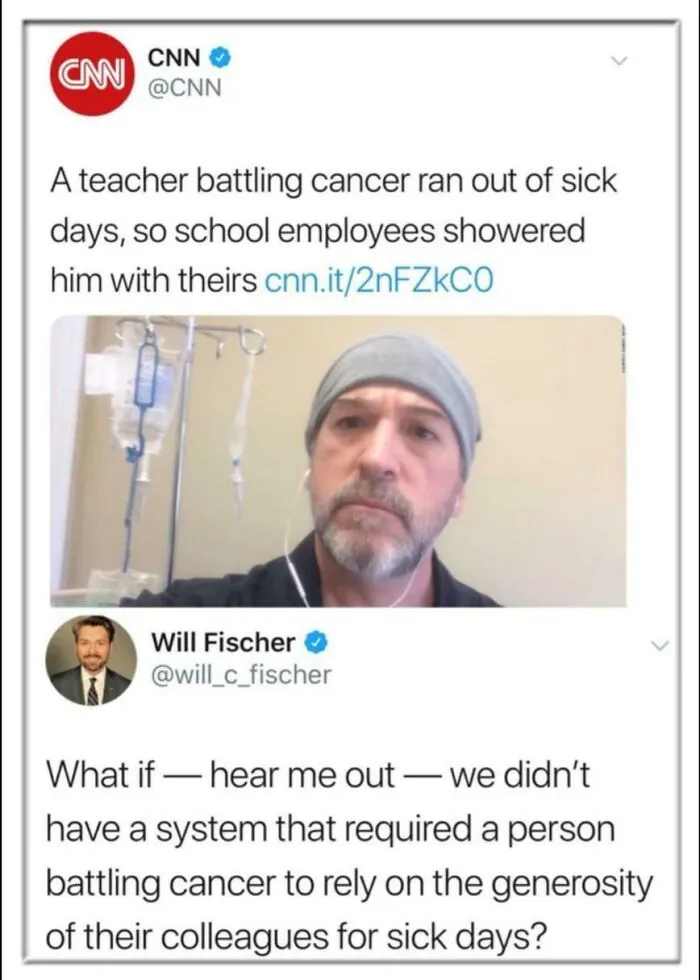
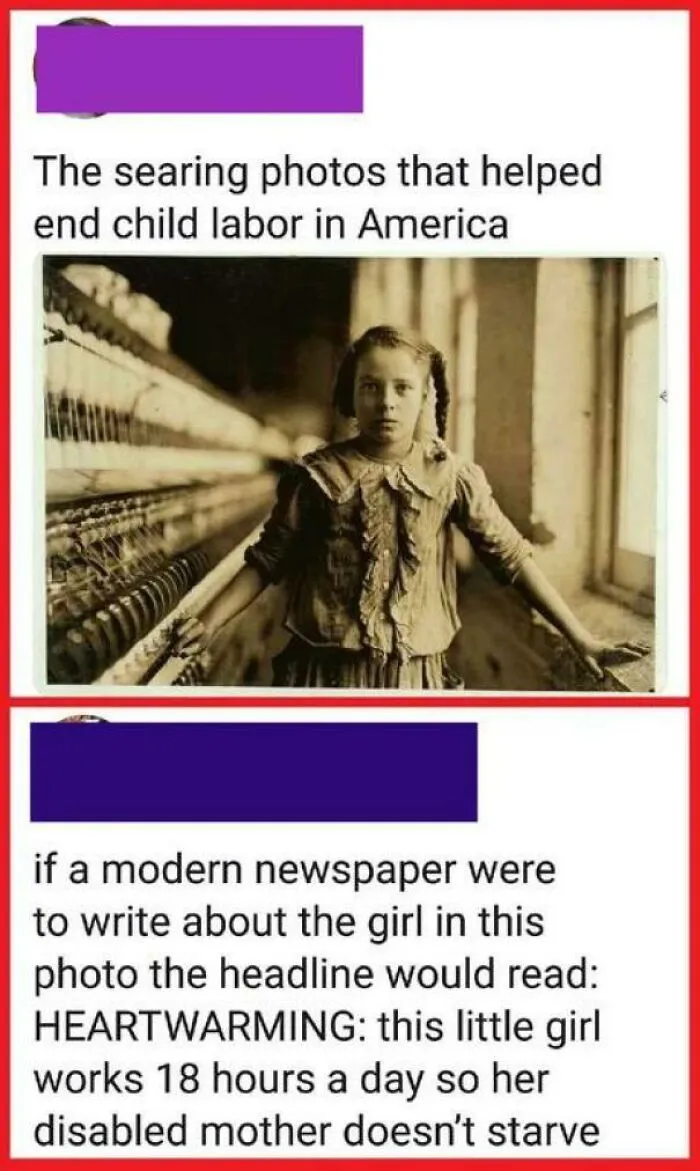
Turning a simple policy failure into a heartwarming clickbait headline actually masks a deeply broken system. When media outlets dress up human suffering as inspiration, they trick us into celebrating the individual hero while completely ignoring the real villain.
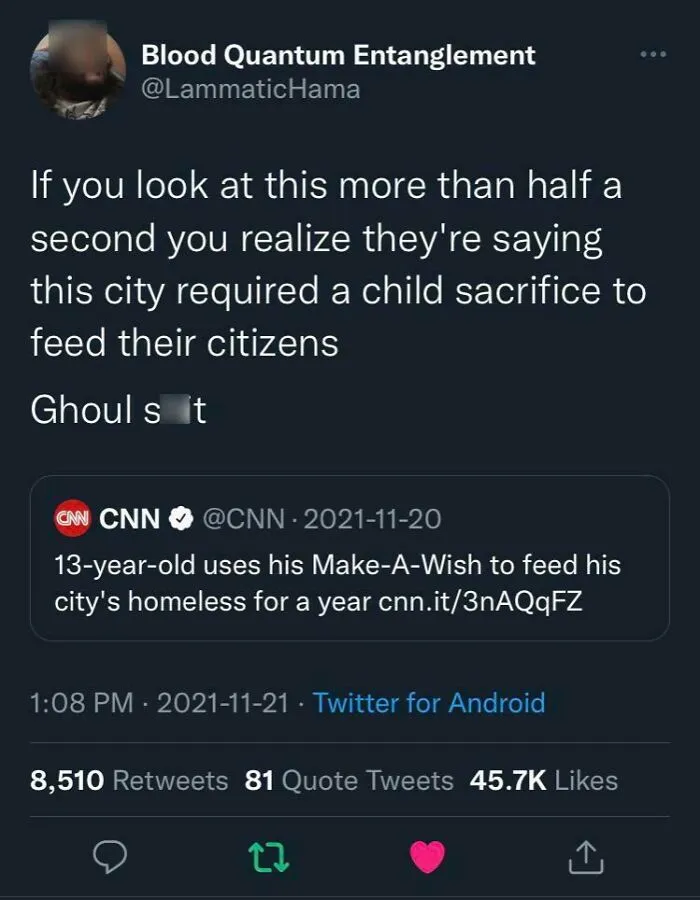
The term “orphan-crushing machine” was first coined in 2020 by Twitter user @pookleblinky. The post summed up the problem perfectly: “Every heartwarming human interest story in America is like ‘he raised $20,000 to keep 200 orphans from being crushed by the orphan-crushing machine’ and then never asks why an orphan-crushing machine exists or why you’d need to pay to prevent it from being used.”
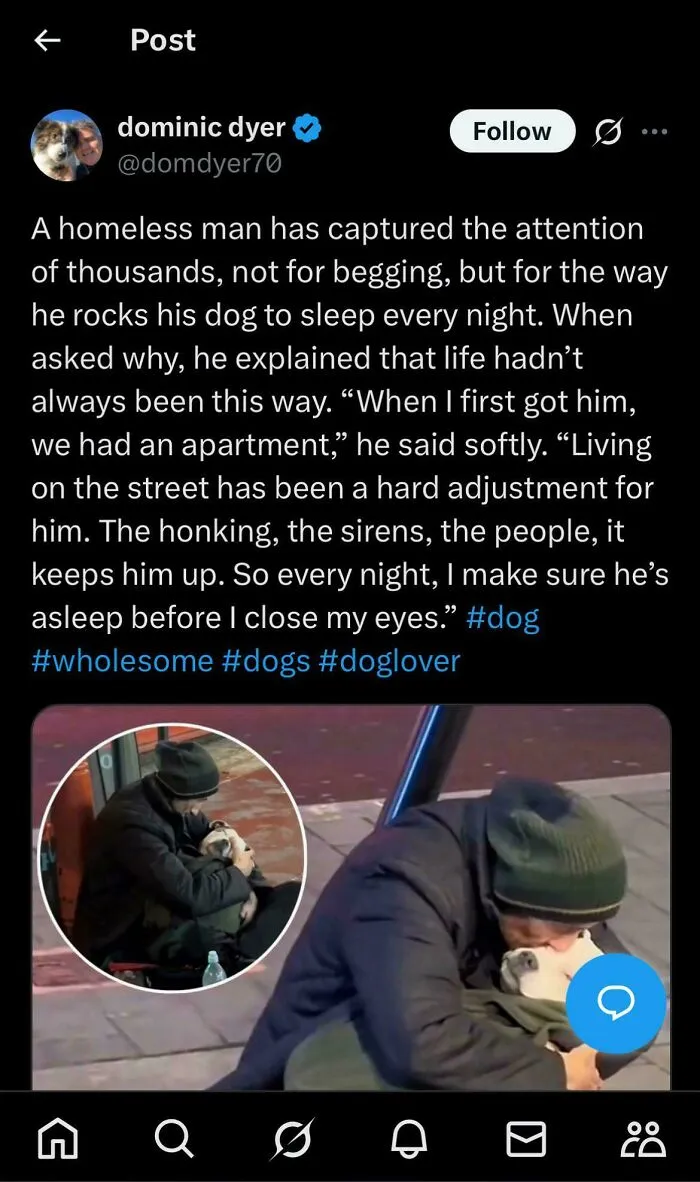
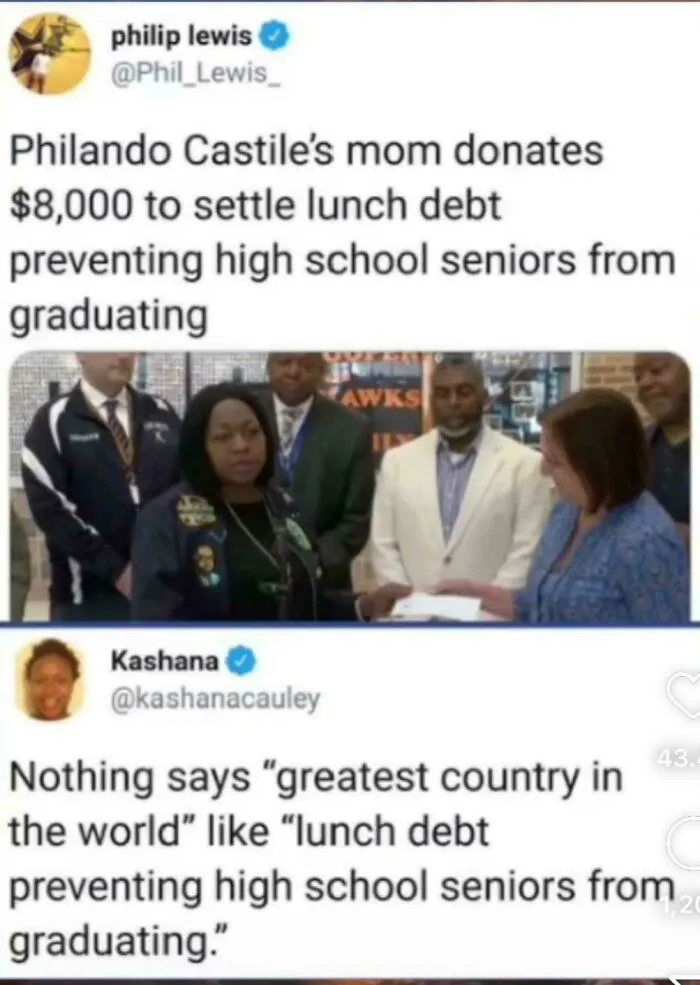
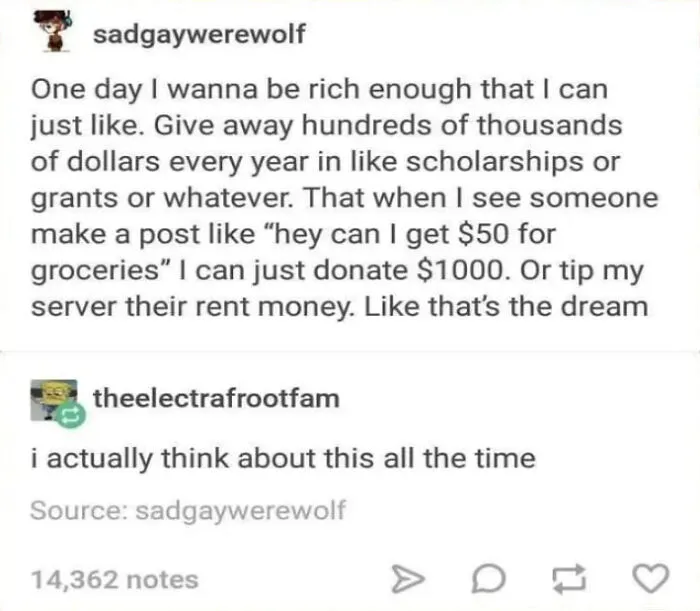
The term orphan-crushing machine has evolved into a sharp metaphor for a society that routinely neglects its most vulnerable members and praises anyone who temporarily comes up with a solution.
For example, a story from India went viral recently, where a 21-year-old college student spent months pulling tons of plastic waste out of a heavily polluted local river entirely by hand.
News outlets celebrated his selfless dedication and tirelessness. But managing toxic municipal waste and keeping public waterways clean is the fundamental job of government agencies funded by taxpayer money. Rewarding a young student for risking his health to clean a river doesn't solve the pollution — it just lets responsible corporations and negligent city officials off the hook.
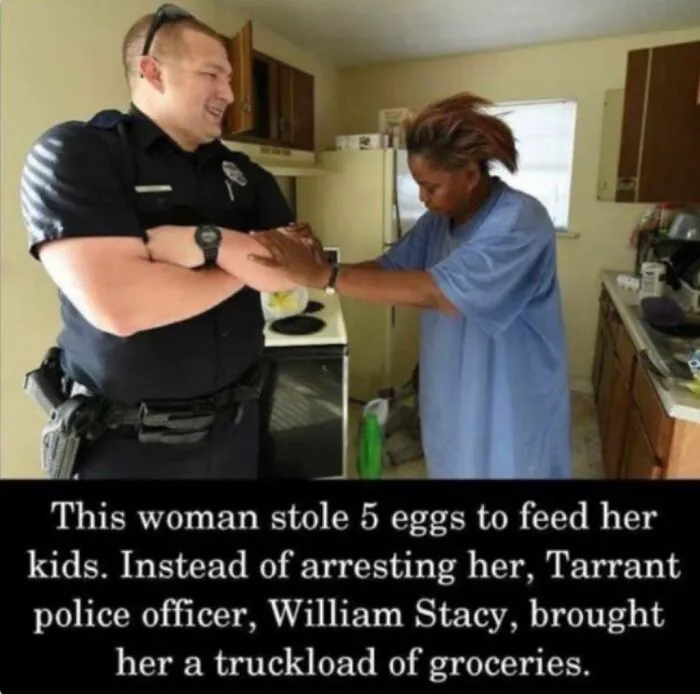
#9 Funny How They Manage To Keep Them Cheap All The Time In Nearly Every Other Country Worldwide
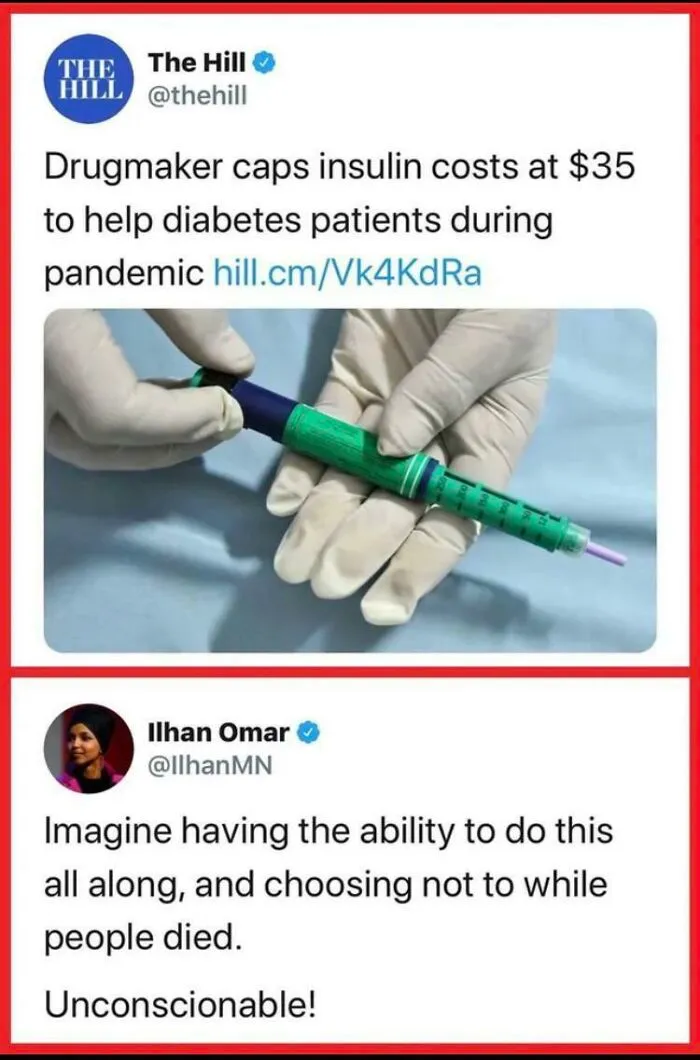
Lauding such stories keeps us stuck in a loop of band-aid fixes. We cheer for generous donors, exhausted workers, and hardworking kids, yet we forget to demand actual policy changes.
The same societal forces that create the suffering end up repackaging it as feel-good entertainment. Meanwhile, we keep ignoring the root cause.
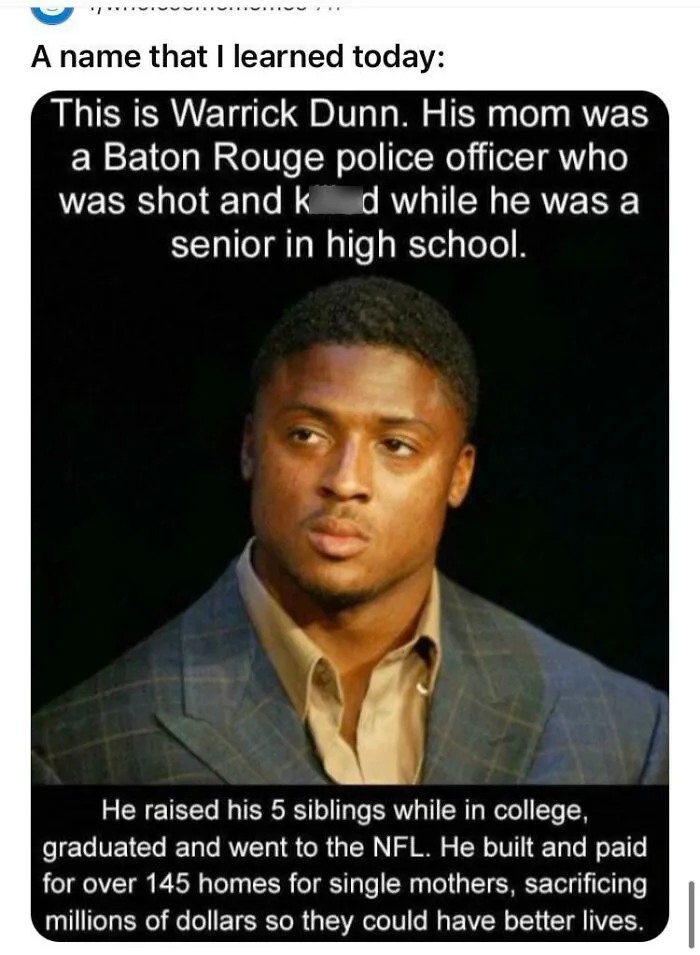
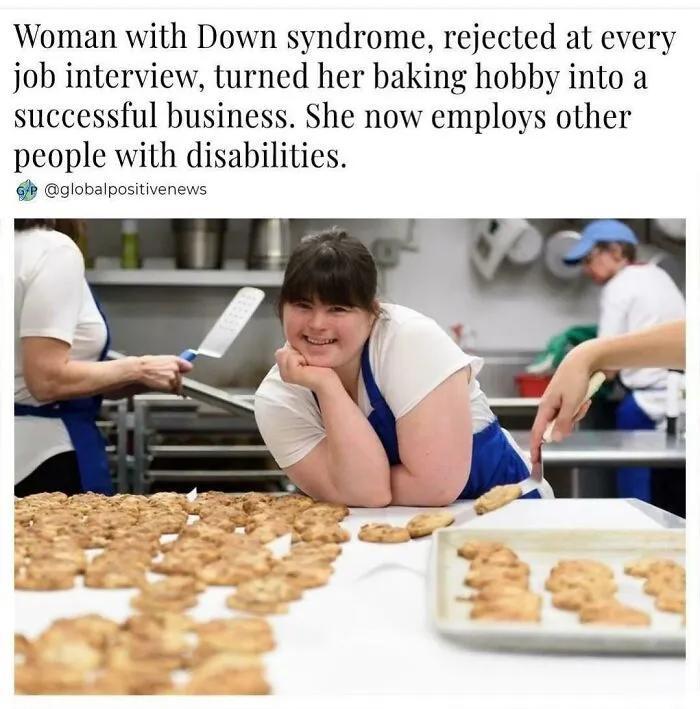
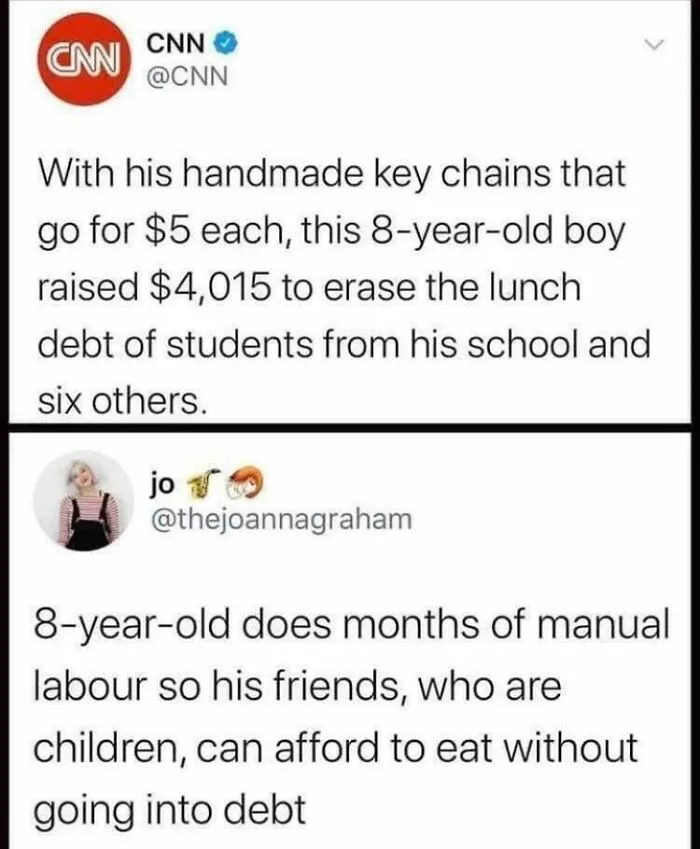
Let’s talk about the viral story about the eight-year-old boy who raised money to help his fellow students pay off school lunch debt. On the surface, it sounds like a sweet tale of a young kid helping out his friends. You read it, hit share, and feel a brief flash of hope for humanity. Then reality hits you, and you realize how wild the whole situation actually is.
The truth is, school lunch debt is a massive, systemic crisis across the United States.
According to data from the School Nutrition Association, over 92% of school districts that don’t offer universal free meals report carrying unpaid meal debt. Nationwide, public-school students owe an estimated total of $270 million in unpaid school lunch balances.
The median unpaid meal debt per district skyrocketed to about $6,000 to $6,900—a massive increase from previous years.
How did we get here? A huge part of the problem comes down to rigid eligibility rules. Millions of families earn just enough to disqualify them from federal free meal programs, but they still struggle to afford basic daily groceries. When life gets tough and expenses pile up, a couple of dollars a day for school lunch quickly turns into hundreds of dollars in unpaid bills.
So when an eight-year-old child steps up to pay off those bills, it isn’t an inspiring story of community spirit. It’s a terrifying reminder that a wealthy nation is failing to guarantee a basic meal for hungry schoolchildren. Celebrating the kid’s keychain business idea lets policymakers off the hook, while millions of kids across the country go to class worrying about where their next meal is coming from.

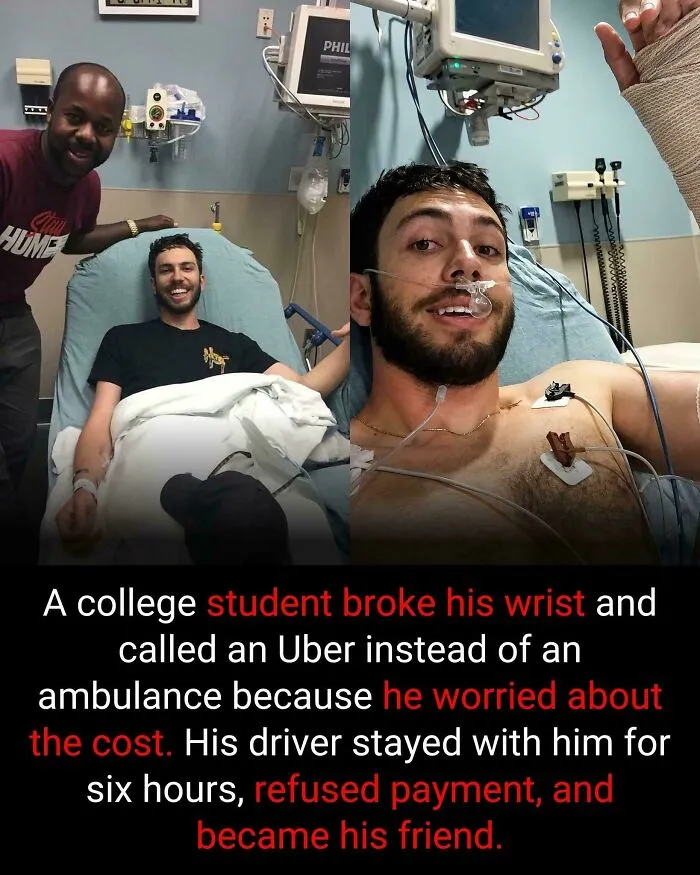
Similarly, we see this pattern play out with medical fundraisers.
Online crowdfunding has essentially become America’s backup health insurance policy. Rather than a functioning system that takes care of the sick, people are forced to pitch their personal tragedies online and hope their story goes viral enough to avoid bankruptcy or worse.
According to GoFundMe, one-third of all campaigns on the platform cover medical costs. That translates to more than 250,000 individual fundraisers every single year, bringing in over $650 million annually just to help people pay their medical bills.
“So many Americans are challenged by the rising costs of a broken health care system. A crowdfunding platform cannot and should not be a solution to complex, systemic problems that must be solved with meaningful public policy,” says GoFundMe CEO Rob Solomon.
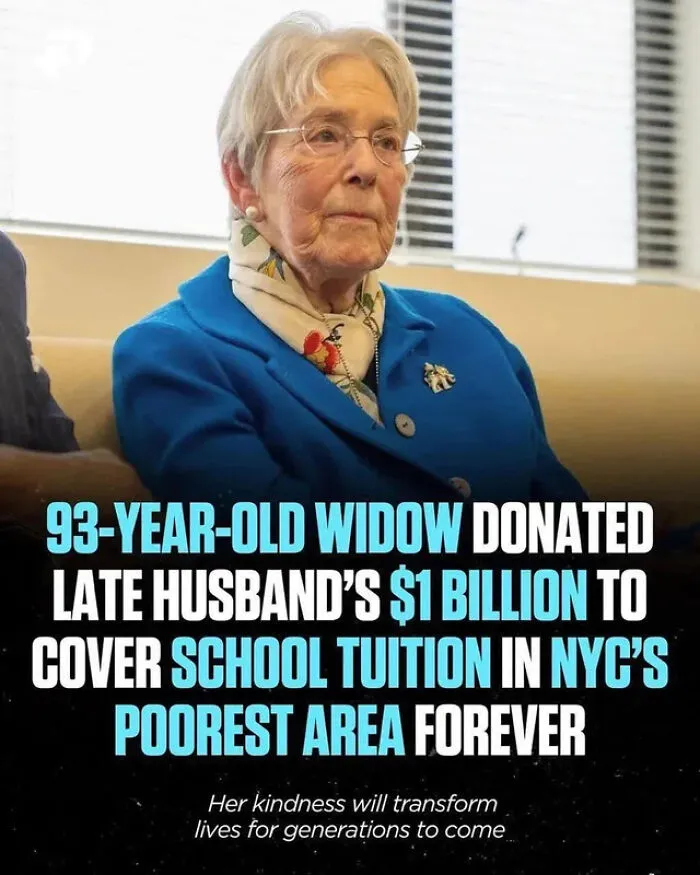
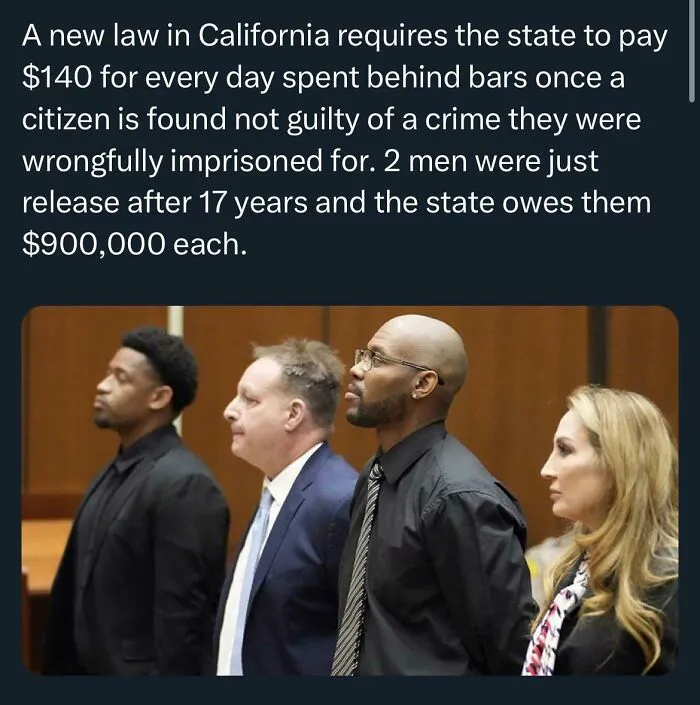
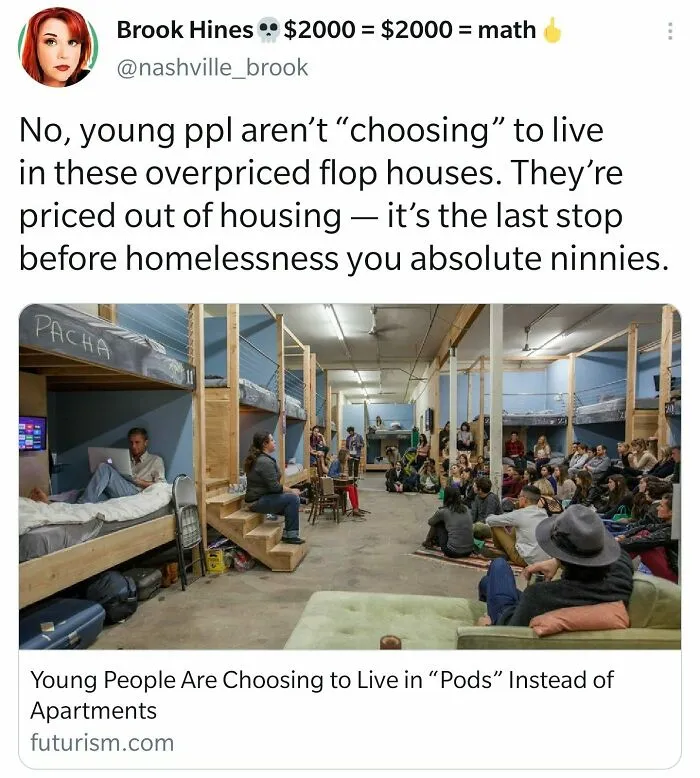
Medical debt is a crushing global issue, but it hits exceptionally hard in the United States. Healthcare systems worldwide are under immense pressure. In fact, the World Health Organization (WHO) described 2025 as one of the most difficult years in the agency's history, after sudden, severe cuts to international aid left hospitals everywhere struggling to keep their doors open.
In the US, the situation is just as grim. A 2025 survey by JG Wentworth found that a staggering 92% of US adults have delayed or skipped necessary medical care because they couldn’t afford it. Even worse, roughly 95% of those surveyed admitted that an unexpected trip to the hospital would push them straight into serious financial debt — even if they already have active health insurance.
When a family has to beg strangers on the internet to keep their child alive, it isn't a sweet feel-good story. It signals a deeply broken system that treats basic survival as a luxury item.