









There's actually a name for that thing where someone types a comment they'd never dream of saying out loud, and psychologists have been studying it for two decades. Back in 2004, a professor named John Suler coined the term online disinhibition effect to describe how people loosen up, or straight up lose their filter, once they're behind a screen.
The short version is that a handful of things stack together and make people braver, or meaner, than they'd normally be. The biggest one is anonymity. When your name and face aren't attached to what you're saying, your brain quietly decides the comment doesn't really count as "you."


Anonymity helps you feel less vulnerable about self-disclosing and engaging in antisocial or harmful behavior. It's the same reason people say wilder things in a group chat under a joke username than they ever would introducing themselves at a party. Then there's invisibility. Even when people know your username, they can't see your face, hear your tone, or watch you flinch.


Typing at a screen removes the immediate feedback loop that normally keeps us polite. In person, you get instant cues, someone's expression falling, an awkward silence, that makes you soften what you're about to say. Online, none of that exists until after you've already hit send, and by then the damage is done.



Timing plays a role too. Conversations online rarely happen in real time. You can read a comment, stew on it for six hours, and reply at 2am when you're tired, cranky, and not thinking straight. Suler called this asynchronicity, and it basically means arguments can ferment instead of resolving the way they would in a normal back and forth conversation.
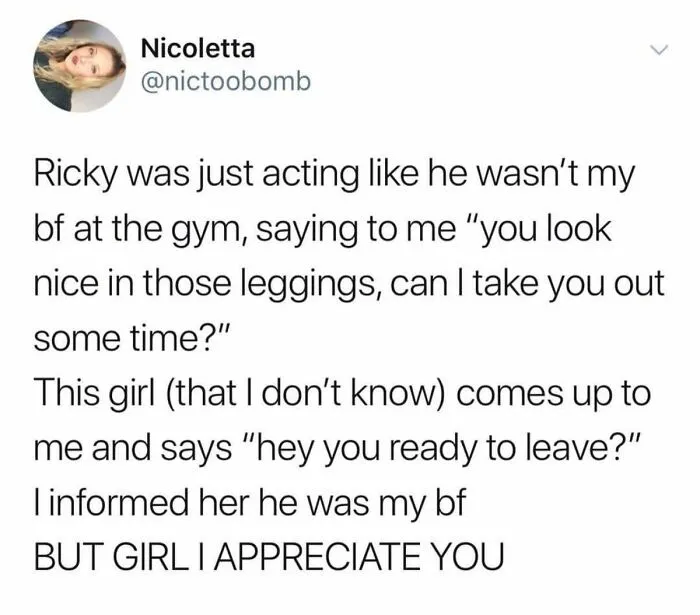


There's also a weird trick people's minds play where they imagine the person on the other end isn't fully real, more like a character in a story they're telling themselves. Combine that with the fact that most platforms don't feel like they have an authority figure watching, no teacher, no manager, no parent in the room, and suddenly shouting into the void feels consequence free.
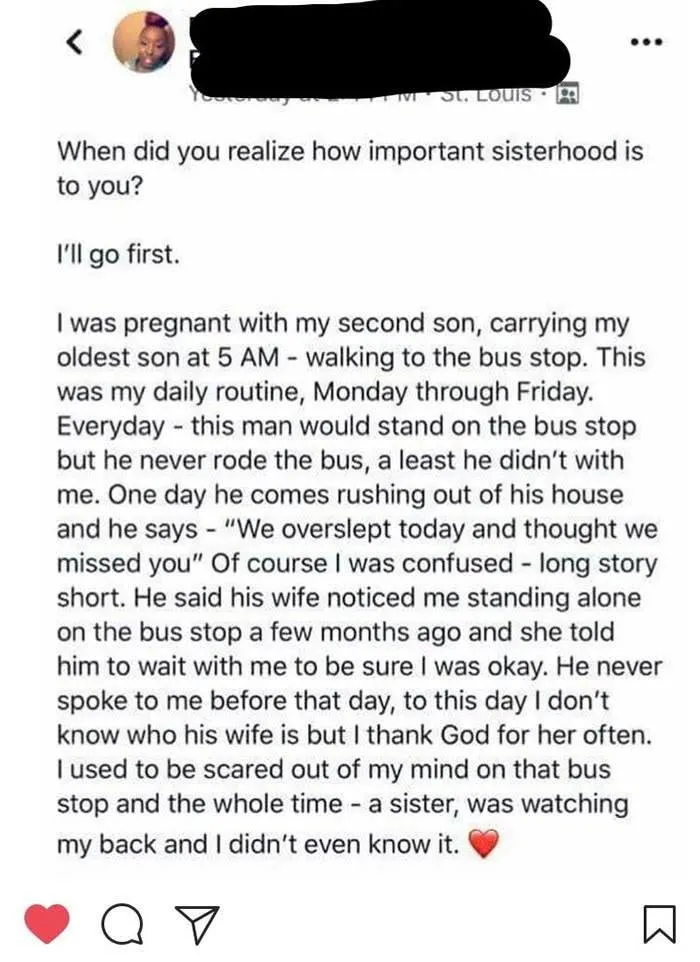


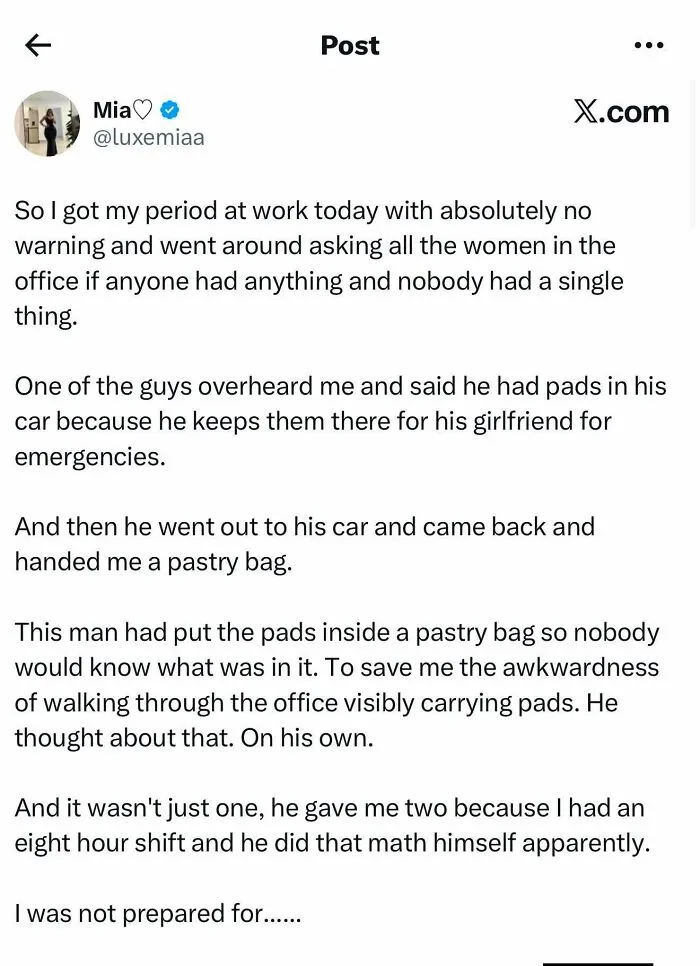
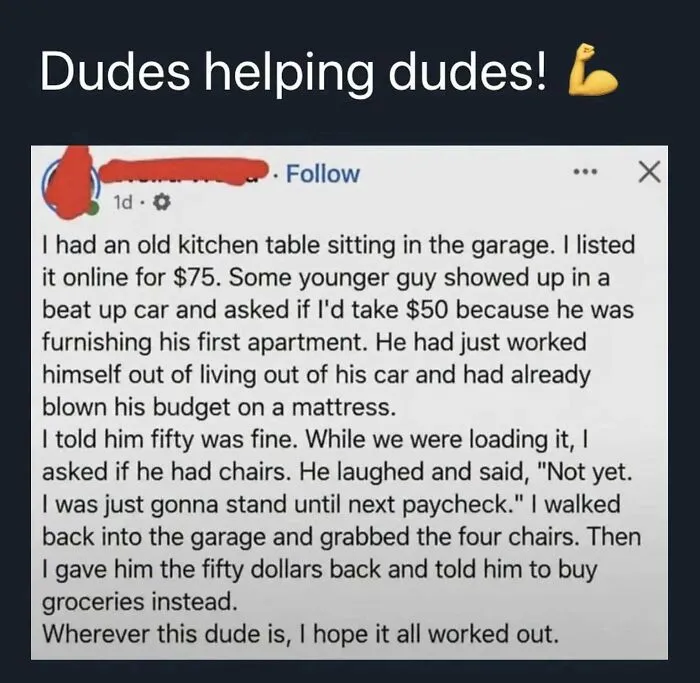
None of this means people are secretly awful. Suler's whole point was actually that this same effect can go the opposite direction. He called it benign disinhibition, and it's the reason strangers will offer support, share vulnerable stories, or be kinder online than they'd manage face to face with someone they barely know. Anonymity and distance can unlock generosity just as easily as cruelty. It just depends which way the wind blows in a given comment section.

