







#21
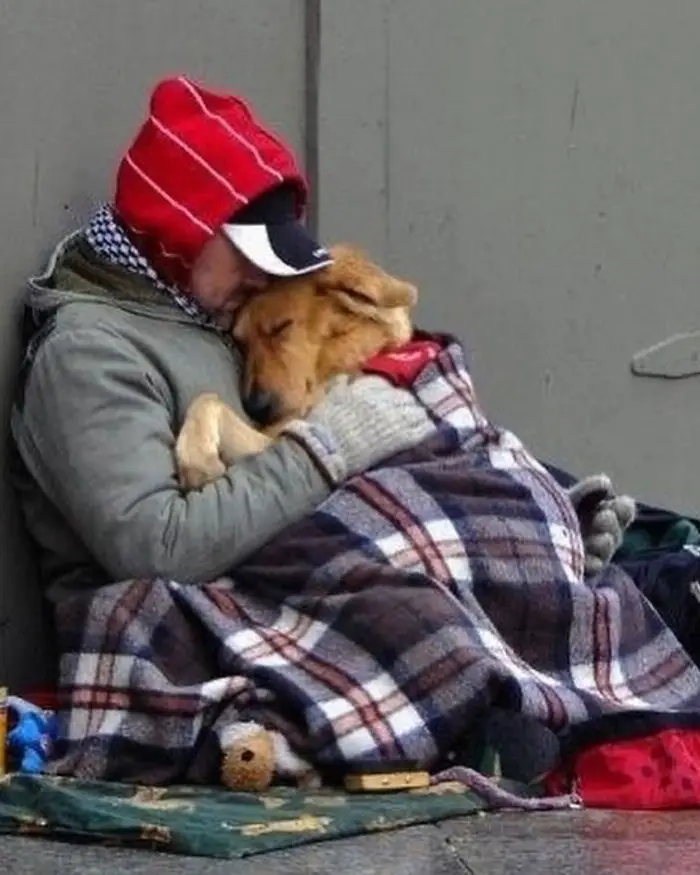
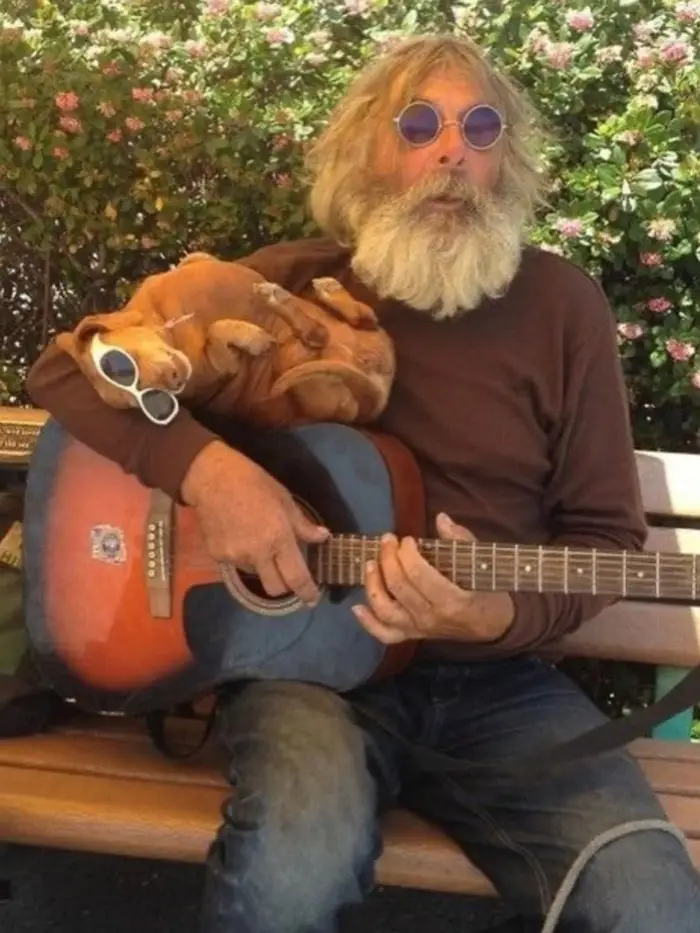
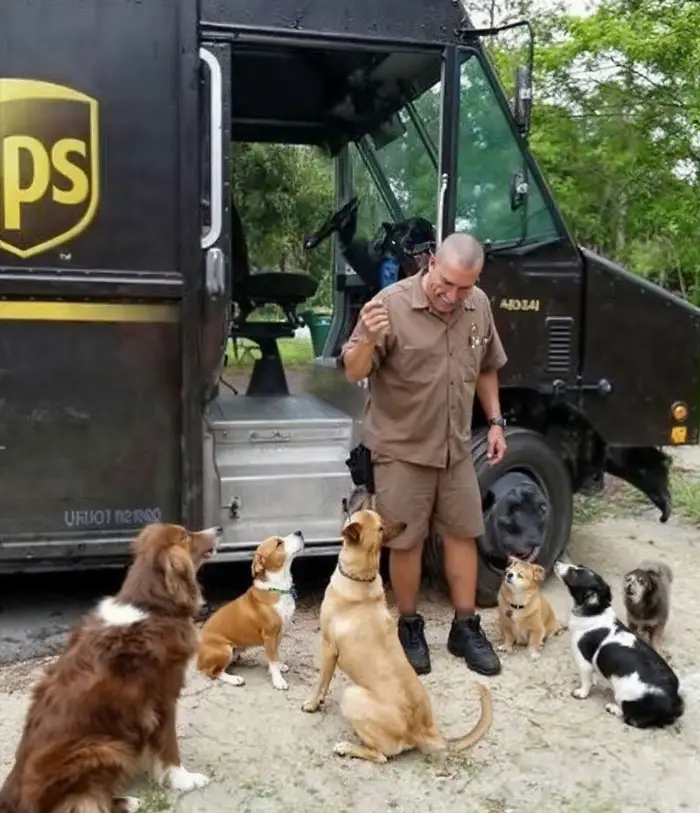
For many, the dog is their only constant. Companionship helps regulate stress hormones, reduce isolation, and bring a sense of purpose. The daily routine of finding food and shade becomes a kind of structure in an otherwise unstable life.
That bond often comes at a cost. Most shelters and housing programs don’t allow pets, forcing people to choose between safety and separation. Many refuse to abandon their animals, sleeping outside instead. Some cities are adapting — opening pet-friendly shelters, veterinary outreach clinics, and street programs that provide free food and vaccines.
Just a reminder to slow down before judging, have a little more understanding, and stay kind when it’s easiest not to. The dogs never seem to need that reminder.
Cortisol is the primary hormone associated with the stress response, and having too much of it circulating in our bodies for too long can lead to anxiety and fatigue. By choosing to spend time with content that makes us feel safe and happy, we are telling our bodies that it is time to switch out of survival mode and into recovery mode. This shift allows our hearts to slow down, our muscles to relax, and our minds to clear.
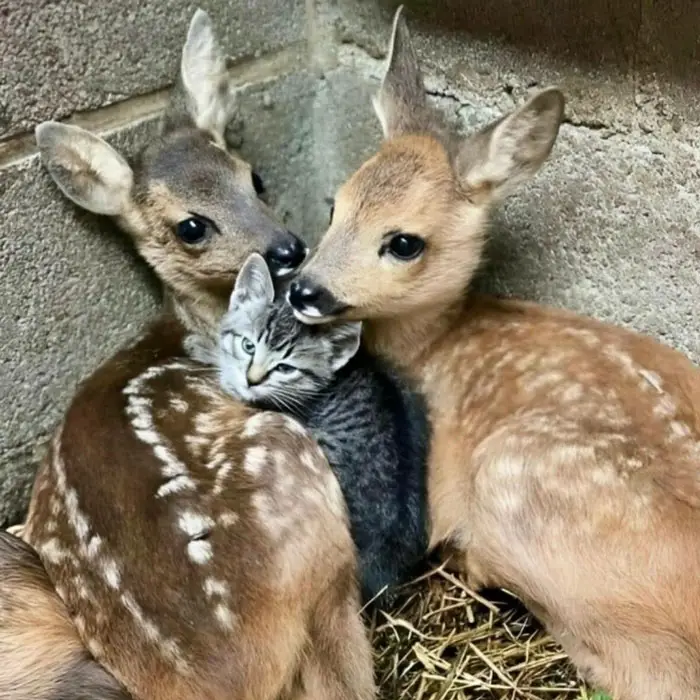
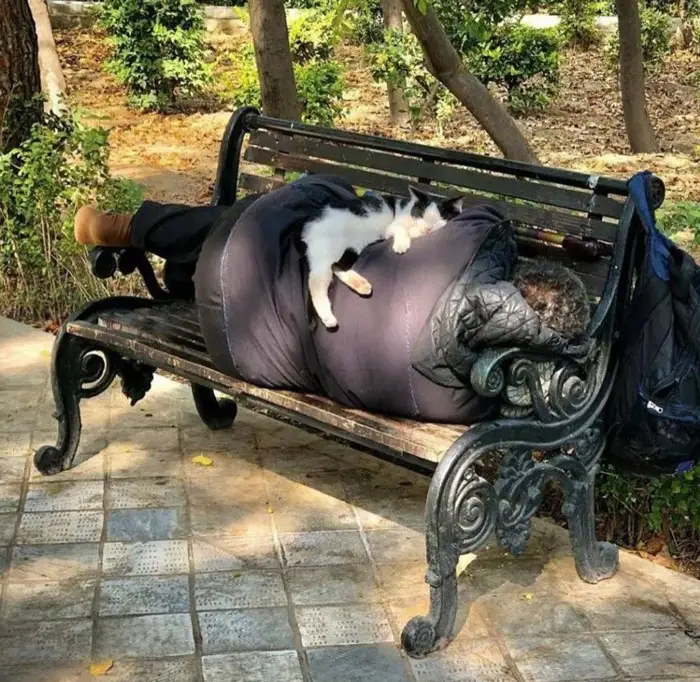
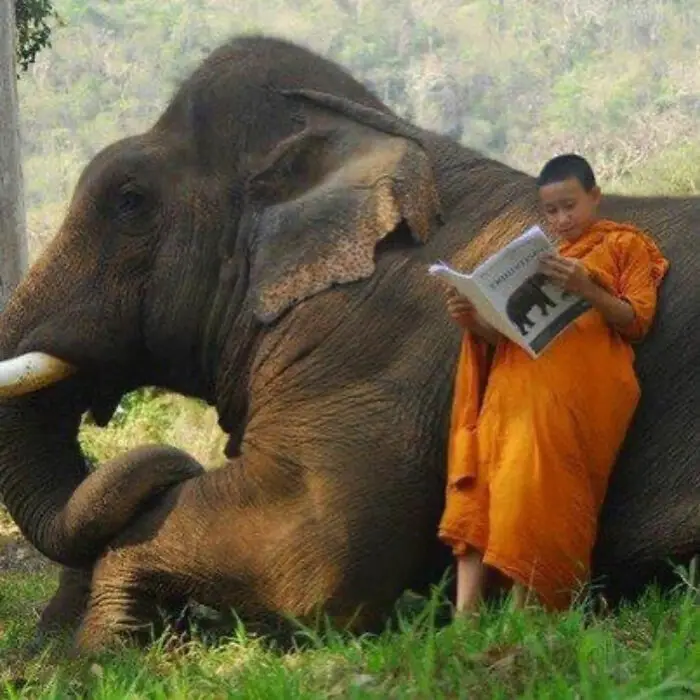
Wholesomeness has a contagious quality that can lead to a phenomenon known as moral elevation. This is the specific feeling of being inspired by the virtuous actions of others. When we see someone being exceptionally selfless or brave, we do not just feel good, we actually feel a renewed desire to be better people ourselves.
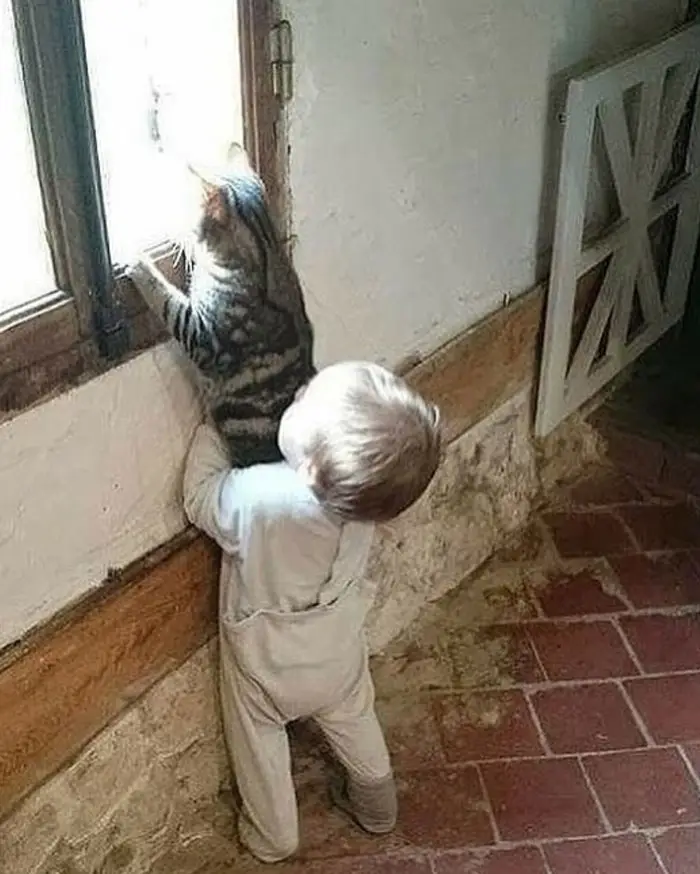
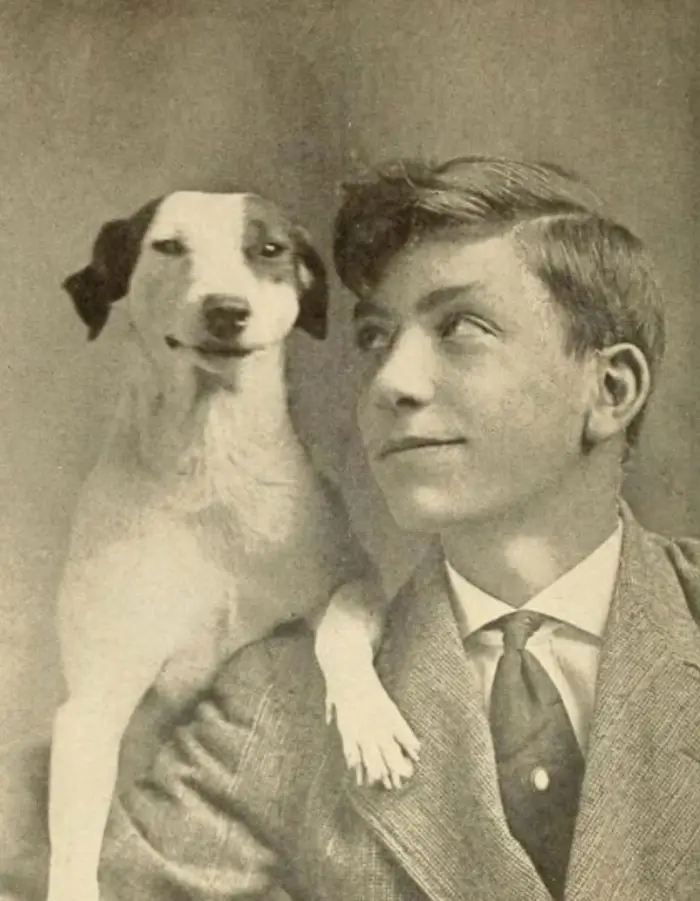
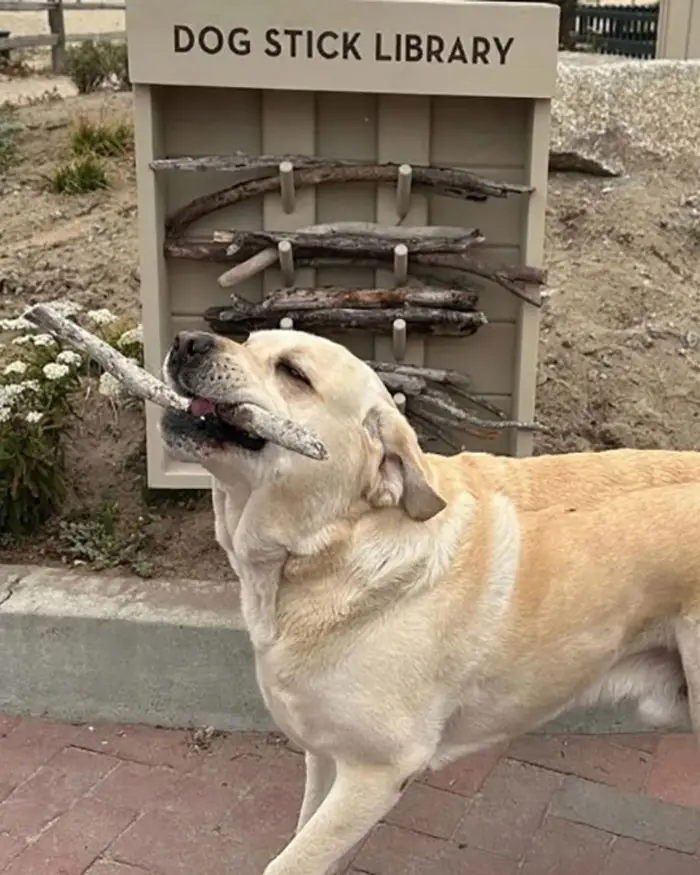
Studies have shown that people who experience moral elevation are more likely to perform their own acts of kindness or help a stranger shortly after being inspired. In this way, wholesome content serves as a digital spark for real world goodness. It creates a ripple effect where the joy we feel on our screens translates into tangible positive actions in our neighborhoods.
#28
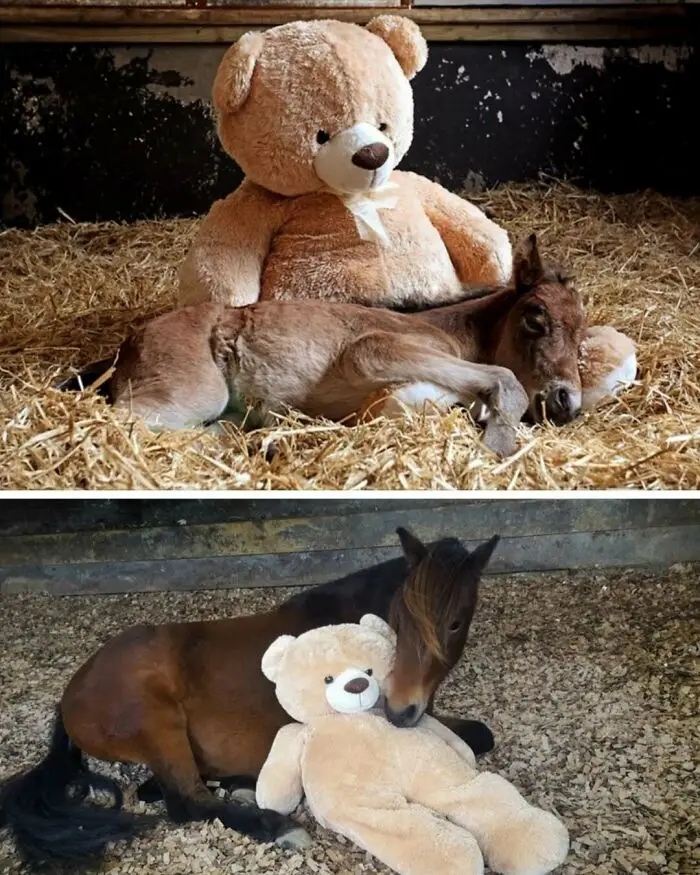
Caretakers have observed horses forming real attachments to stuffed toys, particularly when they’re isolated, anxious, or recovering from injury. The toys offer comfort, familiarity, and something soft to rest beside when herd companions aren’t there. They’re also used to comfort orphaned foals, who often sleep curled up beside teddy bears to help them heal.
Horses are deeply social animals, evolved to live in constant connection with others. When kept alone, their stress levels rise — leading to restlessness and repetitive behaviors. A stuffed toy can’t replace another horse, but it helps ease the loneliness, lowering heart rate and providing a small sense of safety.

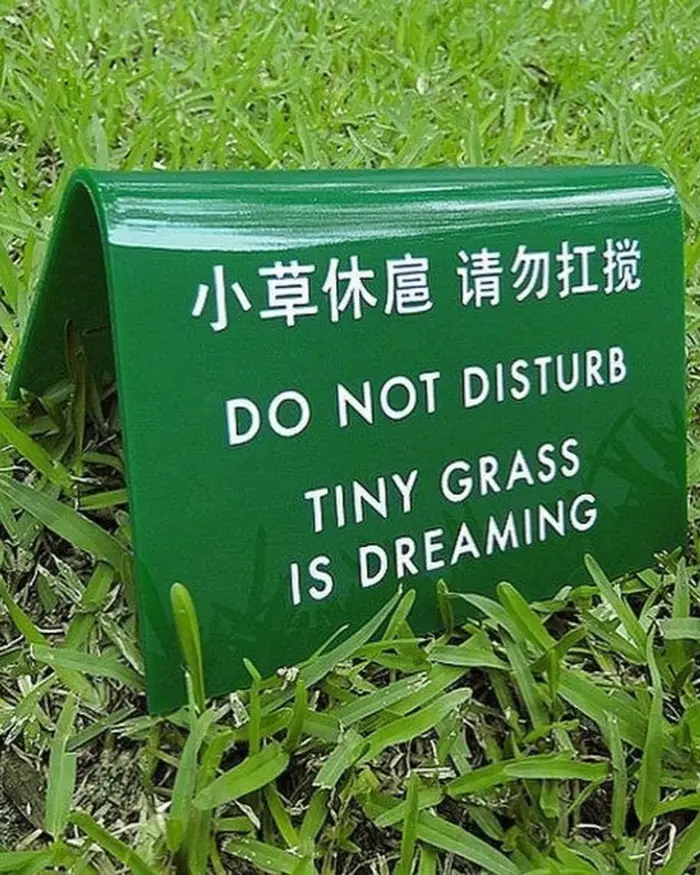
Choosing wholesome content is a form of mental self care that helps us navigate an increasingly loud and stressful digital landscape. It is a refreshing palate cleanser for the soul that reminds us of our capacity for love and cooperation. While the world will always have its challenges, focusing on these moments of light helps us build the emotional resilience needed to face those challenges with a steady heart. So the next time you find yourself lingering over a video of a toddler sharing their snack with a puppy, remember that you are doing something genuinely good for your brain and your body.

#37
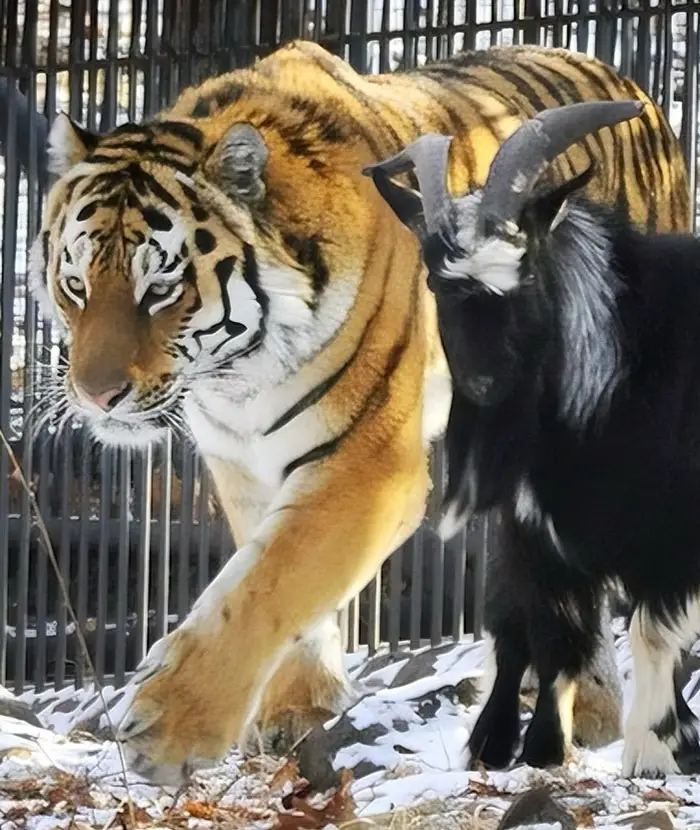
The tiger, Amur, was supposed to eat the goat as part of his regular feeding. But he didn’t, and the two became unlikely companions instead. The goat was later named Timur.
They walked around together, ate together, and played for weeks. They headbutted and chased each other like friends. The tiger even tried teaching the goat how to hunt. Timur got nervous when Amur wasn’t around and started copying his movements. The tiger also became calmer and stopped roaring as much.
Their friendship captivated Russia and became a viral sensation. The safari park director called it a miracle and “a sign from above” for people to be kinder to each other.
Experts think it worked because Amur was well fed and Timur didn’t act scared. The two were eventually separated after a fight in early 2016. Some people criticized the whole thing, saying it sent the wrong message about wild predators. But the story became a symbol of unlikely bonds and compassion overriding natural instincts.
Amur is still alive at the safari park. Timur is no longer with us.
#38
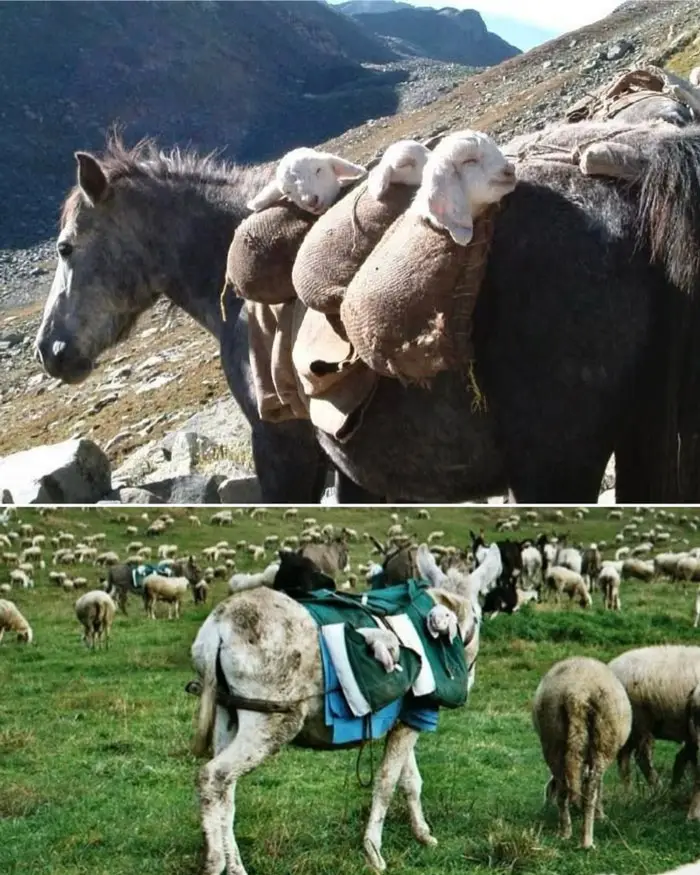
Donkeys are naturally gentle and patient animals, making them the perfect caretakers newborns. The backpacks are specially designed to keep the lambs secure and protected from the elements during the trek. It also helps the lambs stay warm and calm inside, allowing them to sleep through much of the journey.
The practice is called transhumance and it’s over 1000 years old. When seasons change and flocks need to move from one grazing ground to the next, shepherds pack the lambs too young to walk into warm, cozy pouches worn on the sides of their donkeys. These journeys can last 10 to 20 days along ancient mountain routes, and at pit stops along the way, the baby lambs are reunited with their mothers for feeding and bonding.
Transhumance is recognized by UNESCO as an intangible cultural heritage of humanity. It represents a sustainable, low impact way of moving livestock that’s existed long before modern farming, connecting shepherds today to their ancestors who used the same paths for generations.
#40
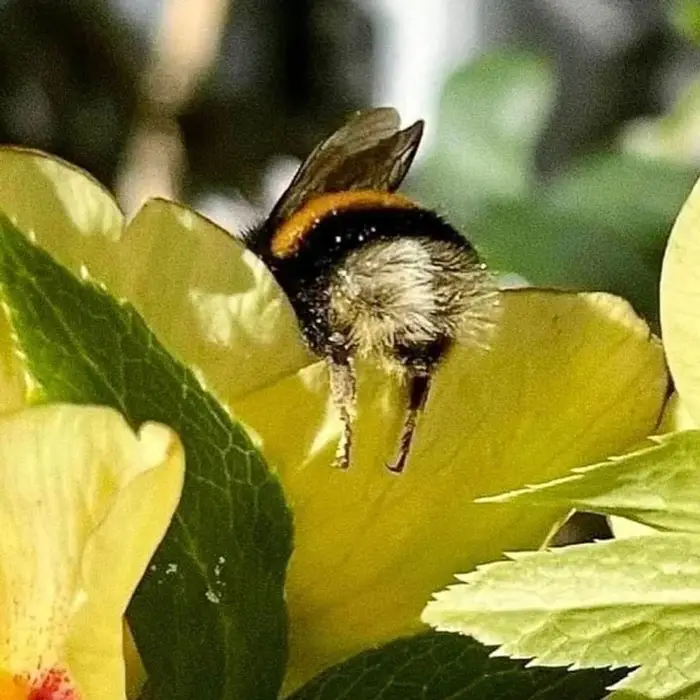
After long days of collecting pollen, some bees — especially solitary species — rest right where they land. They curl into the petals, grip the stamen with their legs, and take a nice cozy nap.
Research has even shown that tired bees struggle to perform their little “waggle dance,” the movement they use to tell others where to find food.
If you look closely in the early morning, you can often spot them still asleep — dusted in pollen and dew, resting exactly where they worked.
