

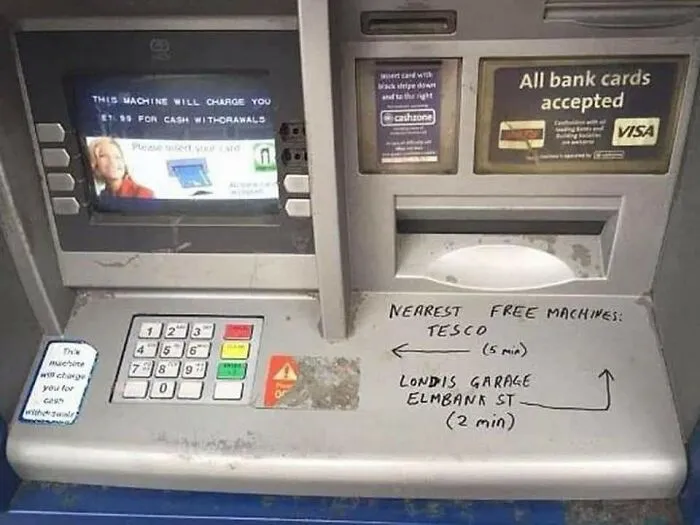
Yet, Amey acknowledges the challenges artists face. “It’s frustrating when people judge all graffiti by the mistakes of a few,” he explains. Spray paint can be misused, leaving random scribbles that detract from serious works.
Artists often have to work harder to prove their intentions are genuine. Public education about street art helps, as does highlighting the skill and vision behind it. Ultimately, graffiti is more than just paint on walls; it’s a form of communication. “We want to engage, provoke thought, and leave a lasting impression,” Amey says.
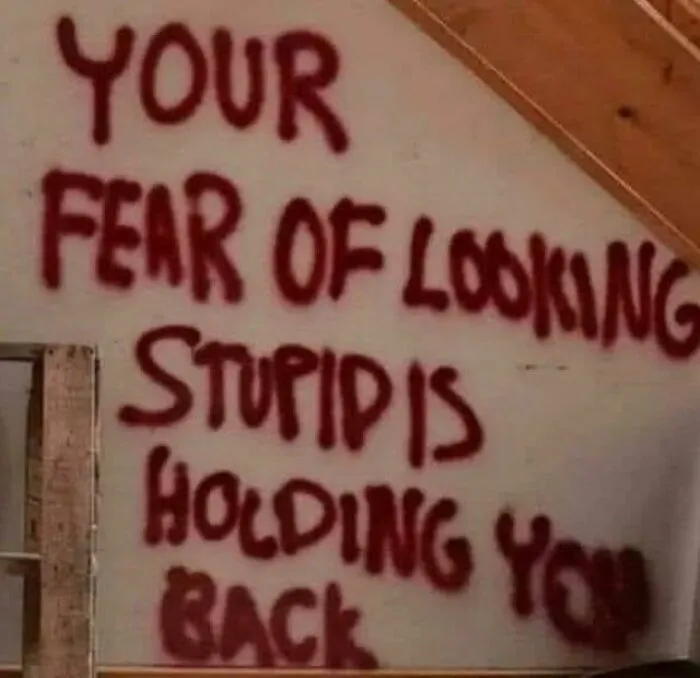
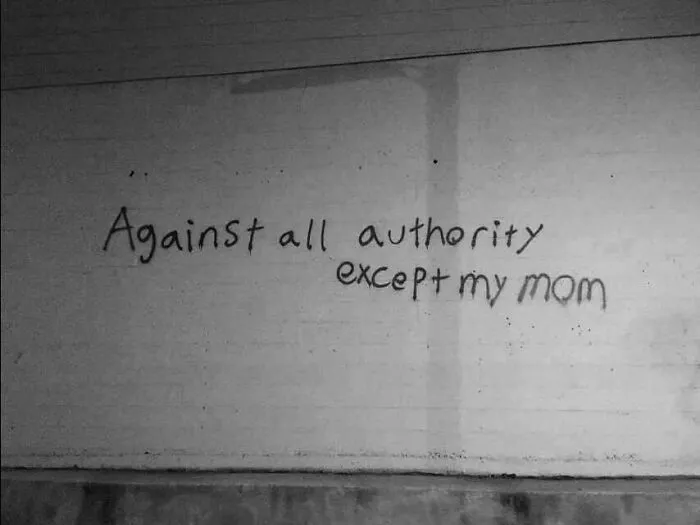

Whether you love it or hate it, graffiti is here to stay. As Amey notes, “We don’t aim to destroy; we aim to create and inspire.” It can be playful, political, or emotional but above all, it’s about expression. Appreciating the nuance between art and vandalism allows communities to embrace the positive while managing the negative.
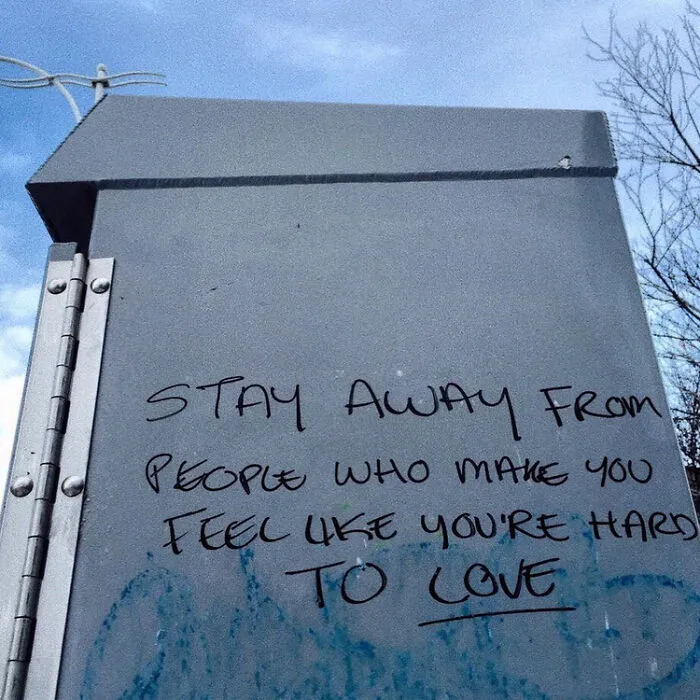
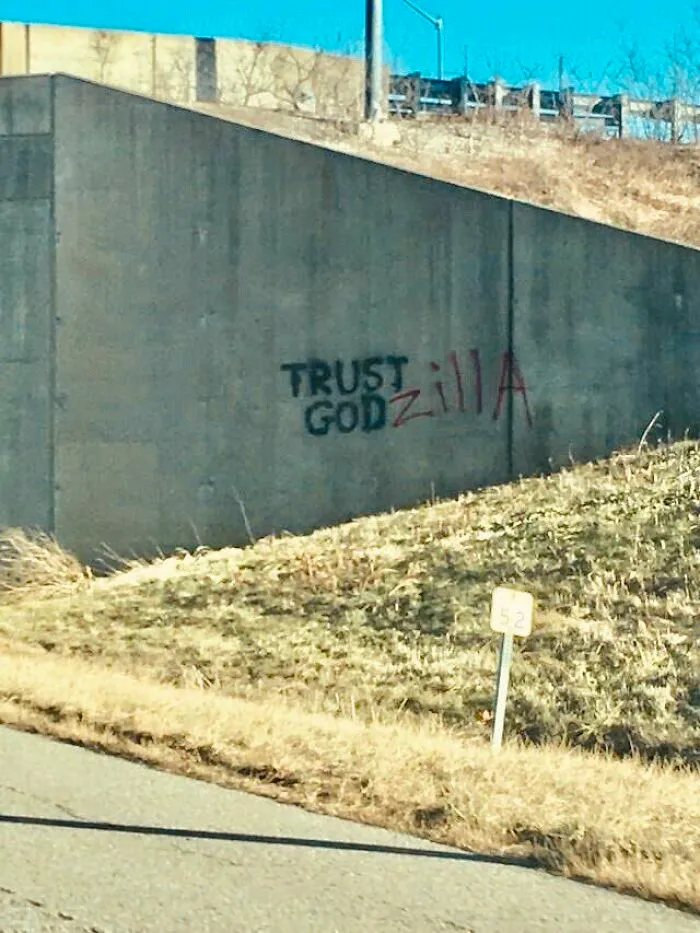
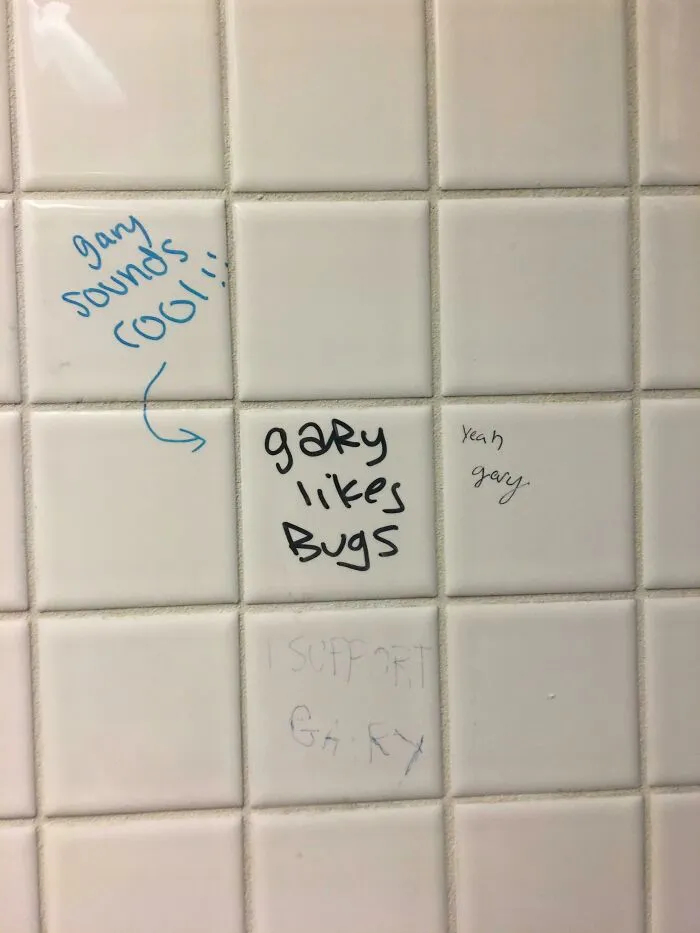
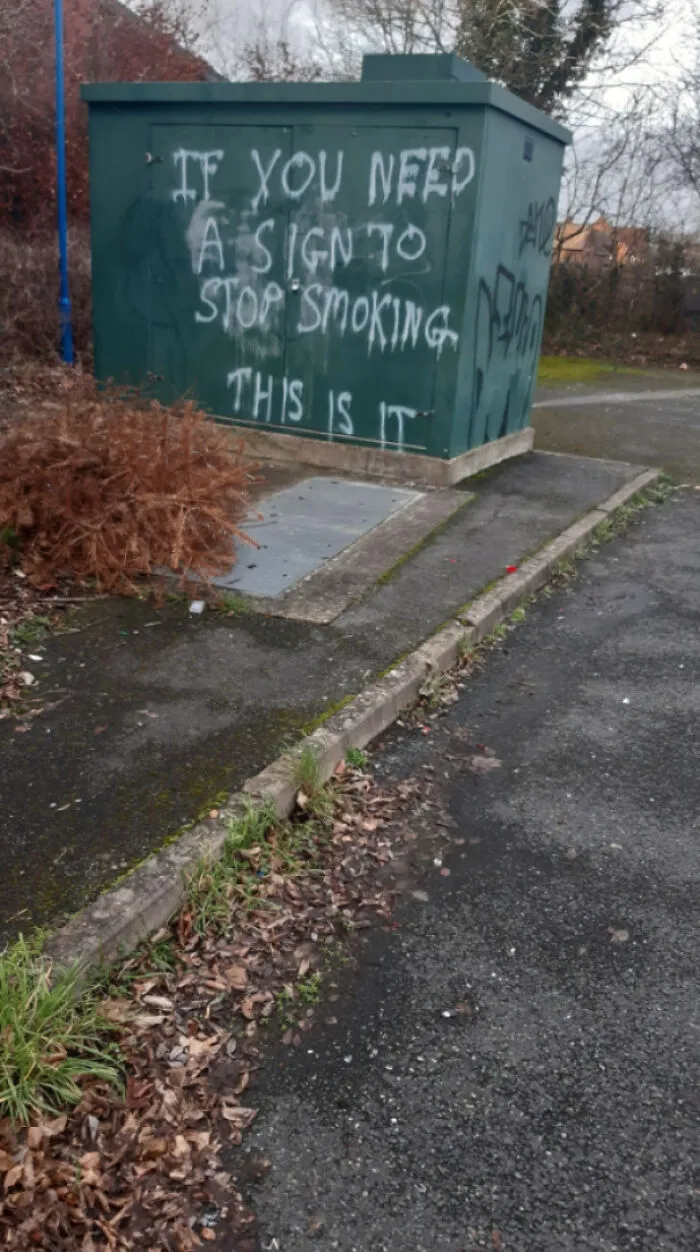
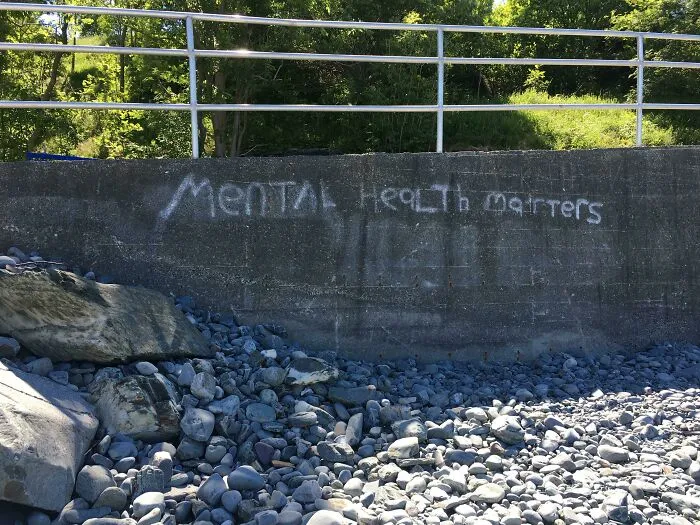
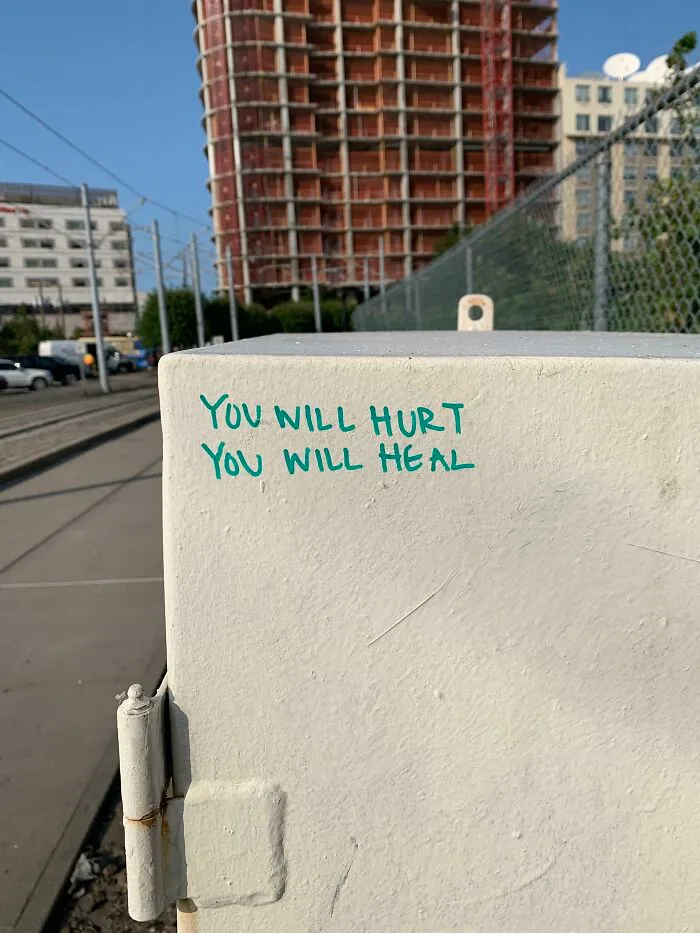
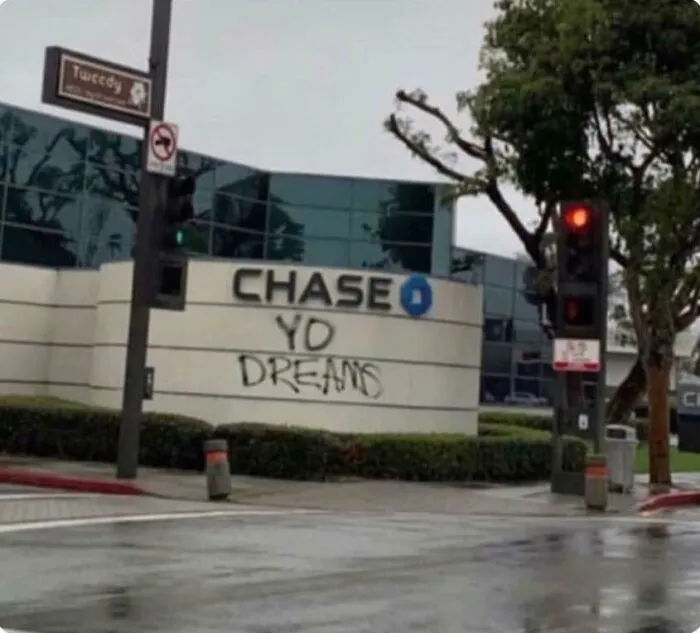
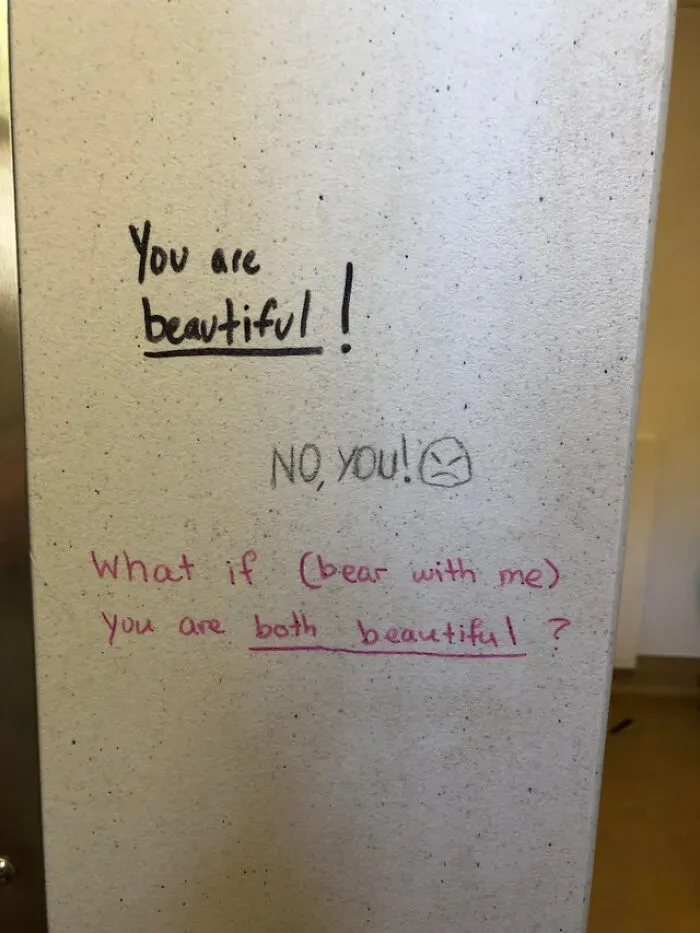
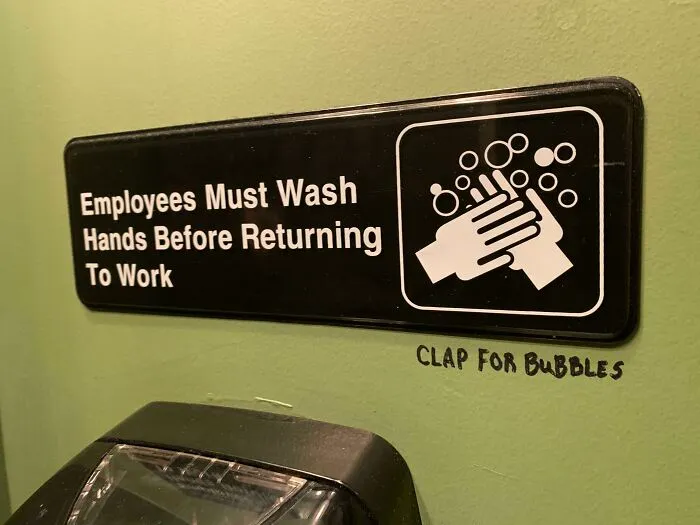
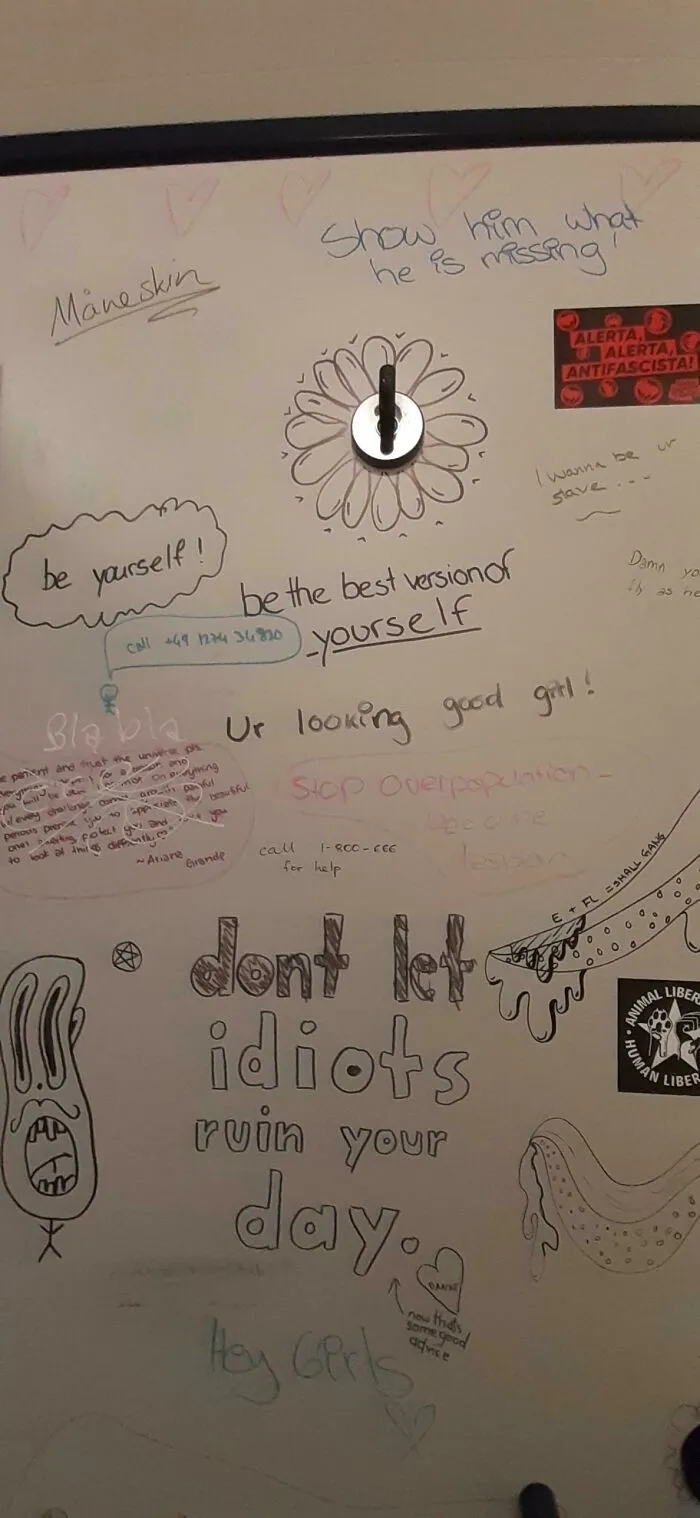
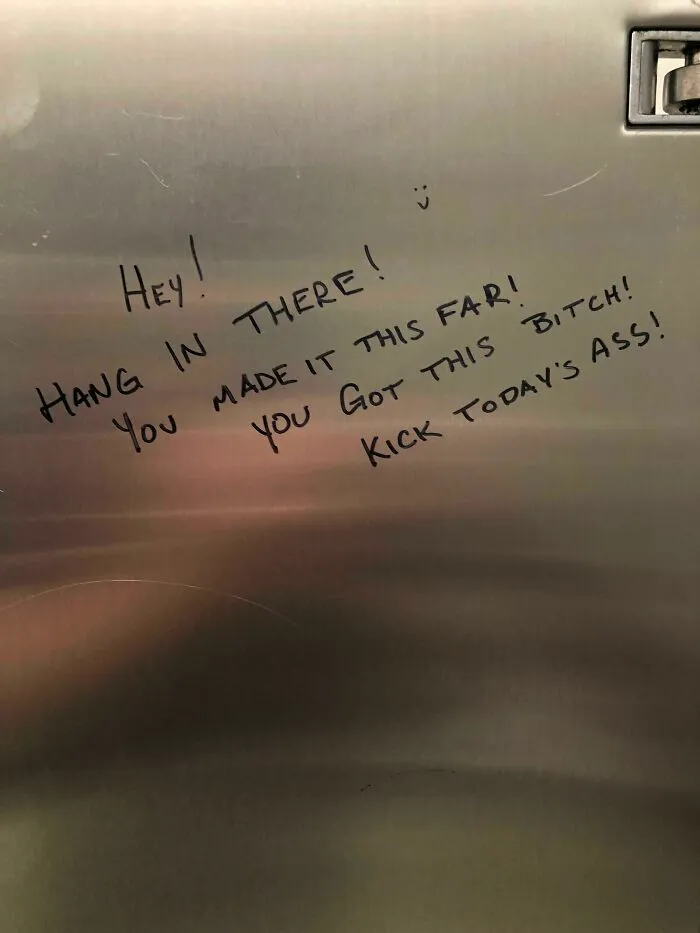
These posts show that mild vandalism can sometimes be clever, creative, and spot-on. Which one of these caught your eye the most? Share it with a friend!
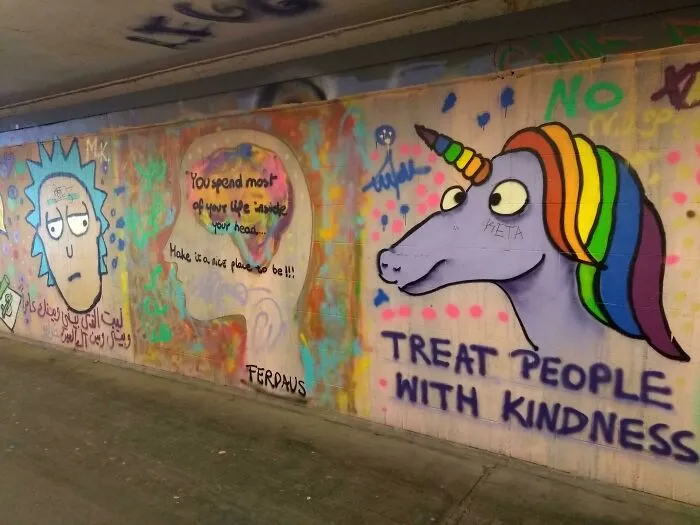
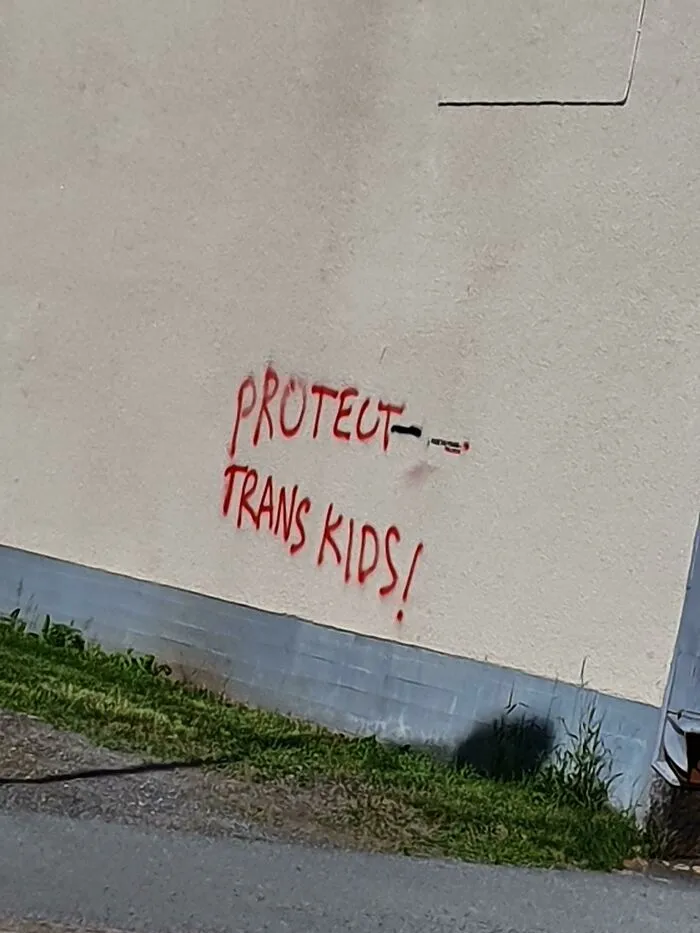
#31 There Are Always Going To Be Enough Seats At The Table For All Of Us

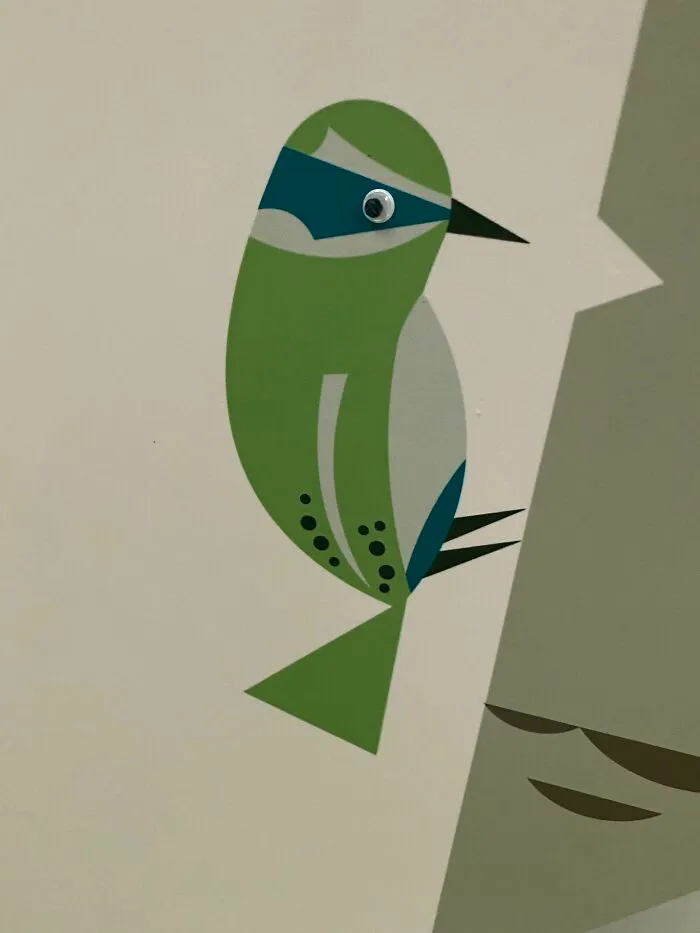
#36 Someone Is Putting Googly Eyes On The Walls At A Children’s Hospital 😊