






History is far more than dates, big battles, painstakingly detailed lines of succession, and lists of technological innovations. History is the sum of all the experiences and interactions of humankind. At its core, it’s as much about large-scale processes as it is about individuals and the choices that they make, whether for good or for ill.
And though history is full of cruelty and evil, it’s also a testament to courage, goodwill, and charity during hard times. Curiously, what’s often absent from school curriculums is the fact that there have been countless examples of genuine empathy, wholesomeness, and humanity in the midst of war and misery. Members of the r/AskReddit online community shared some of these facts in the hope of giving everyone a fresh, more nuanced perspective about the past.
You’ll find the most heartwarming historical facts as you scroll down, dear Pandas. Upvote the ones that surprised you, and if you feel there’s something missing that you’ve read before, be sure to enlighten us all in the comments.
Bored Panda got in touch with Joe Pierre, MD, a professor of psychiatry at the University of California San Francisco (UCSF) and the author of the Psych Unseen blog on Psychology Today. We asked him about the potential dangers of completely dehumanizing the enemy, and touched on the idea of 'moral injury' during wartime. You'll find his insights below.

#21

The F1 German grand Prix, in 1976.
After Nikki Lauda crashed, while hitting a barrier and catching alight, rival drivers: Arturo Merzario, Guy Edwards, Harald Ertl and Brett Lunger all stopped their cars and ran to Lauda's aid. There are many such instance of this happening during the '50s right through the '80s, of championship drivers forfeiting a win to save a rivals life.
Report
246points
#22
I'm an Indian. Only after a lot of research on the internet, I came to know that homosexuality was very normal in ancient India. The sculptures, the poems are just so GAY. Only after the advent of British colonialism, those stuff became taboo or even a crime here. It's a shame that they don't teach that in school considering how accepting ancient India was.
Report
245points
#23
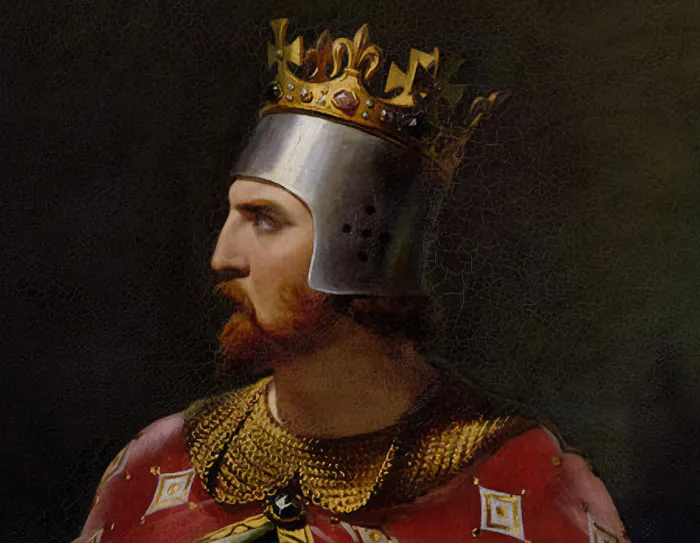
During the crusades when Richard the Lionhearted had a fever, all he wanted at the moment was some fruit and a cold drink. His enemy, Saladin, the Sultan of Egypt who had seized control over Jerusalem, heard the news and sent him peaches, pears, and a shipment of ice from a mountain. When he heard that King Richard's horse had been killed, he sent him a bunch of new horses and a stable boy.
Report
235points
#24
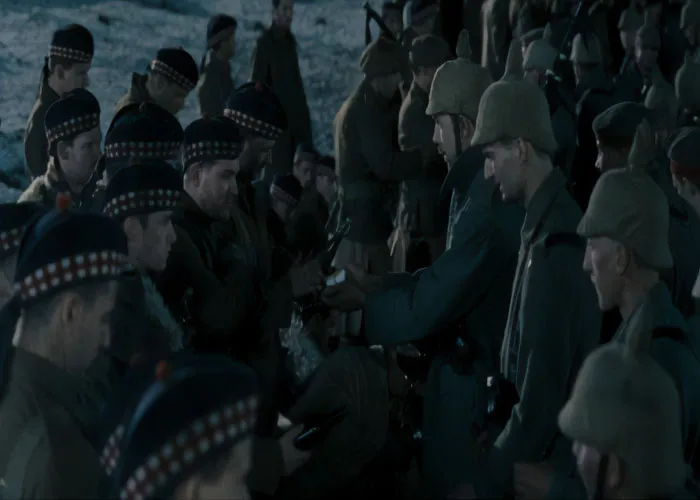
On Christmas Day 1914, Both of the sides of WW1 celebrated Christmas together with songs and games. This type of celebrations happened over the whole front in Belgium and France. The soldiers talked to each other like they weren't in war together. Many soldiers wrote in their diary that they didn't expect the enemy to be so kind and friendly and that they wanted to meet with them when the war was over.
But a few days later, the leaders of the armies found out about the celebrations and forbid any future meetings between the two sides. They were a few attempts to reconnect (during Easter and Christmas) but the soldiers who attempted were punished or killed.
225points
#25
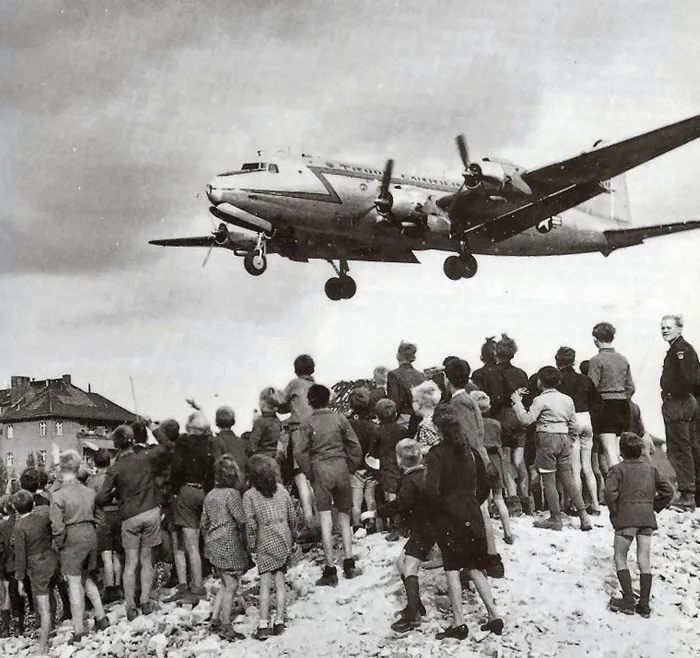
The Candy Bomber. After World War 2 ended and Berlin was divided, the UK and US dropped food into west Berlin by plane. One Pilot, Gail Halvorsen started to donate his candy rations to the children and soon other pilots started doing the same. To let the children know that it was his plane - the one with the candy- they would "wiggle the plane's wings" before the drop. Word spread and more and more children would come and it started a new PR campaign and started to change the mindset that Americans had of giving food aide to Europe. I always thought the story was really sweet.
Report
220points
#26
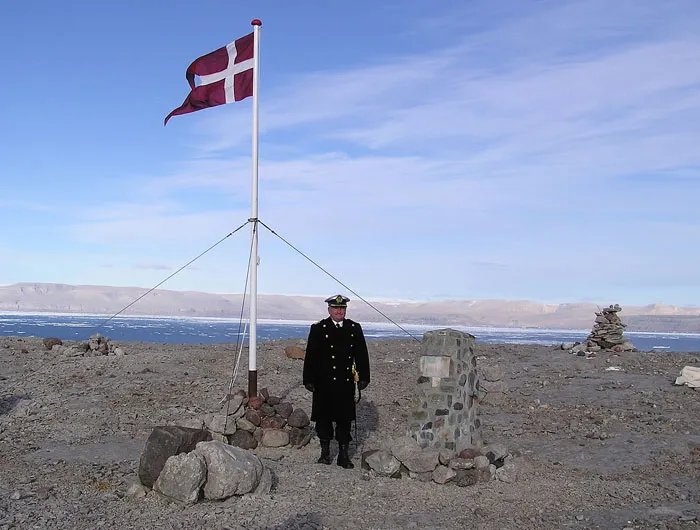
For 30 years, Canada and Denmark were fighting a brutal "war" over an Island in North, by leaving their own homemade whiskeys and troll letter.
Report
199points
#27
Horton Hears a Who was written for a Japanese friend of Dr. Seuss immediately following WWII. He wrote it as an allegory about the importance of forgiveness and humanity in a time where much of the world was still bitter at Japan for their role on the war. Horton represents the United States who speaks up for Whoville, the Japanese, to remind them that "a person is a person no matter how small."
Report
196points
#28

Every year the Province of Nova Scotia sends a Christmas tree to Boston as thanks for aid after the Halifax Explosion
Report
189points
#29
After Commodore Perry forced the opening of Japan to foreign trade, Japan signed many unequal treaties with Western nations. 1888, Mexico signed another treaty with Japan, but Mexico viewed Japan as an equal. The 1888 Mexican-Japanese treaty was the first time a Western nation treated Japan as an equal.
In the late 1930, facism was advancing through the world and no one dared to oppose it. Except for Mexico. Mexico was the only country that openly protested against the Japanese invasive of Manchuria, the Italian invasion of Ethiopia, Italian and German involvement in the Spanish Civil War (along with the USSR), and finally, the German annexation of Austria.
Report
159points
#30
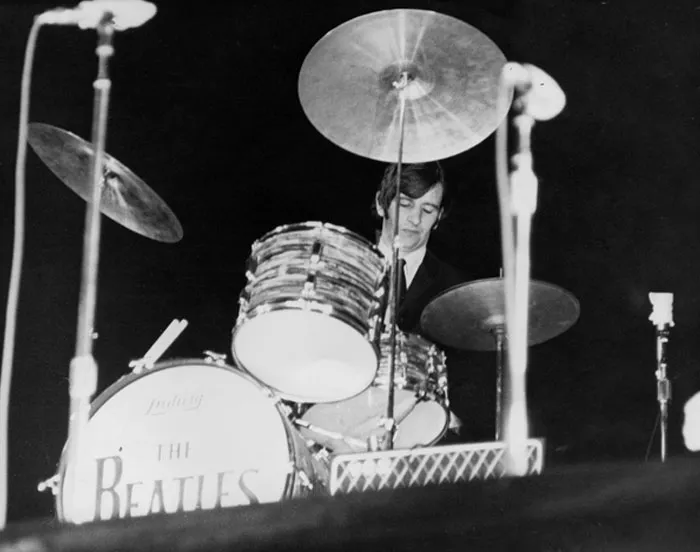
Ringo Starr once decided the Beatles didn’t need him and decided to take a holiday with the intention of never coming back.
When John, Paul and George found out they went all the way to where he was staying just to convince him to come back.
When John, Paul and George found out they went all the way to where he was staying just to convince him to come back.
Freakears replied:
As I recall, he got sick of all the bickering during the recording of the White Album (so it's actually Paul playing the drums on the first few songs). When Ringo came back, his drum kit was all decked out with flowers.
As I recall, he got sick of all the bickering during the recording of the White Album (so it's actually Paul playing the drums on the first few songs). When Ringo came back, his drum kit was all decked out with flowers.
Report
156points