









Between broken ceasefires, toxic manosphere takes, and a world obsessed with dividing us by how we look or where we’re born, finding the bright side feels a bit difficult right now.
This list proves the light hasn’t completely gone out.
And while it is important to stay aware of what’s going on around you, it’s just as essential to protect your peace of mind and know when to step back.
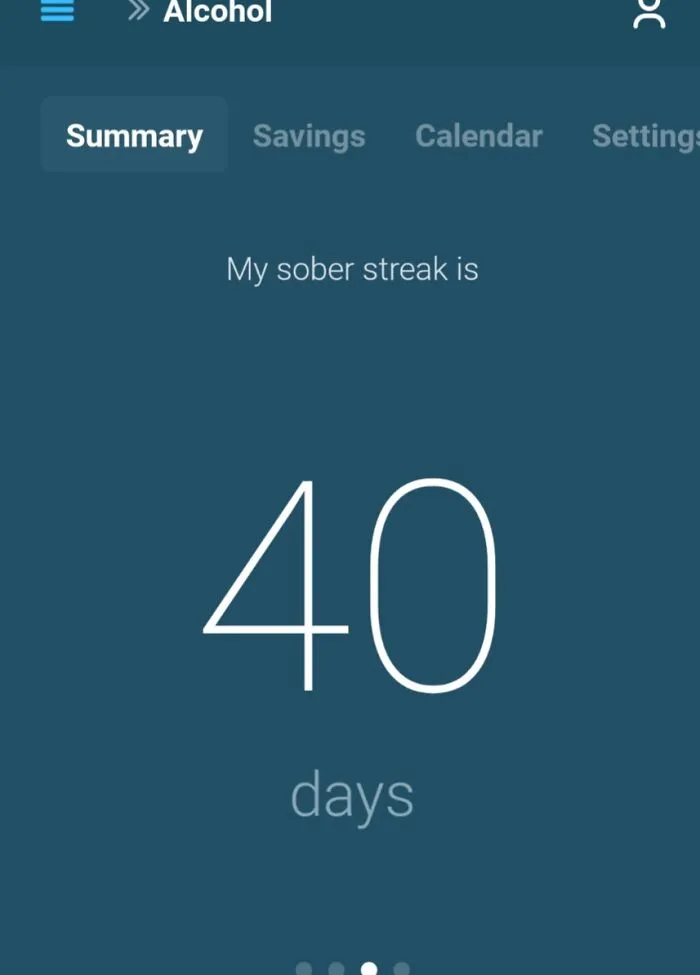
#4 40 Days, But It Feels Like Forever. Just Wanted To Share With Someone


Constant exposure to bad news can take a direct toll on physical health. Research shows that heavy media consumption continuously triggers the body’s stress response.
This happens because our brains are wired to prioritize threats. Thousands of years ago, hyper-awareness of danger kept early humans safe from predators. Today, that same survival mechanism drives the urge to scroll through alarming news stories and endless tragedies.



Some intense headlines instantly create a knot in the stomach or a wave of nausea. This physical reaction happens because our nervous system cannot tell the difference between reading about a threat and facing one in real life.
According to experts, distressing news triggers the brain’s internal alarm system, specifically the amygdala. This alert signals the body to prepare for immediate danger — releasing stress hormones like cortisol and activating the fight-or-flight response.
That’s why reading a disturbing story can sometimes cause a racing heart, sudden sweating, and shallow breathing. Even while sitting safely on our couch, our bodies might react as if they're under direct physical attack.


Dr. Roxane Cohen Silver, a researcher at the University of California, Irvine, found that consuming hours of graphic media coverage often leads to worse long-term physical ailments and psychological distress than directly experiencing the traumatic event itself.
To prevent media overload, Dr. Silver advises setting boundaries around daily news consumption.
She says: “I’m not encouraging people to put their heads in the sand. I’m not encouraging any kind of censorship. What I am strongly encouraging is that people monitor the amount of media to which they’re exposed… to not get so caught up in this doomscrolling that one loses sense of time, caught up in tragedy after tragedy after tragedy.”
She recommends that people be mindful of how many hours they spend consuming news and how much they expose themselves to graphic images.

A 2025 Pew Research report revealed that roughly four in ten Americans frequently feel angry or sad after checking the news. On top of that, about a quarter of people say the daily headlines leave them feeling scared or downright confused.
Sadly, the positive vibes are quite hard to find. Only a tiny fraction (14%) of folks report feeling hopeful, happy, or empowered by the stories they consume.



A 2023 study published in Nature Human Behavior revealed just how deeply the human brain favors bad news. Researchers discovered that adding a single negative word to a news headline increased its click-through rate by 2.3%, while positive words actually reduced clicks. Outrage drives engagement, and algorithms naturally amplify what angers people.
Just by clicking on this article, you overcame these basic instincts and bypassed profit-driven algorithms.

#20 Accepting Flaws And Sending More Love To This Handsome Fur Baby

If research is to be believed, reading the stories in this list might trigger oxytocin — the so-called ‘love hormone’ — in your body.
Media packed with positive images and kind messages triggers a psychological state called elevation. It’s the warm, uplifting feeling you get when you see someone do something genuinely good, like showing deep gratitude, generosity, or loyalty.
Research by Mary Beth Oliver of Penn State University found that these feelings of elevation were associated with a greater motivation to become a better person and do good things for others.