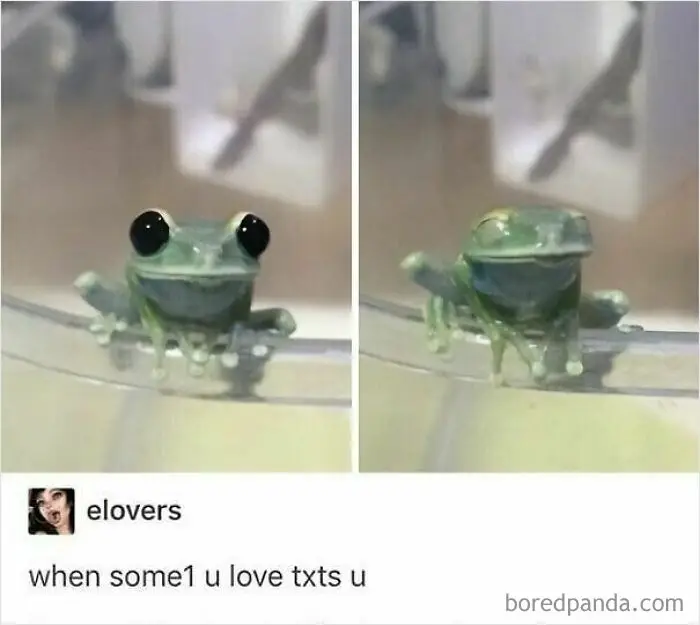





Psychologists often explain humor through something called the “incongruity theory.” In simple terms, something feels funny when what actually happens doesn’t match what we expected to happen. In a piece for the American Psychological Association, Ithaca College psychologist Barney Beins, PhD, explains that humor often appears when a real-life event suddenly breaks our mental expectations. For example, if a situation takes an unexpected turn or a punchline flips the story in a surprising way, our brains quickly process the mismatch, and that’s when we laugh.



Beins also points out that humor is far from simple. It’s actually a complex psychological response influenced by many different factors. Mood, personality, and even what children observe from the adults around them can shape their sense of humor. As kids grow older, they begin to understand different types of jokes and develop their own comedic style. What makes them laugh at age 3 may be very different from what they find funny at age 10, showing just how much humor evolves as the brain develops.



In the end, laughter is much more than just a reaction to something funny. It’s a powerful way for humans to connect, learn, and understand the world around them. From a baby’s first smile to a child’s first real joke, humor grows alongside emotional and cognitive development. And while the reasons behind laughter may be complex, one thing remains simple: those giggles, chuckles, and bursts of laughter are small reminders of how humans naturally seek joy, connection, and shared moments of happiness.
Well, we hope these posts brought a smile to your face. Which one of them did you like the most? Let us know in the comments.