
Dr. Tang explained that “along with efficiency, however, you DO have the issue that text speech and Facebook friends give the illusion of connection and camaraderie which does not exist IRL (In Real Life) - and while it can sound like Gen X are 'going on' about how millennials need to get off their appliances, the quality of the relationships that Gen X have may well be deeper - and something millennials can learn from.”
When it comes to the generational war, older generations are sometimes even accused of “stealing” the future from the young. Dr. Tang told us that it’s “a very harsh way of phrasing it, BUT saying that, there are so many cases on a social platform where councils, for example, stand in the way of progression arguably because they don't have the vision of the proposers for change; and of course, if we are talking about climate change - yes, there can be an element of selfishness, because a Gen X parent may say - well, it's not going to happen in my lifetime.”
However, she added that at the same time, “the baby boomer and some Gen X parents are those who fold up one piece of toilet paper, and store things in tupperware to ration and avoid waste, just in case... and they may well despair at disposable culture.”
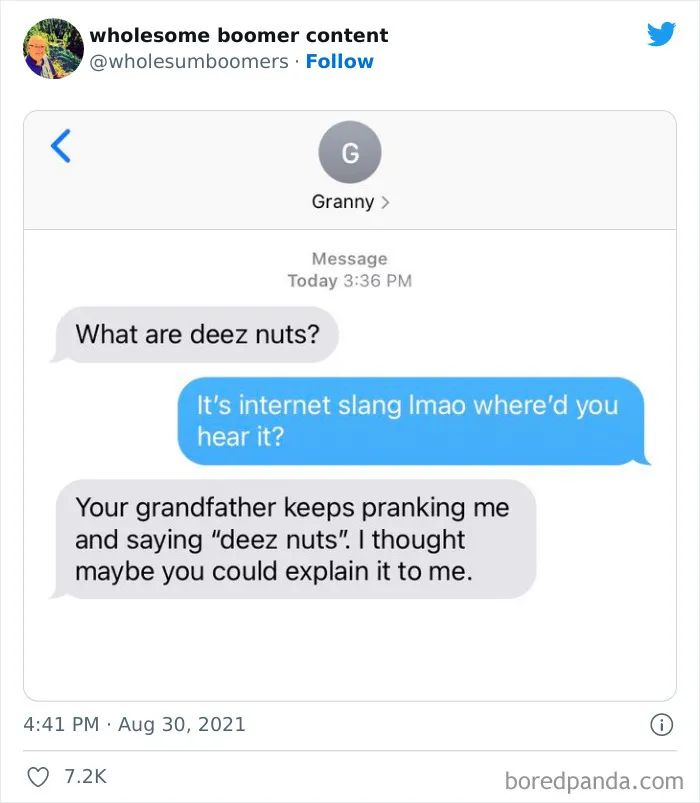
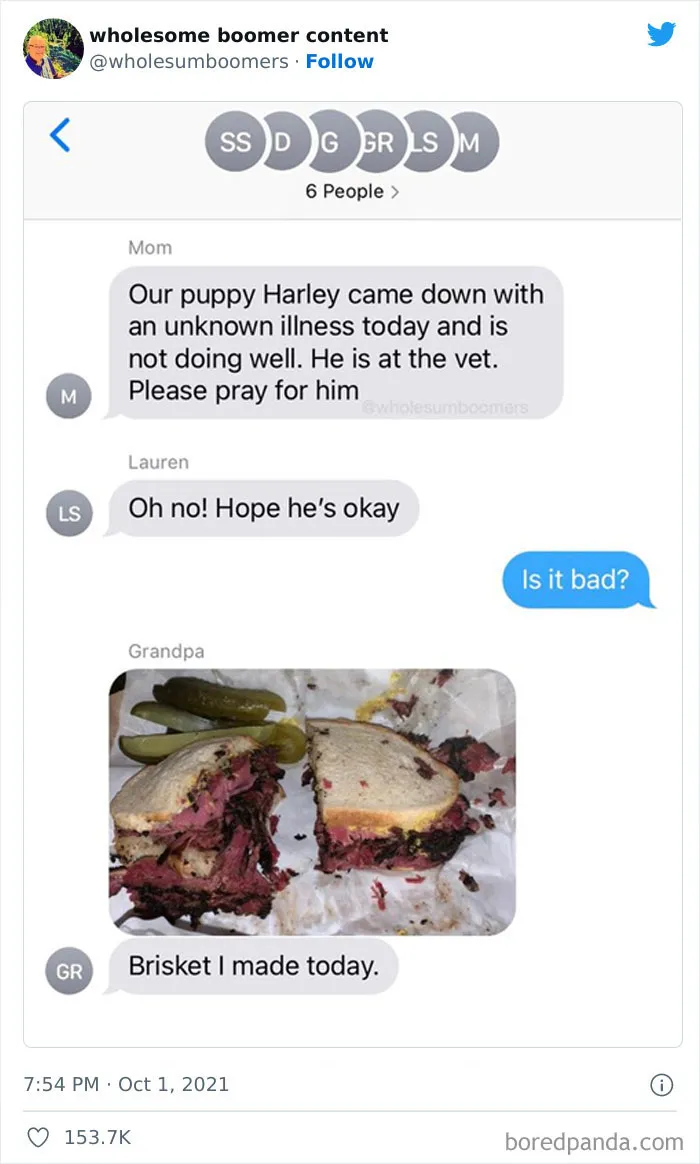
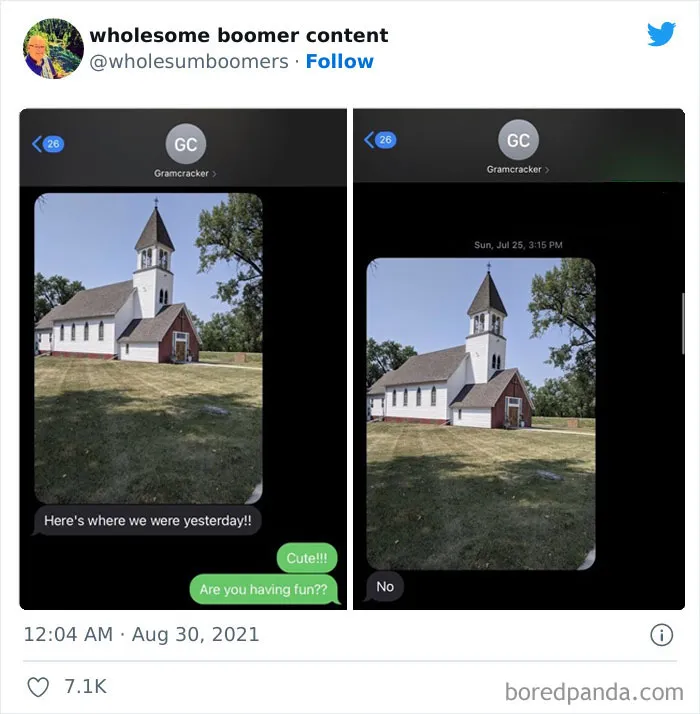
“Then if we look at disposable culture - if you have the older generation rationing toilet paper (just because they've always done it), and Gen Y and Z littering (look at Glastonbury the night after Paul McCartney's gig) - who is causing the greater problem? ...Although perhaps that was baby boomers right through! But with sustainability, we all need to do our bit,” Dr. Tang argues.
Moreover, it is also perhaps arguable that while older generations can be reminded to embrace diversity, they do so only to the extent of ticking a box, they do not appreciate what inclusion and equality bring to the table because they have "always done it that way," Dr. Tang ponders. But sometimes it's about changing the game, not just the people who are playing it in order to thrive.
“Older generations may also struggle with understanding fluidity in sexuality and gender, and so those freer with their authenticity may feel unvalidated or unseen, causing greater mental health issues... and on the point of mental (ill) health - we have gone beyond psychology applied to help those 'not ok - to OK,' but rather we are looking at growth and transformation, i.e. getting support has less of a stigma; and there are so many more ways of achieving it, e.g. there is a 'third wave' of therapy which may be very unfamiliar to even Gen X practitioners,” the psychologist explained.
Having said that, Dr. Tang concluded that #cancelculture doesn't help each generation understand each other either. “Compromises need to be made on both sides, and perhaps then a more collaborative and inclusive approach can develop!”