


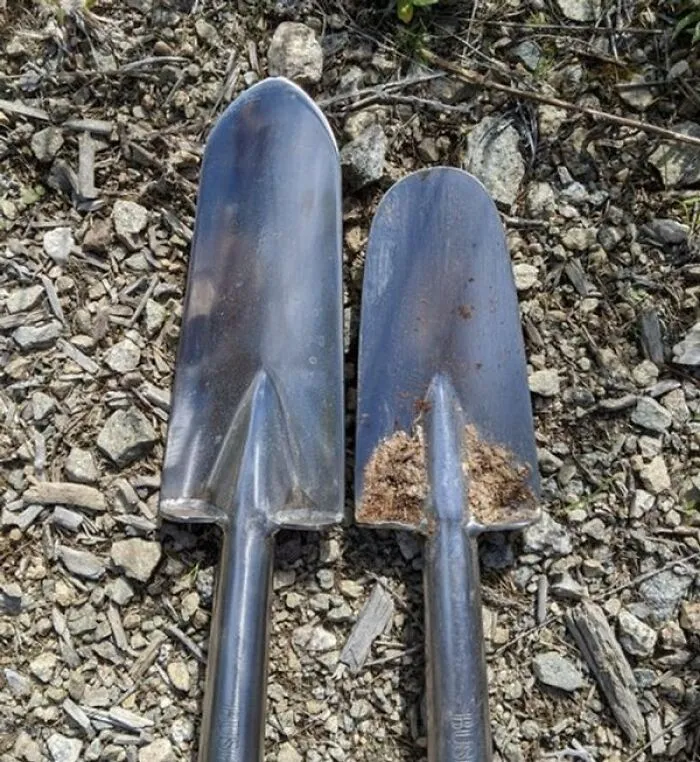
#3 Planting 90k Trees Takes A Few Inches Off Of A Shovel
As children, everything fascinates us because it’s all so new. From trying to make sense of our own fingers as babies to conducting the weirdest experiments as we grow older, human curiosity is always alive. In fact, it is as natural for humans as breathing.
According to cognitive scientist and researcher Elizabeth Bonawitz, curiosity is innate in all humans — a sensation much like hunger or thirst. “Curiosity acts as a kind of filter you put over the world to help the mind decide what information to attend to,” she says. “It’s a physiological response that helps drive action and decision-making to support learning.”
#4 This Happens If You Don’t Eat Your Artichoke Right Away
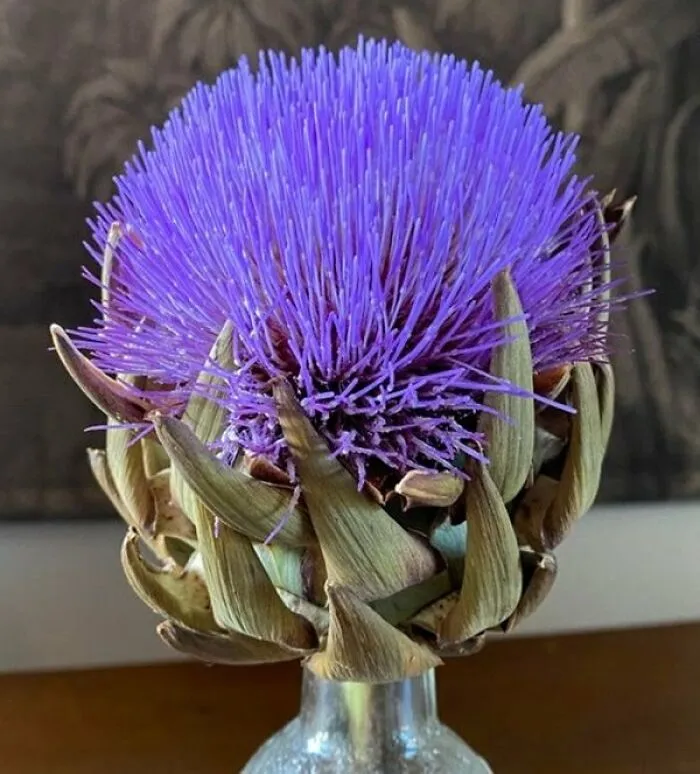
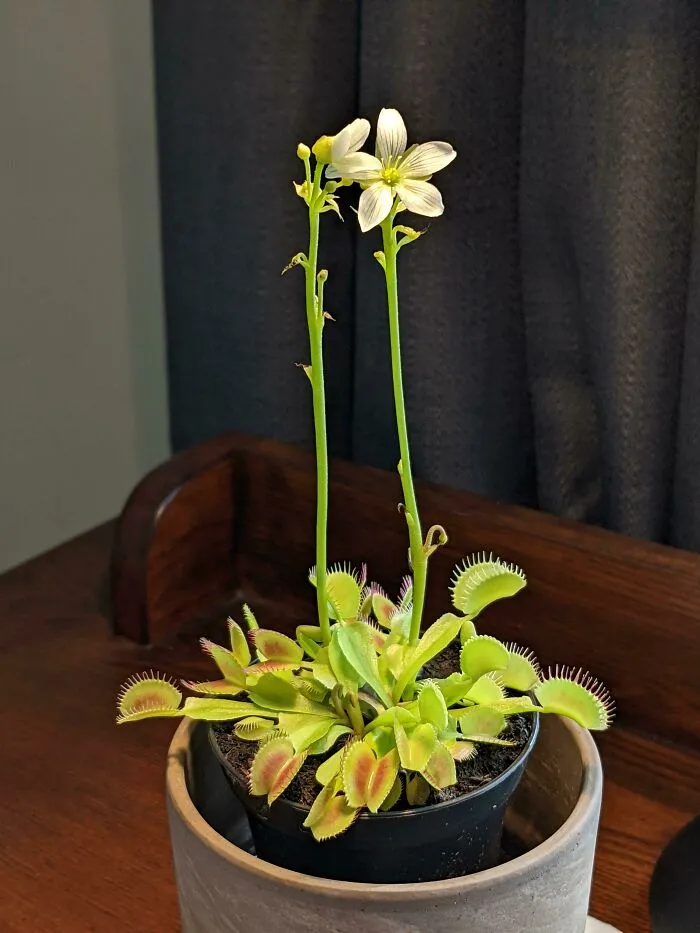
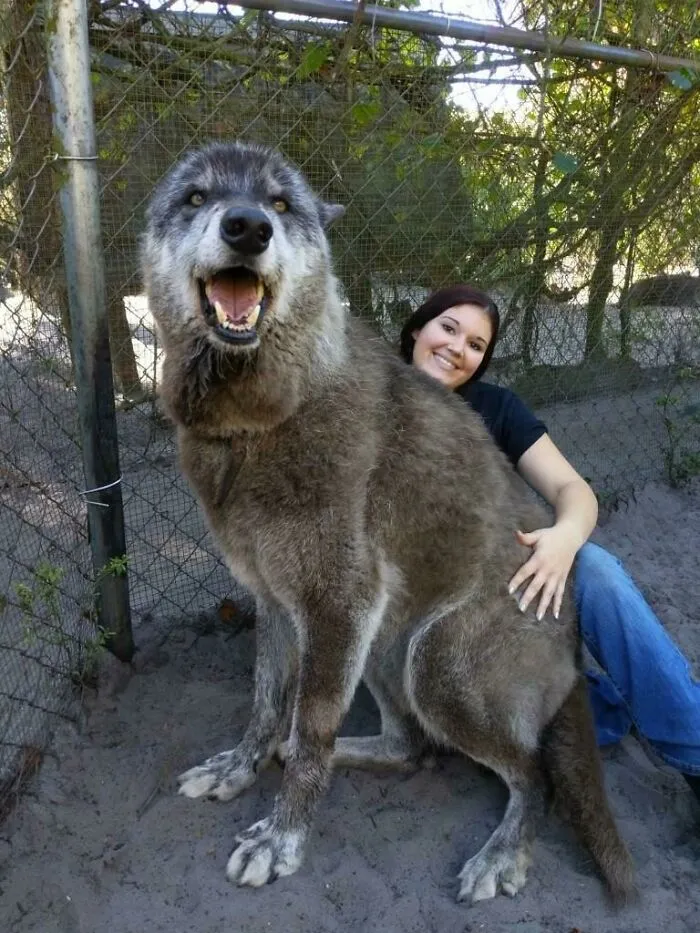
#6 Im The Girl From The "Giant" Wolf Post. Here's Another One Of Our Rescues, Yuki
Experts at Verywell Mind explain that genes and environment influence curiosity, a trait that plays a vital role in neural development and learning. Also, it turns out that dopamine and novelty-seeking behavior are linked to curiosity, affecting our urge to explore.
No wonder we constantly tinker with things, trying to understand everything about them. So next time your mind reels over some mystery, don’t hesitate to blame it on your genes.
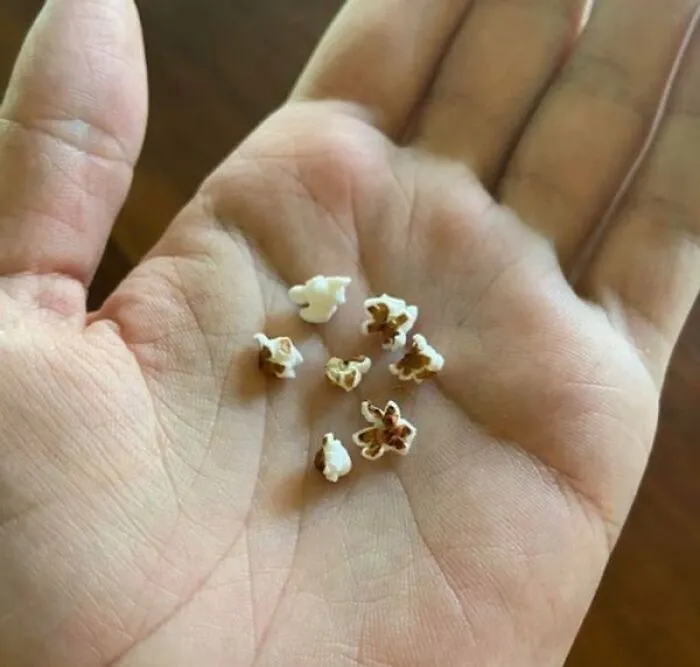
#8 My Mom Microwaved Some Birdseed To Disinfect It Before Putting It In A Beanbag, And Accidentally Made Tiny Popcorn
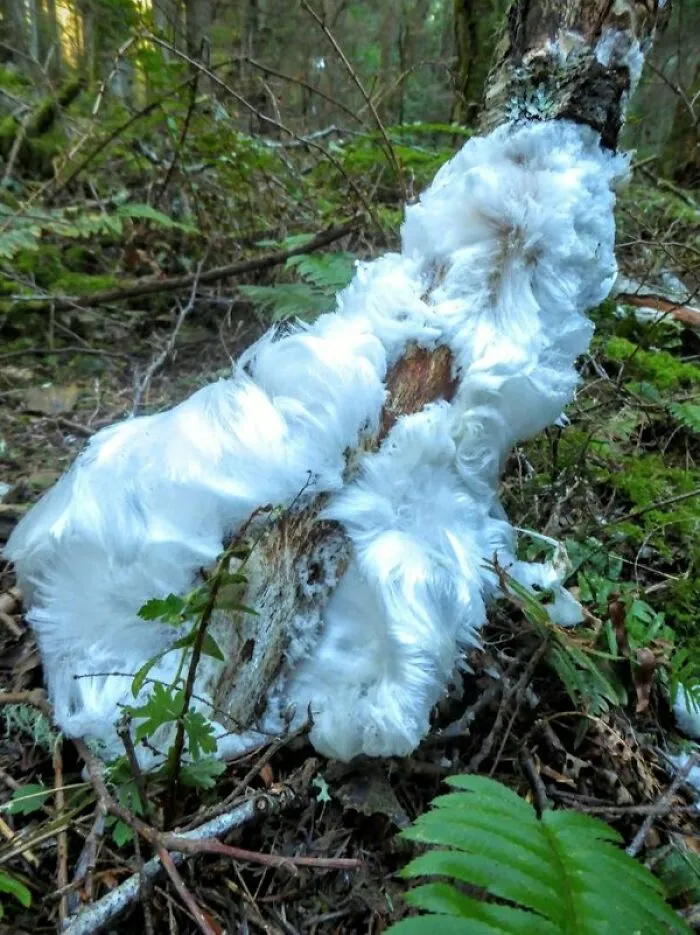
#9 Ice Fur Is When A Soggy Stump Goes Through A Hard Freeze
Sometimes, this curiosity is so great in a few people that they feel the need to test the “what if…?” scenario. But it might also come with risk, and they might ignore it. Basically, our brain treats new information like a reward. It makes the potential damage seem like a small price to pay for the satisfaction of finally knowing the answer. In fact, this intrinsic motivation is so strong that it overrides common sense.
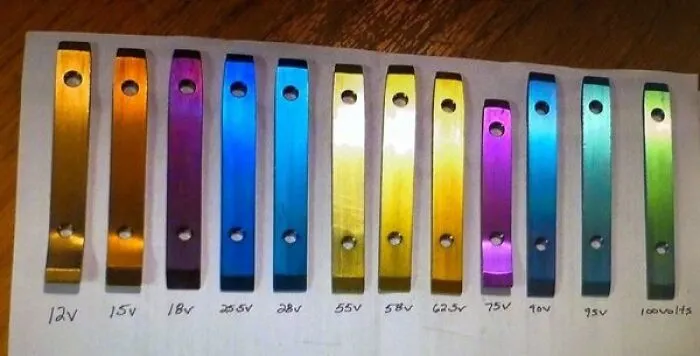
#10 Here’s How Titanium Changes Color If You Hit It With Different Voltages
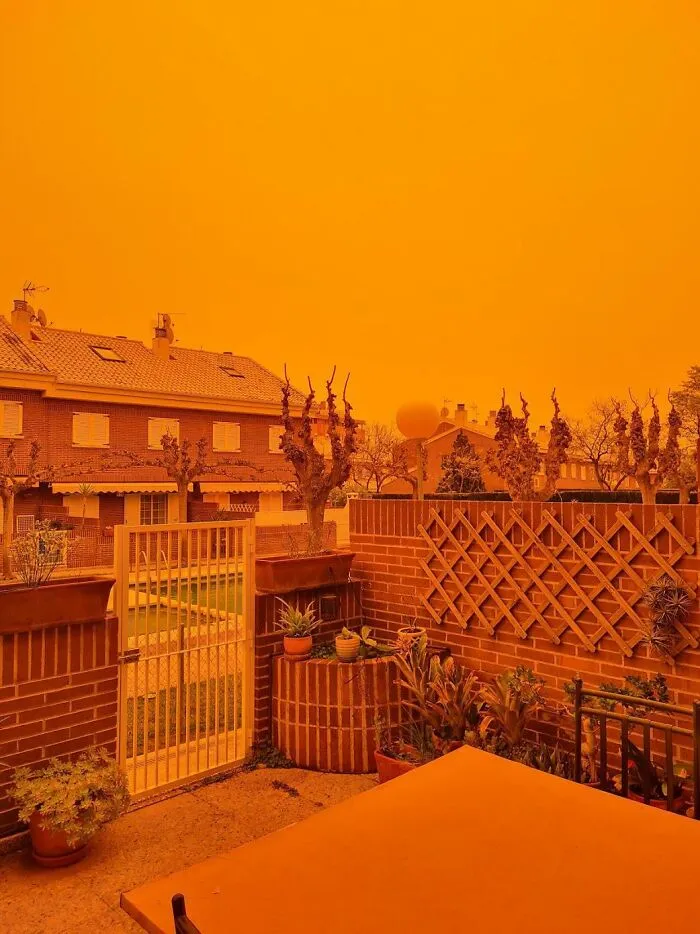
#11 Today The Sky In Murcia, Spain, Turned Orange Because Of Dust From The Sahara
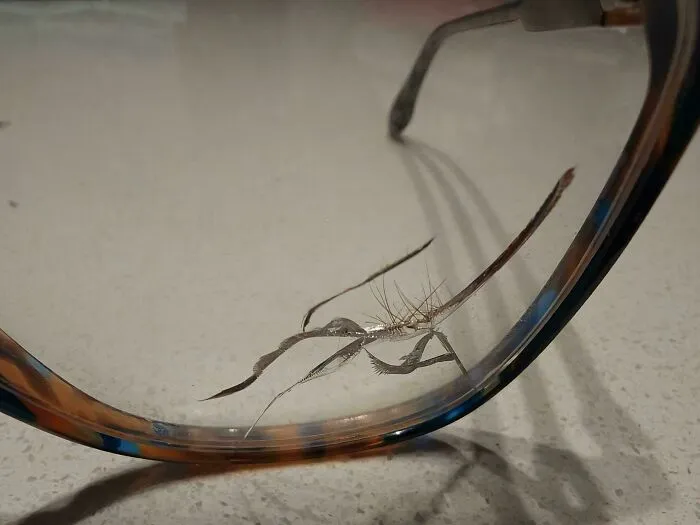
#12 My Girlfriend Fell With Her Bike And Her Eyelashes Are Embedded In Her Broken Glasses
However, it’s all thanks to their curiosity that we get to see these intriguing images. But what is it about these pictures that actually fascinates us? To understand that, we have to go back to our brain and something called “Predictive Processing.”
Research defines it as “the brain’s method of organizing and interpreting sensory information by continuously generating, updating, and refining predictions to minimize the mismatch between expected and received sensory inputs, thereby enhancing the precision of its internal representations. This process lets the brain adapt effectively to dynamic, complex environments.”


In simple terms, instead of waiting to see what happens, our brains constantly apply past experiences to predict what they expect to see or hear next. When what we see matches our prediction, our brain ignores the details to save energy.
But when something unexpected happens, our brain detects a “prediction error.” That’s why it’s forced to stop and pay attention to understand what’s going on. So when our brain tries to minimize surprises and suddenly a “what happens if…?” photo pops up, it grabs our attention. Our brain suddenly starts working hard to make sense of the new information that it sees.
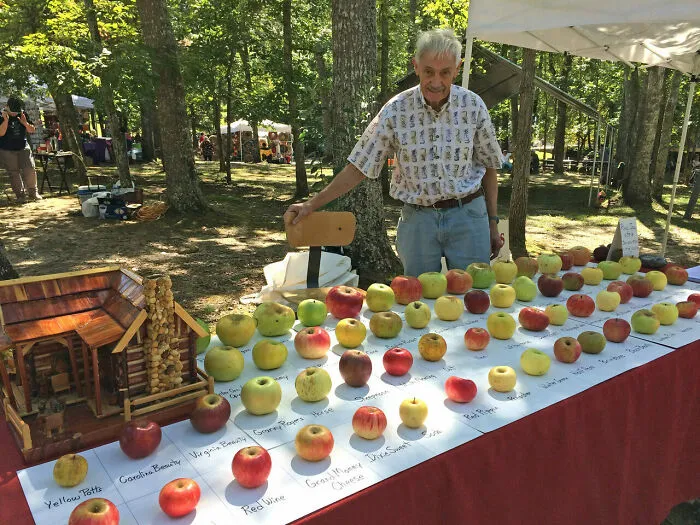
#17 Tom Brown, Retired Engineer, Has Saved Around 1,200 Types Of Apples From Extinction Over 25 Years
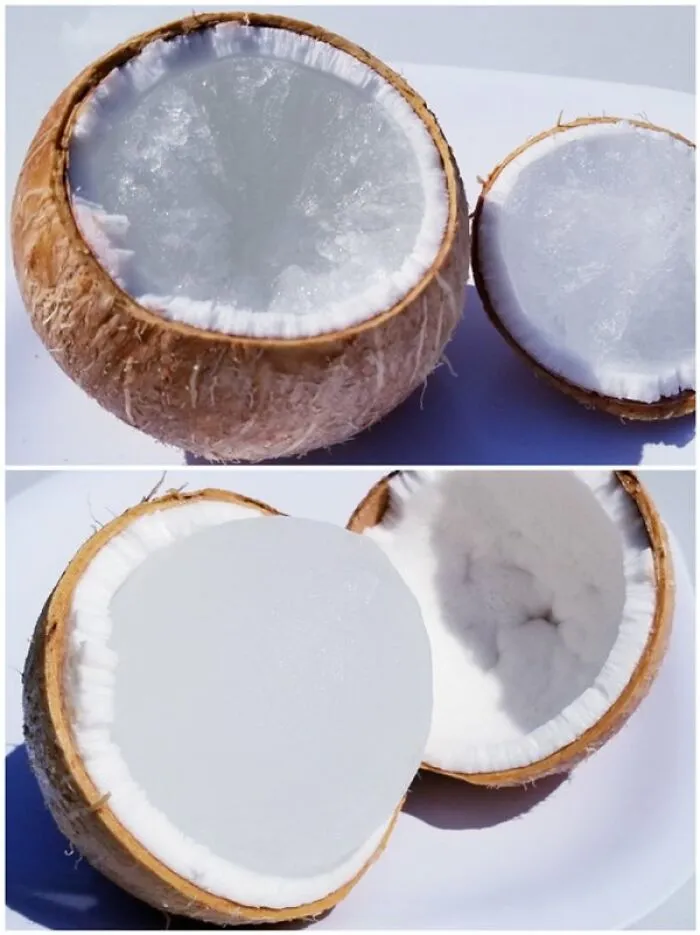
#18 Coconuts Can Crack Open When They’re In The Freezer
It’s almost like a cycle, isn’t it? Some people let curiosity override them and search for answers to the question, “What happens if…?” When they realize something strange, they post about it online. And finally, when we see the pictures, they trigger our curiosity as we try to make sense of how it happened. But, hey, curiosity is a good thing, so I couldn’t mind falling into this loop, staying in it, and discovering new things all the time.
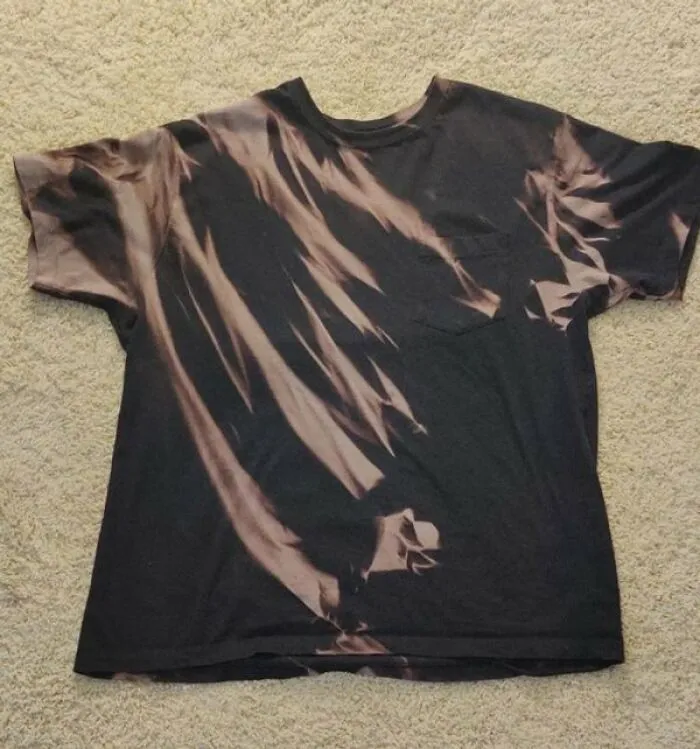
#19 My Black Shirt Got A Solar Tie-Dyed After Years Of Laying In The Back Of My Car
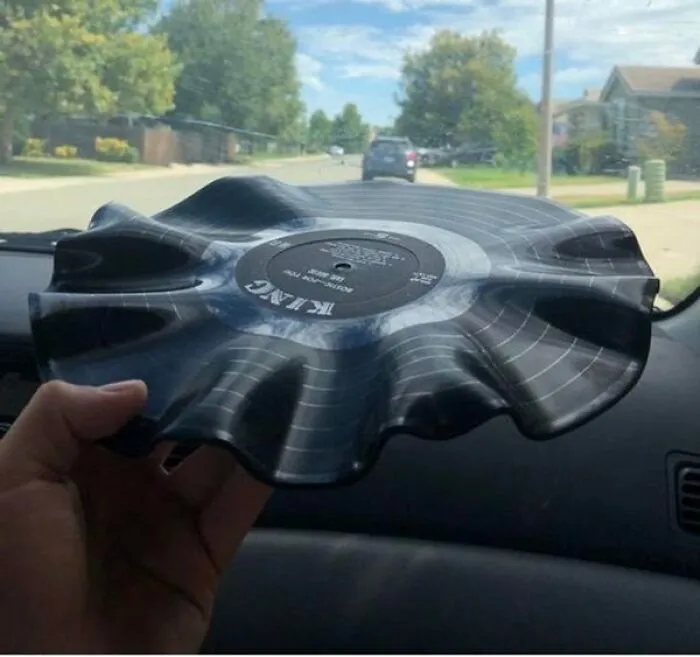
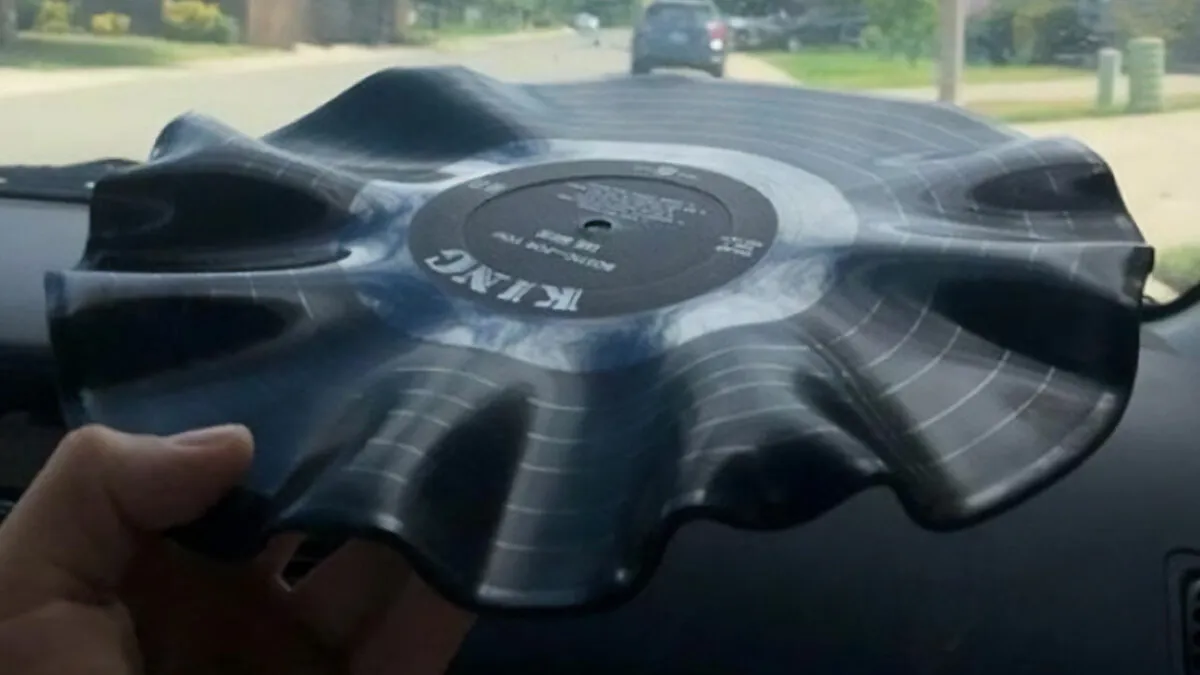
#20 This Record Was Left In A Car In The Summer