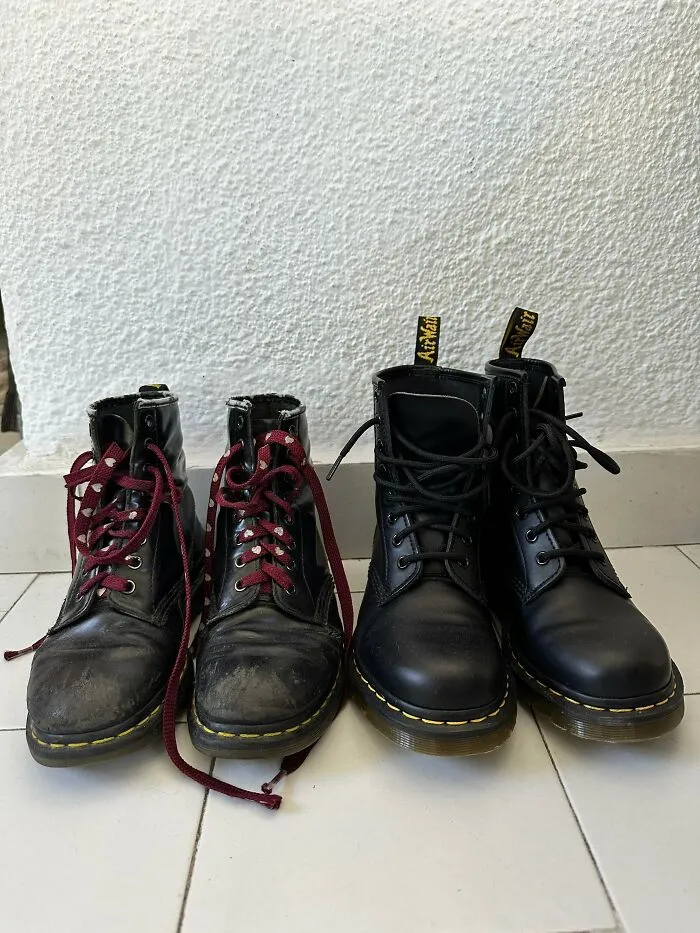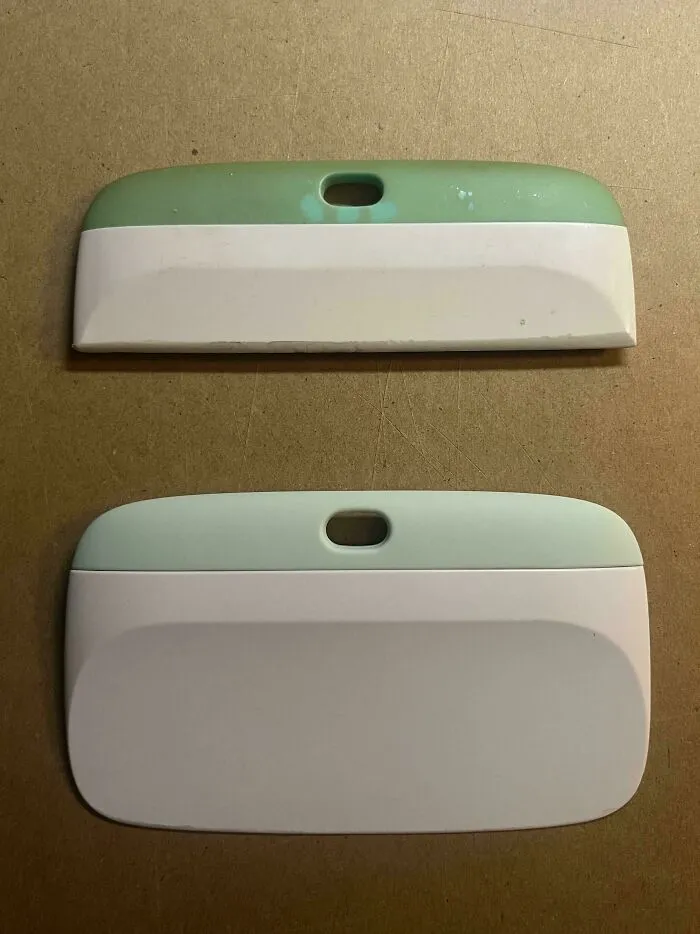




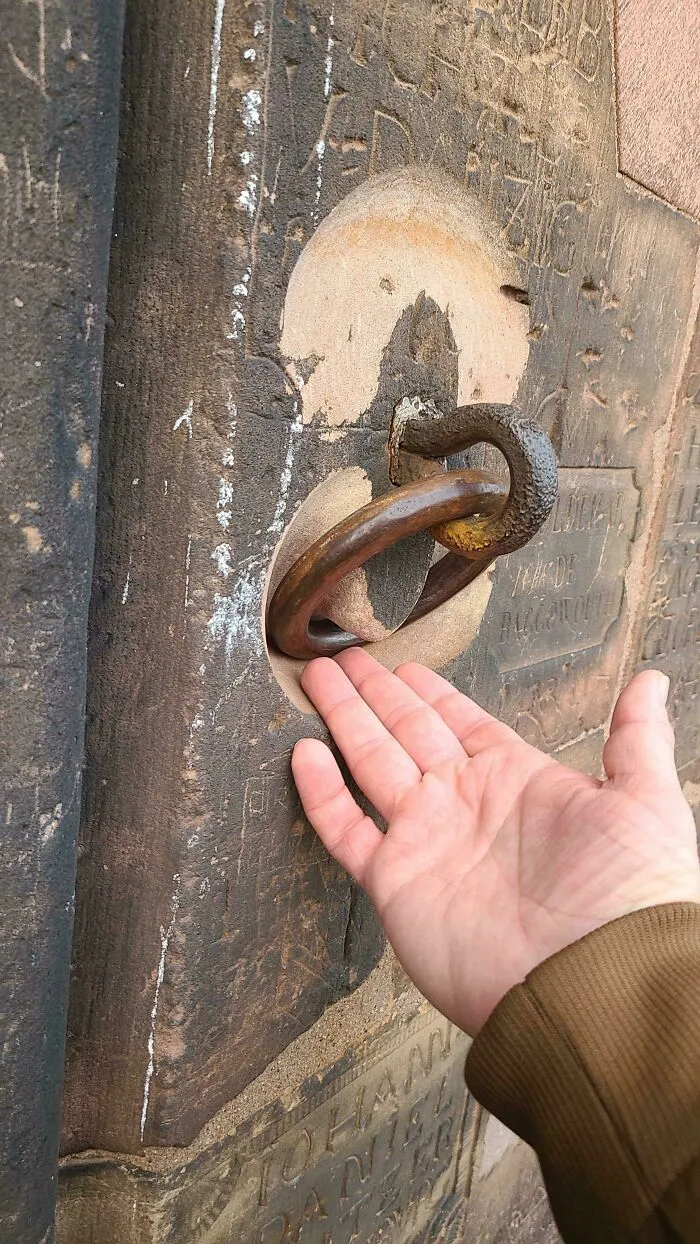
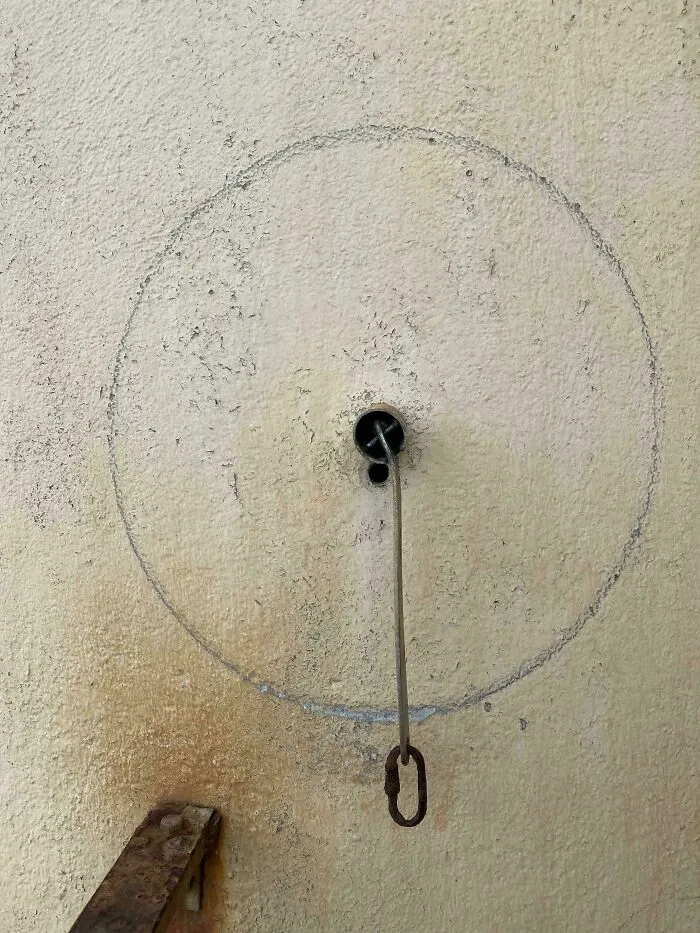
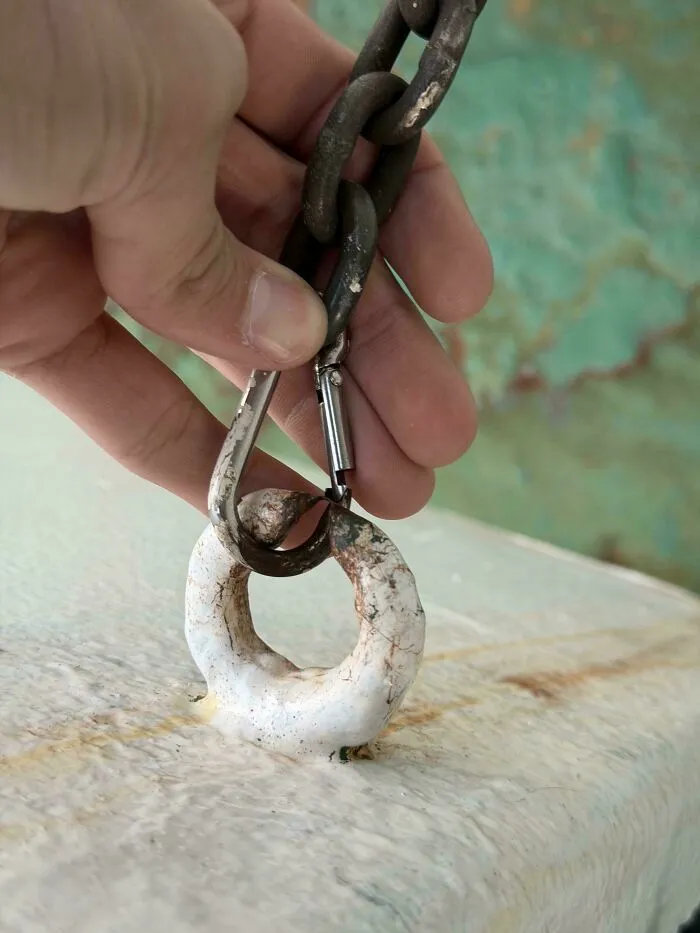
#2 Metal Ring Wearing Into The Sandstone Of The Cathedral In Strasbourg, France
#3 32 Year Old Hat That Reddit Helped Me Replace

It might seem silly to celebrate something as simple as the signs of wear on objects, but good-quality items that wear well are becoming a rare commodity. In the age of planned obsolescence, we’re starting to value things that last a long time and can be repaired, tinkered with, or even improved.
Smartphones are probably the most commonly replaced items in our day-to-day lives. Brits, for example, replace their phones every four years on average. Younger people do it even more often, as 18-to-24-year-olds say they buy a new phone every two years. The main reason is probably convenience, as 45% of British consumers say they'd rather buy a new phone when the old one stops working.
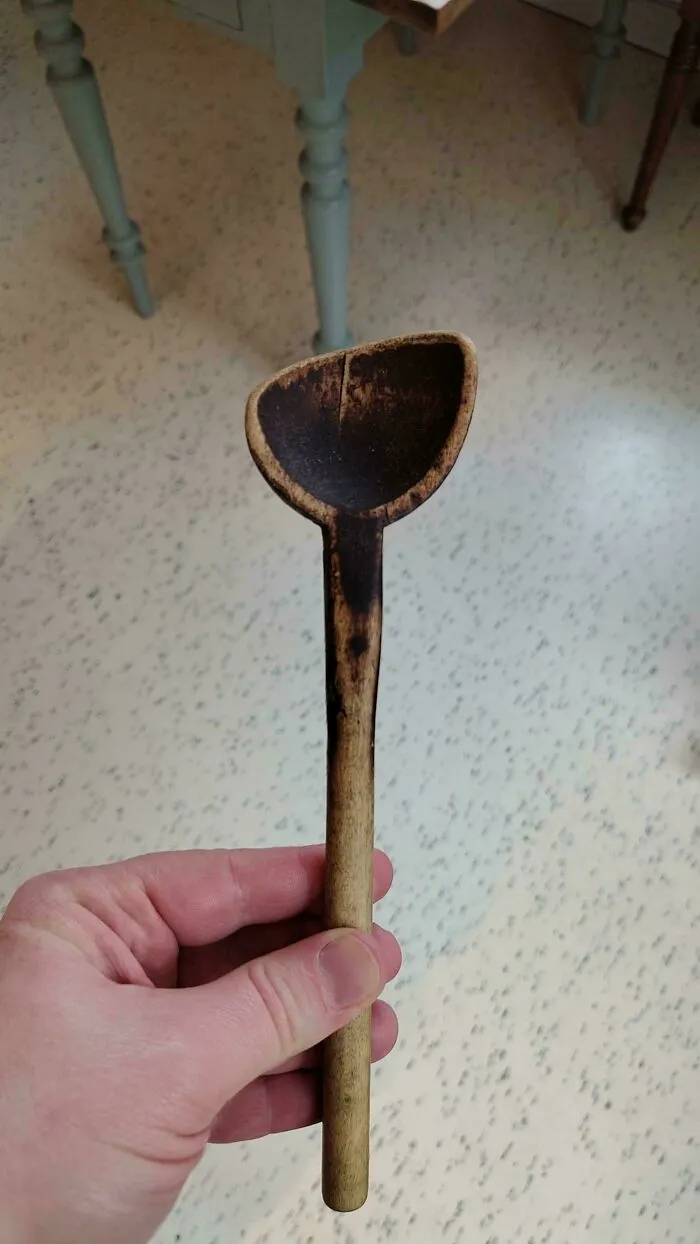
#4 My Great Great Grandmother's, Great Grandmother's, And Grandmother's Spoon
The European Parliament, however, is encouraging EU citizens to repair their devices instead of getting new ones. They implemented changes requiring smartphone manufacturers to offer extended warranties so people can get repairs even seven years after the model stops being sold in the EU. Manufacturers must also make software updates available for at least five years after that model is no longer available to buy.
This is how the EU is battling electronic waste and ecological and sustainability concerns. As of 2023, 5.2 million tonnes of electrical and electronic waste were collected all around the EU. With the changes that the parliament has implemented, they expect to also save 2.2 TWh of electricity consumed by 2030.
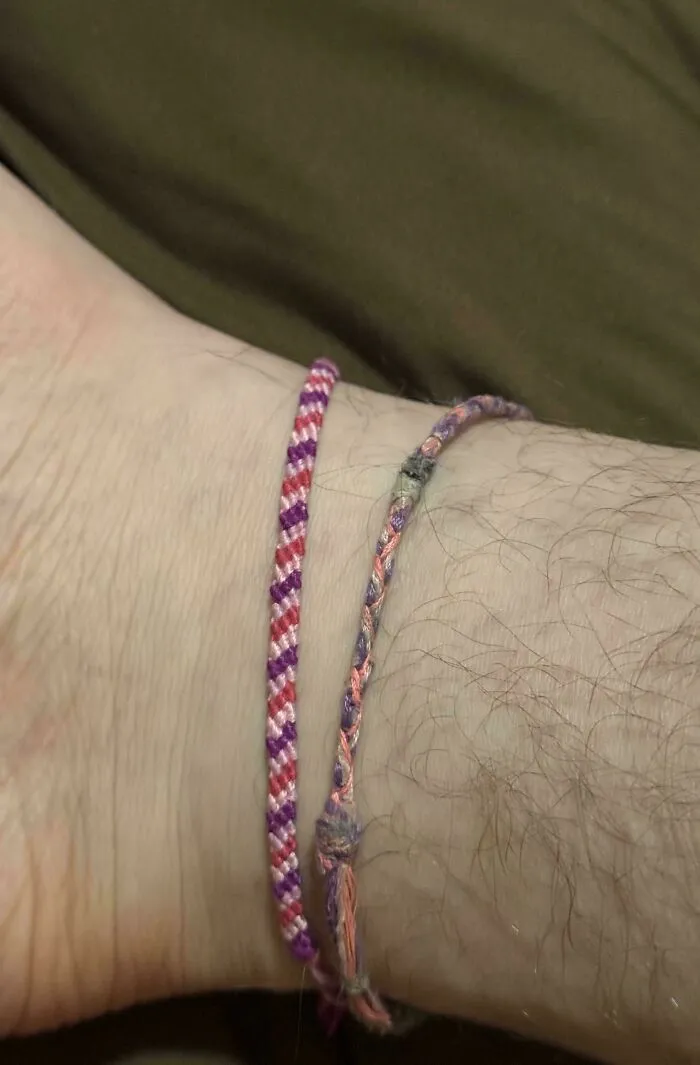
#7 My Little Cousin Made Me A Bracelet Almost 5 Years Ago. It’s Hanging By A Thread So I Had To Have Her Make A Replacement
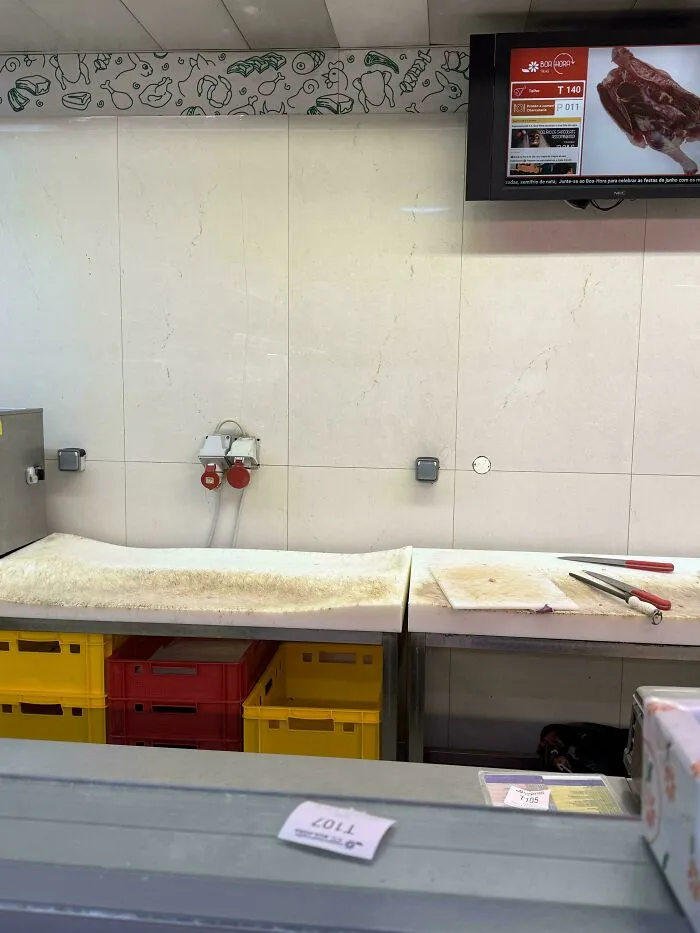
Buying new stuff instead of repairing it is more convenient, of course, but that doesn't mean that people are against it. In fact, according to a European Commission study, 77% of consumers want to repair items instead of replacing them with new ones. However, that's not always an option because of high repair costs, non-replaceable parts like lithium-ion batteries, and components glued shut instead of secured with screws.
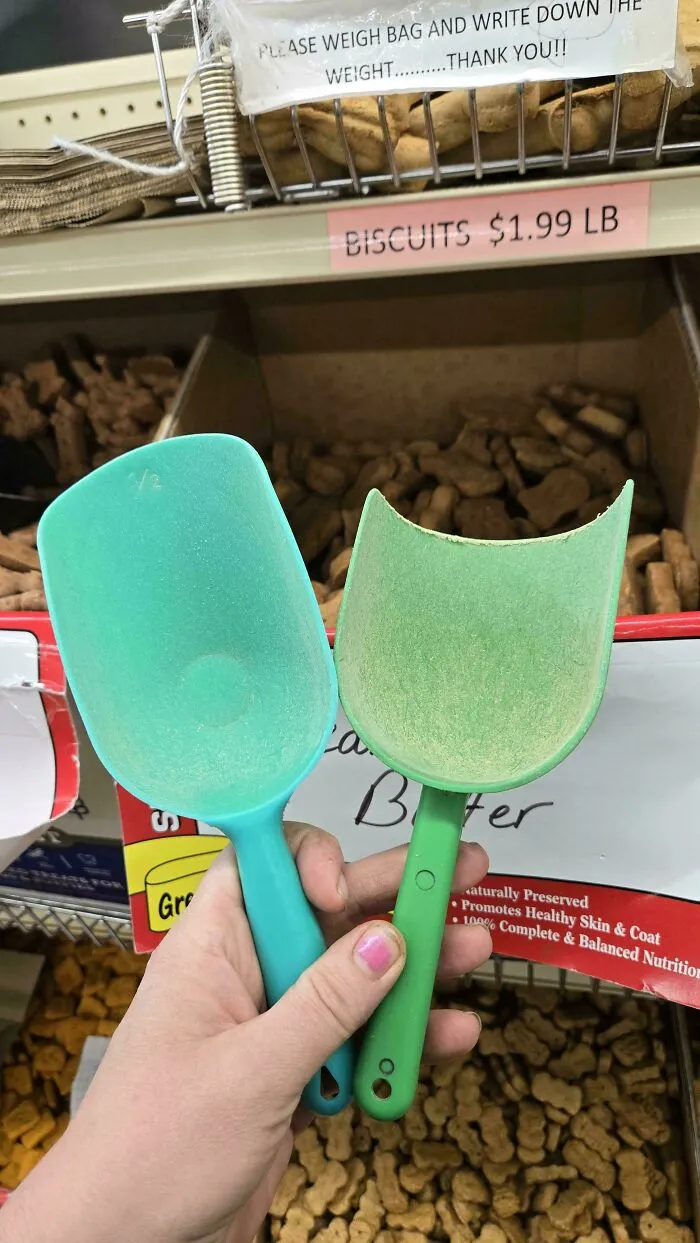

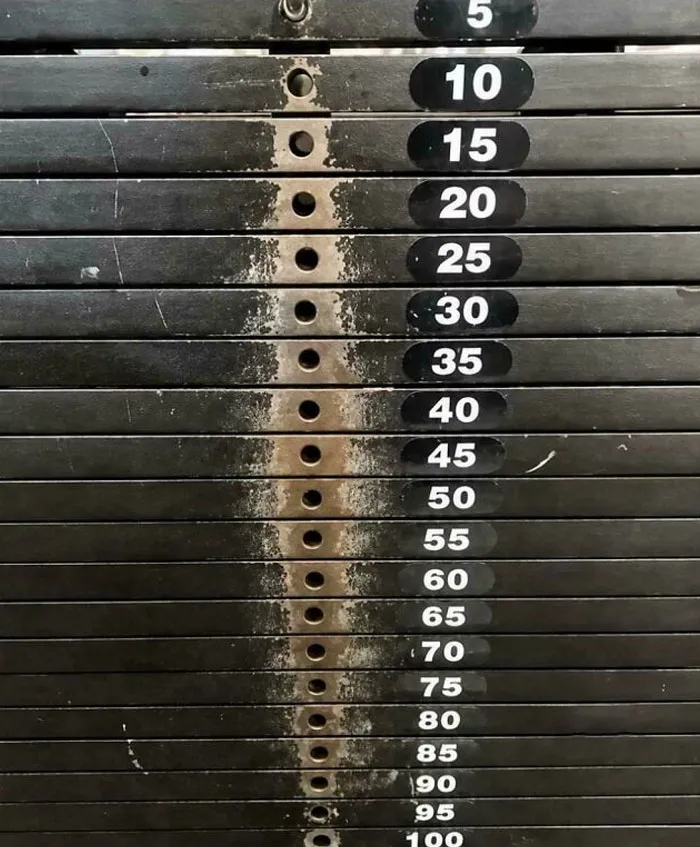
Although it sounds like a very Boomer-esque thing to say, things were sturdier and lasted longer back in the day. Even household appliances don't have the same shelf life they used to. Dr. Mansoor Soomro, a lecturer at Teesside University, researches why objects don't last as long as they used to and has concluded that kitchen appliance lifespans have dropped by 20%-30% since the 2000s.
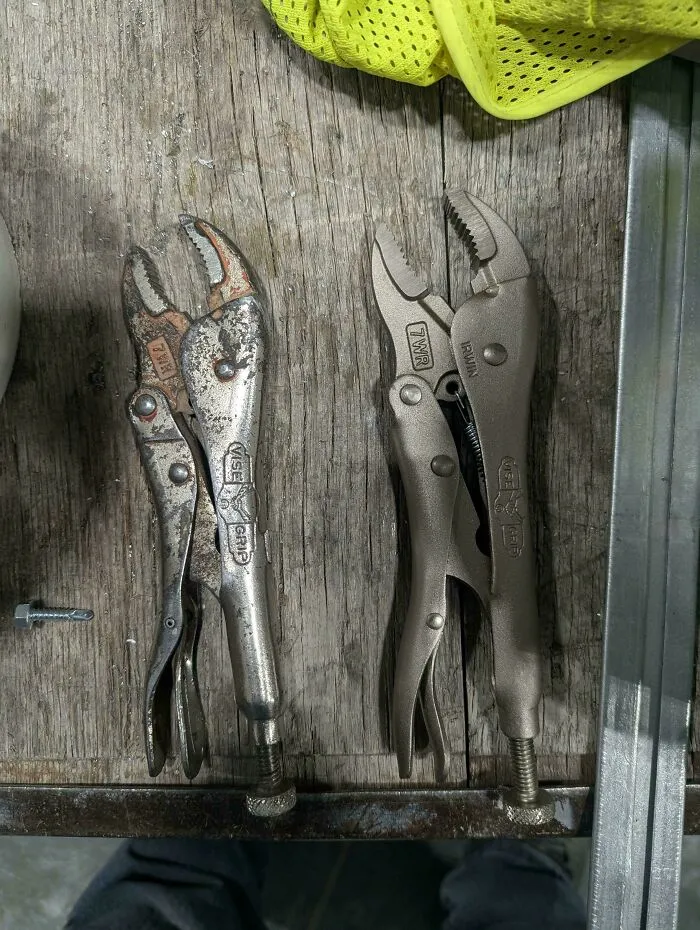
According to Dr. Soomro, high-tech improvements and sophisticated manufacturing are the undoing of the reliable, good-quality appliances of the past. "Modern appliances often rely on complex circuit boards and software, which can be more prone to failure over time than simpler mechanical components," he explained to The Telegraph.
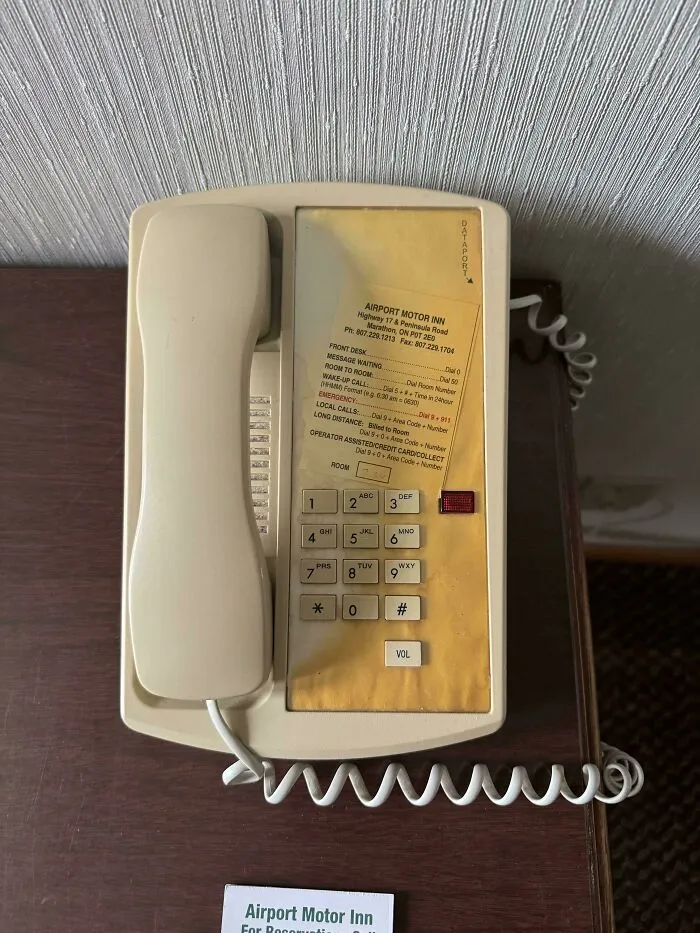
#16 The Sun Damage On This Motel Telephone Avoids The Shadow Of The Phone Itself
Also, people want appliances that don't break the bank, so, manufacturers cut corners and take the low-cost way. "The pressure to keep prices competitive is leading manufacturers to cut corners on materials or simplify designs, potentially impacting long-term durability," Dr. Soomro said. "Overall, it’s fair to say consumers are likely spending more on appliances compared to the last few decades."