





You’ve likely seen or read about “survival tips” when dealing with the threat of an assailant. People would suggest scratching their eyes, kicking their groin, or inflicting some form of damage as much as possible.
Reality, however, paints a grimmer picture. There’s a chance you freeze and get yourself hurt, or worse. This is why most self-defense experts would advise making running away the instinctive reaction during a potential attack.
Today, we’re looking at other well-known “survival tips” that may actually do more harm than good. If any of these have been ingrained in you, now’s the time to start unlearning them.
#21

For snakes, “red touches black, you’re okay jack; red touches yellow, you’re a dead fellow”. While this is true for some specific species in North America, it’s not true for many venomous snakes with similar coloring! So just… don’t grab strange snakes, please.
Report
29points
#22
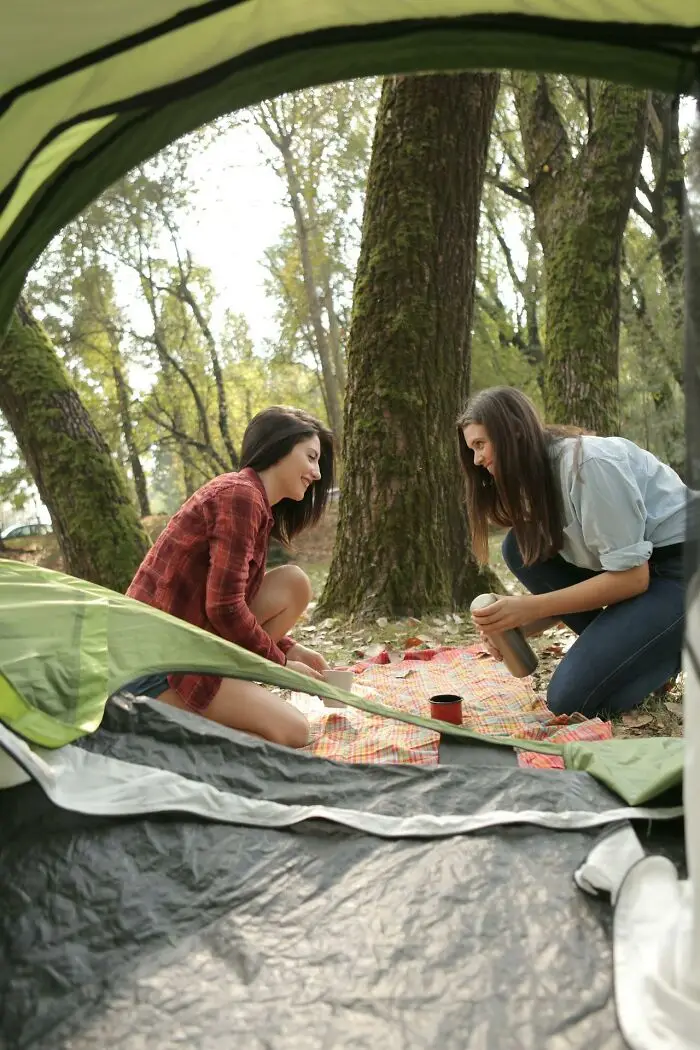
A lot of people think that when you go camping where bears are you should hang your food supplies up in a tree to keep bears from being able to get them.
This is wrong, because your body is bear food and it's in your tent on the ground. What you really need to do is put your food in your car, put your body in your car, and drive home to sleep where bears are not.
This is wrong, because your body is bear food and it's in your tent on the ground. What you really need to do is put your food in your car, put your body in your car, and drive home to sleep where bears are not.
29points
#23
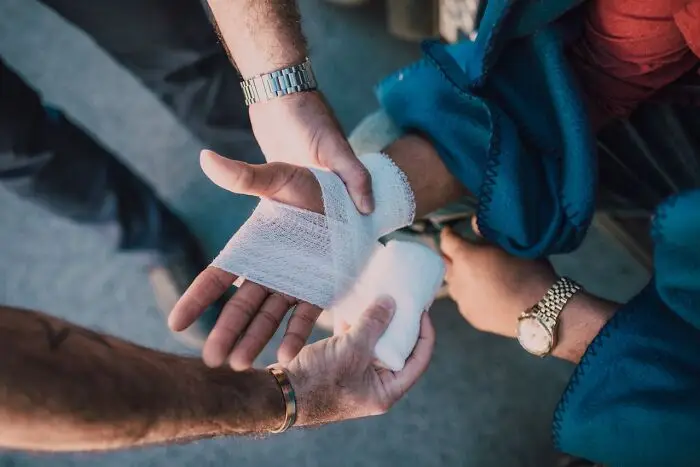
Do not burn yourself to stop the bleeding if wounded, as a medical professional once said: “you’ll just be bleeding AND burned”.
Report
28points
#24
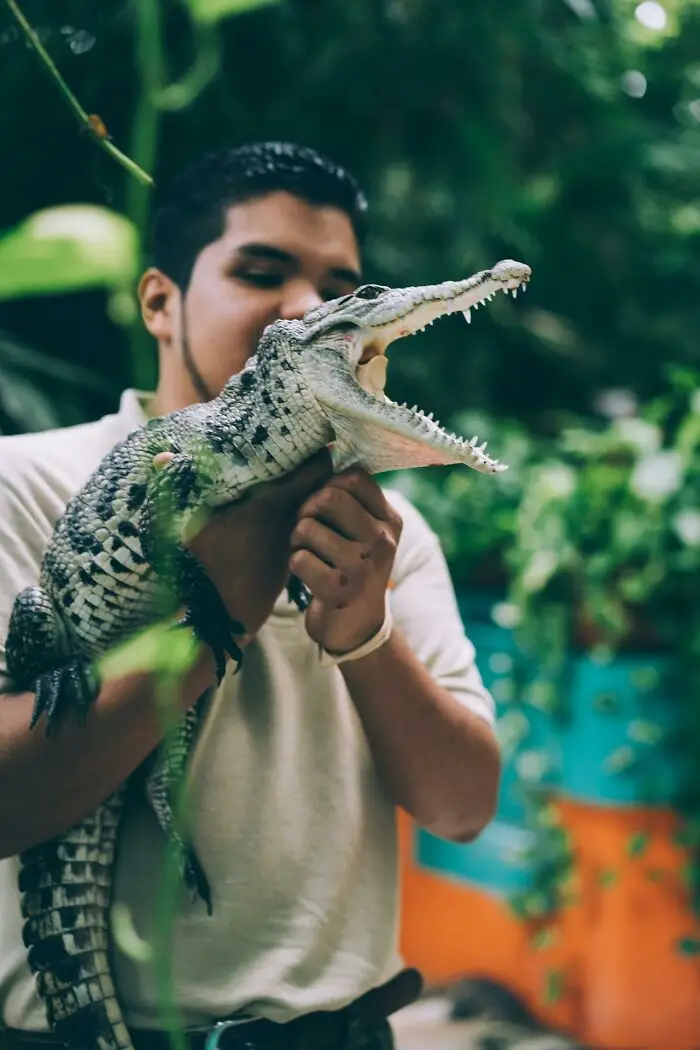
Running in zigzags from an alligator.
While they are surprisingly fast sprinters, running in zigzags is more likely to get you eaten than just running away in a straight line.
That being said, gators rarely try to chase a human other than to defend its nest.
While they are surprisingly fast sprinters, running in zigzags is more likely to get you eaten than just running away in a straight line.
That being said, gators rarely try to chase a human other than to defend its nest.
Report
27points
#25

If you think you're going to be robbed at the bank, then put your PIN into the ATM backward, and it'll send some sort of emergency signal.
This isn't true. Plus, some people may have PINs that are the same forwards and backwards in the first place.
This isn't true. Plus, some people may have PINs that are the same forwards and backwards in the first place.
Report
27points
#26
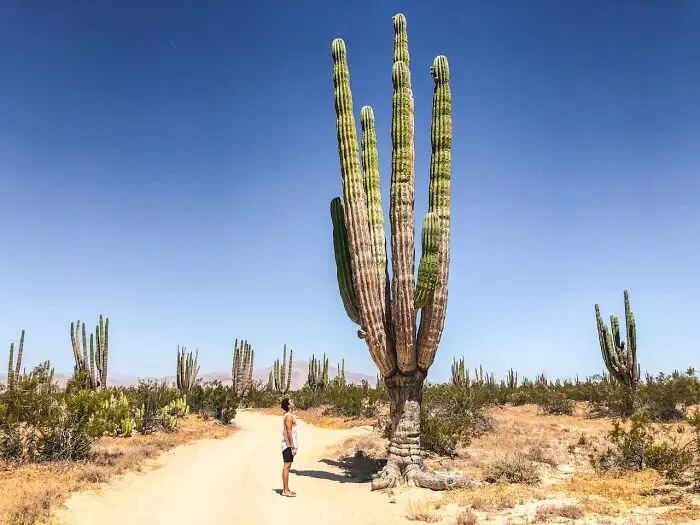
Drinking cactus water.
It will give you diarrhea which will further dehydrate you.
It will give you diarrhea which will further dehydrate you.
Report
26points
#27
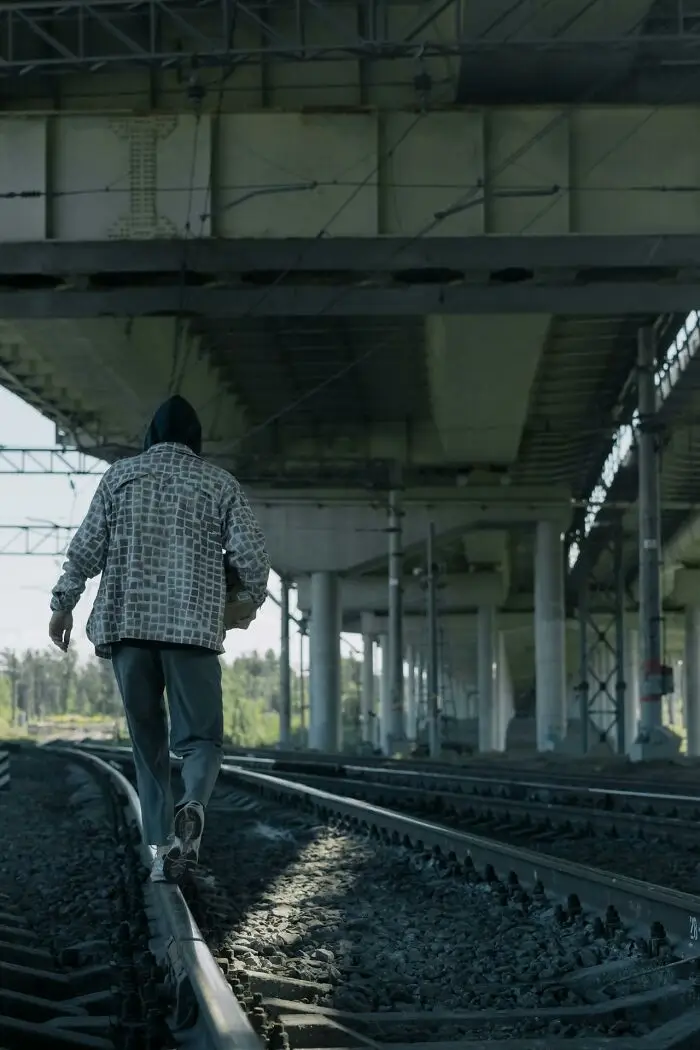
Don’t get under an overpass during a tornado. If you’re in a vehicle and can’t go inside something like a gas station or rest stop you’re better off in a ditch and cover your head. But overpasses/bridges are not a good place to be during a tornado.
Report
26points
#28
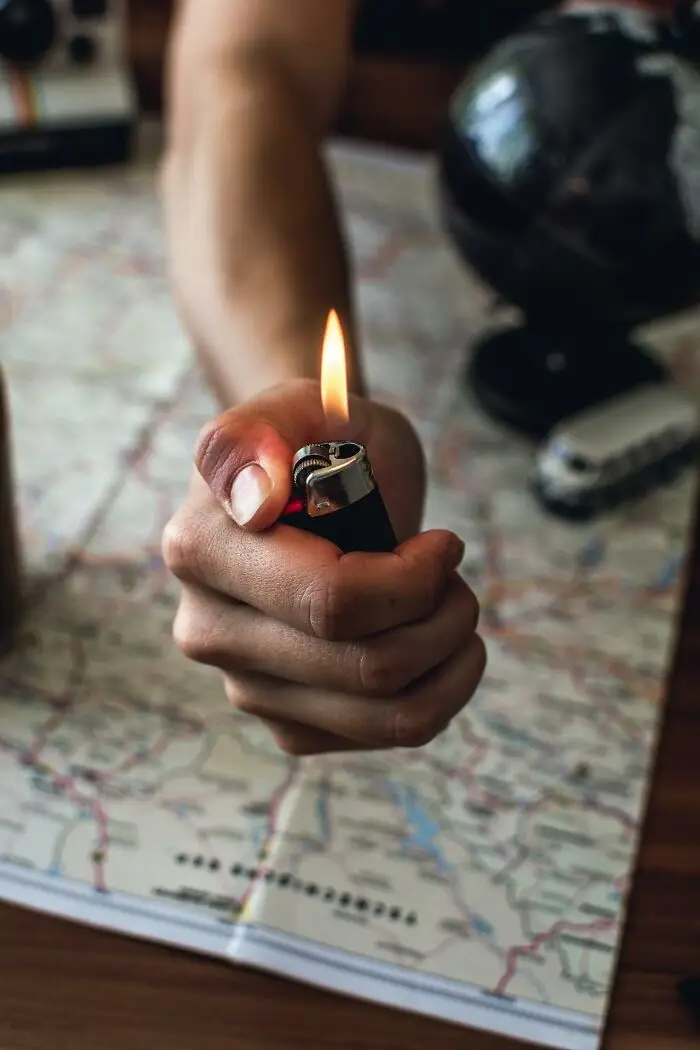
Take an extra bic lighter. You don’t need a flint & steel or a bow drill.
Report
25points
#29
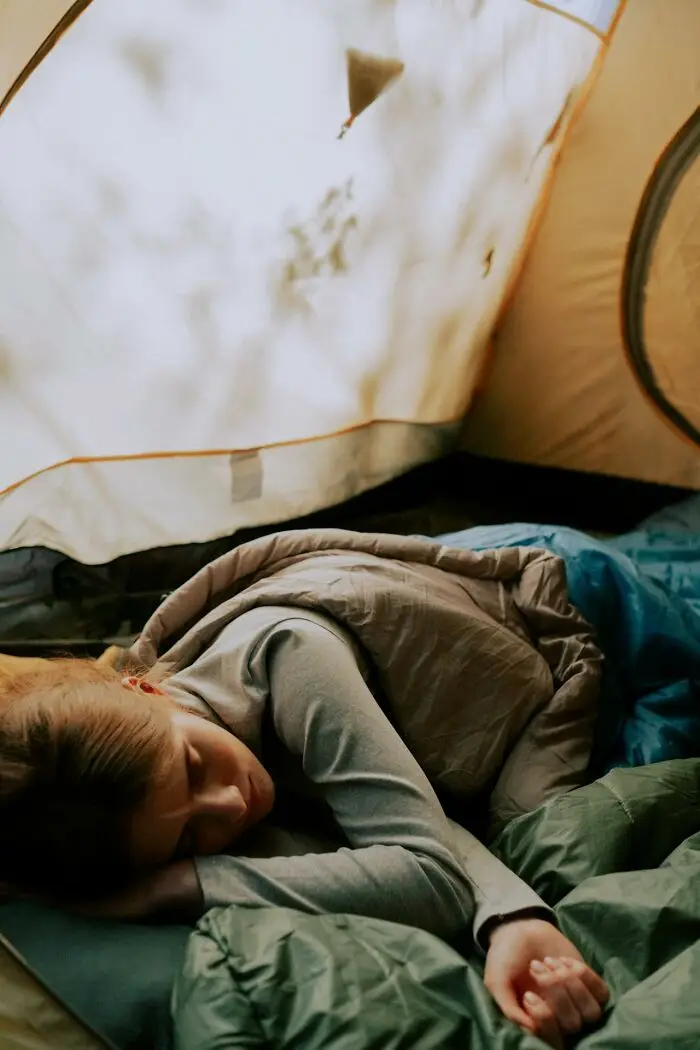
I’m not sure how the myth started, but do not sleep naked in a sleeping bag. Unless you want to I guess. But it will not keep you warmer by “reflecting the heat” or anything like that. Clothing is another, important, layer of insulation.
Report
24points
#30
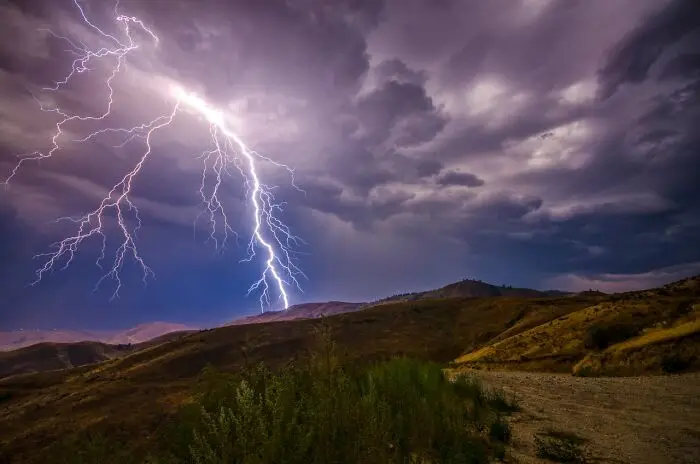
Not a survival tip. Lightning does strike twice (or more) in the same place.
Report
23points
#31
People think "survival" and think about hunting, building a 3 story mansion, creating water filters, and woodworking.
Most actual survival situations is basically getting some snacks, water, and signalling until you are found.
Pretty much the most important part is to just stay put when you realize you are lost, wandering around will make things so much worse.
Most actual survival situations is basically getting some snacks, water, and signalling until you are found.
Pretty much the most important part is to just stay put when you realize you are lost, wandering around will make things so much worse.
Report
23points
#32

That you can get water by c*****g open a cactus and drinking the liquid inside. Unless you are a botanist who can identify the one or two specific types of cactus that are safe, you're going to have a bad time. The fluid in most cacti is full of acids and alkaloids that will make you violently ill. You'll end up vomiting, which will make you lose way more water than you gained and speed up the dehydration process.
Report
22points
#33

Alcohol warms the blood. They used to have giant st bernards with brandy casks around their neck. The dogs would find lost hikers and the brandy would "help them warm up and stay alive" Such a widespread idea that it is still visible in a lot of older cartoons.
Or so they thought.
In fact, the story of the St Bernards is largely a myth as well. Alcohol lowers body temperature and actually causes harm in these situations.
Or so they thought.
In fact, the story of the St Bernards is largely a myth as well. Alcohol lowers body temperature and actually causes harm in these situations.
Report
22points
#34
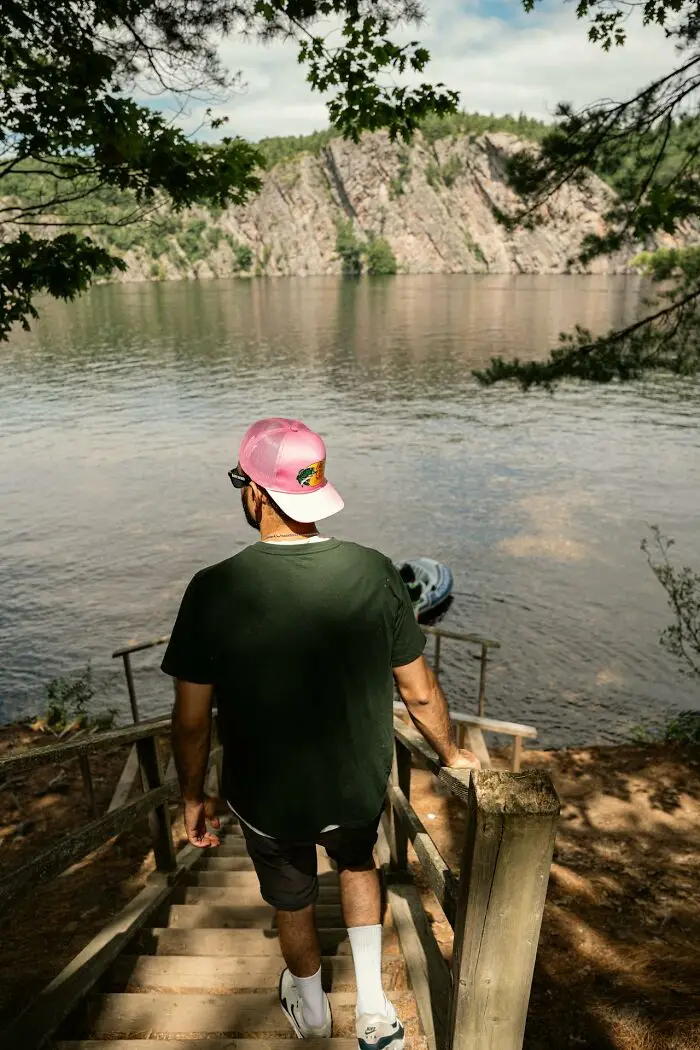
If you find a water source, remember something else is using it too. Some you can eat some can eat you.
Report
22points
#35
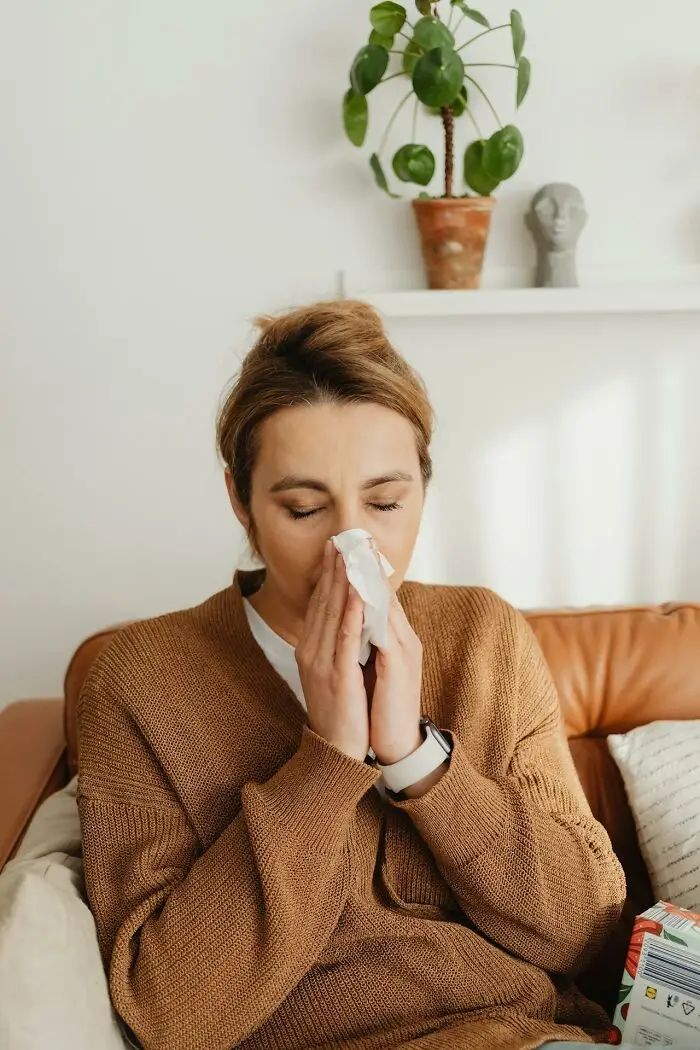
If you have a nosebleed, tilt your head back.
You should really lean forward while pinching the soft part of your nose closed so all the blood doesn’t run down the back of your throat into your stomach and make you vomit. If you have blood in your mouth from this already, spit it out or let it run out.
People love to argue about this and I’ll never understand why.
Report
20points
#36
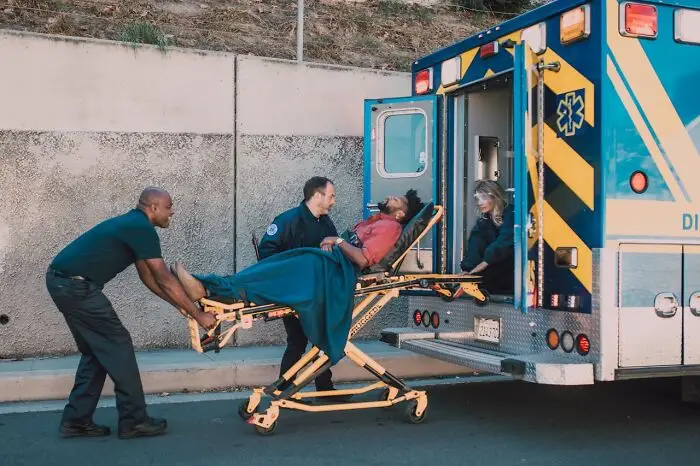
The idea that you should never move someone if you suspect a spinal injury is overstated.
Now they teach that it’s ok to (gently) move someone if you can make them more comfortable or safer. Especially if it will be a while before rescue .
It’s now thought that the initial trauma was enough to cause that damage, or it wasn’t, and gently moving them won’t leave them worse off.
Now they teach that it’s ok to (gently) move someone if you can make them more comfortable or safer. Especially if it will be a while before rescue .
It’s now thought that the initial trauma was enough to cause that damage, or it wasn’t, and gently moving them won’t leave them worse off.
Report
17points

#38
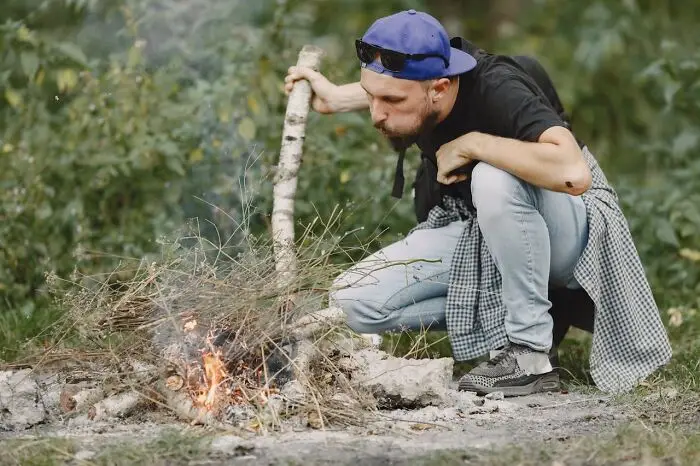
Fire by friction is easy. I can do it after just watching a bunch of youtube videos.
Report
17points
#39
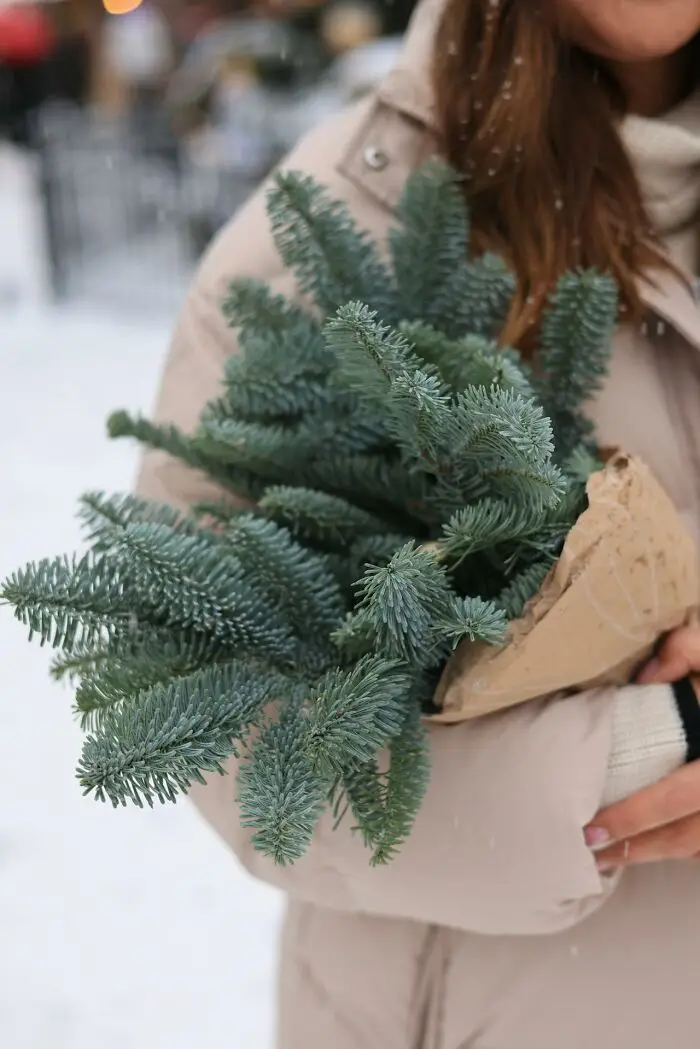
3 feet of pine boughs compresses down to an amount that will keep u warm in an improvised shelter. At -40 take everything and anything.
15points
#40
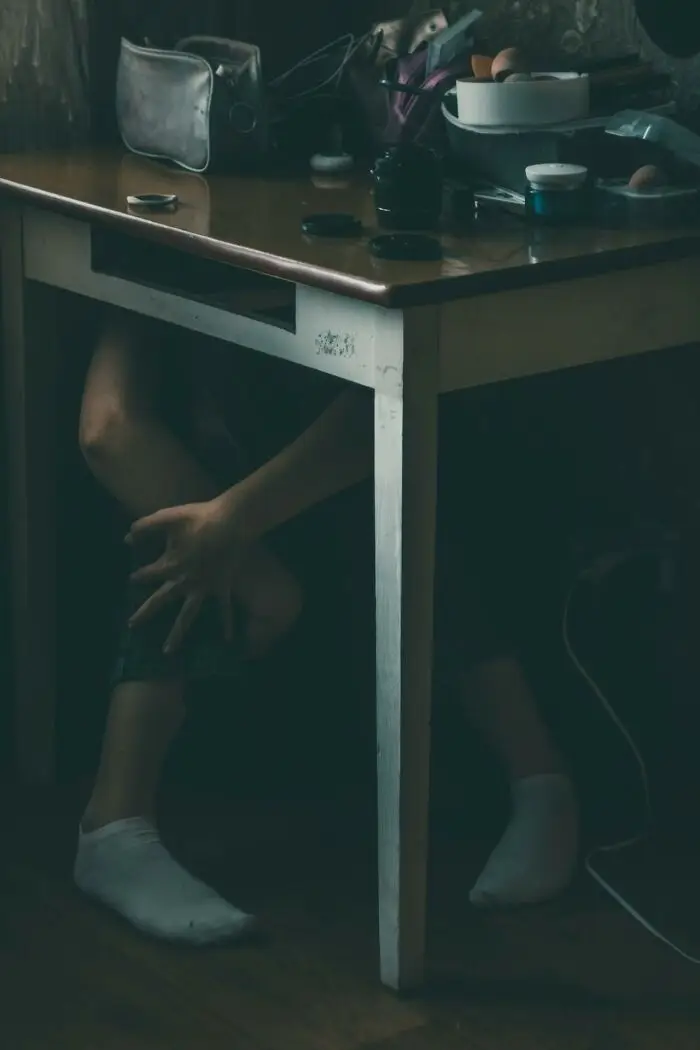
*Do not get in a doorway during an earthquake.* Get under a sturdy table ~~or get down next to something sturdy.~~
~~Rescuers often find still-alive people in what’s called the “triangle of life.” Debris will fall onto the sturdy object and create a triangle-shaped safe zone next to it.~~
Edit: this has apparently changed since I took CERT training. The common advice is to “drop cover and hold on.” Thank you to those who commented!
The doorway thing was only true way back in the day for adobe and brick construction.
Report
15points