







Well, who could even have guessed that absolute kitchen disasters, war shortages, and pure coincidences are to thank for some of our favorite food and drinks we have today? Whether they’re urban legends, popular myths, or happened thousands of years ago, the stories are surely funny and entertaining.
What if originally, corn flakes were the food to eat that would stop you from masturbating, pink lemonade was made out of dirty laundry water that pink tights were rinsed in, and Coke was sold as medicine that perhaps contained cocaine? Most people who set off on the journey of inventing stuff are ready to reach their goal by trial and error and are surprisingly pleased when different end results happen to spark from their concoction. And sometimes experiments are not intentional and occur simply from being in a hurry and trying to come up with the best solution possible in a particular situation, which could mean wiping up a dessert that has fallen on the floor just to realize the lucky invention of a new one.
Not all everyday heroes wear capes; also, some of the inventors have been long forgotten by history (6,000 years is quite some time) or some establishments decided to come up with their own versions, and sometimes even better ones, while claiming the fame of introducing the world to a new gastronomical specialty. Some of these foods and drinks took years to develop and perfect and some of them were simply achieved by accidentally pushing something into hot boiling oil or forgetting it outside on a freezing night.
#21 Granny Smith Apples
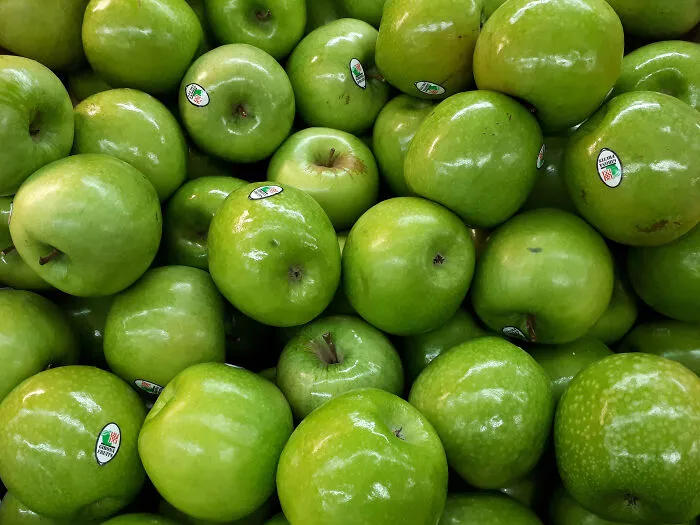
Supposedly it was Maria Ann Smith, who arrived in Australia in the 1830s, who bought too much fruit and it went bad, so she ended up tossing them by the creek close to her property. And although it was French Crabapples that she bought, she noticed that the fruit that grew on the new trees was very different. She patented it and it soon became the most popular cooking apple in the country.
Report
39points
#22 Slurpee
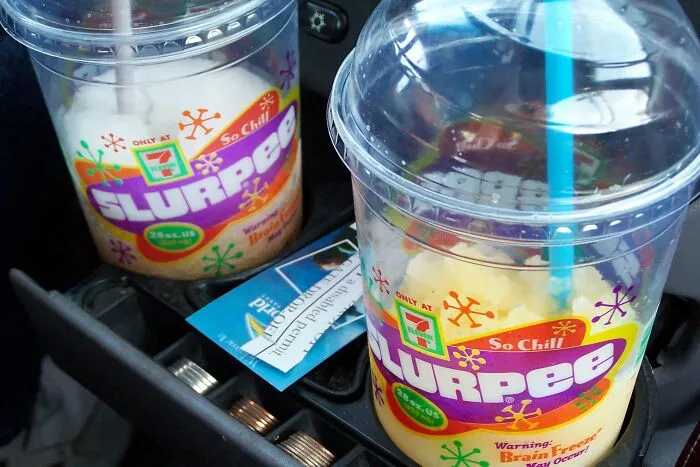
A drink that was even featured in President Obama’s joke (‘Slurpee Summit’) is said to have been invented by accident. Omar Knedlik, an owner of an old Dairy Queen, was improvising after his soda fountain broke and he left the soda bottles in the freezer to stay cool. However, they turned quite slushy, which customers actually loved! He built a machine that would produce a slushy soda drink by mixing some carbon dioxide, water and flavorings. He patented the machine, holding a competition for the name, and soon, ICEE started to be sold to convince stores. It wasn’t until 7-Eleven that the new name Slurpee came about to make it specific to this chain of shops. It was meant to describe the sound made while drinking it through a straw.
Report
35points
#23 Yoghurt
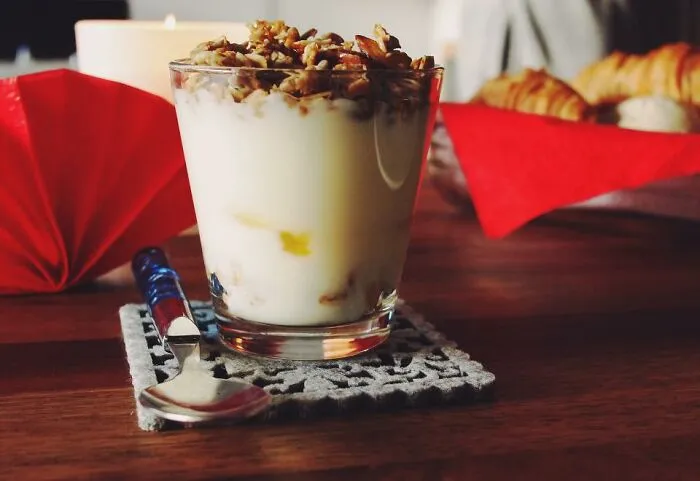
It's apparently thanks to the herdsmen in Central Asia who stored goat’s milk in containers made out of different animal stomachs 8,000 years ago that the substance would curdle and the fermenting of good bacteria would add this tart flavor to it and preserve it. This way, you can imagine what Genghis Khan would potentially have had for breakfast.
Report
35points
#24 Tofu
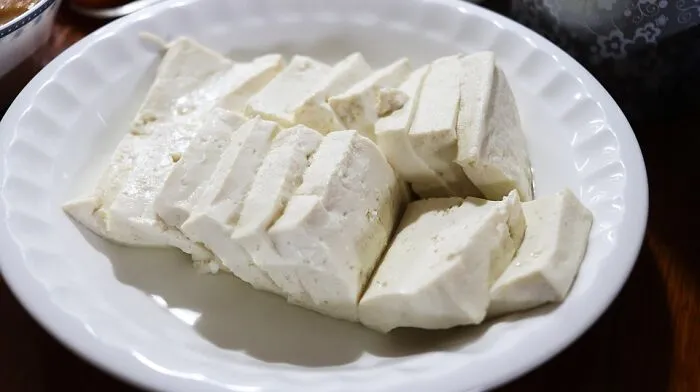
Thanks to myths and the clumsiness of this cook in ancient China accidentally mixing this natural coagulant called nigari into soybean milk, the ancient Chinese began to make tofu - bean curd - a food item particularly enjoyed by anyone preferring plant-based meals. Although it started in China 2,000 years ago, tofu only reached western kitchens in the 20th century.
Report
34points
#25 Crepes Suzette
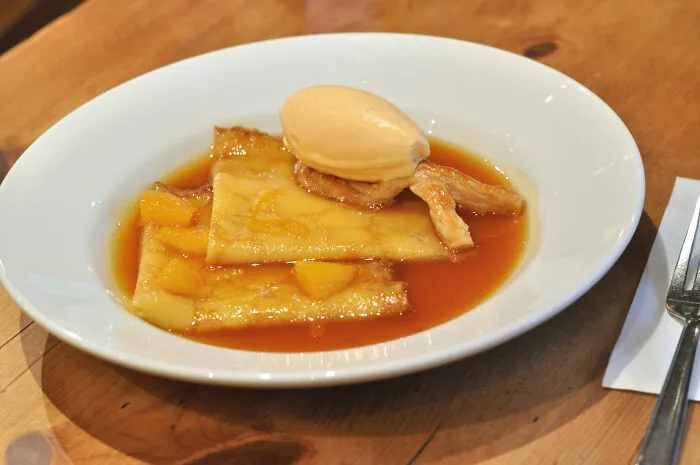
In his biography, Henri Charpentier claims accidentally inventing crêpes Suzette in 1895 at the age of 14, serving no one else but the Prince of Wales, who later became King Edward VII. Henri was working in front of a chafing dish and the cordials accidentally caught on fire, setting the crepes ablaze. The young boy didn’t want The Prince to wait, so he served the dish anyway. The Prince liked it so much that he even requested that the now quite well-known dessert be named after a lady who was present that day.
Report
33points
#26 Blue Cheese
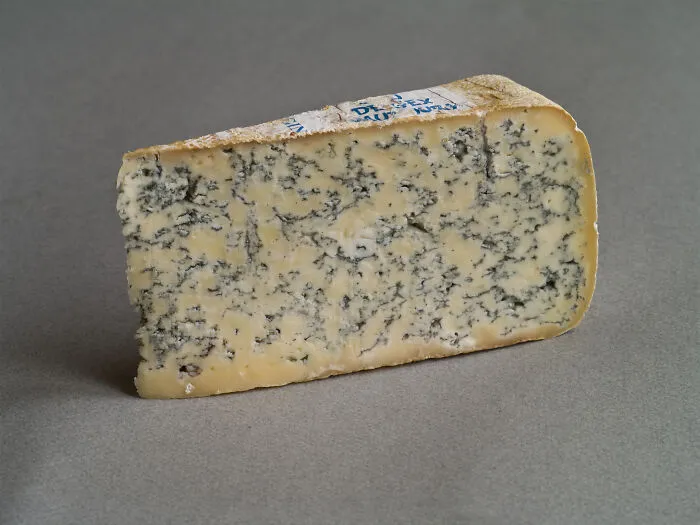
It’s not hard to believe that it was simply a forgotten cheese! In the 7th century, a scatterbrained shepherd in the village of Roquefort, France, forgot his lunch in a cave. He returned several months later to the same cave only to find the cheese infested with penicillium roqueforti, a mold that was growing there. Nowadays, the natural mold culture is simply added to the cheese milk.
Report
32points
#27 Champagne

A complete coincidence was that wine makers in France’s Champagne region wanted to compete with Burgundy wines. However, the cold winters in the region would cause the wine to stop fermenting and resume the process in the spring, when the yeast would come alive and start fermenting only to release carbon dioxide gas that would pop the weak bottles. By adjusting the glassware accordingly, winemakers managed to keep the bottles intact and today, we have something bubbly to drink on NYE!
Report
31points
#28 Nashville Hot Chicken
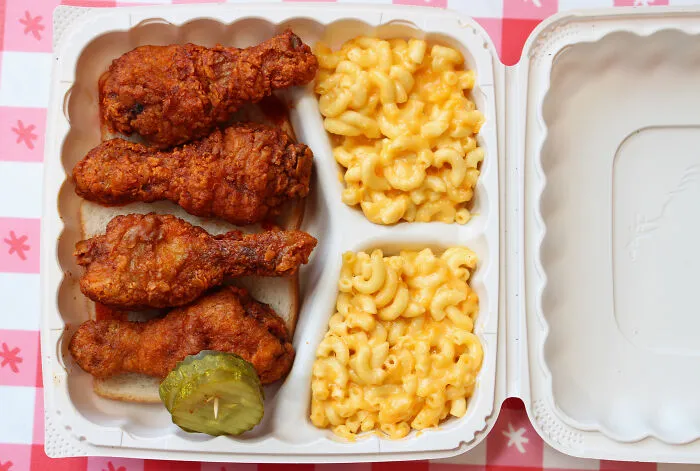
Although revenge is a dish served cold, in this case, it was meant to fire up Thornton Prince III's mouth after his girlfriend at that time was angry upon learning about his late-night adventures with other women. She prepared him a fried chicken breast for breakfast with an extreme amount of pepper. But Thornton liked it so much that in the mid-1930s, he opened his BBQ Chicken Shack cafe, serving his own recipe inspired by the event.
Report
31points
#29 Fortified Wine
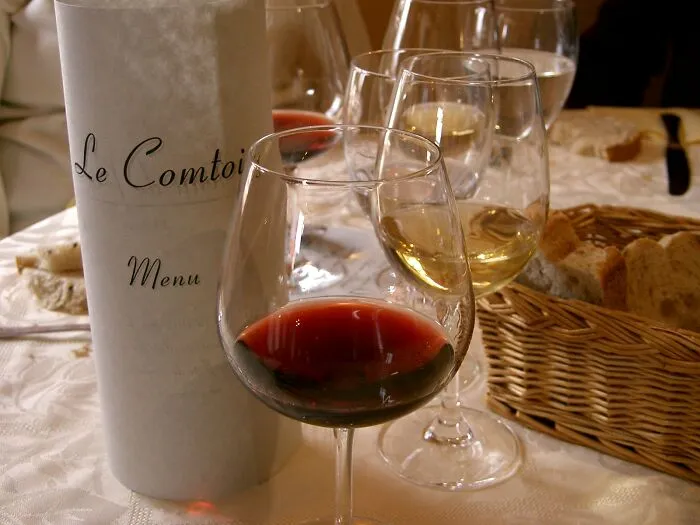
Seems that on long sea voyages circumnavigating the globe due to growing trade in the 16th and 17th century, European wines weren’t able to remain unspoiled. The clever winemakers fortified the wine by adding brandy to stabilize it and preparing it to withstand the temperature differences.
Report
31points
#30 Buffalo Wings
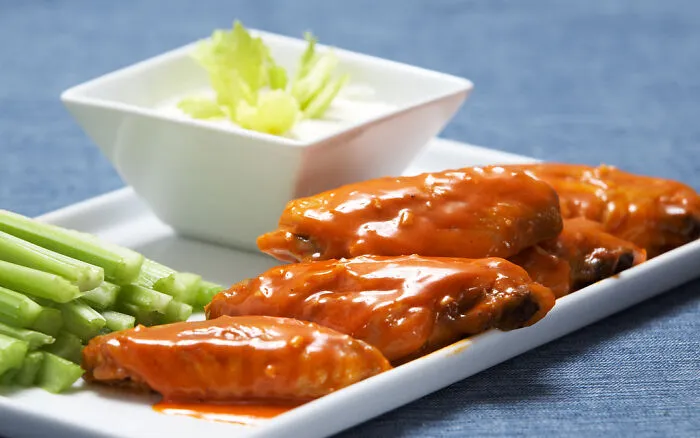
Mouth-watering chicken wings served with a side of blue cheese sauce and celery sticks? Yes please. One out of at least two different versions claims that at The Anchor Bar, situated in Buffalo, NY, Teresa Bellismo received a shipment of chicken wings and not the chicken necks she thought she'd ordered initially - nothing went to waste and she fried them up and tossed them in her signature sauce.
Report
31points
#31 Chewing Gum
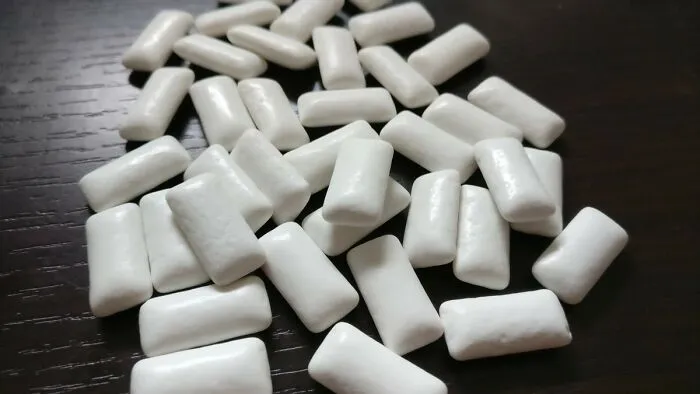
Although chewing gum was around the Mayas and Aztecs as chicle, a natural rubbery substance extracted from sapodilla trees in Mexico and Central America, it wasn’t until Thomas Adams Sr. got a supply of chicle through an exiled Mexican President that he tried to convert the chicle to some useful industrial substance, only to notice that when boiled and formed into pieces, it sold better as a chewing gum.
Report
28points
#32 Corn Flakes
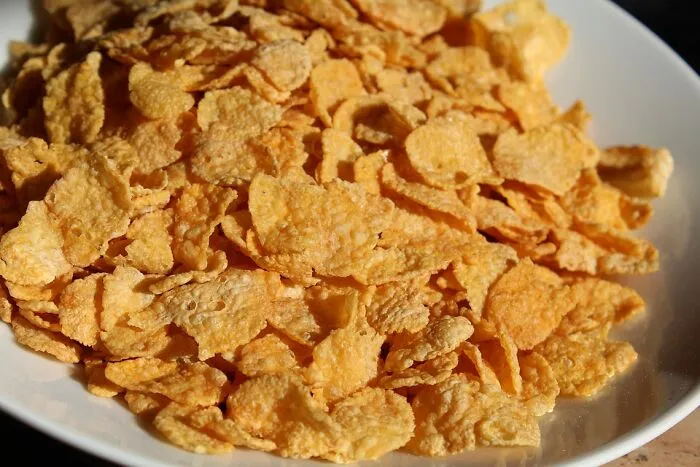
This is a serious one, as originally, upon their invention, corn flakes were said to be a part of food diet that potentially suppressed masturbation and sexual desire. Two brothers. Dr. John Harvey Kellogg and Will Keith ‘WK’ Kellogg, in their health spa and sanitarium, being strict Seventh-Day Adventists, propagated vegetarianism and were constantly coming up with new recipes for the most bland food possible - no seasoning and no meats involved were supposed to reduce clients' desire for sex and, of course, stop the need for the ‘self - pollution’ of masturbation. They left boiled wheat for too long and as it came out in flakes that they then simply toasted. Later experimenting with other grains, they came up with the corn flakes that were soon favorites of famous sanitarium guests such as Amelia Earhart, Henry Ford, Mary Todd Lincoln, and others. To this day, Kellogg’s brand is probably the most famous one, fetching the company over $13 billion in 2015 alone.
Report
27points
#33 Artificial Sweetener
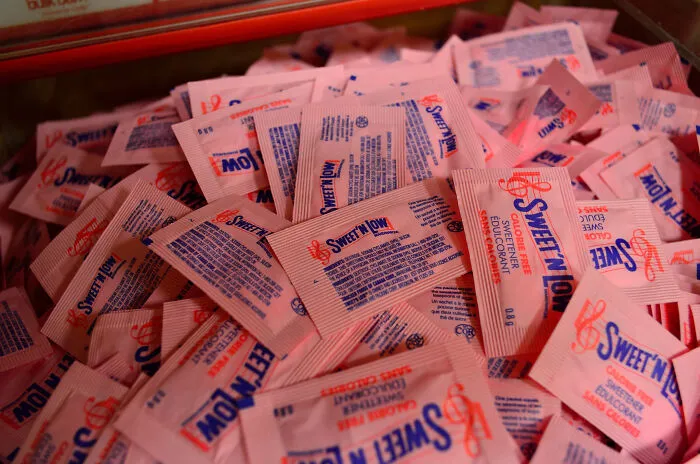
Constantin Fahlberg, a chemist at Johns Hopkins University in 1879, probably forgot to wash his hands upon returning home after work and noticed a sweet taste on some part of his palm. It was connected to overboiled sulfobenzoic acid, phosphorus chloride, and ammonia - Constantin tested the compound and, upon returning to Germany, started producing artificial sweetener: Saccharin.
23points
#34 Raisins
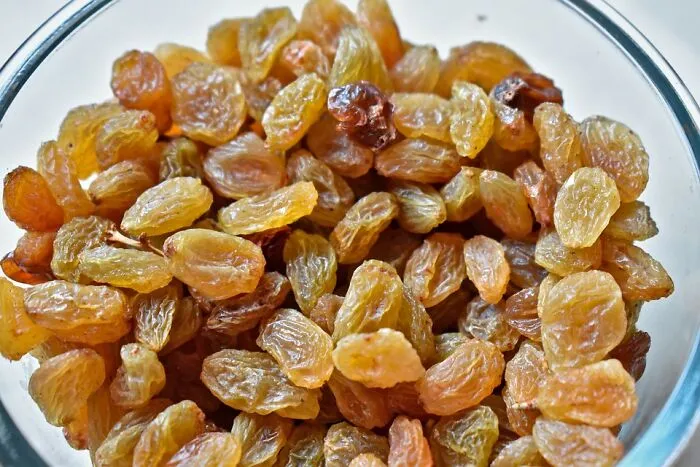
Who would have thought that raisins were originally used as a decoration around 2000 BC by inhabitants in the Mediterranean? It probably took over a thousand years for people to put a dried grape in their mouth and realize that perhaps it was ok to use them dried as well as cultivating them for winemaking.
Report
22points
#35 Bakewell Pudding
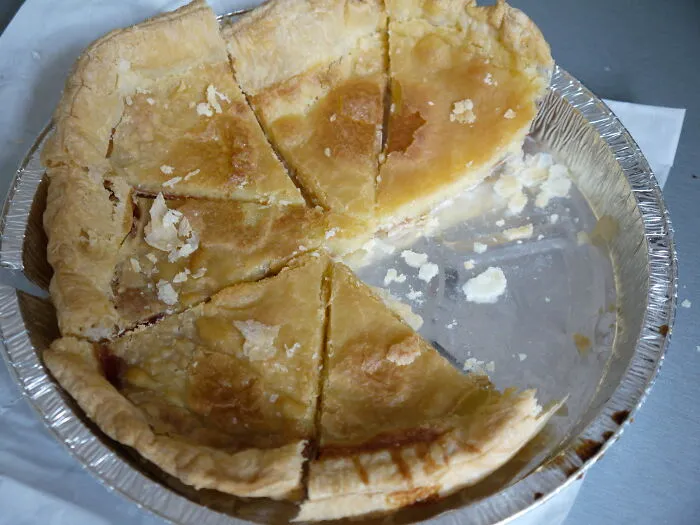
Although the origins of this English dessert are not fully known, legend has it that in the town of Bakewell (obviously) in 1820, Mrs. Greaves' cook at the White Horse Inn didn’t properly understand the recipe and instead of stirring the egg and almond paste into the pastry, ended up spreading it on top of the jam. The baked concoction set like egg custard and soon became the patrons' favorite dessert.
Report
21points