





#1
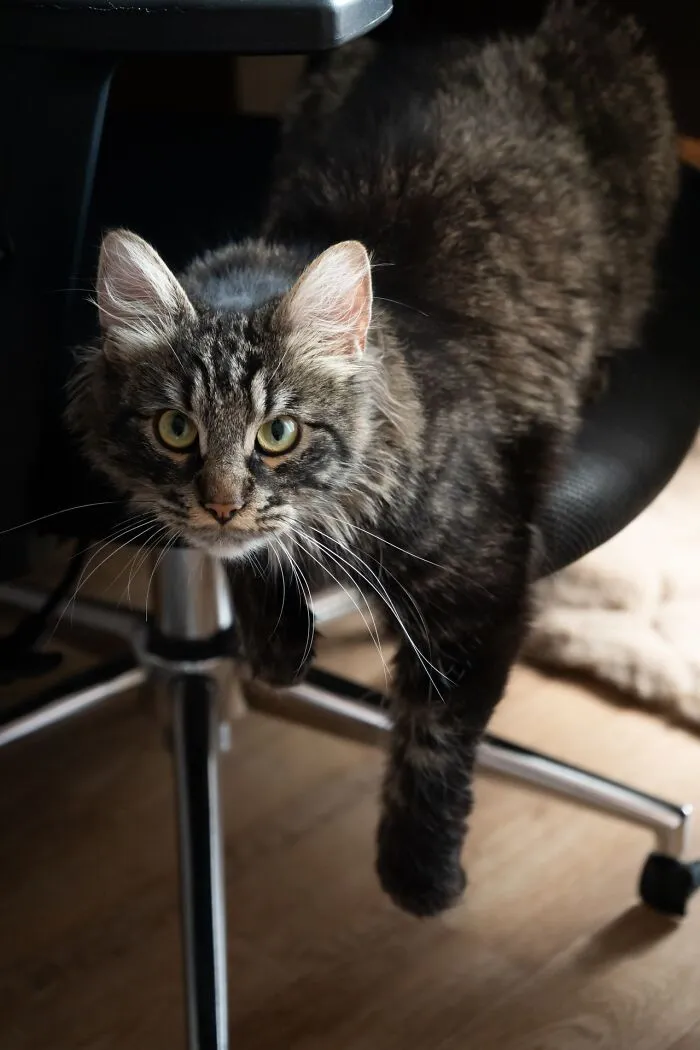
I really miss that clinic cat.
Someone once said, "Let your weird light shine bright so that the other weirdos know where to find you..." And clearly, certain people didn't need a second invitation.
But is that really such a bad thing? Not at all, say some experts.
"What we call 'weirdness' is often not a pathology but a sign of a more differentiated inner experience," says Dr. Sergi Rufi, a psychologist, psychotherapist, and author. "These individuals tend to show higher emotional sensitivity, greater awareness of their internal states, a lower tolerance for superficial interactions, and a stronger need for coherence between what they feel and how they live."
#2
#3
Rufi explains that people who are often deemed 'weird' are less adapted to social norms but often more connected to their direct experience. However, society has a tendency to favor adaptation over depth. So the more a person adjusts, says Rufi, the easier they are to integrate socially.
"The more a person feels, perceives, or questions," he adds, "the more likely they are to experience friction with their surroundings."
#4

#5
#6
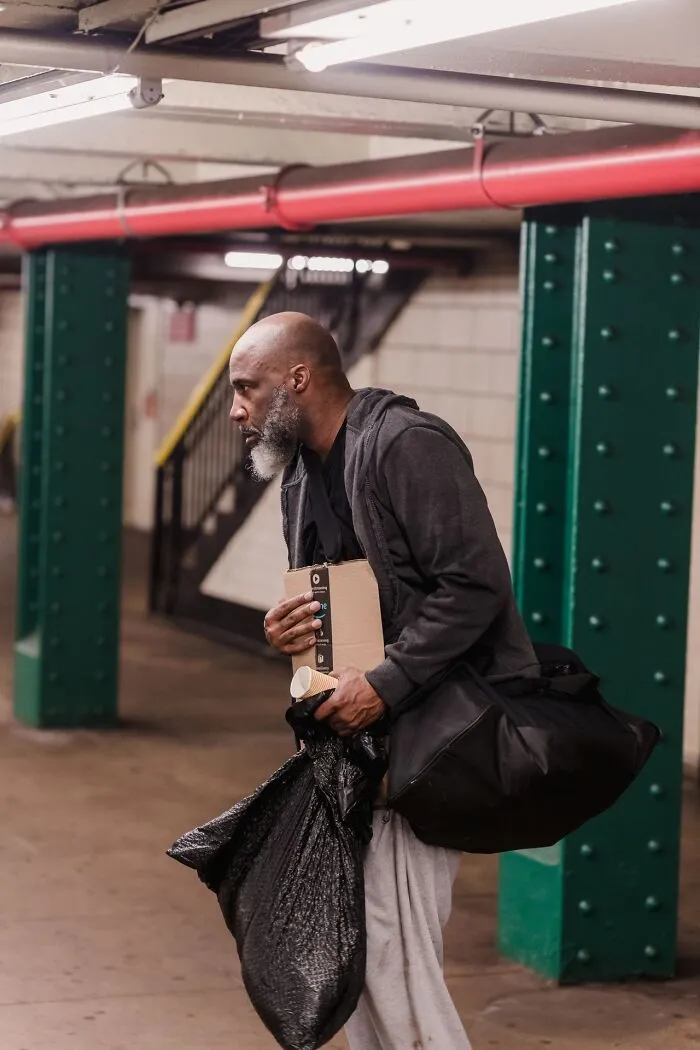
When I got up to my office floor there was the homeless man. He was one of the attorneys in my office and it was his first day. The homeless clothes he wore were his “train riding clothes.”
I secretly called him “homeless lawyer.”
Jessica Hagy is an artist and the brains behind the books The Hustle Economy, The Art of War Visualized, How to be Interesting, and the blog Indexed. To Hagy, being weird means being noticeably different.
"It means being or doing something that makes other people stare, or laugh, applaud, or boo. And it’s something we all need to cultivate," the artist says. Hagy believes that one of the benefits to being weird is that you have less competition. That's because by its very definition, weirdness is a deviation from the norm, or the opposite of a commodity.
"Weird makes its own markets. Weirdness makes its own rules. Weirdness provides breathing room and leverage," Hagy writes.
#7

#8
#9
Another upside to being weird, according to Hagy, is that you have more freedom.
"When you’re not trying to fit in, you’re free to stand out," explains the artist. "Standouts, if you hadn’t noticed, command respect and attention. Sometimes stepping out of line means you don’t have to wait to do what you always wanted to."
#10

#11

A woman at the office got word that her grandmother passed away, and while everyone else was consoling her, a young male colleague piped in and asked “do you know what they are going to do with her mattress?”
#12
Like Hagy, Rufi believes that weirdness is not something to eliminate but rather, to understand and embrace.
"The goal is not to become more normal, nor is it to build an identity around being different," the psychologist explains. "The question is simpler and more demanding at the same time: Can a person allow themselves to see clearly what they are, without immediately trying to change it?"
#13

#14
Two things:
1. In Canada, this is pretty much standard for all houses except some rare instances/occasions in my experience
2. The guy was a MF-ing immigrant.
Lots of other examples, but that one really sticks out.
#15
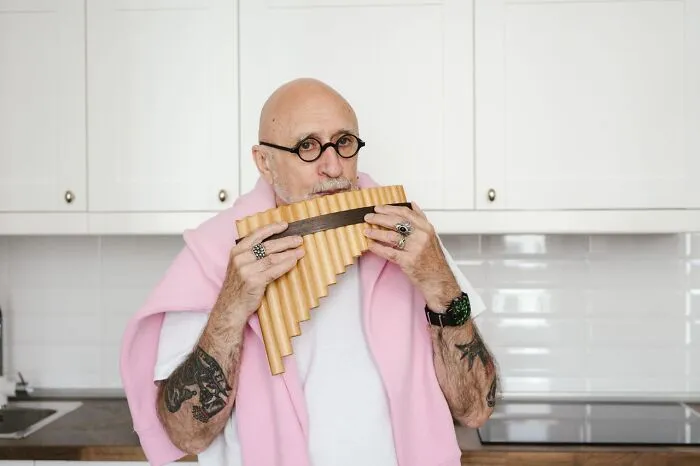
I had another manager who dyed himself blue for burning man, but couldn’t get the blue off, so he was just blue for a week at work. He also ran for mayor of our college town under the platform that he was “the Party King of Davis.” Oh, and he also gave himself scurvy one time, just to see if he could.
#16
#17

#18

#19
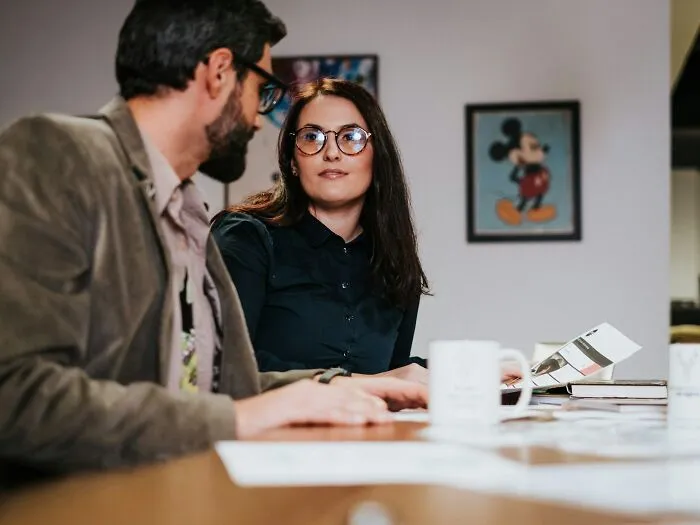
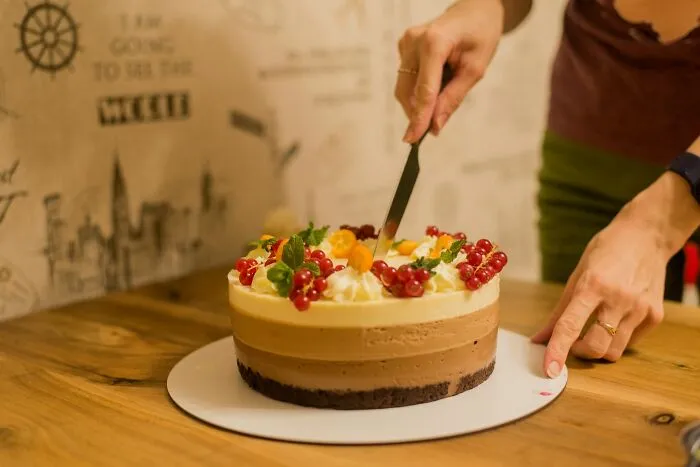
He looked at her blankly. " Oh I don't wash them. I just buy a new set every 6 months"......
#20
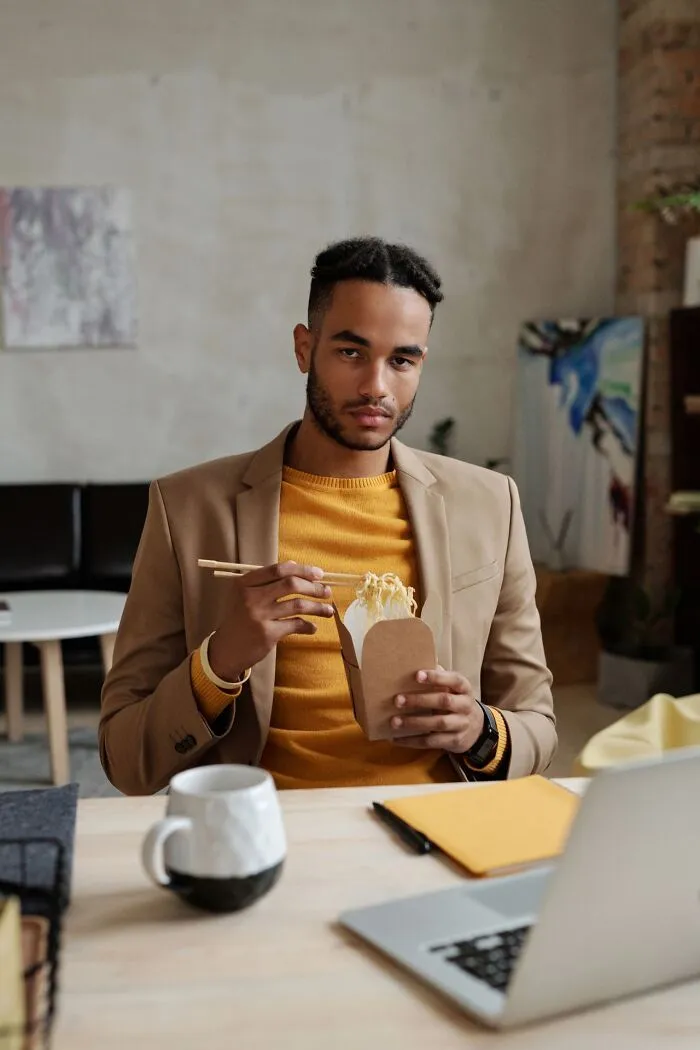
One day, I walked into the kitchen and saw him enjoying MY lunch - opened my box and was casually eating my food.
I approached him and asked, “Did you bring this to the office? If not, why the hell are you eating it?!”
And he looked at me completely unbothered and said, “It’s in the shared fridge, so I consider everything in there shared.”
What a weirdo.