



#1

#2

#3

“Is he crazy? He goes to therapy, you know.” It may sound unbelievable today, but comments like these were once common when someone admitted to seeing a therapist. For years, therapy was surrounded by stigma, and many people wrongly assumed that seeking professional help meant something was seriously “wrong” with them. Thankfully, attitudes toward mental health have changed considerably over the past few decades. Conversations around anxiety, depression, trauma, stress, and emotional well-being have become more open, while awareness of (and access to) mental health services has continued to grow. The increasing number of people seeking therapy also reflects this important shift.
#4

#5

#6

In the United States, around 60 million adults received mental health treatment or counselling in 2023. Women are also more likely than men to seek professional support. In 2021, roughly 21% of adult women in the country had received some form of mental health treatment during the previous year, making them nearly twice as likely as men to do so. These figures do not necessarily mean that women experience more mental health challenges. Instead, they may suggest that women are often more willing to seek help, discuss emotional concerns, or access professional support when they need it.
#7

#8

#9

Similar trends can be seen in the United Kingdom. According to an annual Public Perceptions Survey, nearly one in three young adults aged 16 to 24 (around 30%) said they had seen a counsellor or psychotherapist at some point in their lives. Overall, more than a third of people surveyed, or 37%, reported having attended therapy, up from 35% the previous year. The experience also appeared to be positive for many: 72% of people who had received therapy said they found it helpful, while 76% said they would recommend it to someone else.
#10

#11

#12

Dr. Lisa Morrison, Director of Professional Standards, Policy and Research in the UK, highlighted the important role that counselling and psychotherapy can play in people’s lives. She explained that good-quality therapy can provide a safe, confidential, and non-judgmental space where people can openly discuss their concerns. Having the opportunity to speak honestly, feel heard, and explore difficult emotions with a trained professional can be valuable, especially when someone is struggling to make sense of their experiences or cope with a challenging period in life.
#13

#14

#15

Of course, people seek therapy for many different reasons. Anxiety disorders are among the most common mental health concerns, affecting an estimated 19.1% of adults in the United States, while depression affects around 8.3%. Other conditions that may lead people to seek professional support include post-traumatic stress disorder, bipolar disorder, borderline personality disorder, and obsessive-compulsive disorder. However, therapy is not only for people living with a diagnosed mental health condition. Many people also attend counselling to navigate grief, relationship difficulties, major life changes, work-related stress, family conflict, or feelings they simply find difficult to manage on their own.
#16

#17

#18
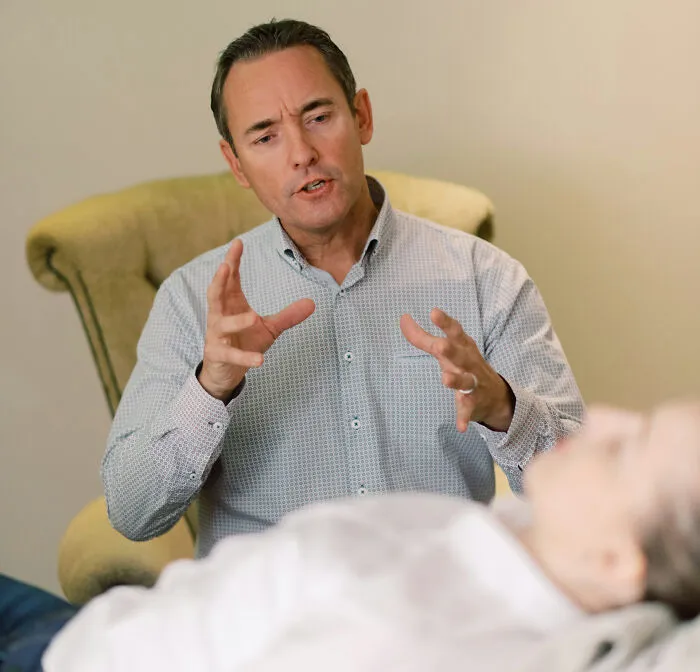
Therapy can also offer benefits that extend beyond addressing a particular problem. It may help people develop greater self-awareness and better understand how their emotions, past experiences, beliefs, and behaviour influence their everyday lives. Working with a therapist can also help individuals build healthier coping strategies, identify unhelpful thought patterns, communicate more effectively, and approach conflict in a more constructive way. While therapy is not a quick fix—and progress can sometimes feel slow or uncomfortable—it can give people valuable tools for understanding themselves and handling life’s challenges.
#19

#20