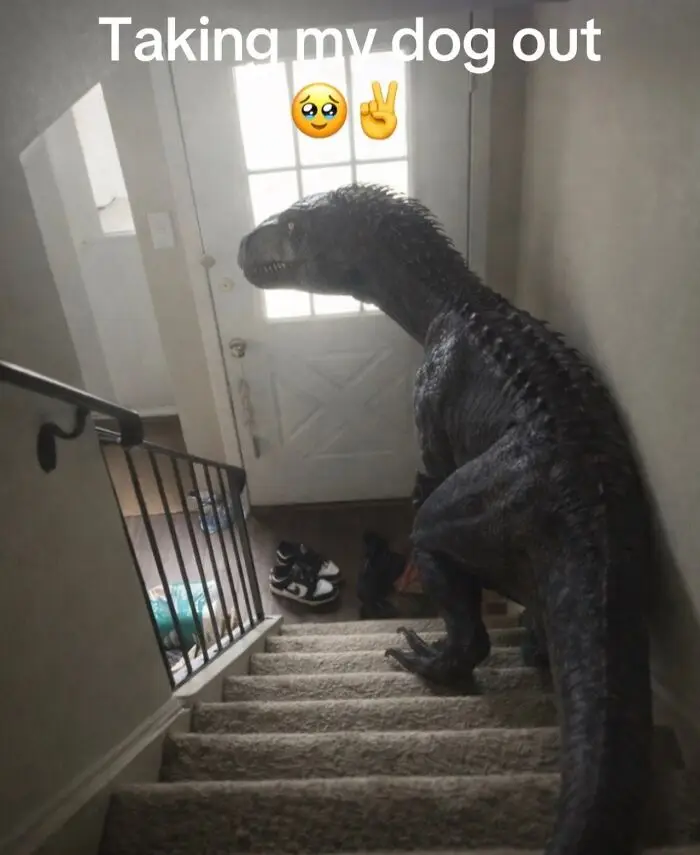


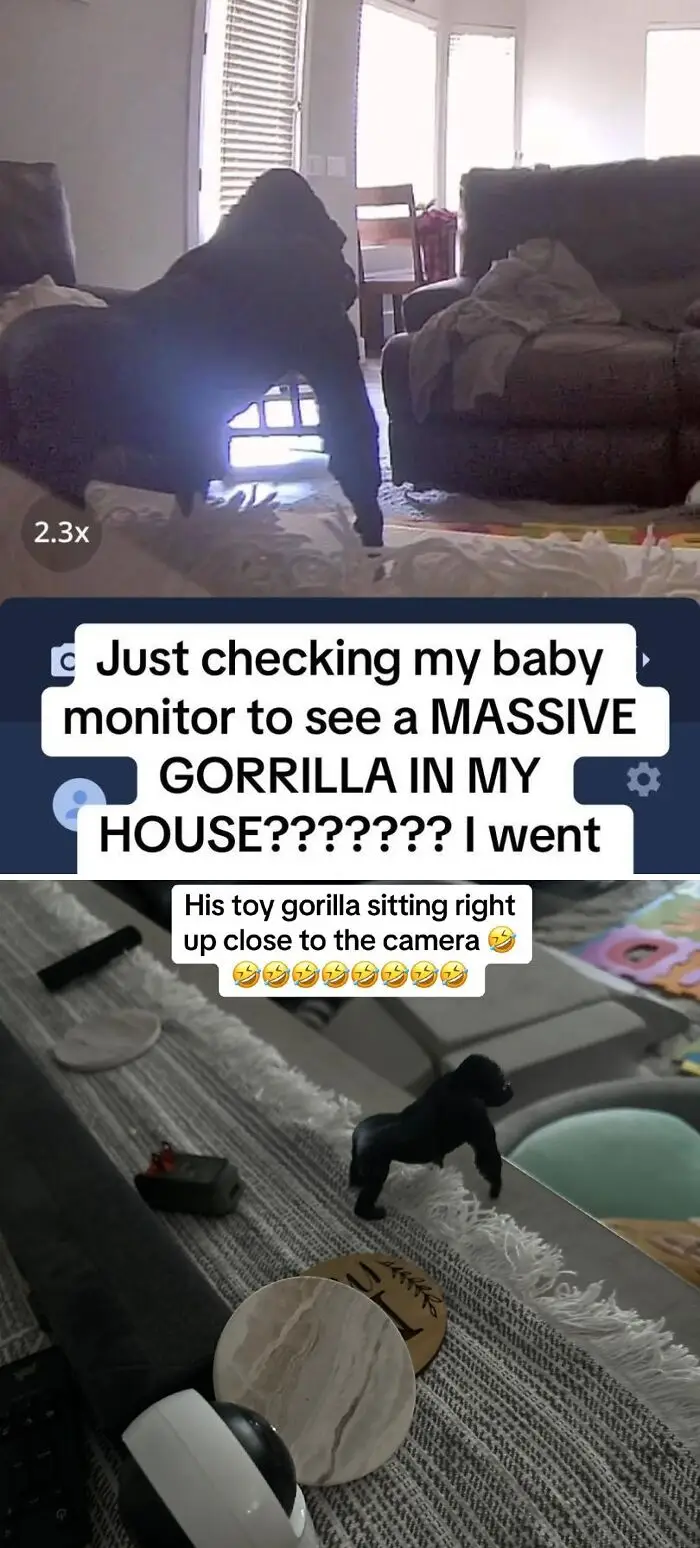
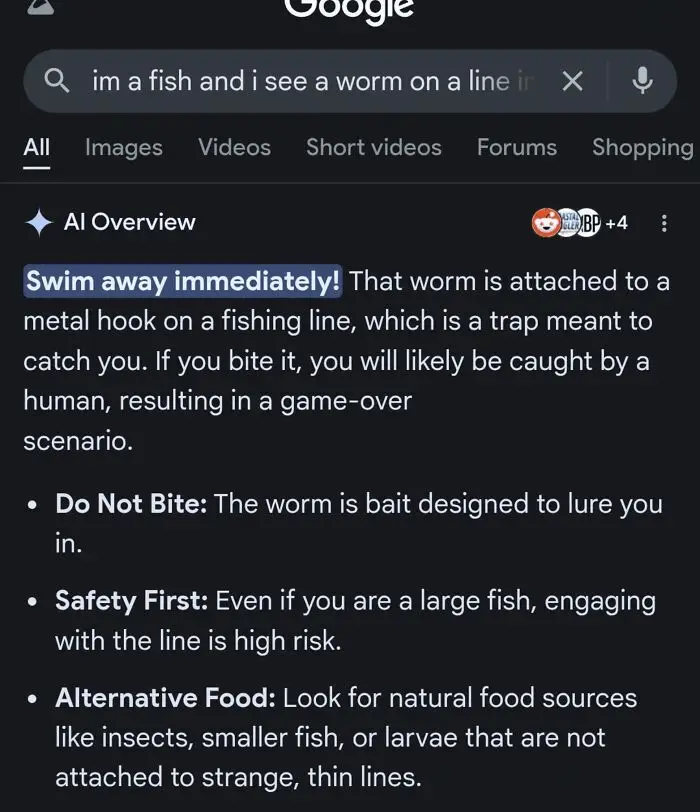

Just like we’ve mentioned, we do love a good dose of dopamine. Everything we do and everything we see is, in some way, an attempt to get that chemical hit in our brains, and looking at memes is no different.
As it turns out, a study published by the American Psychological Association (APA) found that looking at memes can actually help people cope with everyday stress and negative news cycles. This is because memes let the brain reframe distressing, chaotic situations through a lighter, less detached lens.
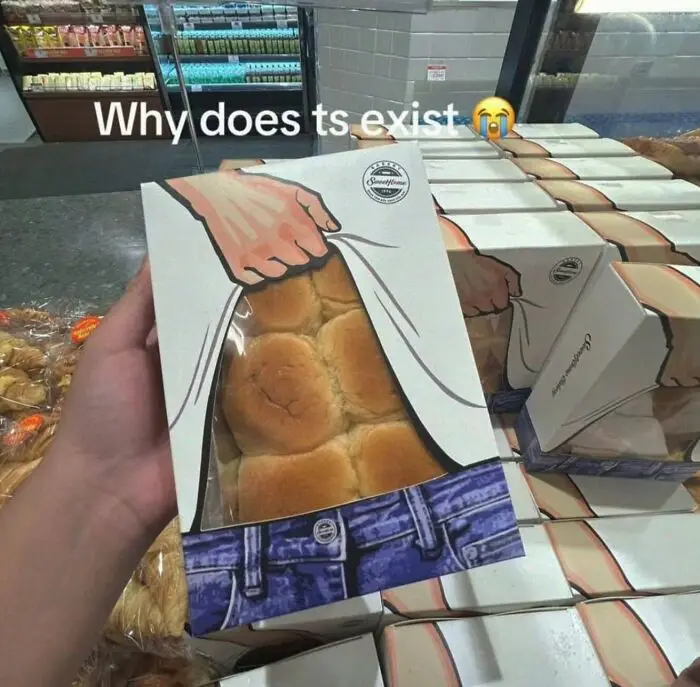


And it's no coincidence that we've all heard the saying, "laughter is the best medicine." Of course, most of us probably think it's nothing more than an old saying people came up with to cope with life's challenges, but it turns out there's actually some truth to it.
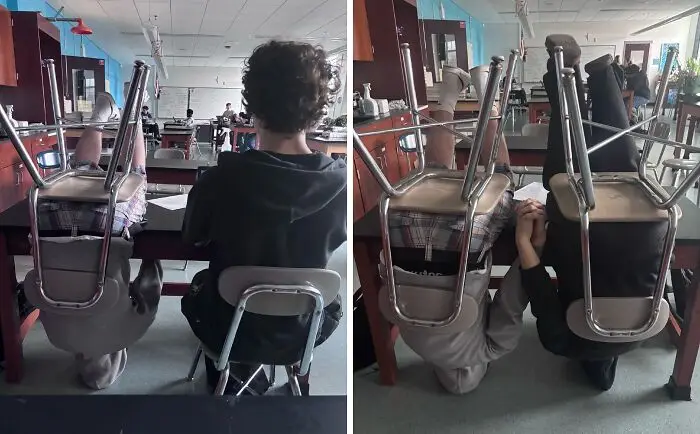
Studies show that laughing at absurd situations triggers the release of endorphins and dopamine while lowering cortisol, the body's primary stress hormone. In fact, this response is sometimes called "gallows humor" or "gallows coping." So, when we come across bizarre and chaotic everyday photos and moments, we're reminded that we're not the only ones dealing with life's absurdities.




These memes, which give us that much-needed endorphin boost, are so popular that millions of people seek them out every day. And it's not just your average Gen Z user sharing these images with friends, either.
According to Meta research, which gathered data across all its platforms, over 1 million memes are shared daily on Instagram alone through direct messages and Stories. Essentially, this shows that absurd images and jokes have almost replaced traditional small talk for people who regularly use social media. It's our love language.
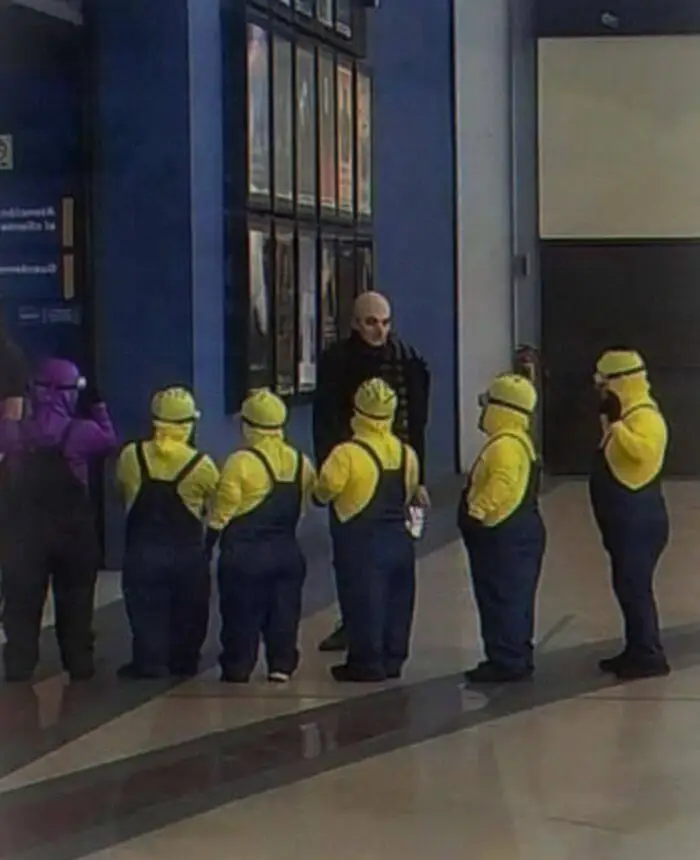



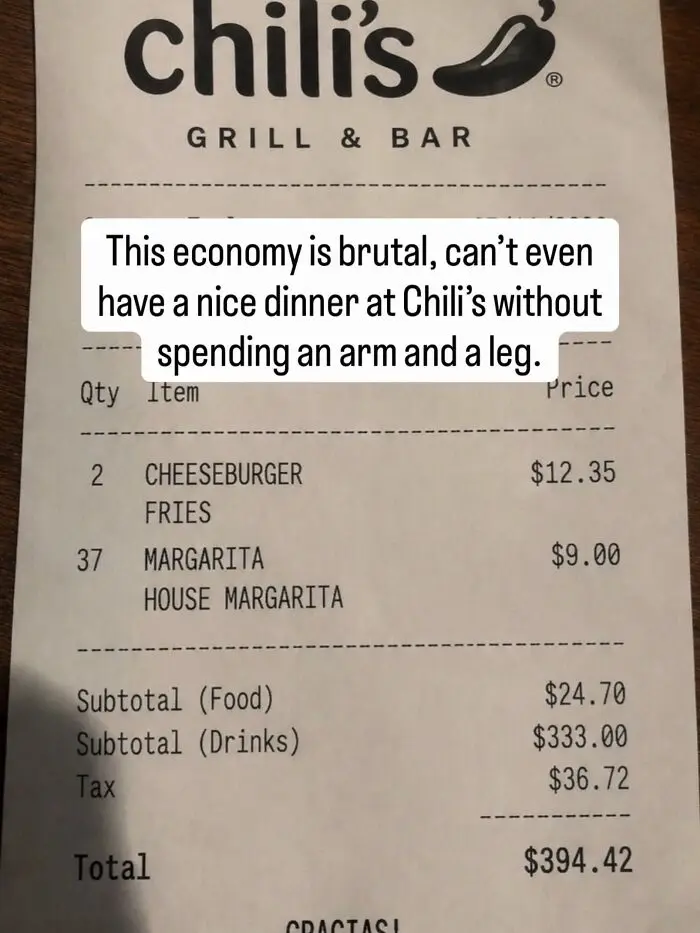
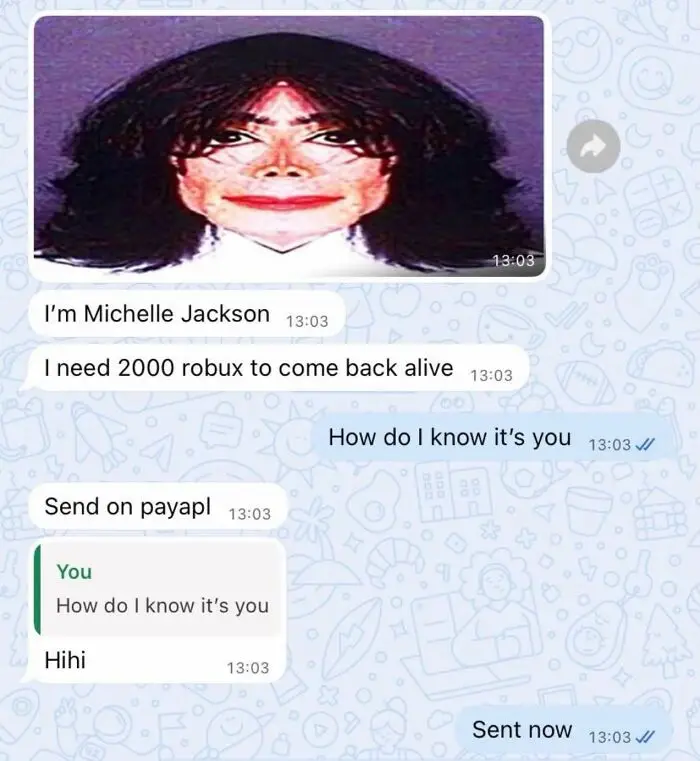
And it's no surprise we come across these meme-worthy images every day. Frankly, they never seem to end. It's like an endless treasure trove of funny pictures and unhinged screenshots.
But there's a reason for this: humans constantly capture bizarre snapshots of everyday life. Historically, taking photos was rare and formal. Nowadays, however, research shows people take around 5 to 6 billion photos every day, with 94% taken on smartphones. We photograph everything we see, and even things we probably shouldn't.