



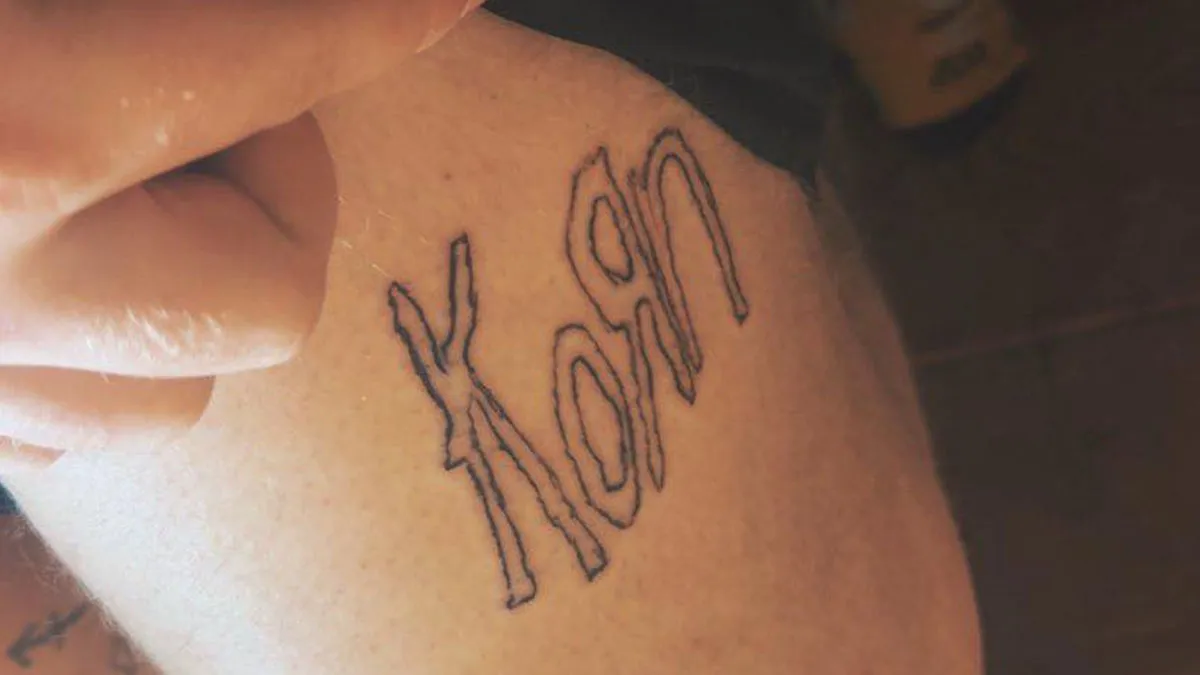



There is also the issue of placement. As people progress in their professional lives, they might find that a visible piece of art on their neck or hands creates barriers they did not anticipate when they were younger. Even though society is becoming much more accepting of body art, certain corporate environments still carry old fashioned stigmas that can trigger a sense of regret in an ambitious professional.


Another layer of the problem is the influence of fleeting trends. Just as fashion styles like bell bottom jeans or neon leg warmers eventually fade away, tattoo styles have their own cycles of popularity. What was considered cutting edge and cool in the late nineties might feel incredibly dated today.


When a person chooses a design based solely on what is currently popular on social media rather than what has personal meaning, they risk becoming a walking time capsule of a specific year. This loss of relevance is a major contributor to the feeling that a tattoo no longer fits who they are.


We grow and we learn and we occasionally outgrow the skin we thought we wanted to stay in forever. If you find yourself looking at your own ink with a bit of side eye, you are certainly not alone in that feeling. The good news is that modern technology has made it easier than ever to either fade a mistake or transform it into something new.


