

This post may include affiliate links.
According to Lee, media literacy is vital. And there’s no excuse not to put in the effort to improve our ability to mentally separate the chaff from the grain in the 24/7 news cycle.
“They teach [media literacy] to KIDS in Finland! It's easy to learn. Is the story copyrighted? Is it dated? Is there a byline? Are other stories by the author solid? Is it published in a source that has been reliable in the past? Does it seem plausible—if not then you can do some research," the expert listed what we should be asking ourselves when we come across a peculiar piece of information.
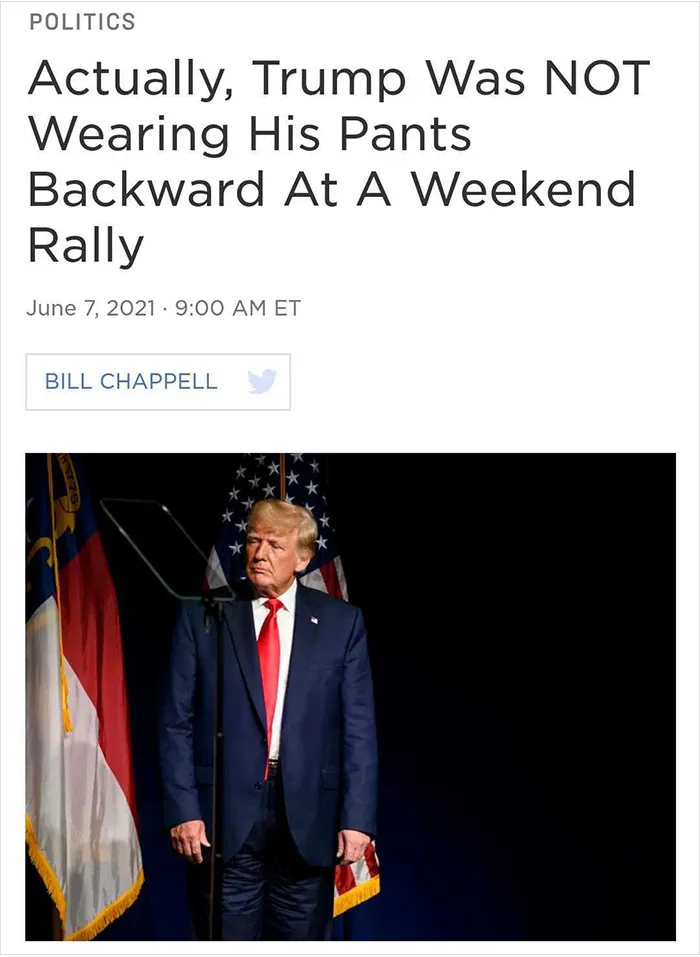
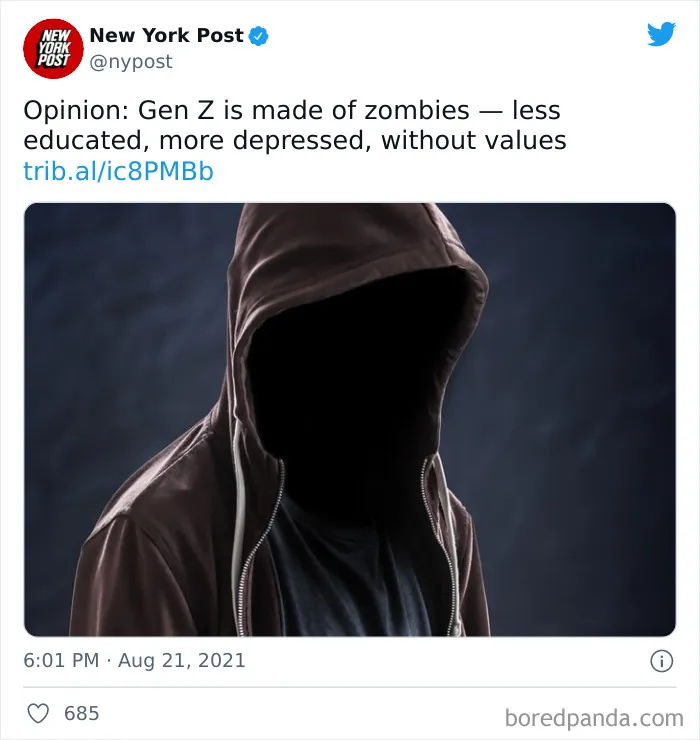
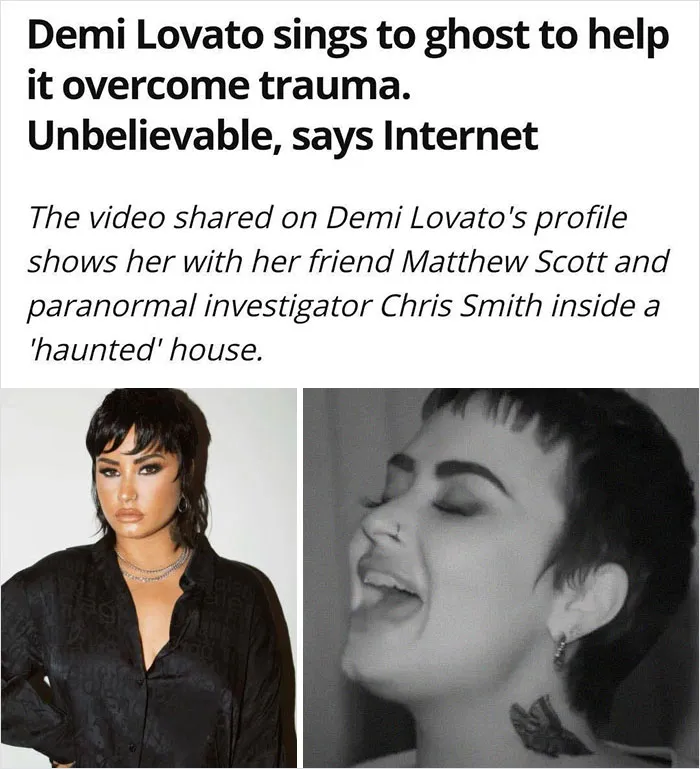
"Will we get fooled sometimes in doing this? Yes. But we're going to get fooled sometimes anyway. It's analogous to how scientists form their beliefs. They are skeptics, but they also—at some point when the evidence is sufficient—give their assent. Scientists deal with warrant, not 'proof.' They are what philosophers call 'fallibilists.' You give your belief to things that are well-sourced with evidence, while always holding out the possibility that if further evidence comes to light that contradicts your belief, you should give it up because you might be wrong."