


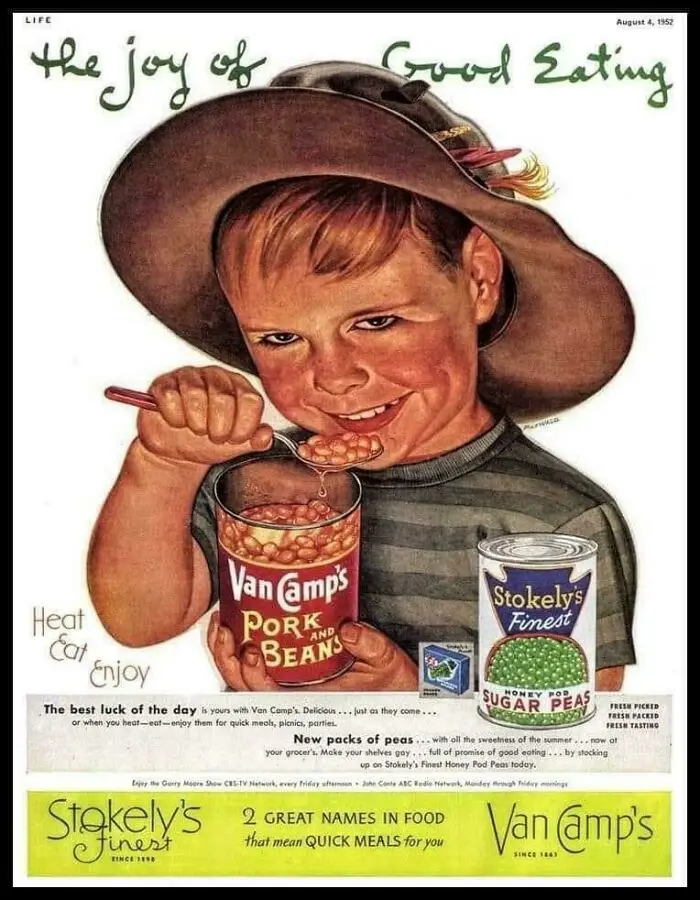
#21 This Little Psychopath Is Really Enjoying His Van Camp’s Pork And Beans (1952)
The social media ad market isn’t uniform. There are significant differences depending on the region and country you look at.
For example, influencers are becoming more and more central to marketing strategies, especially in North America. Influencers use their authenticity in order to build trust with consumers.
However, across the globe, in Asia, social media platforms are enhancing user experience and engagement via augmented reality ad formats.
Meanwhile, in Europe, brands are focusing on transparency, data privacy, responsibility, and ethical advertising.
In the US, data-driven strategies are fundamental in the social media ad space, including using artificial intelligence algorithms to personalize content.
But, say, in China, ads are strictly regulated, and so, brands use short video formats to create campaigns that resonate culturally.
In Japan, storytelling in ads comes to the forefront, mixing tradition and technology, and heritage and modernity.
And in the United Kingdom, there’s a focus on sustainability and ethical advertising.

Harvard Business Review warns that focusing on eye-catching and creative advertisements can lead to poor marketing choices. Instead, you should focus on the ADPLAN framework to develop your ads so they resonate with your target audience. ADPLAN stands for attention, distinction, positioning, linkage, amplification, and net equity:
- Attention refers to what is interesting about your idea that will make people stop and notice it
- Distinction means understanding your brand voice and image, and how it compares to your competitors’ marketing
- Positioning alludes to the value and benefits that your product offers, beyond just entertainment
- Linkage suggests that you should focus on getting the point of your brand across to your audience, so they don’t get distracted and remember it
- Amplification refers to the positive reactions that you want your advertisement to create
- Net equity means that you should think about whether your ads reinforce the meaning and characteristics that your consumers already associate with your brand


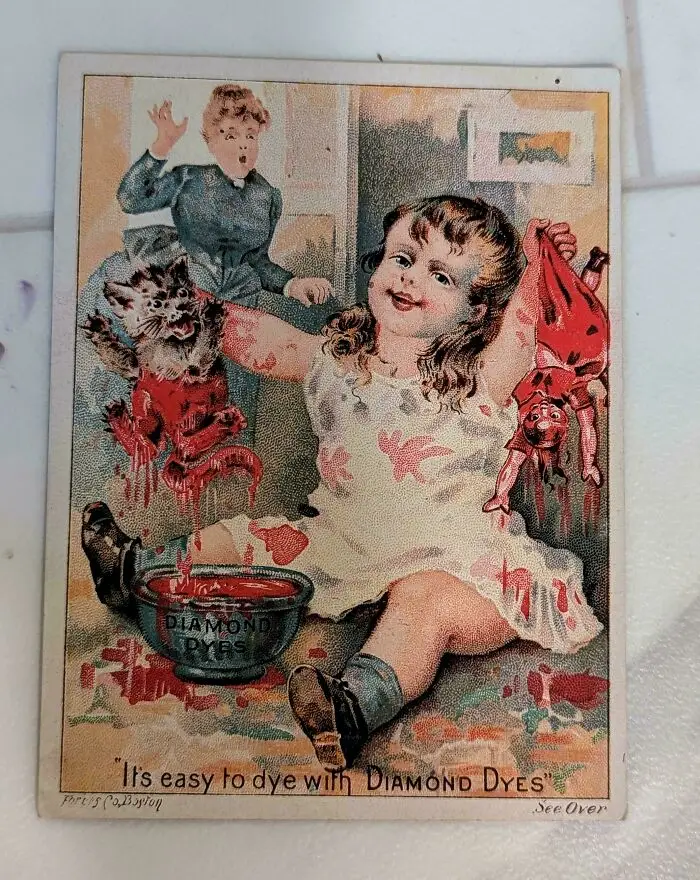
Which of these vintage ads surprised or took you aback the most? Which ones genuinely shocked you with how insensitive or bizarre they are? How do you think cultural attitudes and ads are likely to change in the decades to come? What do you personally think are the best and worst ads to be released in recent years?
Let us know what you think in the comments below!
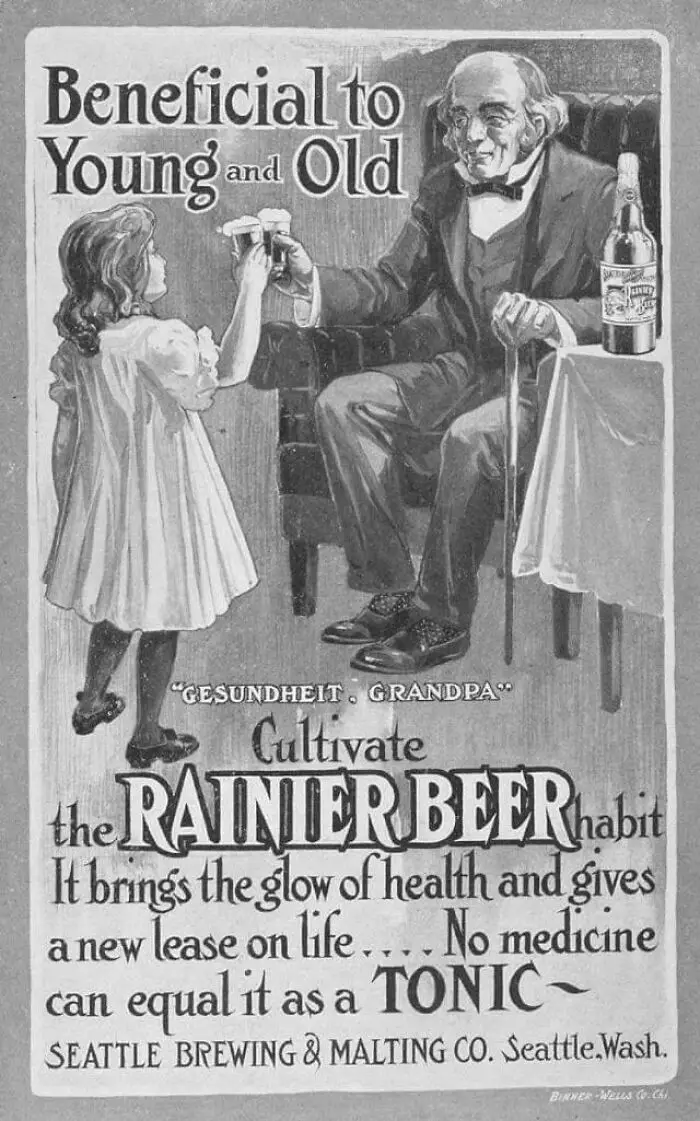
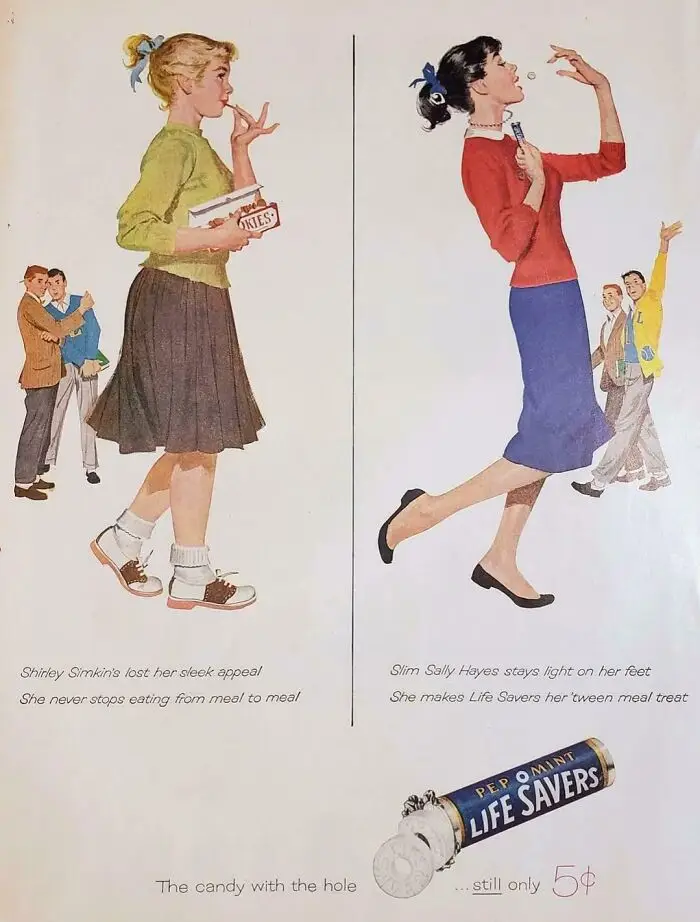
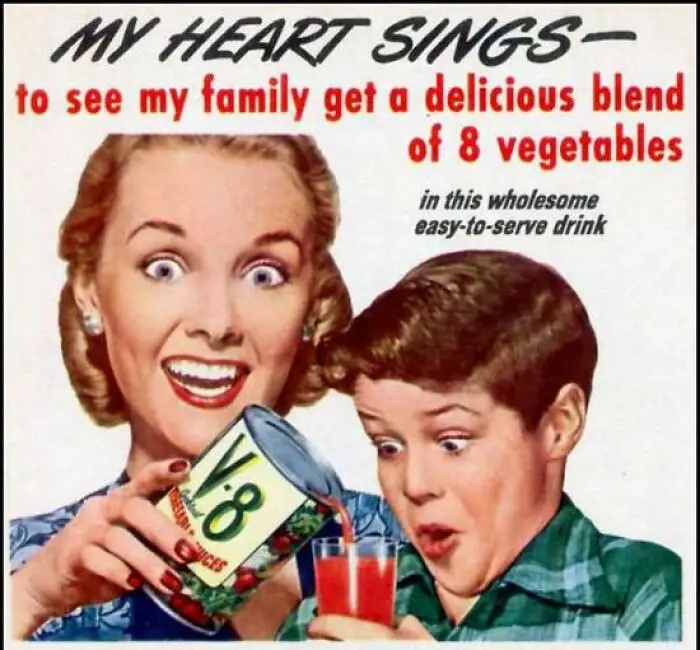
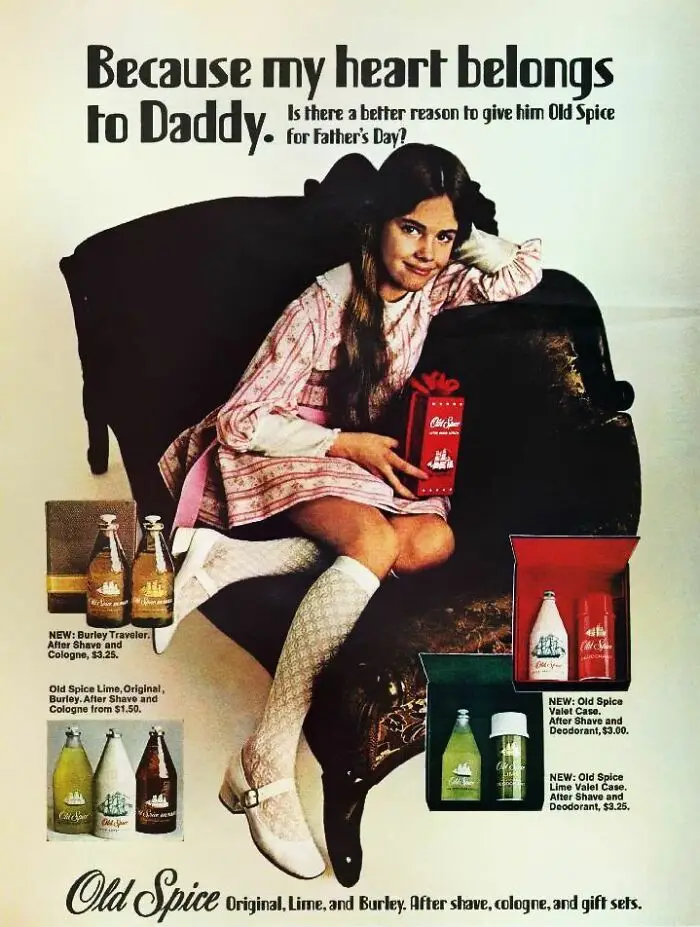
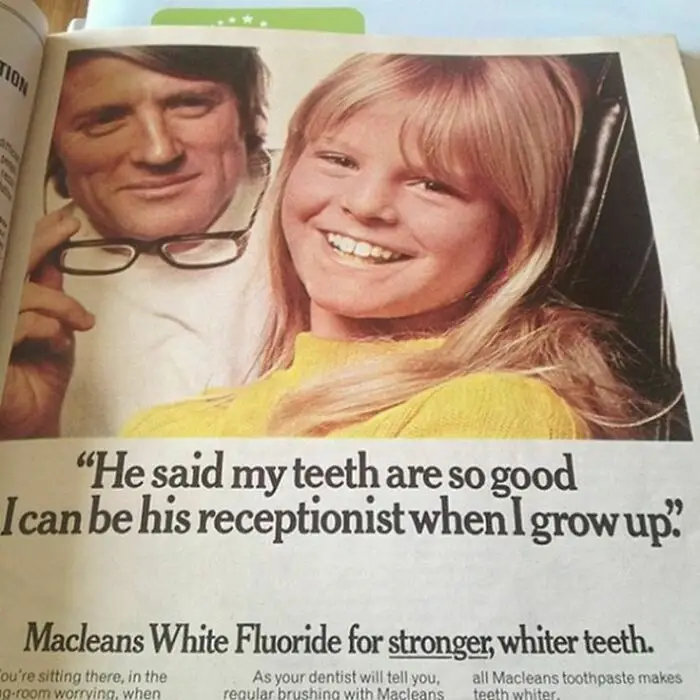

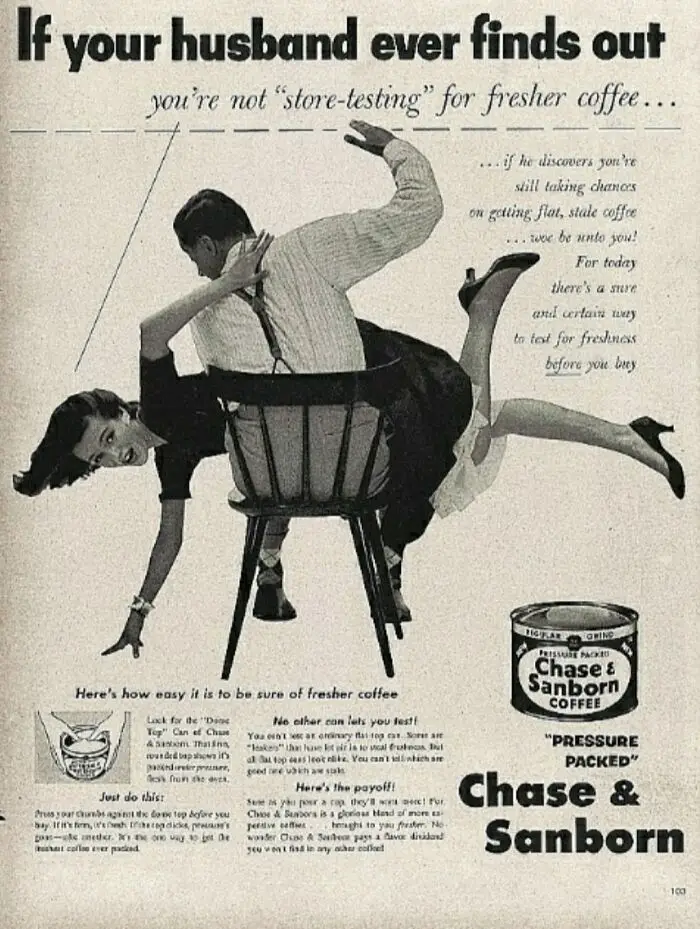
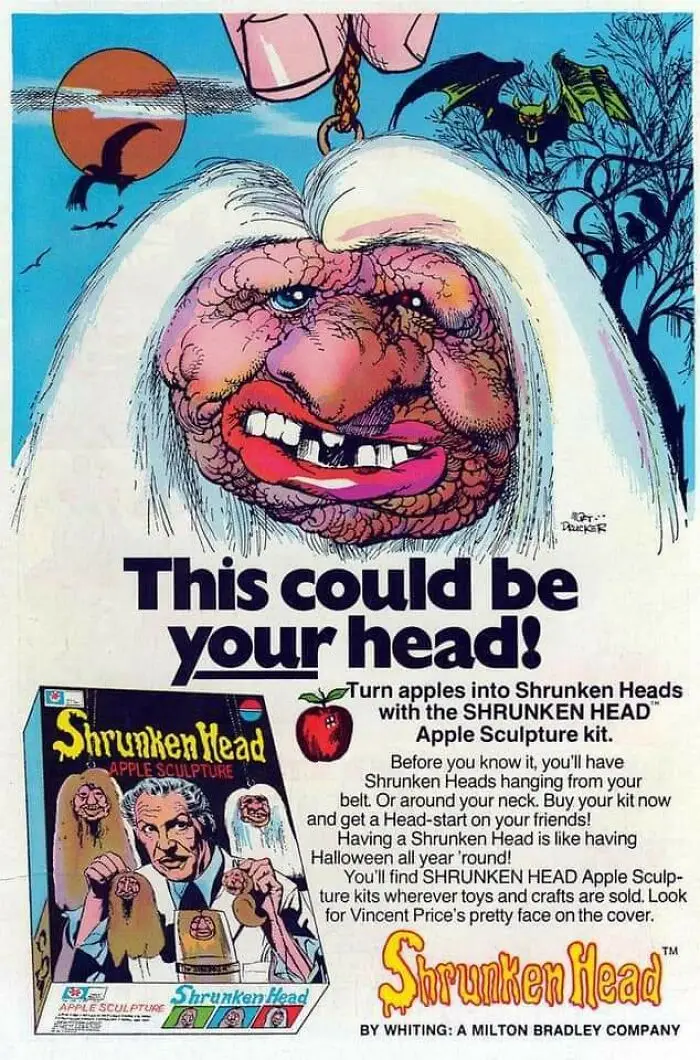
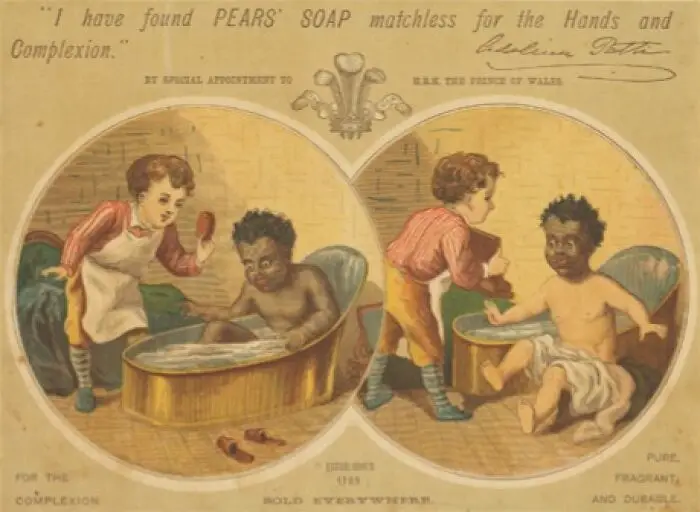
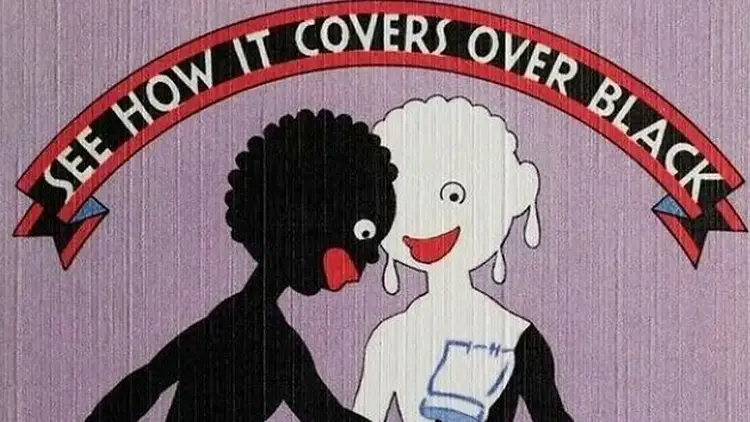
#39 Racist Advertisement Represents A Black Boy Becoming White Thanks To Pears Soap’s “Magic” Based On The Fable Washing The Blackamoor White, Published In The Graphic For Christmas, 1884