


In response, regulators are beginning to step in. Shein, for example, was fined €1 million ($1.169 million) by the Italian government over greenwashing concerns. In the UK, its IPO plans have reportedly slowed amid scrutiny of its ethical practices. Meanwhile, France is taking broader action—its Senate recently backed a law that could impose taxes on products with low “eco scores” and even restrict advertising and influencer promotions for ultra-fast fashion brands. These steps signal a growing push toward accountability in the industry.



All of this points to a bigger shift in how we view convenience and cost. While these platforms make shopping easier and more affordable than ever, they also come with trade-offs that are becoming harder to ignore. As consumers, being more mindful about what we buy can go a long way in balancing affordability with responsibility. In the end, smarter choices today can help shape a more sustainable and fair marketplace for the future.



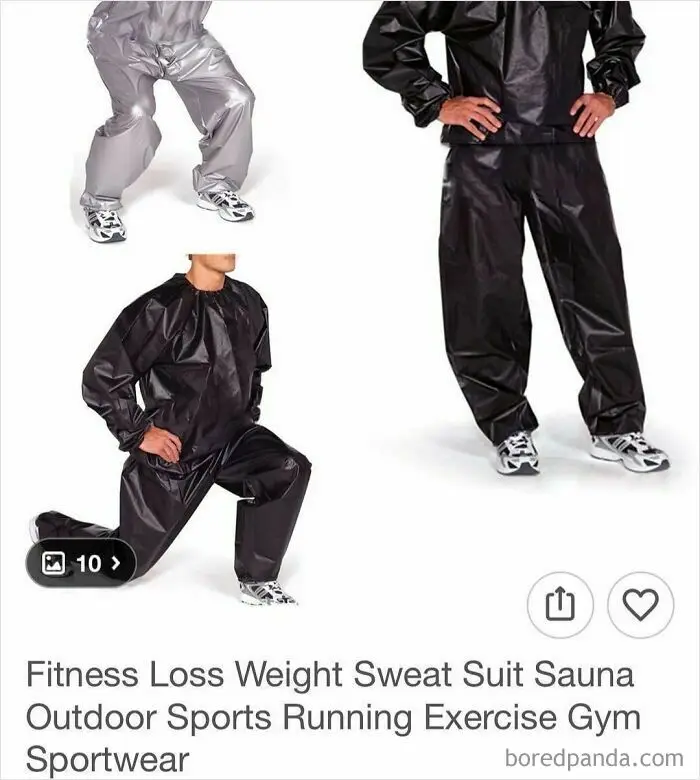
Coming back to these posts, they really make you pause and think—do we actually need all these quirky, oddly specific items that don’t serve much practical purpose? Sure, they’re fun to look at and might even give you a quick laugh or a “that’s cute” moment while scrolling. But beyond that initial excitement, do they really add value, or do they just end up sitting unused somewhere? What are your thoughts on this? Have you ever bought something that looked fun online but turned out to be completely unnecessary in real life?