

Finding something unexpected in an old house is always fascinating. Renovating can feel like taking a trip back in time, especially when you uncover something hidden for years that makes you wonder about the people who lived there and what their home was like.
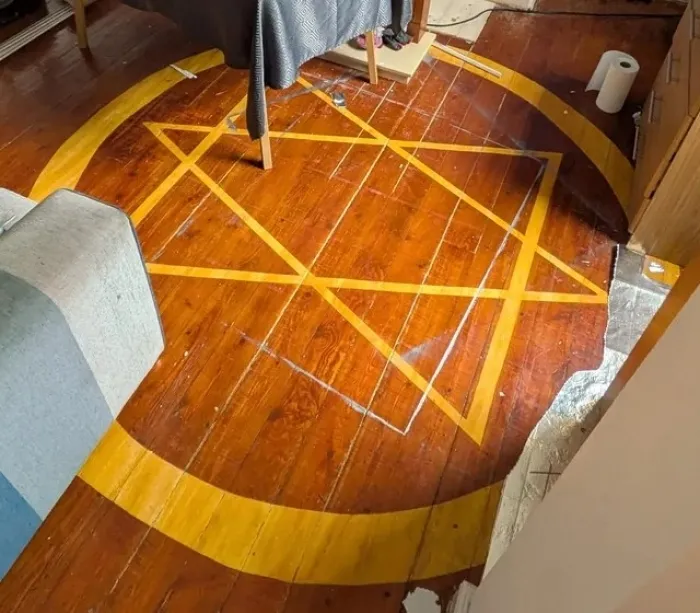
This is exactly what happened to a homeowner in West Yorkshire, England, when they removed the old flooring in their house. Underneath, they found a strange six-pointed star inside a circle, varnished into the wood. There was no clear reason for it to be there, so the unusual discovery immediately grabbed their attention.
The homeowner posted a photo of what they found on Reddit, which led to a lively discussion about where the symbol came from and what it might mean. How long had it been there? Why was it hidden under the floor? Maybe the house’s history could offer some answers.
The hidden history and symbolism behind mysterious markings found in old homes and forgotten places

The star on the floor sparked curiosity, with several possible explanations emerging from its history and symbolism
The homeowner found the marking while getting the house ready for new flooring. The house is a mid-terrace with gardens at the front and back. It looks like the marking was carefully varnished into the wooden boards, not just drawn on top.
West Yorkshire has different types of housing, but most homes are houses. The West Yorkshire Combined Authority’s analysis of the 2021 Census shows that houses make up 83% of all homes, and semi-detached houses are the biggest group at 37%. While these numbers help explain the area’s housing, they don’t tell us how old this property is.
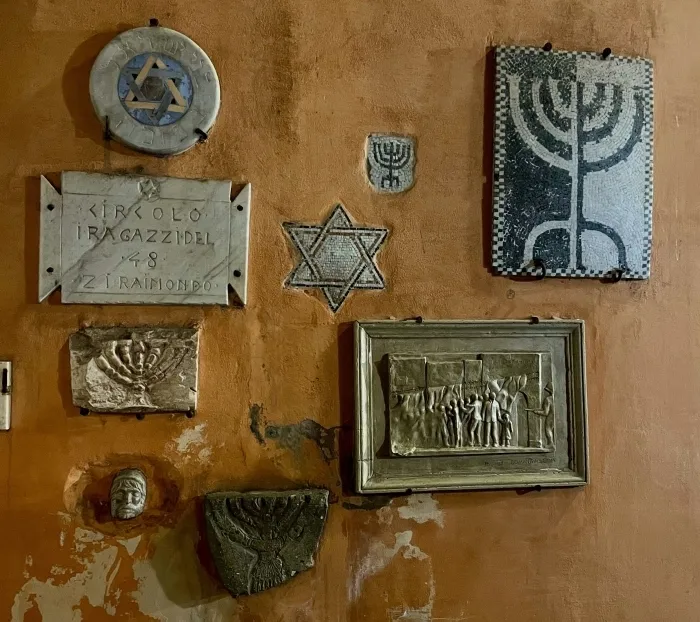
There’s another interesting detail about the property: there’s an old graveyard behind the house. The homeowner thinks it might be from around the same time as the house, but no one knows for sure. If historical records can show when the house and graveyard were built, that could give us more clues about the property’s history.
Let’s explore what people had to say about the mysterious discovery and the different meanings the star might hold. And the trip is quite interesting, since there’s more than one explanation to consider.
West Yorkshire’s history of protective house symbols
For a long time, people in West Yorkshire have put unusual objects and symbols inside their homes to protect those living there. In Calderdale, old houses have turned up hidden shoes, clothing tucked into chimneys, and wooden objects thought to bring good luck. These finds show that some homeowners wanted more than just locks and strong doors for protection.
This practice goes back hundreds of years. Some stone houses in the area still have these traditions from the 17th century, when people used symbols and objects to protect themselves from bad luck.

Builders or residents sometimes hid them in chimneys, near doors, or inside walls, where they stayed out of sight for generations. Sometimes, renovations uncover these items long after people have forgotten why they were put there.
There is another interesting example in Calderdale. A cottage built around 1910 has three five-pointed stars, or pentacles, above its main fireplace. No one is sure what they originally meant, but their presence shows that people in the area were still using unusual symbols in their homes in the early 1900s.
The hexagram and its many meanings
While many people immediately think of Judaism when they see this shape, its history spans many cultures and traditions. Hexagrams were used as decorations in medieval Europe and also showed up in religious and mystical contexts. Just seeing this shape does not point to one specific belief system.
The hexagram took on meanings beyond decoration. In alchemy, the two triangles stood for fire and water, which are opposites that can come together in balance. Some traditions saw the shape as a symbol of spiritual protection or used it in mystical practices. Over time, these different ideas grew, so the same shape could mean very different things depending on where and how it was used.
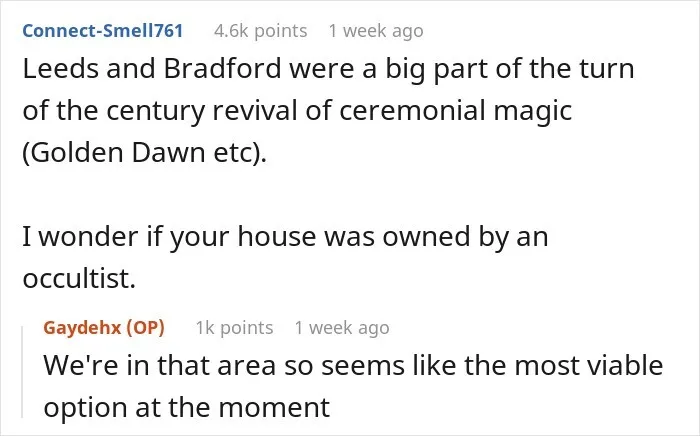
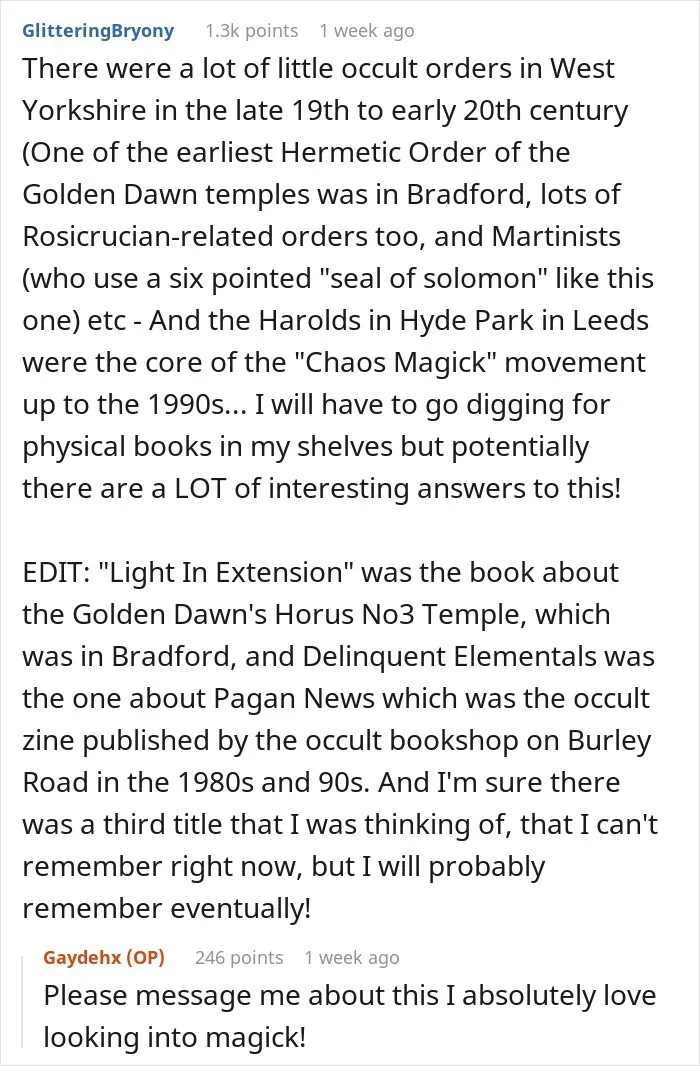
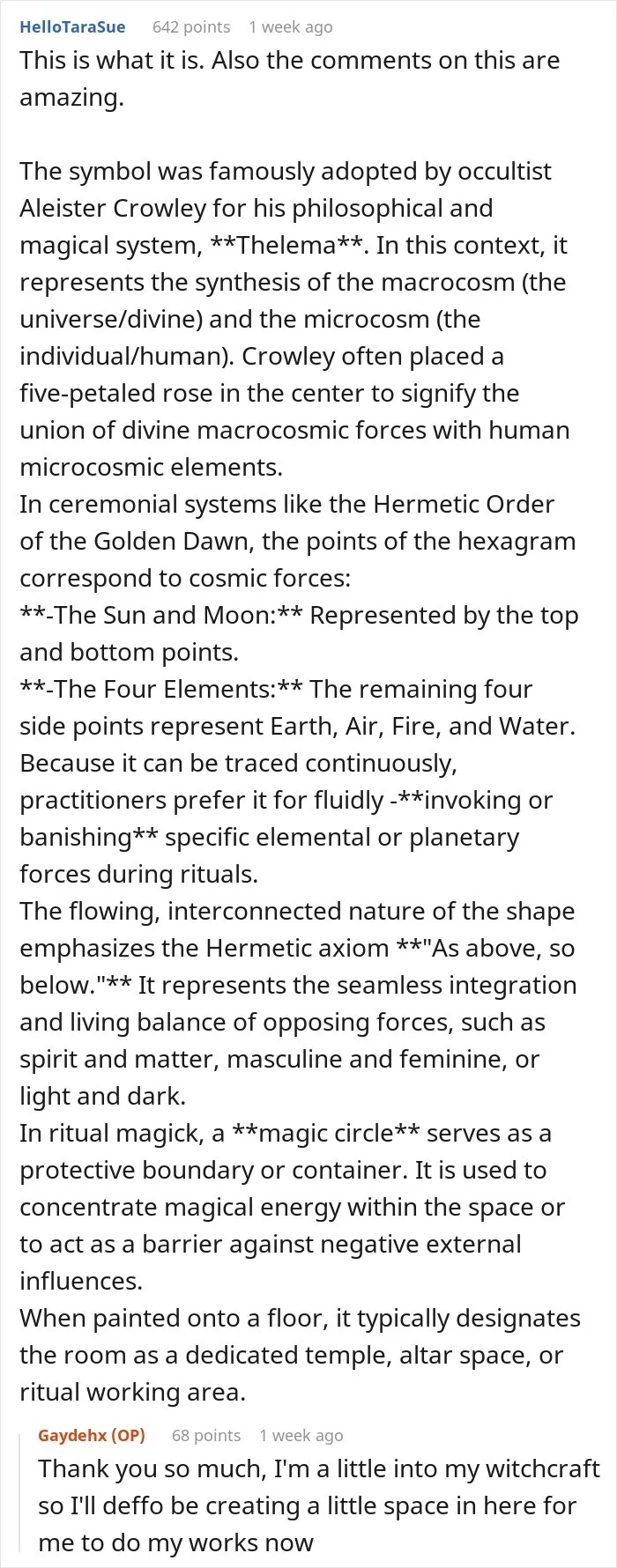
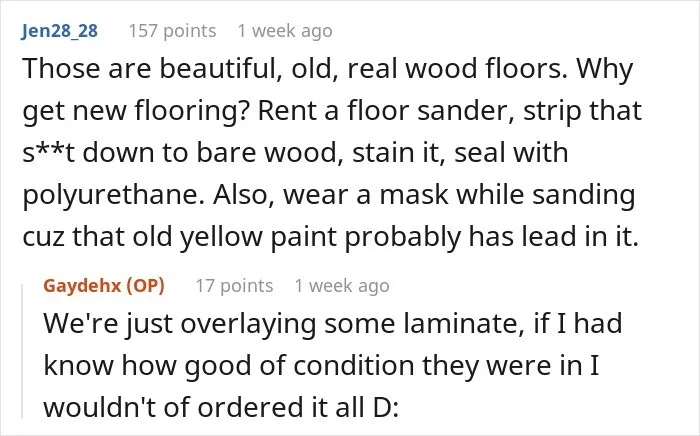
In the Yorkshire house, the shape might give us a hint about what the creator wanted, but it does not tell the whole story on its own. If the person who marked the floor saw the hexagram as a symbol of protection, they may have hoped to keep the home safe. Still, we would need more proof than just the star’s shape to know for sure.

The Seal of Solomon and its connection to protection
In medieval times, both Jewish and non-Jewish traditions connected the Seal of Solomon to a legendary ring said to give King Solomon power over demons. These stories describe the ring as having supernatural authority, but they do not say it had a six-pointed star. Later, writers linked the legend to both hexagrams and five-pointed stars.
Later on, the symbol became part of mystical traditions. Some medieval Jewish texts linked the hexagram to protective amulets, while other traditions connected the Seal of Solomon to magical practices. The name did not always mean the same design, and historical records do not show a single, universal version of the seal.
If the marking in the Yorkshire home is meant to be the Seal of Solomon, the person who made it may have wanted it to protect against harm. This idea matches the wider history of protective symbols in homes. However, there is no proof that this floor marking is linked to Solomon’s legend. The original purpose of the design is still unknown.
The Star of David and its religious significance
The Star of David, also called Magen David in Hebrew, has the same shape as a hexagram, made from two overlapping triangles that create a six-pointed star. Today, it is a well-known symbol of Judaism and Jewish identity, but this connection developed gradually over many centuries.
By the 17th century, Jewish communities in Europe were using the hexagram in more public ways. For example, officials marked Vienna’s Jewish quarter with the star to set it apart from the rest of the city. Around this time, synagogues in Europe and the Middle East also started adding the design to their buildings.
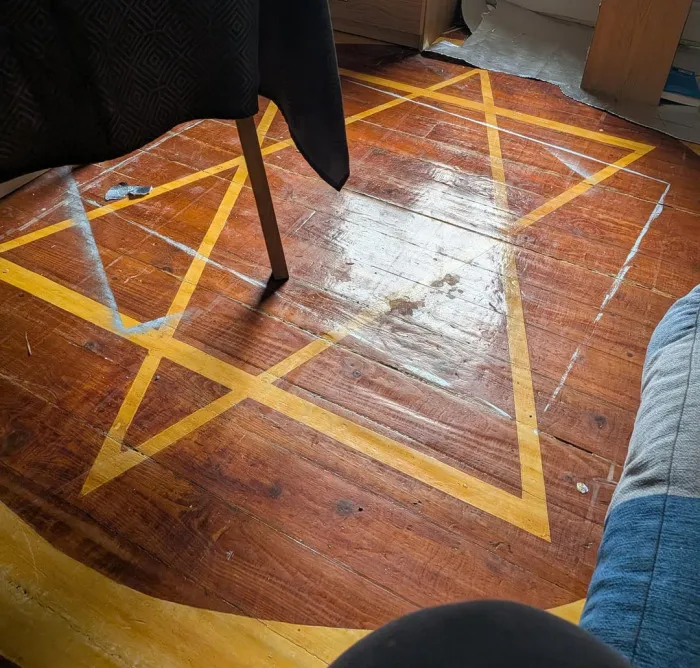
The symbol became even more widely known when the Zionist movement chose the Star of David at its first congress in 1897. Could the marking found under the Yorkshire floor be connected to Judaism? It is possible, but the shape by itself does not prove it.
Unfortunately for my unsated curiosity, the true meaning of the symbol in the house remains, and probably will remain, a mystery. It could hold a hidden secret, or perhaps the original owner simply left it as a joke. What do you think the strange symbol was meant to represent?
Netizens went wild with conspiracy theories and wild speculation over the mysterious star