
#1
#3
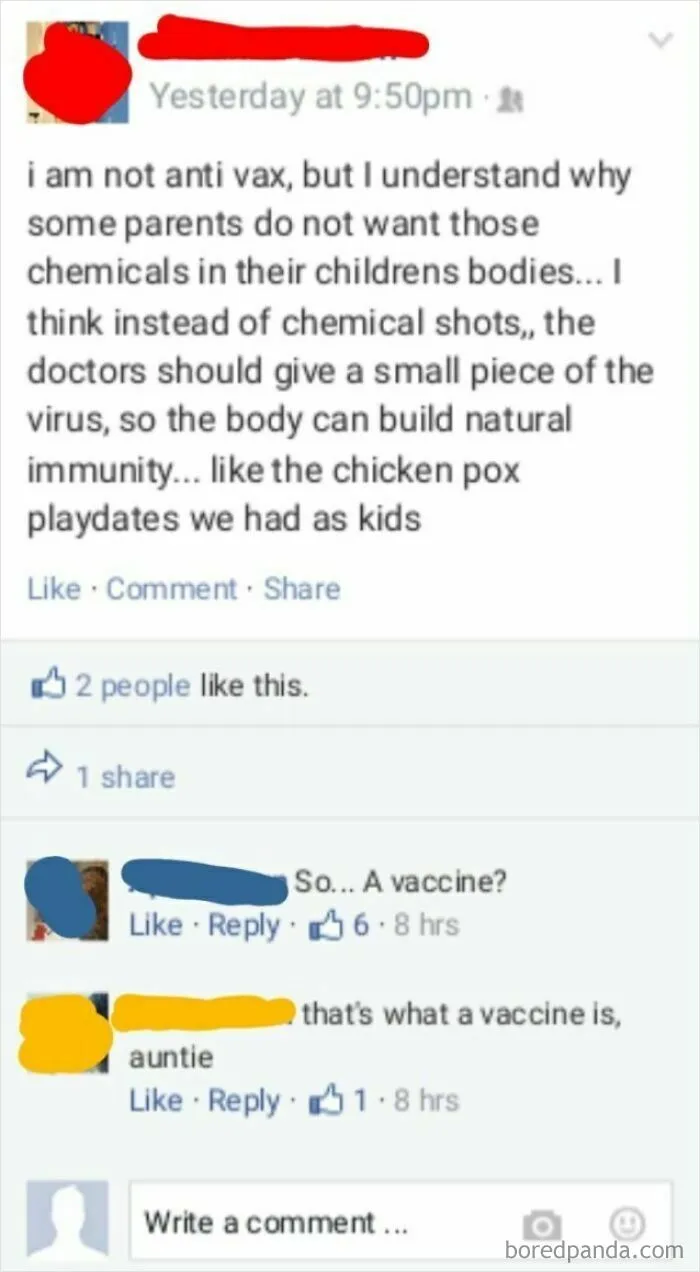
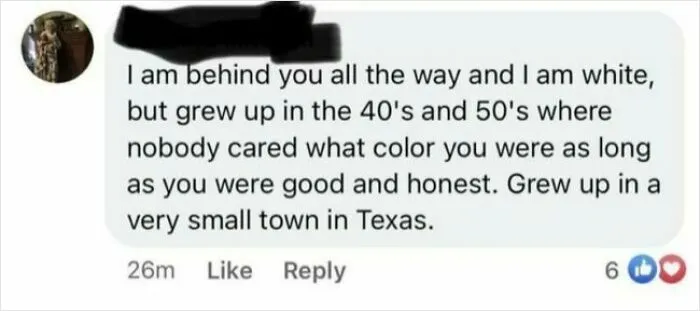
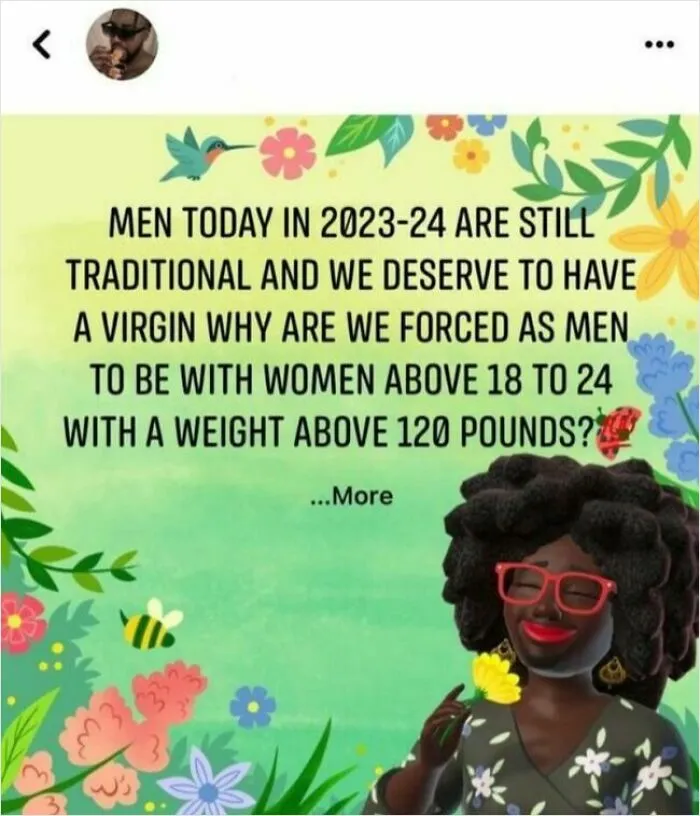
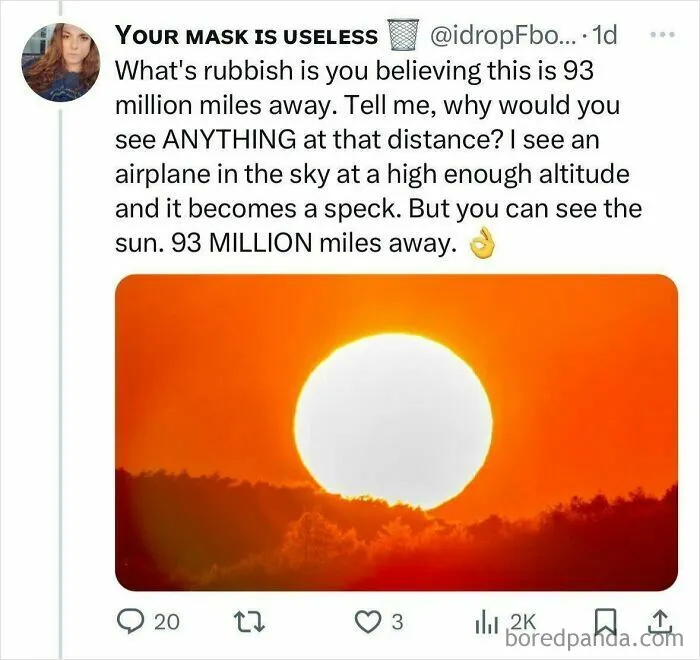
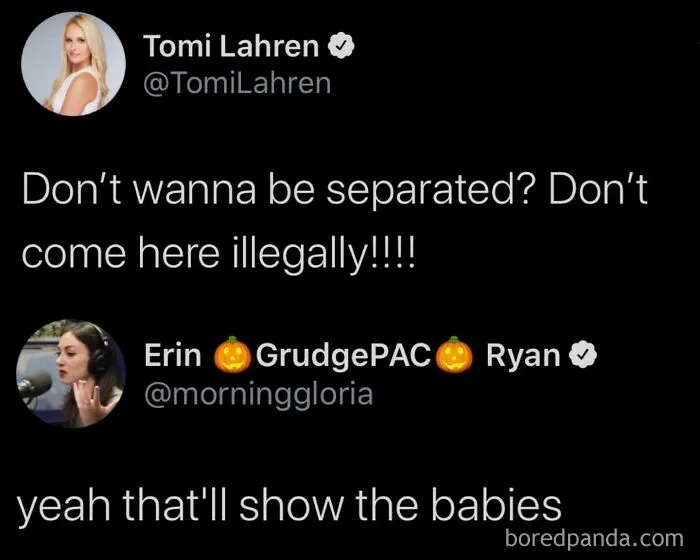
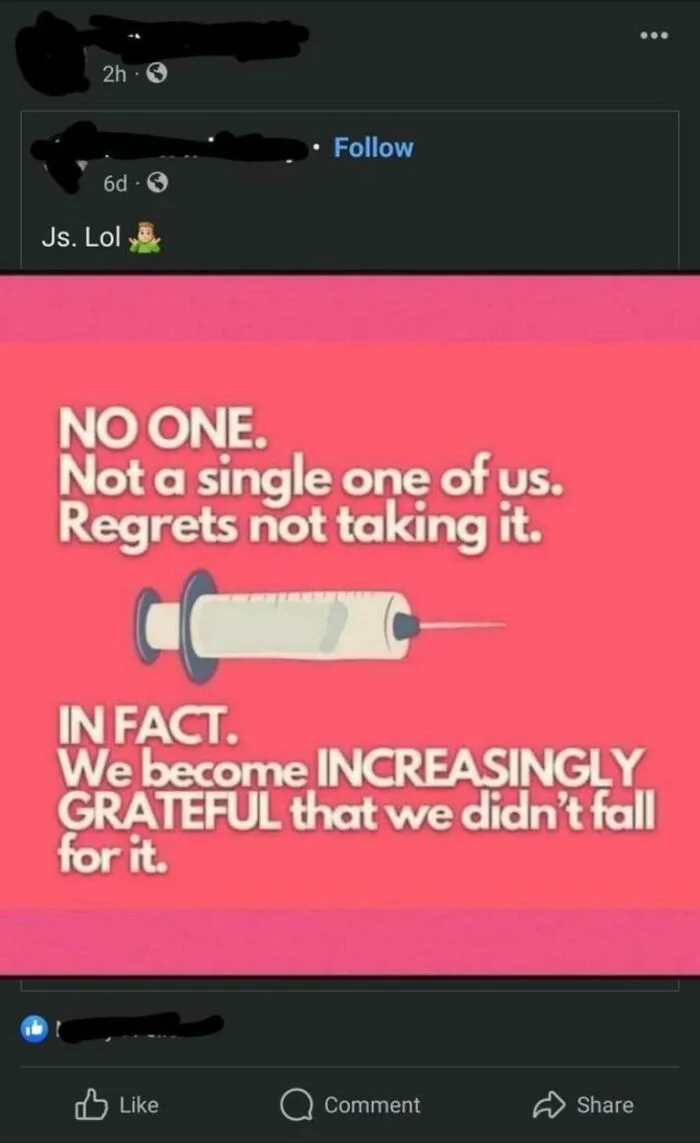
Giving certain people access to a little keyboard, a social media account and an internet connection can be as dangerous as handing a toddler the keys to an SUV. You really don't know what they're capable of, and how far they might take it. The streets of the world wide web are scary enough as it is, without the added risk of being run over by a lunatic on the loose.
Yes, social media has its positives but on the flipside, it provides a platform for ignorance to shine. It also gives the crazies more exposure than they deserve, argues Ashleigh L. Peterson, a former mental health nurse and the founder of the blog, Mental Health @ Home.
#6
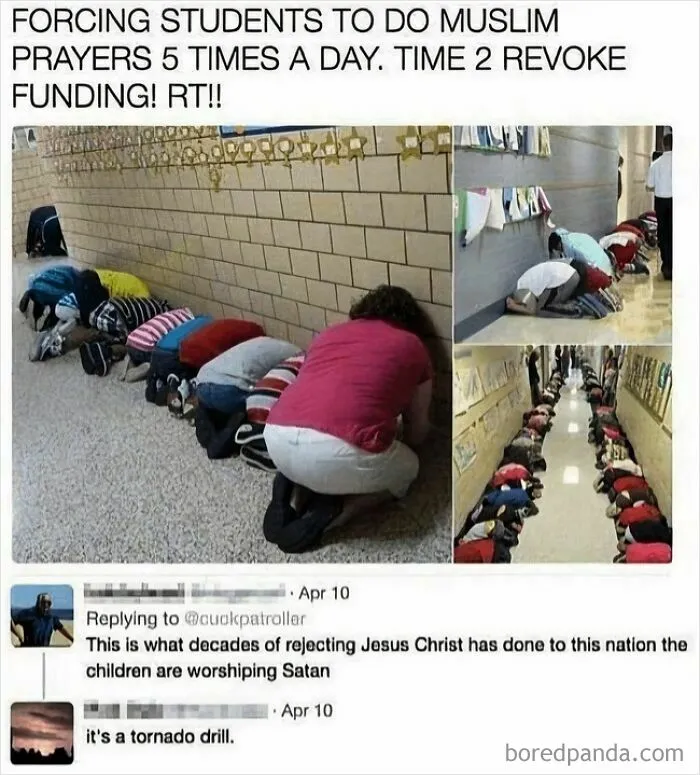
"Some people would likely have a platform to reach large numbers of people even if it weren’t for social media. But the average science-naïve person who thinks that snow in one area means that climate change is non-existent can only spread that opinion to large numbers of people because of the existence of social media. Twenty years ago they would have had no such opportunity," writes Peterson, and we couldn't agree more.
But should we bite our tongues, or challenge people when they make outlandish statements on social media?
#8
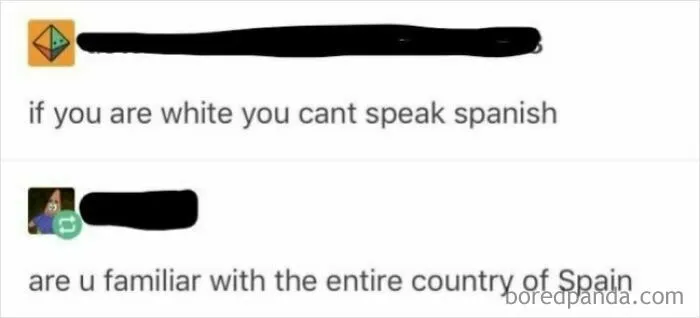
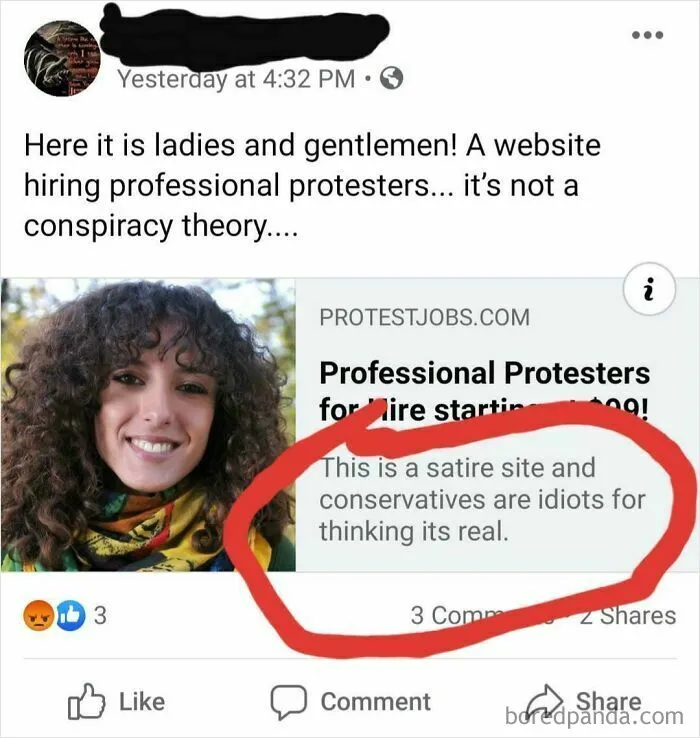
It really depends... Because on the one hand, engaging with a racist, a misogynist, an entitled or generally ignorant person gives them the exposure that they're desperately seeking but absolutely do not deserve. On the other hand, blatant discrimination and harmful behavior shouldn't go unchecked.
Peterson feels that when an "insane" post, comment, or statement is coming from organizations, the media, or public figures, we absolutely need to call them out on it. However, she says that if we're boosting a random wannabe's social media stats by attacking their stupid comments, it might be doing more harm than good.
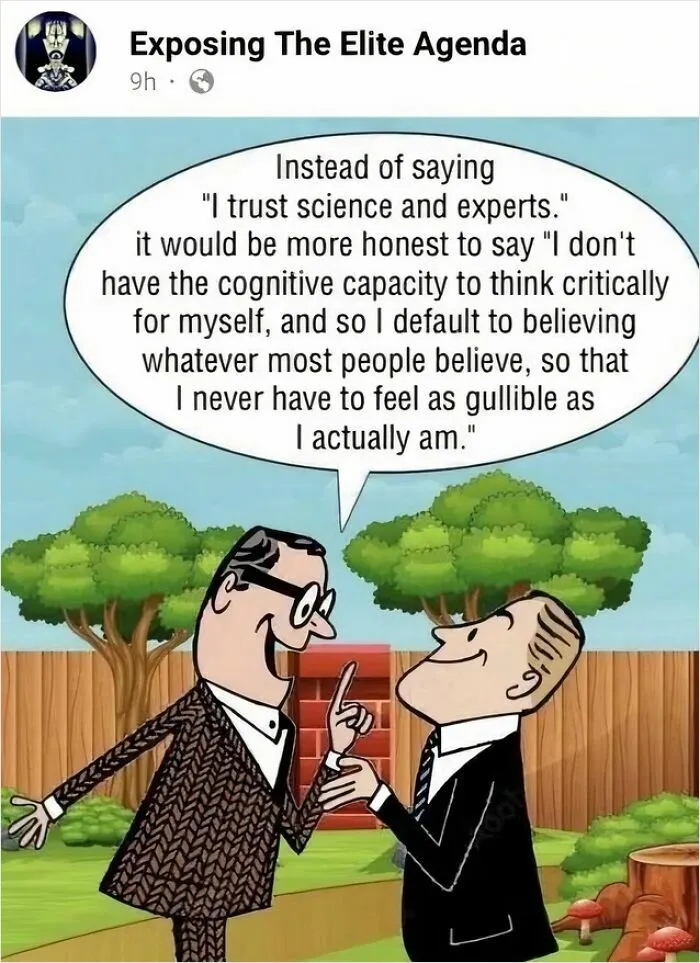
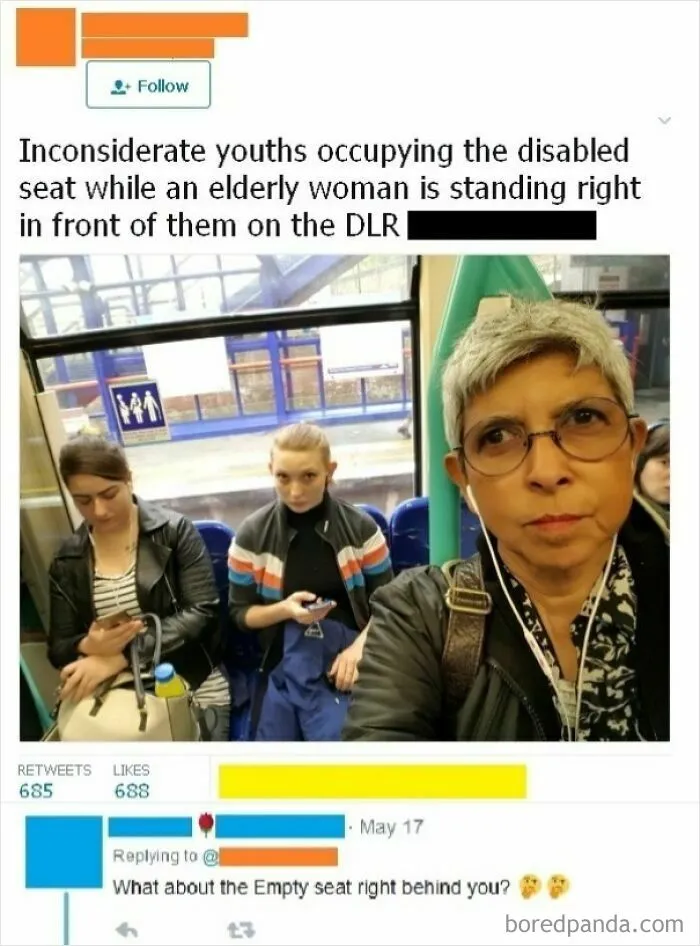
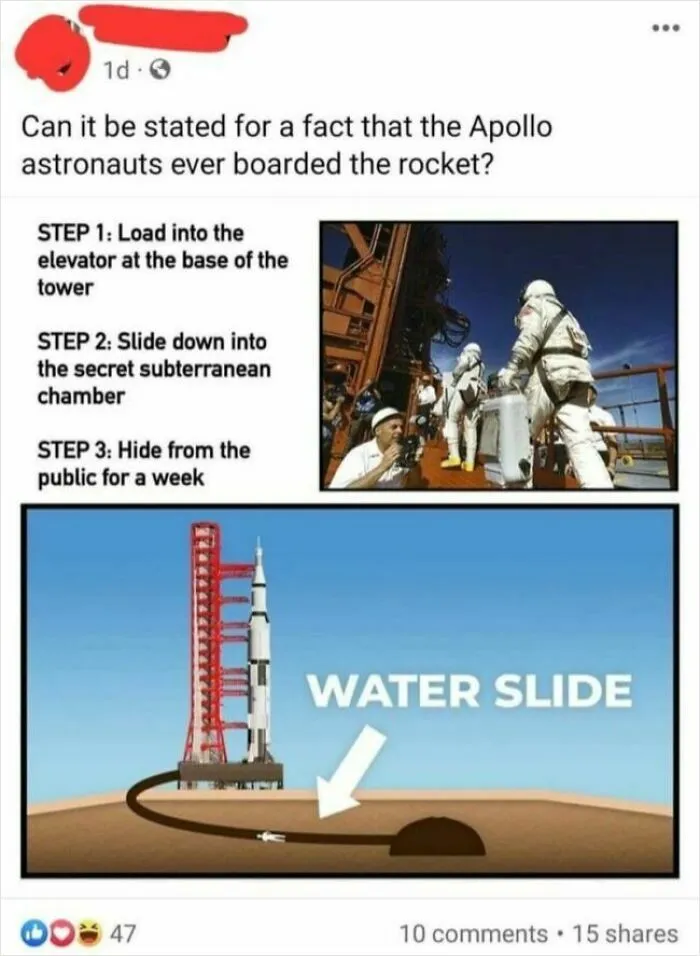
"In the case of misogynistic comments, I tend to swing more strongly in the direction of radio silence," Peterson writes. "When it comes to anti-medication or other mental health-directed comments, there are voices in my head chiming in for both sides."
The former mental health nurse believes that one of the biggest problems is that ignorance and stupidity draw attention, and they sell. In other words, she says, we aren't just dealing with a few random crazies, "but rather a social community that elevates [them] to a place where their stupidity has massive reach."
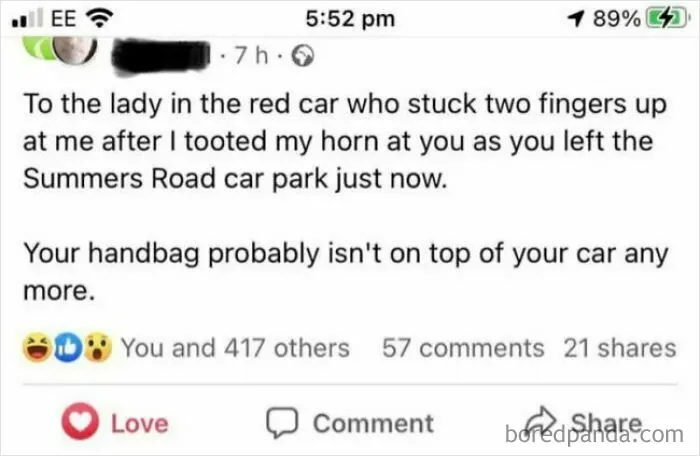
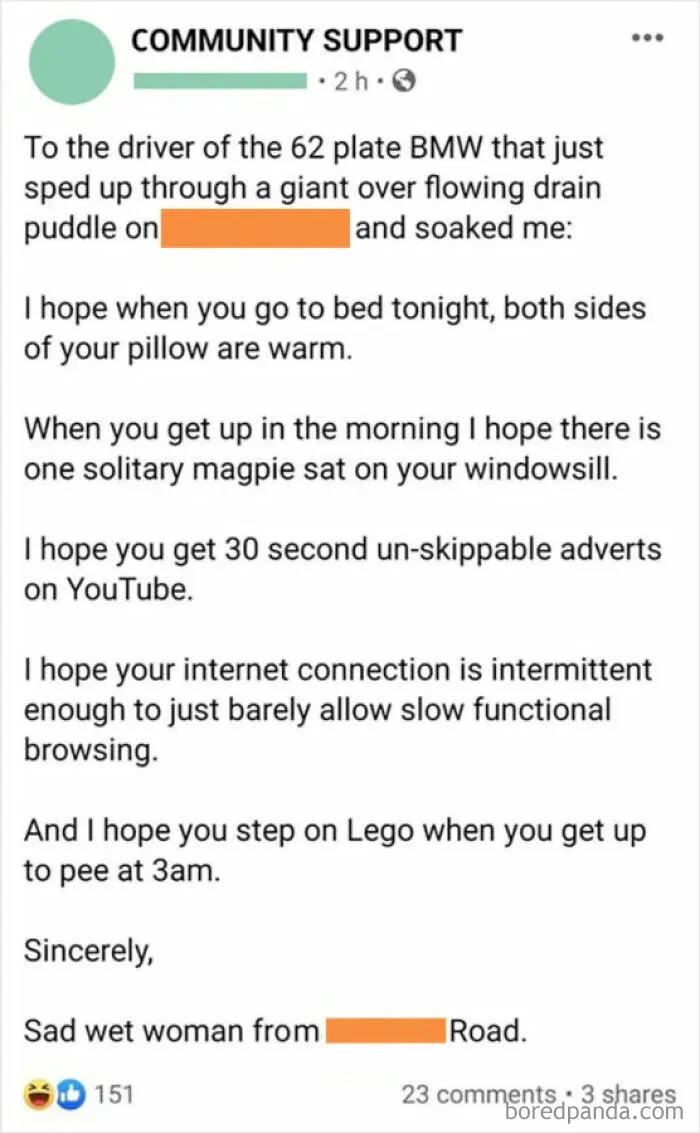
#15
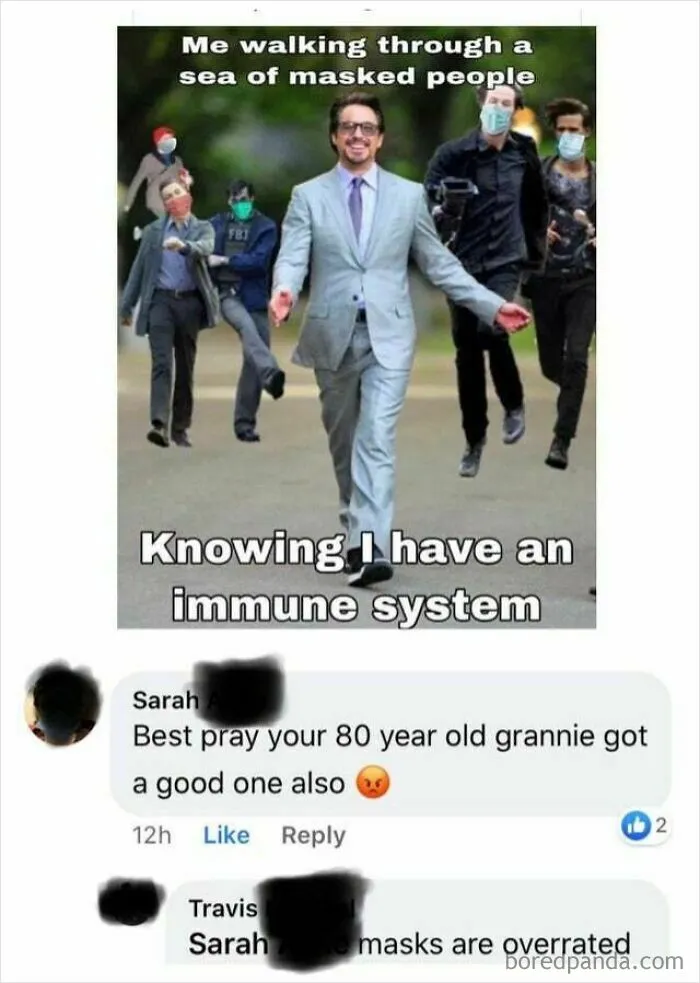
Some experts warn that we are facing a much bigger problem than arguing amongst ourselves and elevating idiots.
"Social media is transforming how, when, and whether conflicts manifest," notes the Prosper Global (formerly Mercy Corps) team. And they're talking about actual global conflicts, wars and destruction. The site explains that besides being a communication tool, social media is capable of mobilizing and shaping users’ values.
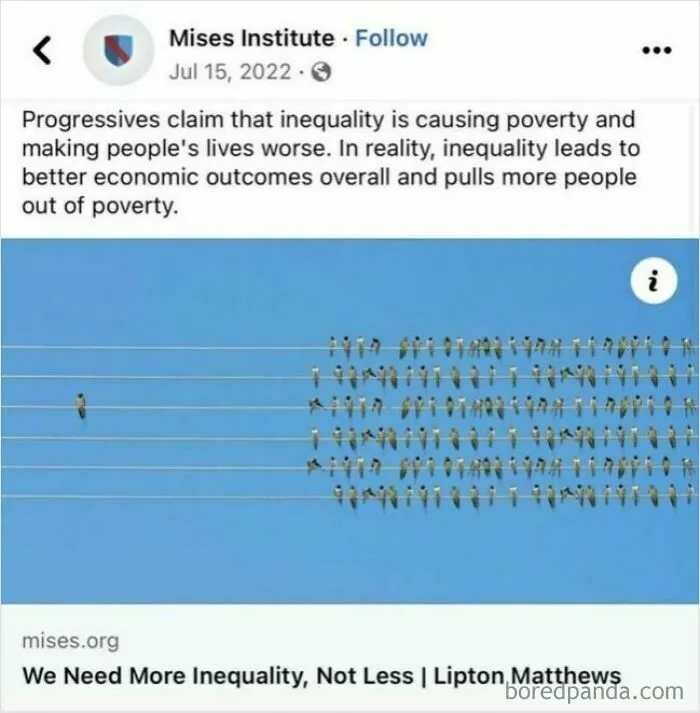
#18
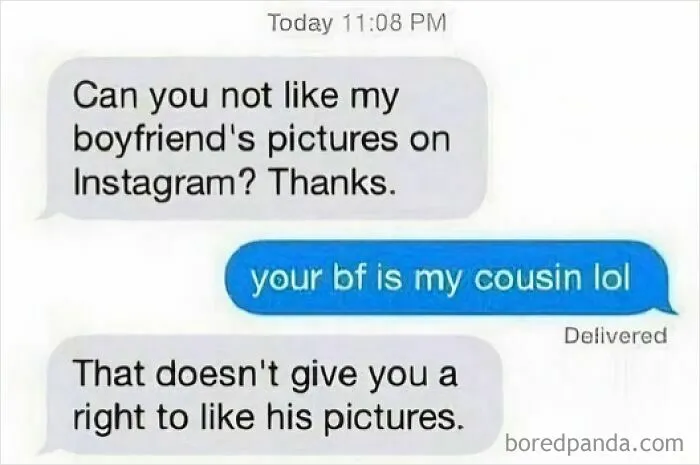
"Ethnic and sectarian tensions appear particularly susceptible to the weaponization of social media," warns the humanitarian organization. "Social media rewards identification and connection within a group, but this can be at the expense of intergroup cohesion."
Prosper Global's research has found that influencers and political actors on online platforms routinely fueled tensions between ethnic and sectarian identities.