
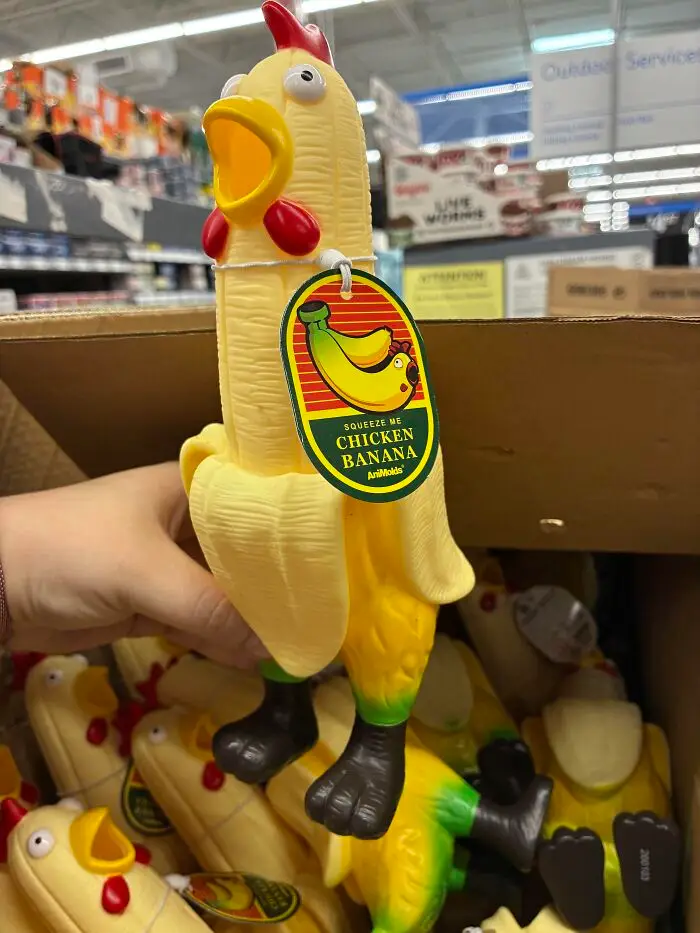
If a toy doesn’t do something as basic as entertain a child, then what’s its real purpose? Well, I am no expert in the matter. That’s why Bored Panda got in touch with product designer Sharanya Salehittal for an interview. She has some experience designing kids’ toys, so she shared her insights with us.
She first spoke about the importance of toys for kids. Beyond making them happy, she stressed how they support brain development. She believes toys also boost children’s imagination and spark their creativity. That’s why she says it’s important to consider all these nuances when designing toys.
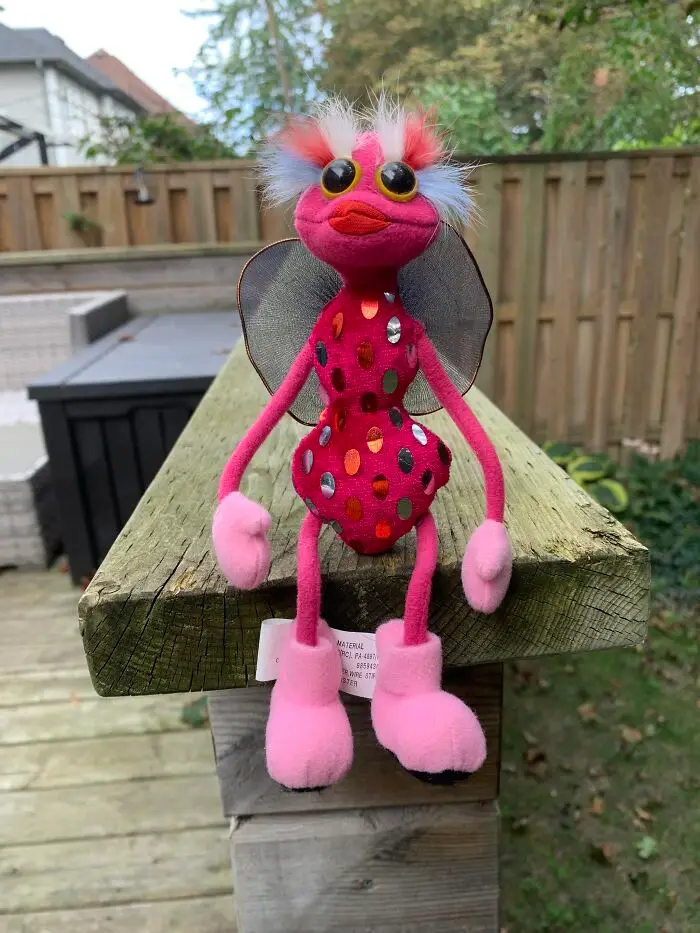

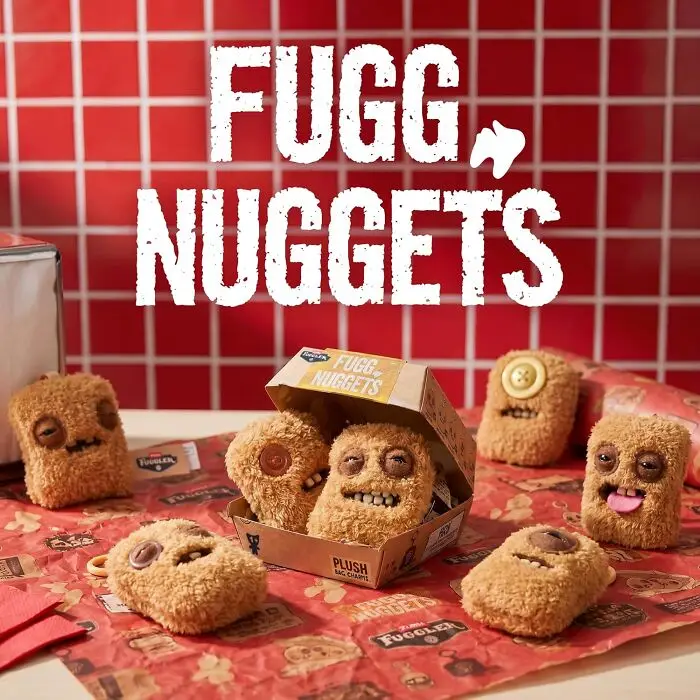
We asked our expert to elaborate on what to consider when designing toys for kids. She first discussed safety, ensuring every toy meets strict regulations and avoiding small parts or toxic materials that could harm children. Next, the focus should be on the ergonomics for comfort and ease of use.
How a child’s hands, eyes, and imagination will interact with the toy is pretty important, she continued. Also, the bright colors, different shapes, and engaging textures aren’t just for show; they help grab a kid’s attention and ignite their imagination.
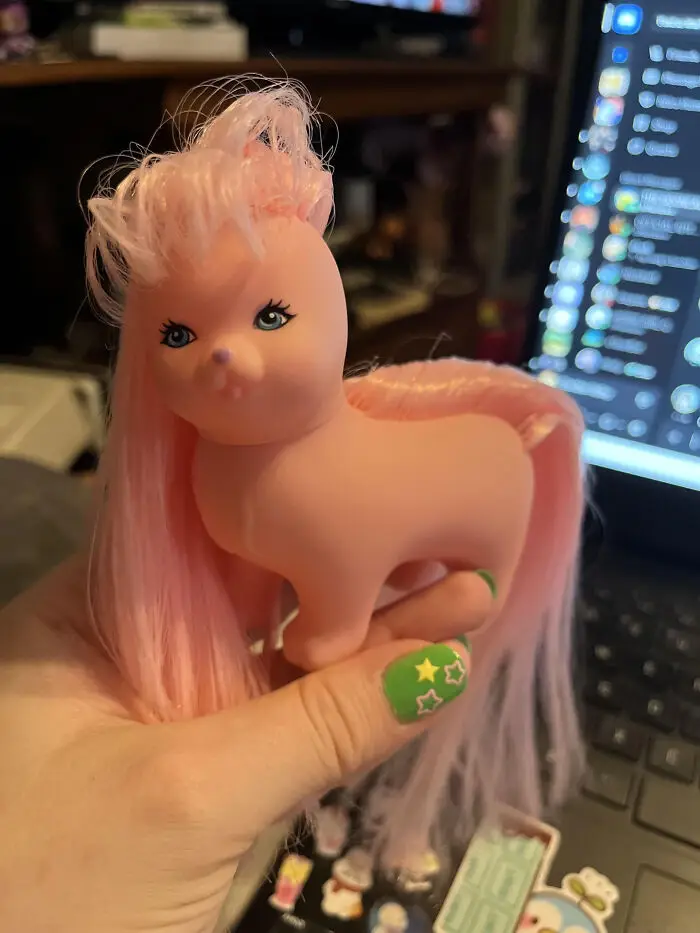
Sharanya narrated, “Toys play a big role in how kids develop physically, mentally, and socially. A well-designed toy can help a child learn to grasp objects, solve problems, or even express emotions. For instance, something like LEGO can help teach kids spatial reasoning and patience. Designers aim to create toys that challenge kids just enough to build confidence, without overwhelming them.”
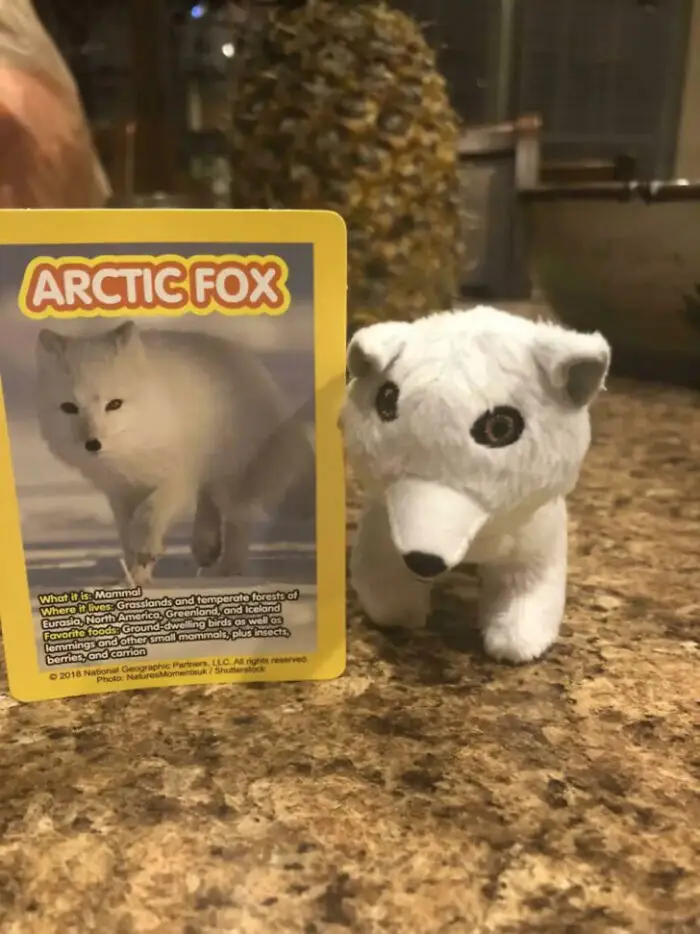
Our expert noted that designers also consider the emotional connection a child can have with a toy. We often see little ones cradling stuffed animals and taking them everywhere they go, and that in itself is a sign of a good toy. She believes that when kids form this connection, it can have a lasting impact, making playtime more meaningful and memorable.
Sharanya also explained that to understand better how a child’s mind works, designers sometimes work with child psychologists. This gives them perspective on how to make a toy more intuitive and inviting. After all, kids should not be frustrated while using it; rather, it should be a seamless experience that lets them enjoy it.
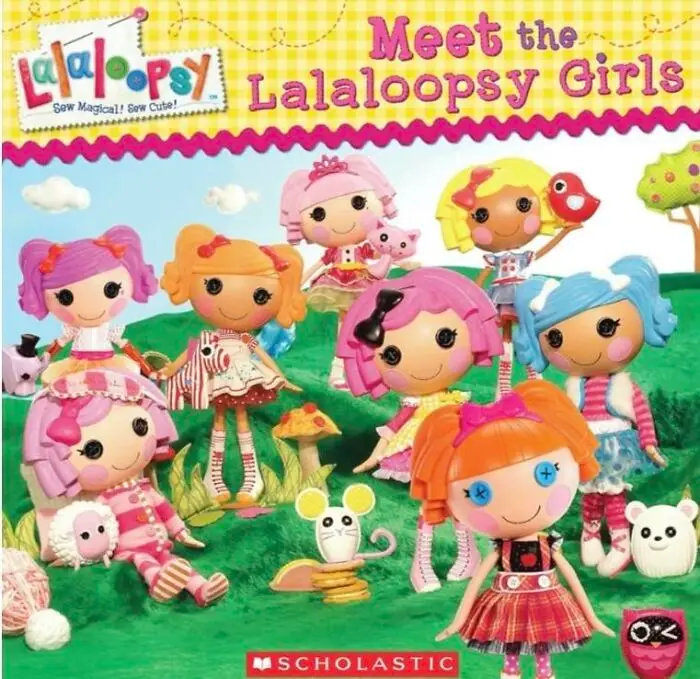

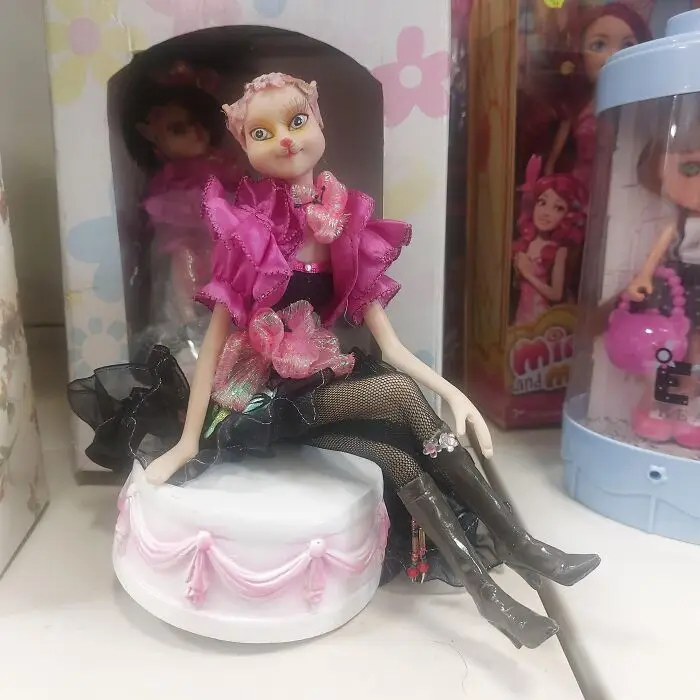
Another important point Sharanya made was sustainability. Whether it’s recycled plastics, biodegradable fabrics, or sustainably sourced wood, she said many designers are turning to eco-friendly materials. The focus is also on durability, so toys can be passed on or resold instead of being thrown away.
In fact, research shows that the global sustainable toys market is poised for substantial growth, expanding from $16,651 million in 2021 to an anticipated $66,155.5 million by 2033.
It also reveals that this expansion is driven primarily by a significant shift in consumer behavior. Modern parents are increasingly prioritizing eco-friendly, non-toxic, and educational products for their children, supported by government promotion.
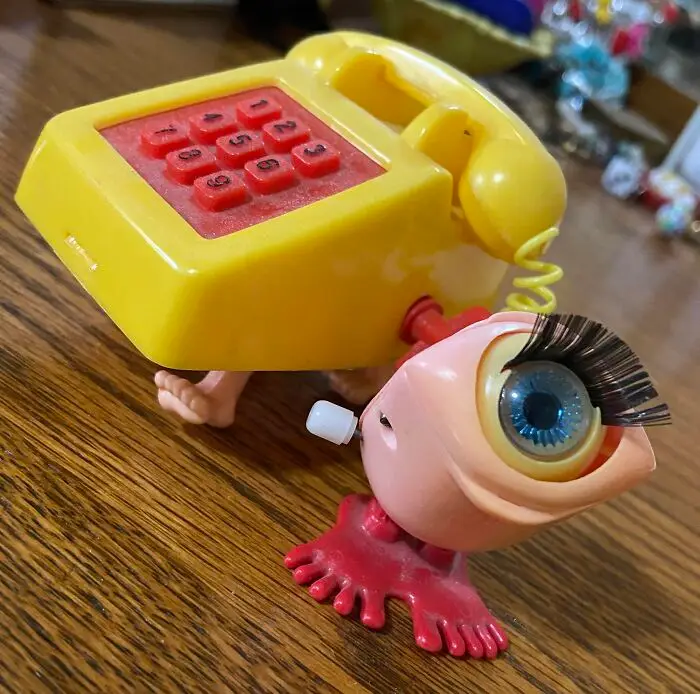
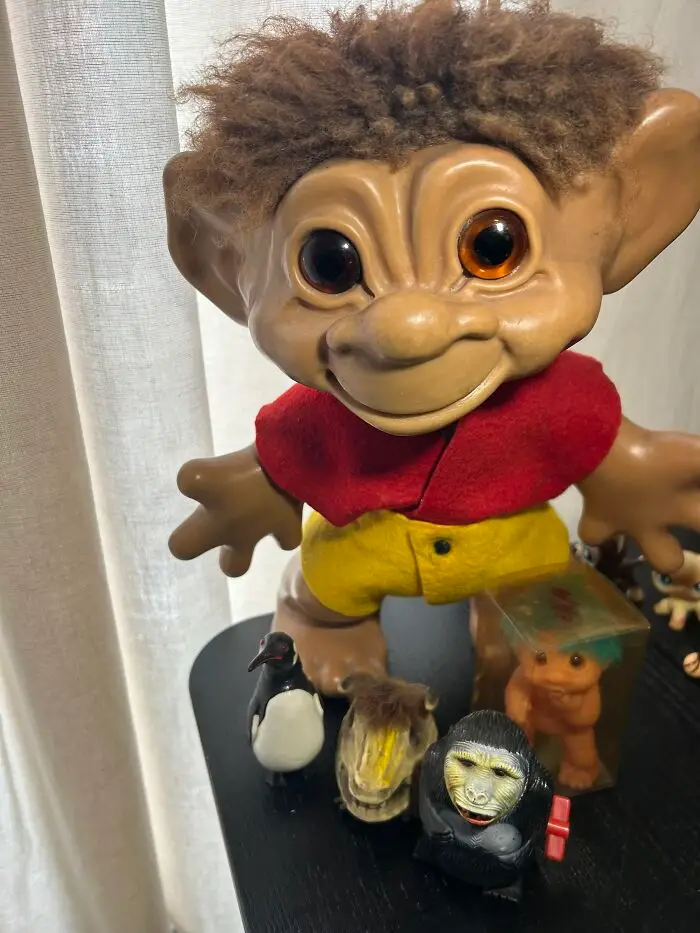

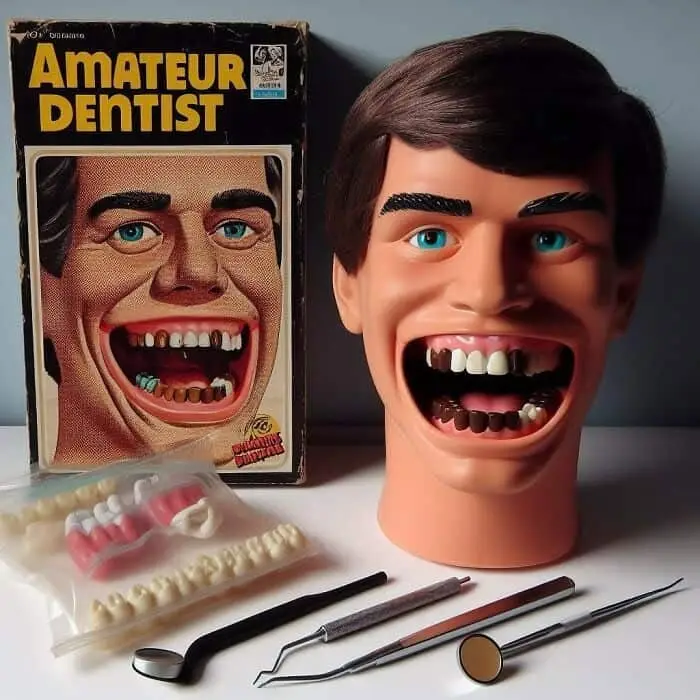
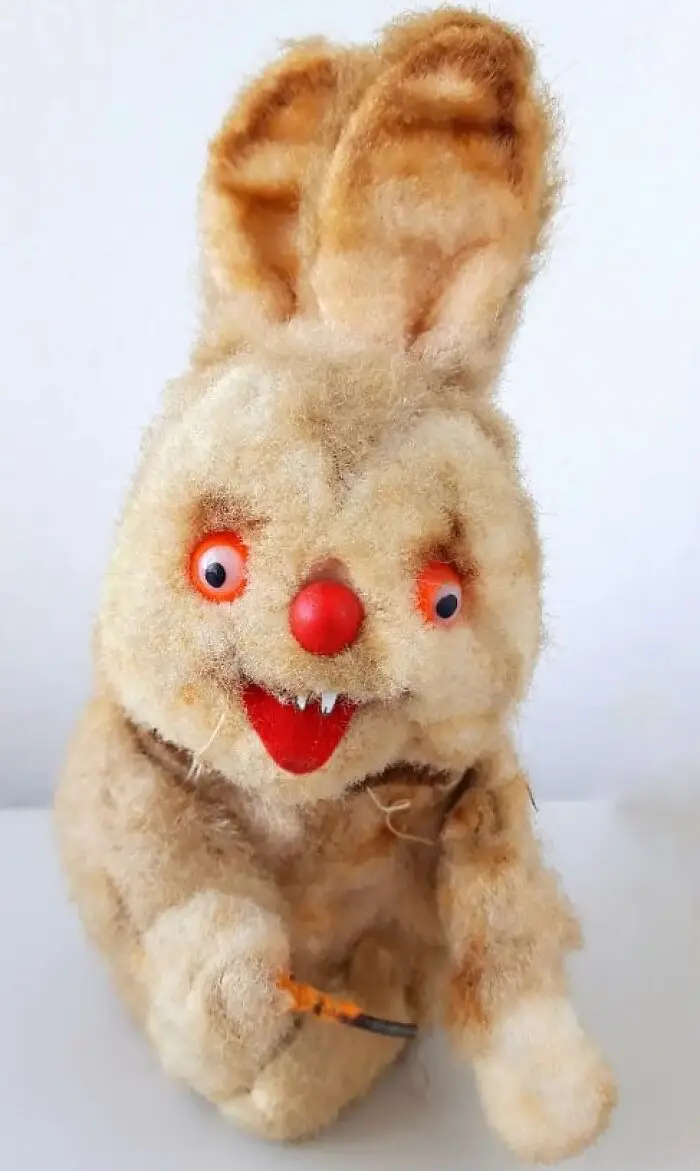
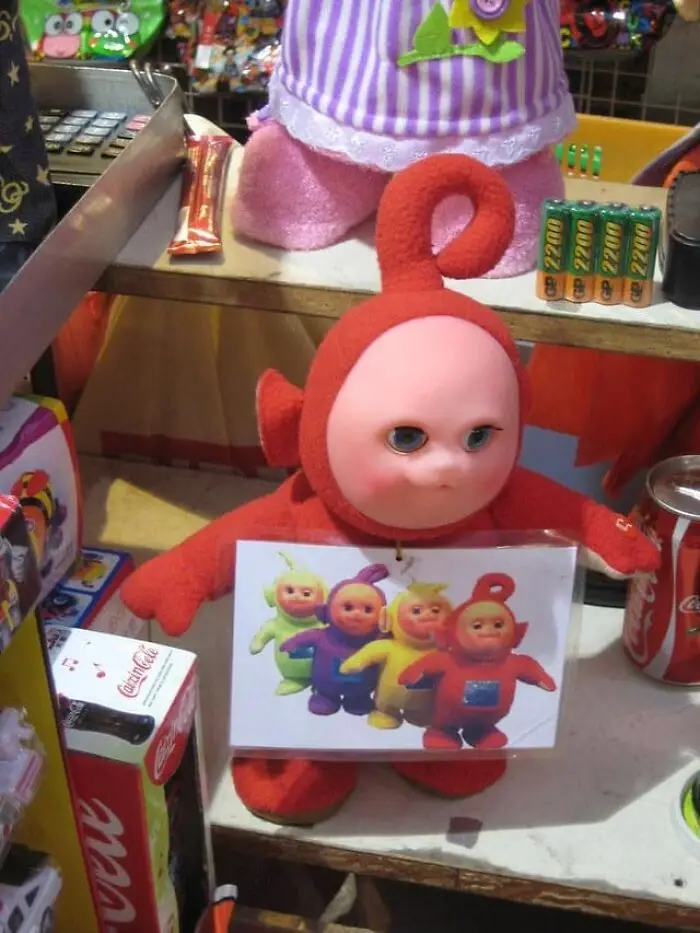
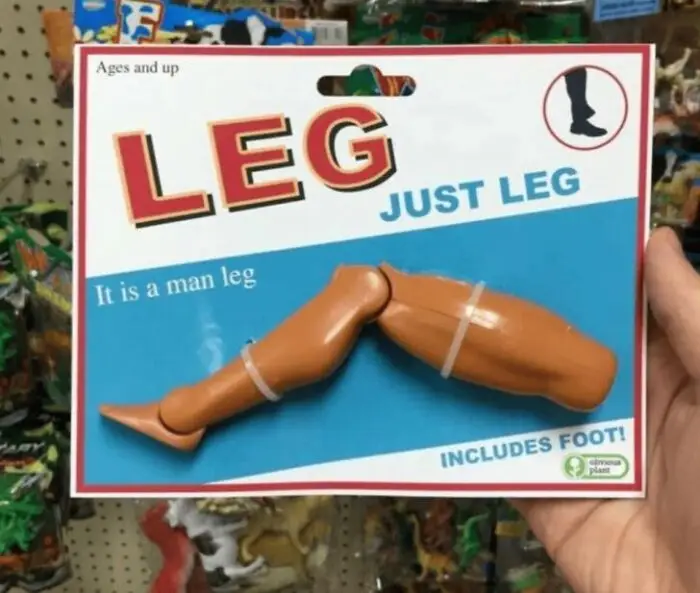
Lastly, we asked our expert to speak about what makes a toy “bad” or “weird.” She said that such toys fail in more than one key area.
“It might be too complicated, with vague instructions or too many buttons that overwhelm a child. Others lack clear purpose, leaving kids unsure what to do with them. Poor aesthetics, like dull colors or awkward shapes, can also make a toy unappealing. And, of course, safety oversights, like sharp edges or choking hazards, can turn playtime into a risk,” she summed up.