



Their paper also stated:
- 62 percent of US adults get news on social media
- The most popular fake news stories were more widely shared on Facebook than the most popular mainstream news stories
- Many people who see fake news stories report that they believe them
So, how do you know when someone is not letting the facts get in the way of a good story? Keep reading to find out.



FactCheck gives the following tips for spotting fake news:
- Look for dodgy URLs
- Read beyond the headlines
- Check the credentials of the person who wrote the original article
- Check the date
- Are there credible sources backing up the story?
If you’re ever in doubt, there are loads of fact-checking organizations that verify information on a daily basis. There are also resources like this one that name and shame fake news sites.

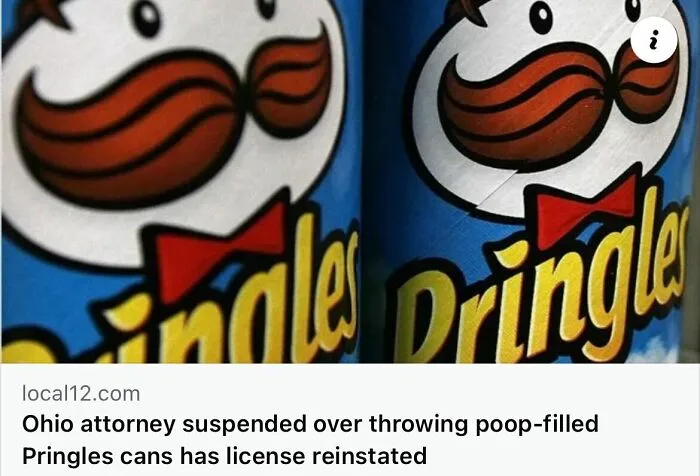

As we head towards another U.S. election later this year, you might want to be on high alert for some untrue weeds in your social feeds. Remember, not everything you read on the internet is true. But we can assure you that Bored Panda has thoroughly fact-checked this article.
Have you ever fallen for fake news? Do you think any of the weird news headlines here are untrue? Let us know in the comments.