






Laws are usually universally acceptable rules that keep us safe and organized, and let us know what to expect from others.
Laws vary from country to country, reflecting the values of a certain culture, and you can understand if they differ from your own. But sometimes laws are so bizarre that you can’t help but wonder what provoked lawmakers to make the decision to approve some of the laws.
Sometimes, countries don’t update very old laws that look silly in modern times, or a singular incident makes them want to never experience something again, so they ban it.
Bored Panda collected some of the strangest, silliest, and most amusing laws from around the world. So enjoy and don’t forget to upvote the ones that surprised you the most!
#21 You Must Provide For Your Elderly Parents In China

In 2013, a new law was released in China requiring adults to care for their aging parents and visit them at least once a year. If the children fail to provide mental and financial support or don’t visit, they will have to pay fines or face time in jail. Because young adults are focused on their careers and want to be independent, their old parents are being left behind. It’s also because of the family planning policies that it is very easy for the only child to lose contact with their parents. And as China’s population is also getting old, more elderly people become neglected and feel lonely. So various measures are being taken and the "Elderly Rights Law" is one of them.
Report
92points
#22 It's Illegal To Wear A Mask Fully Covering The Face In Public In Denmark
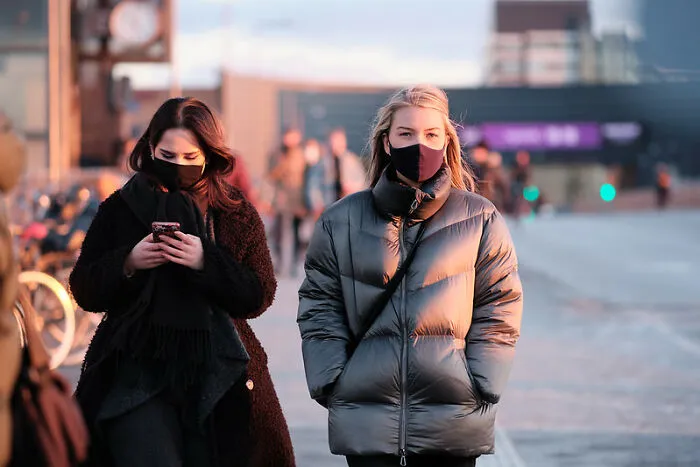
In 2018, Denmark’s parliament approved a law that makes it illegal to wear garments that cover the face in public. It raised concerns that this law is aimed at some Muslim women who wear veils such as the niqab or burqa. Politicians argued that this ban would promote integration, or public safety, or that wearing a veil is inconsistent with national values like gender equality. However, Muslim women expressed that they don’t feel like they are being integrated, but rather discriminated against as wearing veils is their choice.
Report
91points
#23 In The Canton Appenzell Innerrhoden, Switzerland, Nude Hiking Is Against The Law
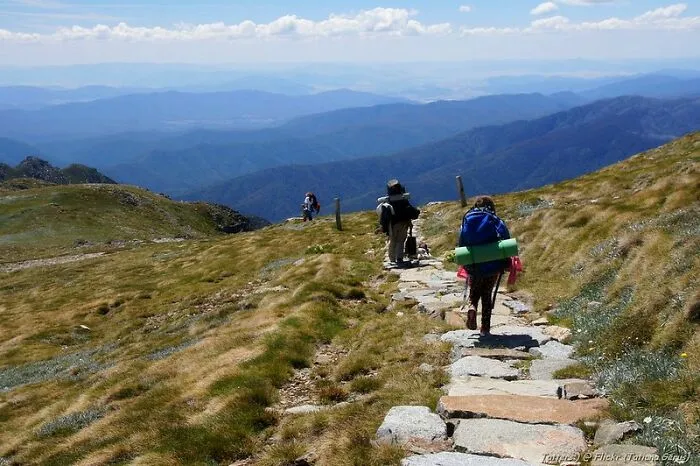
Switzerland doesn’t have a specific law against nudity, just a law against indecency. This law was interpreted quite loosely by tourists and naked hiking became a popular thing. People were saying that they felt the sensation of freedom and connection with nature when they hiked naked.
The Swiss people didn’t appreciate encountering naked foreigners, so a vote was held in 2009 and it ended with a ban on nude hiking in the small canton in Switzerland, Appenzell Innerrhoden.
Report
84points
#24 Canadian Radio Stations Must Play Canadian Artists

According to the Broadcasting Act in Canada, the country’s radio and television broadcasters must include a certain percentage of Canadian content in their programs. Canadian content is considered any content that was at least partly written, produced, presented, or otherwise contributed to by people from Canada. The requirements for radio play is to broadcast 40 percent of Canadian content a year, and for television, it is 55 percent yearly and 50 percent daily.
Report
82points
#25 You Can't Take Selfies With Buddha In Sri Lanka
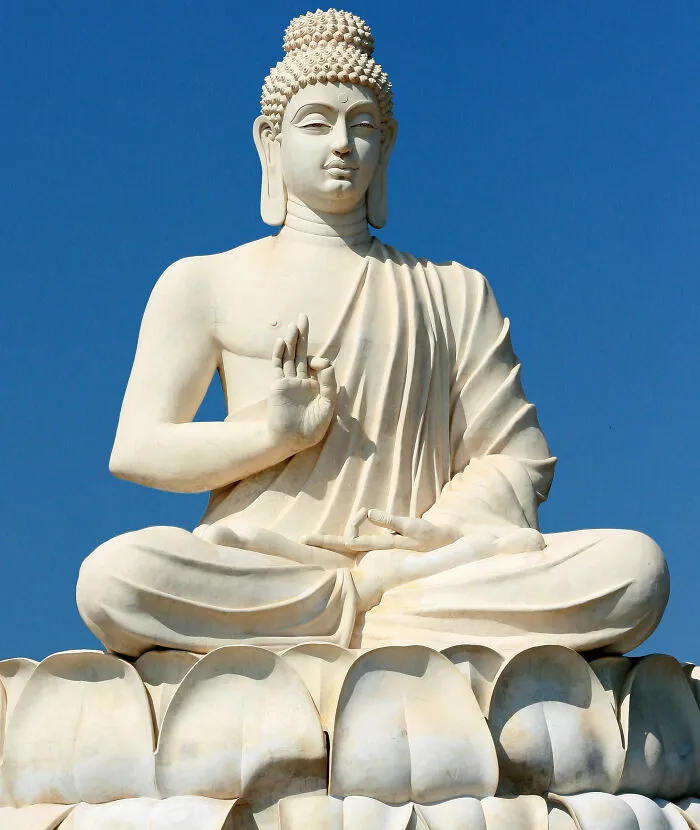
Mistreatment of Buddhist images and artefacts is strictly taboo in Sri Lanka. And when you are taking a selfie, you stand with your back turned to Buddha, which is considered disrespectful, so you shouldn’t take selfies in front of it. They take it very seriously and there was a case of French tourists being convicted under a section of the Penal Code which outlaws deeds intended to wound or insult "the religious feelings of any class of persons" through acts committed in, upon or near sacred objects or places of worship. What did they do you may ask? Well, they were posing for a picture, pretending to kiss a Buddha statue.
Report
80points
#26 It's Illegal For Your Chicken To Cross The Road In Georgia
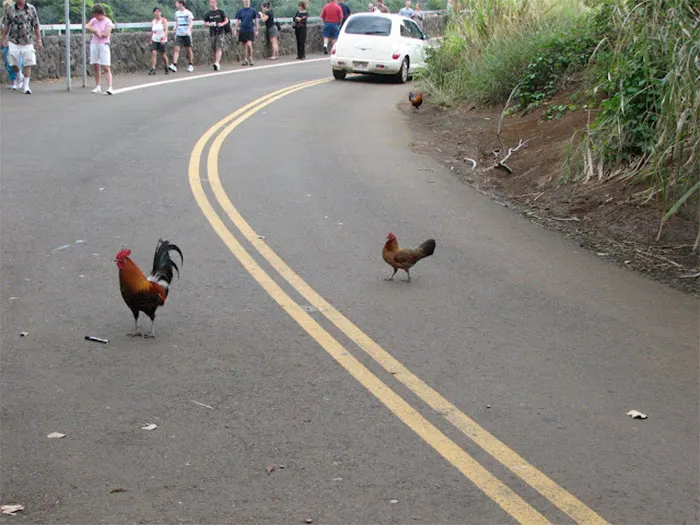
In the United States, in the town of Quitman, Georgia, chicken or other domestic bird owners should keep their domestic fowl away from the streets or other public places. In Chapter 8 of the city’s Code of Ordinance, it is stated, "It shall be unlawful for any person owning or controlling chickens, ducks, geese or any other domestic fowl to allow the same to run at large upon the streets or alleys of the city or to be upon the premises of any other person, without the consent of such other person."
Report
77points
#27 Public Buildings In Wyoming Must Have Art Displays
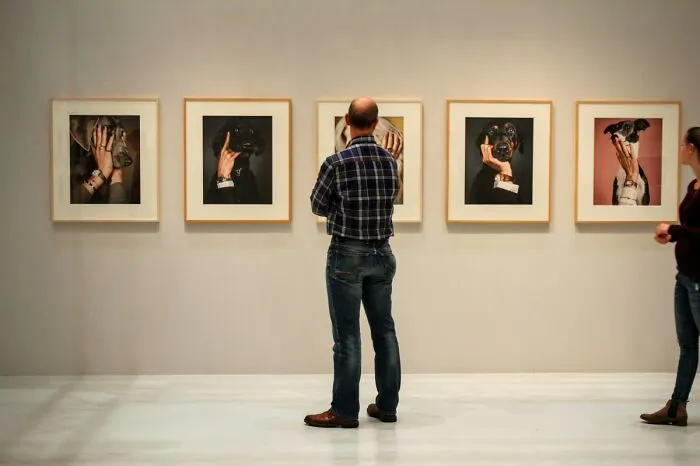
Wyoming Statute 16-6-802 requires that newly constructed public buildings include art displays at a cost equal to 1% of the building’s total construction costs (but not to exceed $100,000). If the total cost of construction is less than $100,000, buildings are exempt from this requirement. The legislation was first passed in 1991. The artwork for each project is selected by a committee specifically selected for that project and its purpose is to beautify state buildings and draw attention to the wealth of artists' experience within the region.
Report
75points
#28 Until 2015, It Was Illegal To Dance After Midnight In Japan
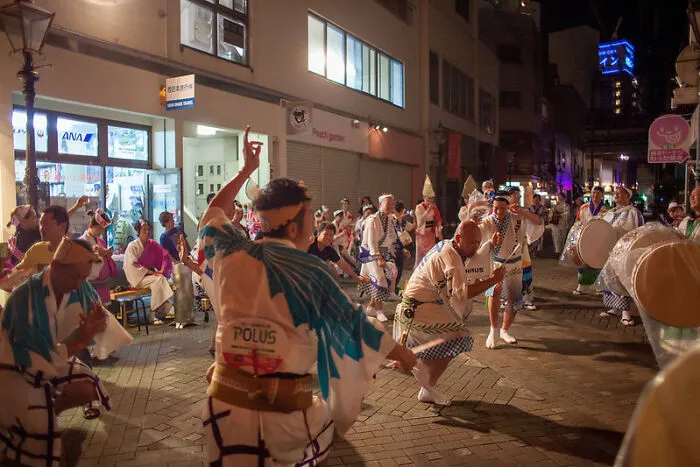
From 1948 until 2015, it was illegal to dance after midnight in Japan. The ban was designed to stop prostitution that was linked to dance halls, but it wasn’t really enforced. However, the new law says club seating areas can't be too dark, which is an attempt to discourage crime. Darker clubs should be governed under the old law and have stricter rules for after-midnight operation.
Report
70points
#29 In Oshawa, Canada It Is Forbidden To Climb Trees
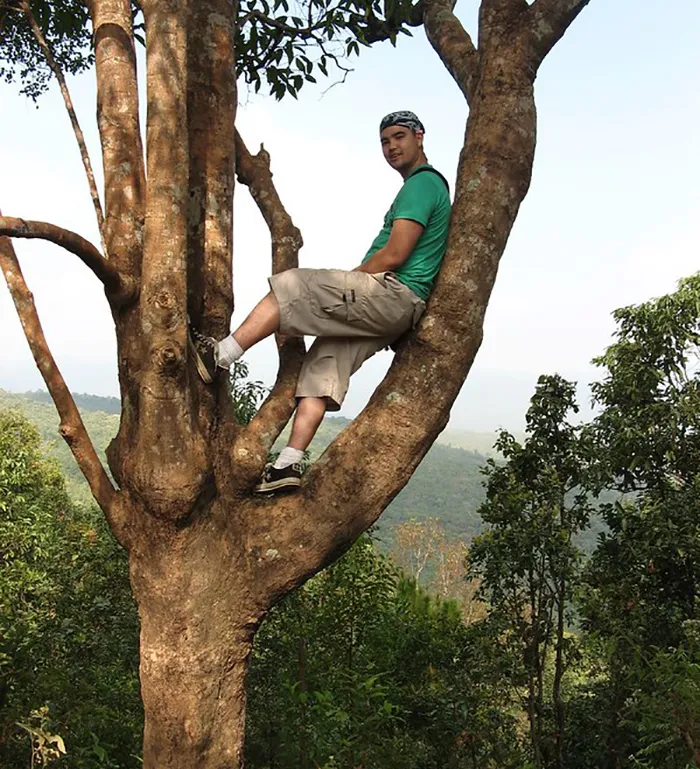
In the city of Oshawa in Ontario, Canada, it has been prohibited to climb trees since 2008. The law states, “No person shall interfere with a tree or part of a tree located on municipal property, including but not limited to attaching, affixing or placing upon in any manner any object or thing to a tree or part of a tree, and climbing the tree.” The city of Oshawa says that they care about their citizens’ safety so they prohibited this activity which can end with injuries.
Report
64points
#30 China Prohibits Unauthorized Buddhist Monks’ Reincarnation
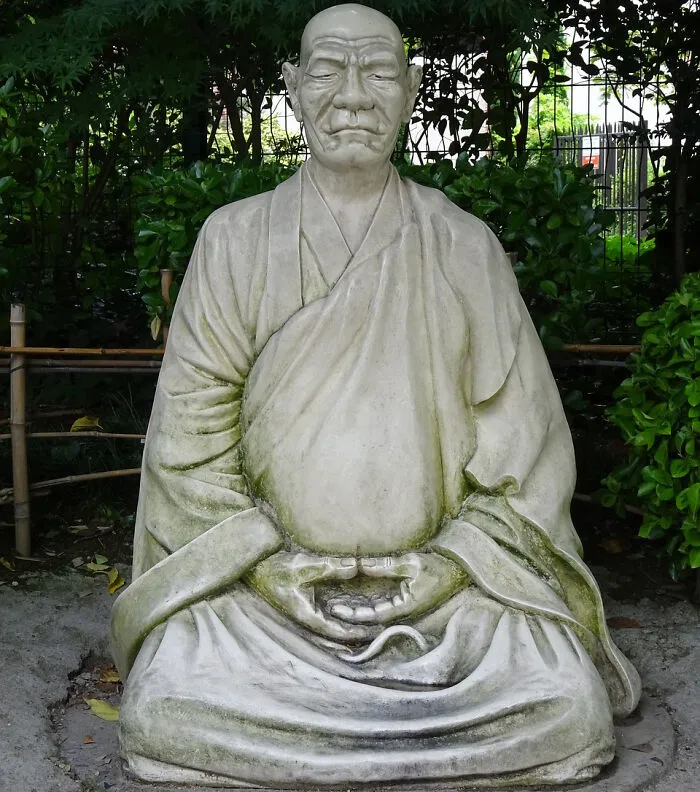
Until 2018, the State Administration For Religious Affairs (SARA) was a part of China‘s government, and in 2007, they issued a decree that all the reincarnations of tulkus of Tibetan Buddhism must get government approval, otherwise the reincarnations would be illegal.
Article 7 of the decree states, “once an application for a living Buddha’s reincarnation has received approval, […] the management organization at the monastery where the living Buddha is registered, or the corresponding Buddhist association, shall establish a search team to look for the reincarnate soul child, and search affairs shall be carried out under the leadership of the guidance team. No group or individual may without authorization carry out any activities related to searching for or recognizing reincarnating living buddha soul children.”
And when the reincarnate is found, the child will have to be approved by the provincial or autonomous regional people’s government religious affairs department, the State Administration For Religious Affairs or the State Council for approval, depending on the size of the living Buddha’s impact.
Report
56points

