





The saying "The past is a foreign country" comes from the 1950s novel “The Go-Between,” which is set at the tail end of the Victorian era. It’s one of those concepts that sounds outlandish until one actually sits down and looks at the reality of life in the past.
The “Victorian Chronicles” Instagram page is dedicated to sharing interesting and illuminating posts and images about the Victorian era. So get comfortable as you scroll through, upvote your favorites and be sure to add your own thoughts to the comments section down below.
More info: Instagram
#21
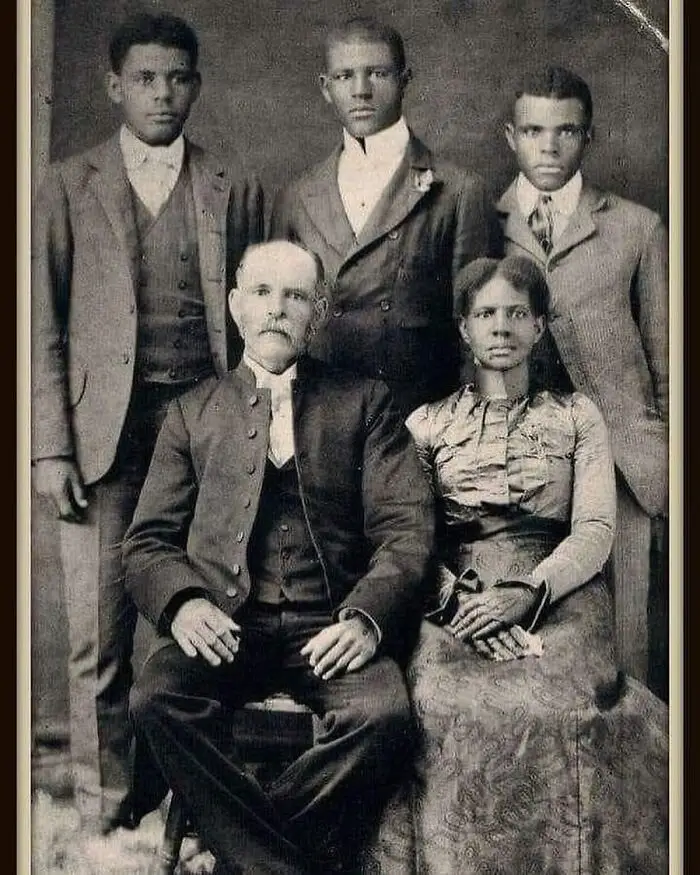
Biracial Family taken circa circa 1900, Tennessee, USA. He was Jim Turner, from an affluent white family in Henning, TN, and his wife Carrie Turner, a schoolteacher.
Their sons George, William, and Hardin, who became a doctor. This is a stunning portrait of a family who defied societal norms and embraced their mixed heritage with pride, showcasing that love knows no boundaries.
Their sons George, William, and Hardin, who became a doctor. This is a stunning portrait of a family who defied societal norms and embraced their mixed heritage with pride, showcasing that love knows no boundaries.
Report
24points
Ultimately, Victorian photographs endure because they satisfy multiple human needs simultaneously. They feed our curiosity about the past, appeal to our aesthetic sensibilities, and provide a tangible connection to our ancestors. In an age of disposable digital images taken by the billions every day, there's something refreshing and grounding about photographs that were created with such deliberation and care, each one a precious artifact of a moment that will never come again.
#24
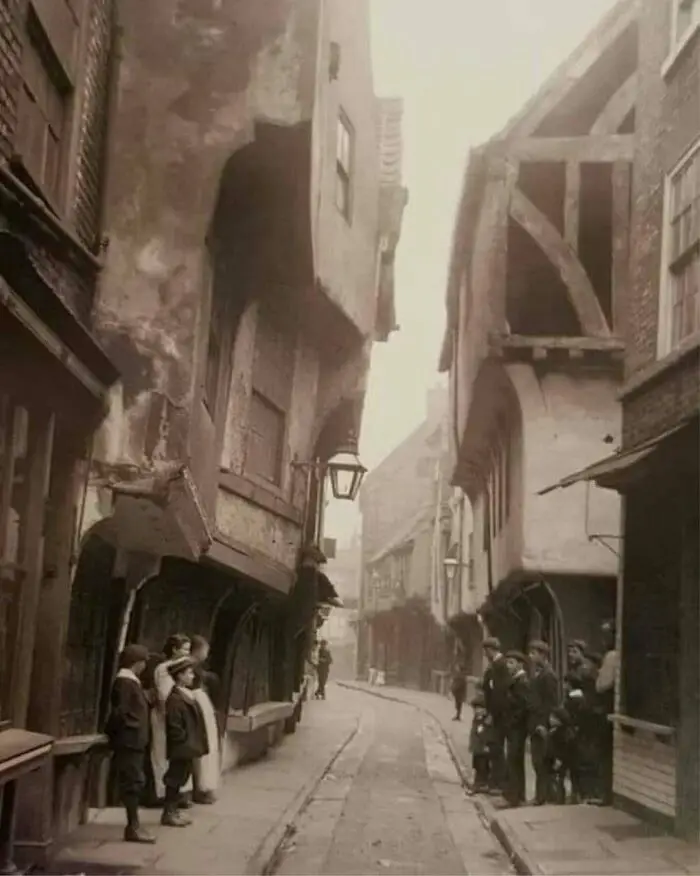
The Shambles in York, pictured in 1900, is still one of the best-preserved medieval shopping streets in Europe. It's a narrow street of mostly timber buildings that date back as far as the 13th Century.
Report
23points
#25
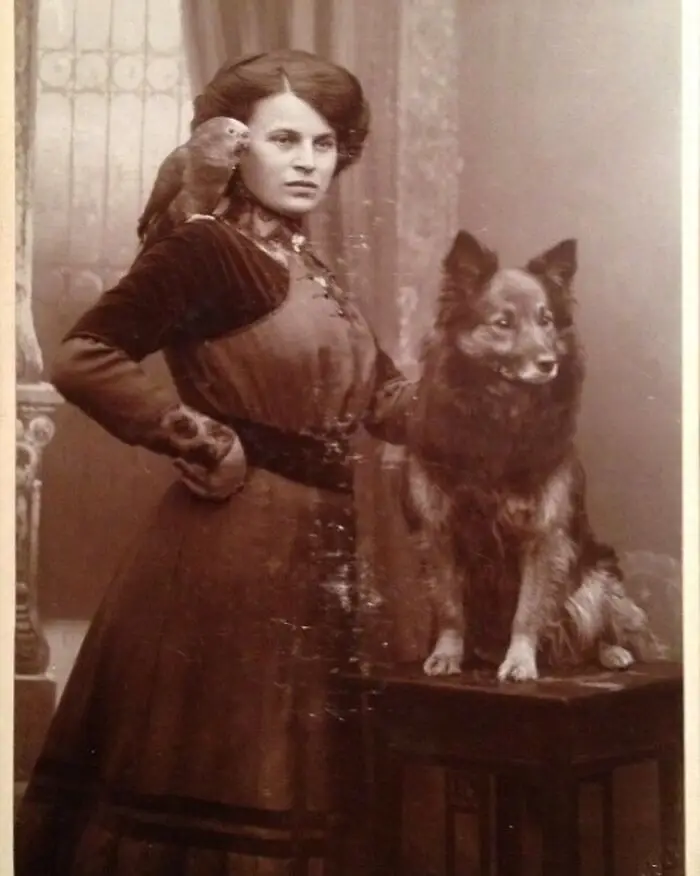
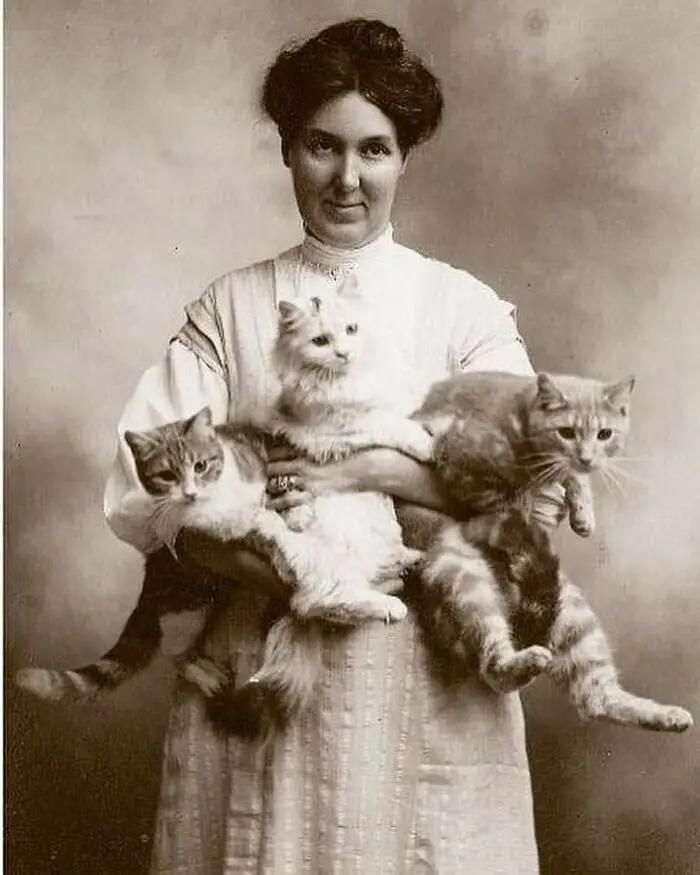
Postcard of unknown lady with her pets taken by a Rudolph Krull, late 1890s early 1900s.
Report
23points
#26
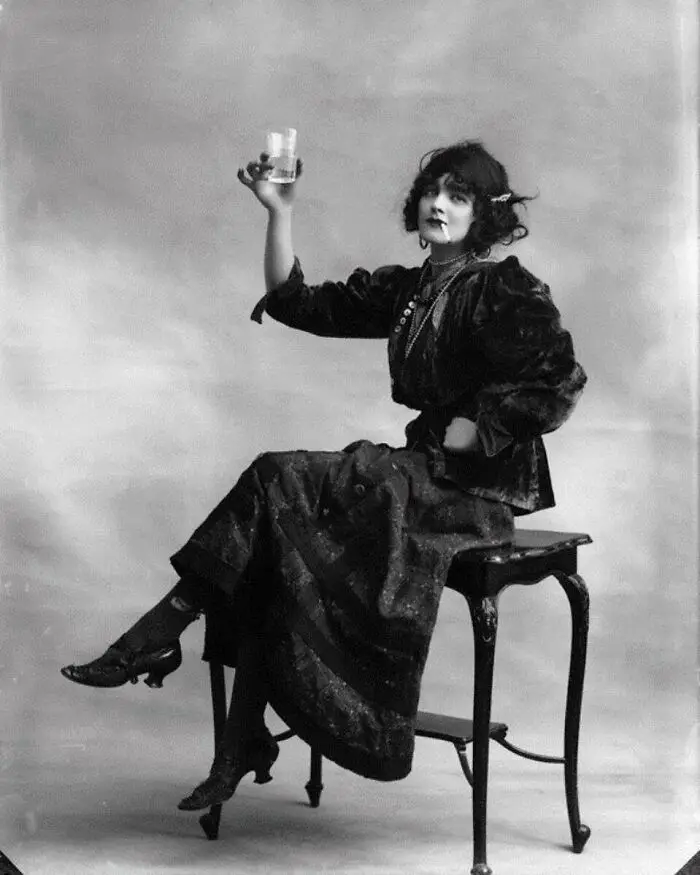
Portrait of actress Betty Lindlay taken by Bassano at his studio, 25 Old Bond Street , London. Taken circa 1914.
Report
23points
#27
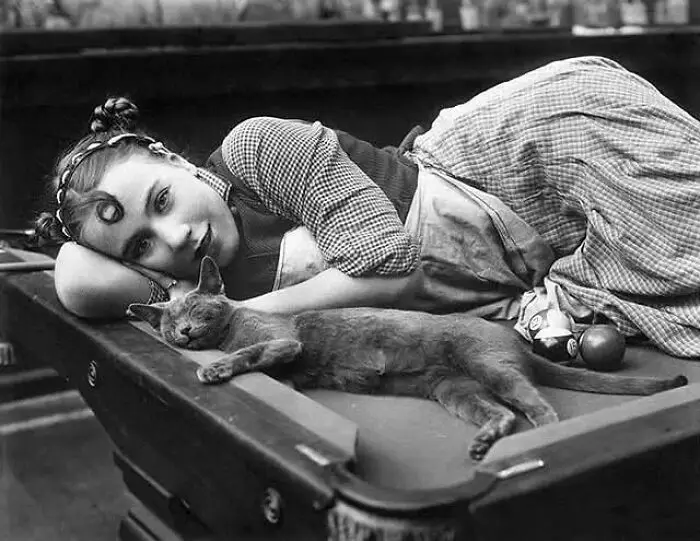
Pepper the Cat and Louise Fazenda taking a rest during the filming of “Are Waitresses Safe?” Circa 1917. Pepper was a female Oriental Maltese cat who had starring turns in several silent comedy films produced by the Mack Sennett Studios from 1917 to 1922. Noted for her exceptionally photogenic good looks and her catty yet lovable personality, Pepper became the first true celebrity feline in film history. Louise Fazenda (June 17, 1895 – April 17, 1962] was an American film actress, appearing chiefly in silent comedy films.
Report
23points
#28
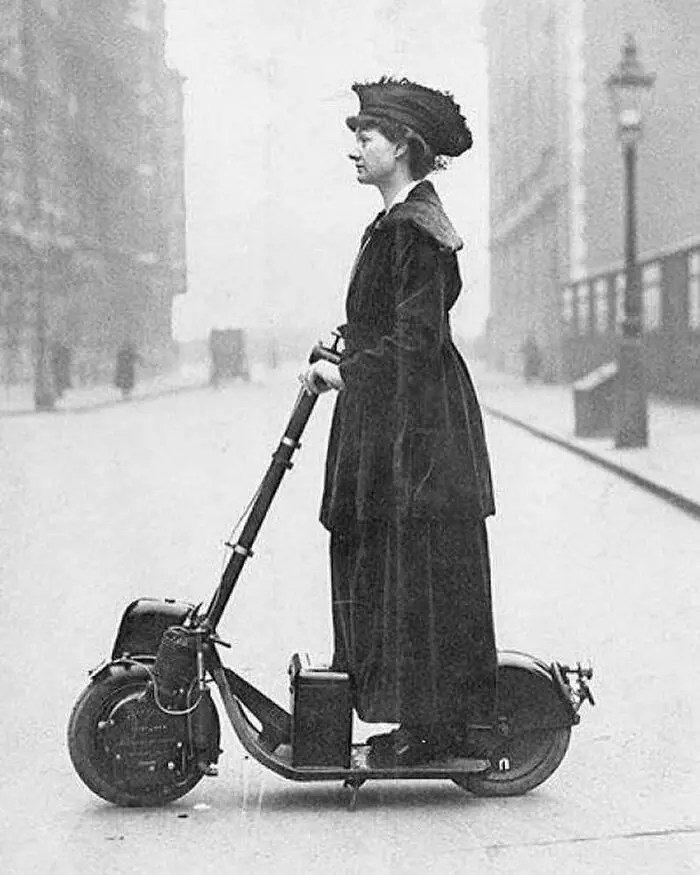
Lady Florence Norman, a suffragette, rides her motor-scooter to work, 1916.
Report
23points
#31
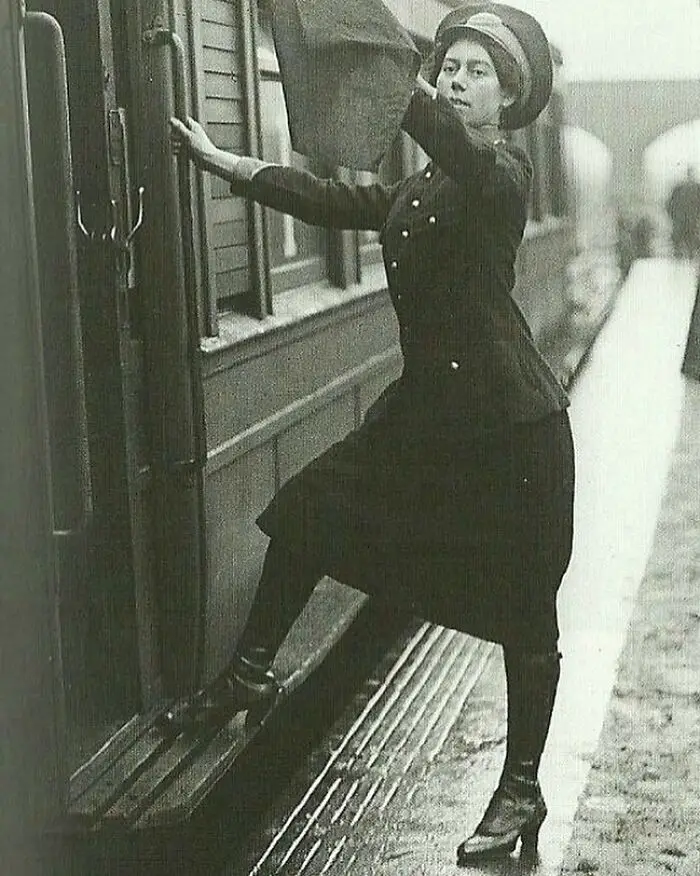
A female train conductor in London 1916. With the men folk gone off to war at the front, women showed they were able to do these important jobs. When the war was over these jobs unfortunately became 'men only' again.
Report
23points
#32
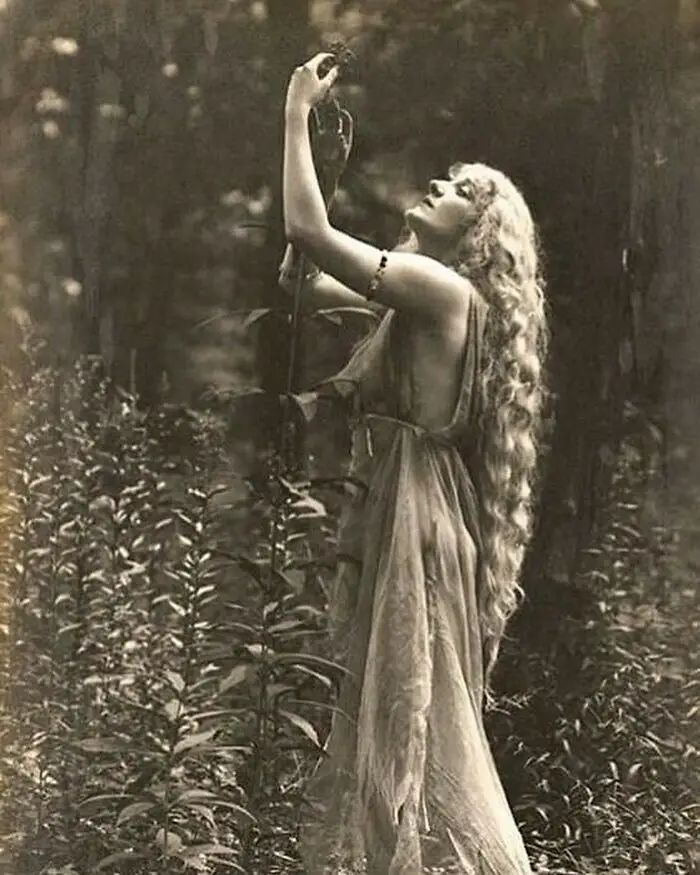
photoshoot of German actress Gertrude Hoffman posing in garden taken c 1900s.
Report
22points
#33
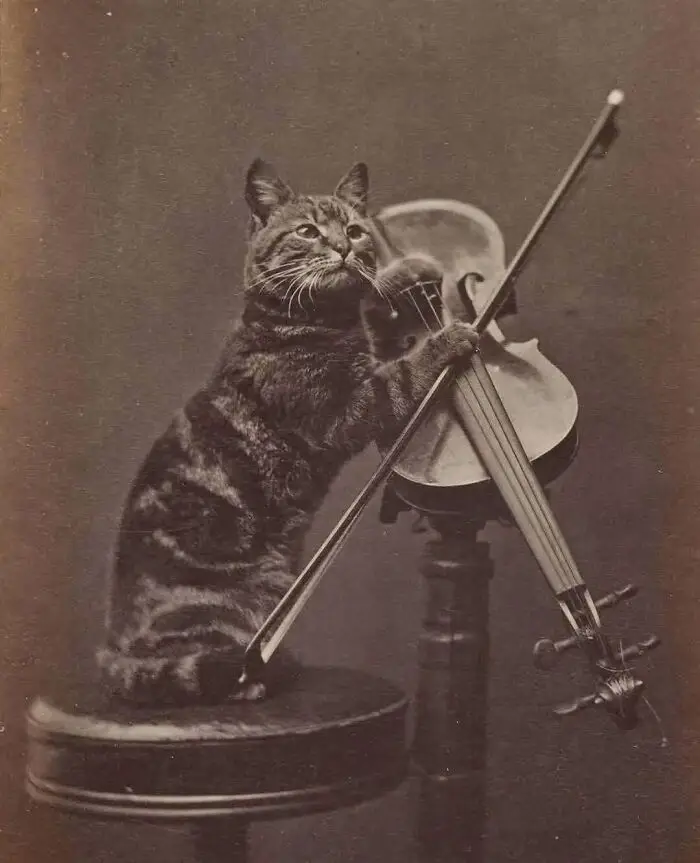
Postcard of Cat on a stool playing a violin; by photographer Henry Pointer, British, 1822 - 1889, taken March 1872; Albumen silver print.
Report
22points
#35
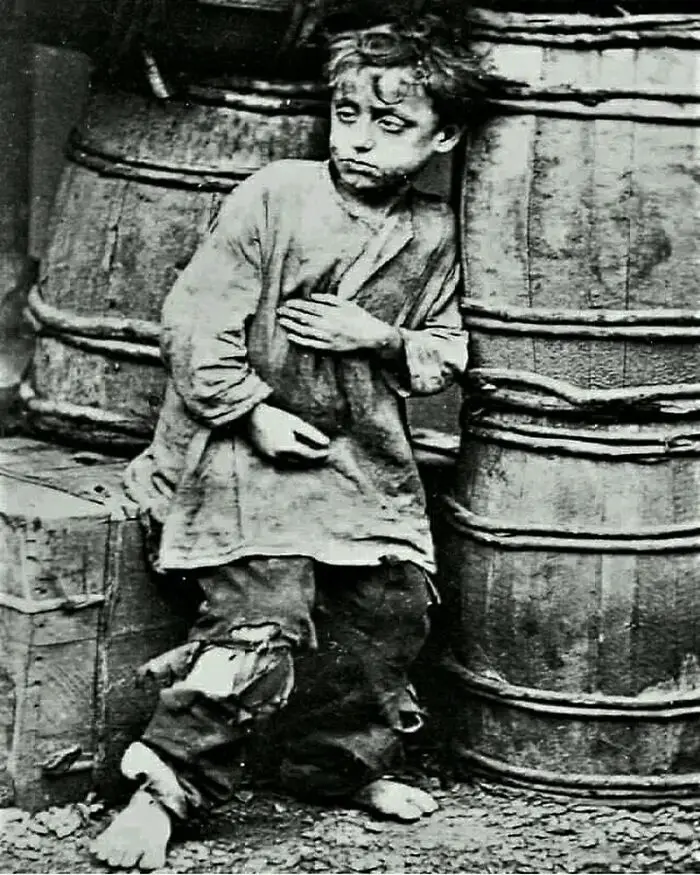
Portrait of a Street urchin found by Thomas Barnardo in Whitechapel that led to his orphanage and later a ragged school to educate the East destitute, taken circa 1890s.
Report
21points
#36
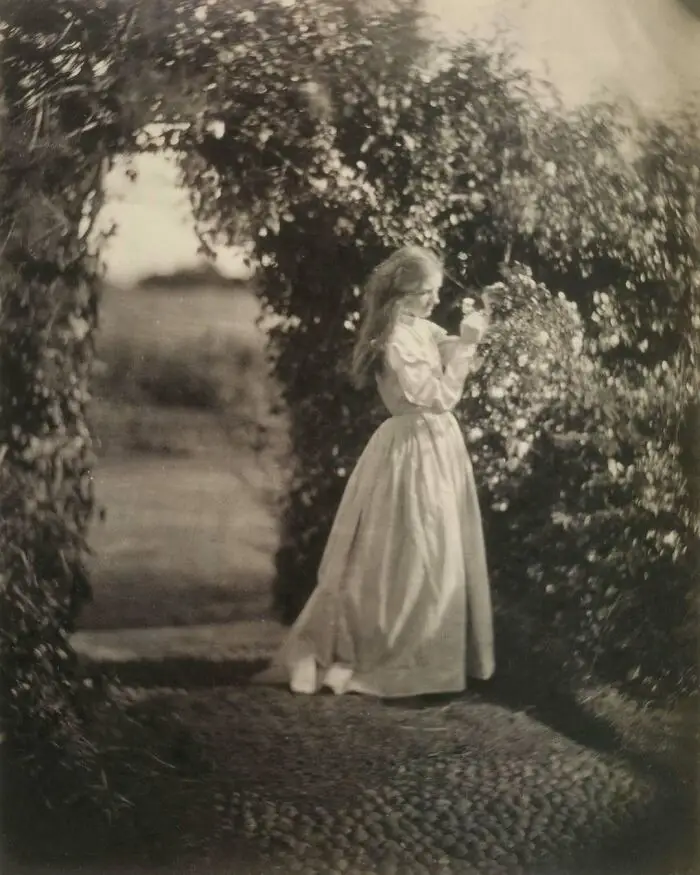
The Gardener’s Daughter (Mary Ryan), 1870, From Julia Margaret Cameron’s “Women” series
Report
21points
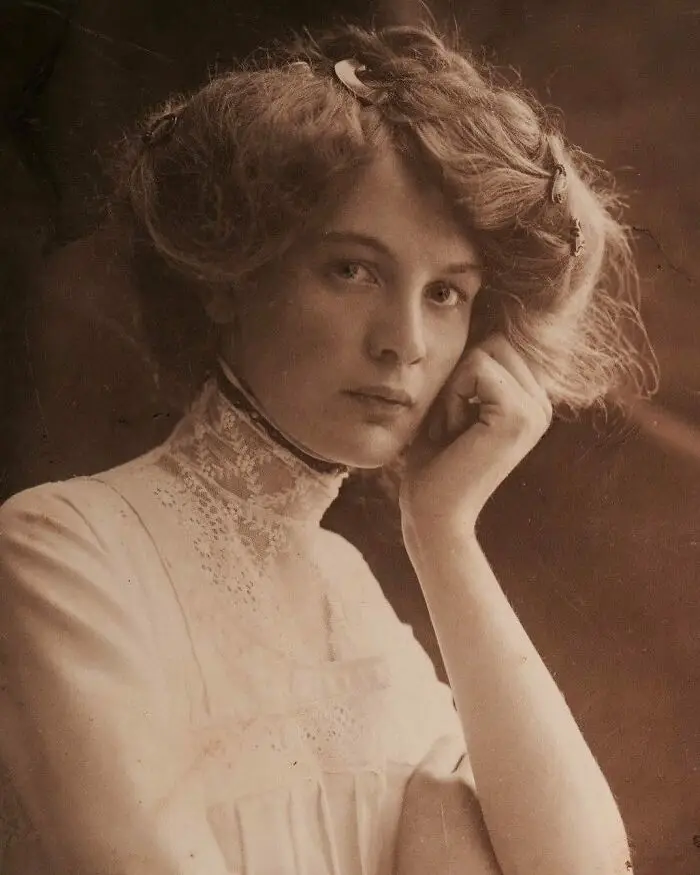
#38
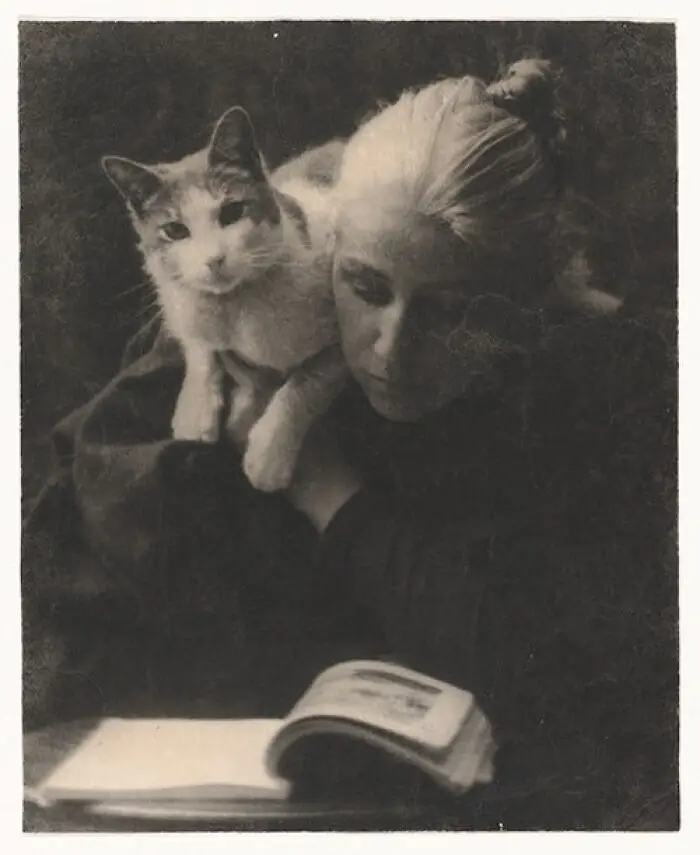
Amelia Van Buren with friend photographed by Thomas Eakins, late 1880s, Metropolitan Museum of Art: Photography.
Report
21points
#39
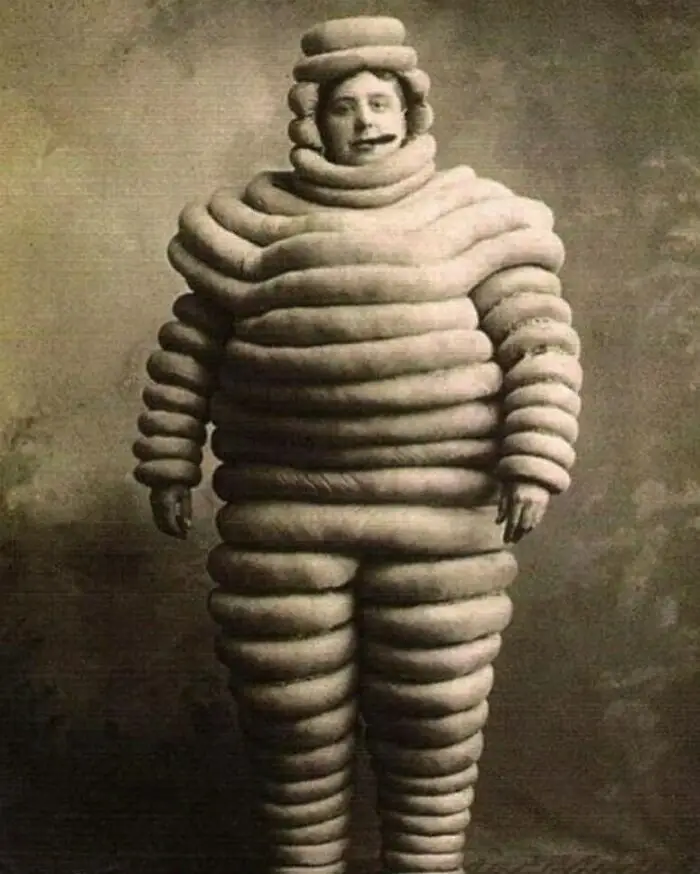
The original Michelin Man from 1894. The Michelin Man aka Bibendum is white because rubber tires are naturally white. It was not until 1912, that carbon chemicals were mixed into the white tires, which turned them black. The change was structural, not aesthetic. By adding carbon, tires became more durable.
Michelin also began reviewing restaurants so that more people would travel further distances in their cars to eat at these restaurants. This in turn would wear down their tires faster, and force them to buy more.
The star system that Michelin uses goes up to three and is broken down by whether or not it's worth driving to the restaurant.
One star: "A very good restaurant in its category" (Une très bonne table dans sa catégorie)
Two star: "Excellent cooking, worth a detour" (Table excellente, mérite un détour)
Three star: "Exceptional cuisine, worth a special journey" (Une des meilleures tables, vaut le voyage).
Report
20points
#40
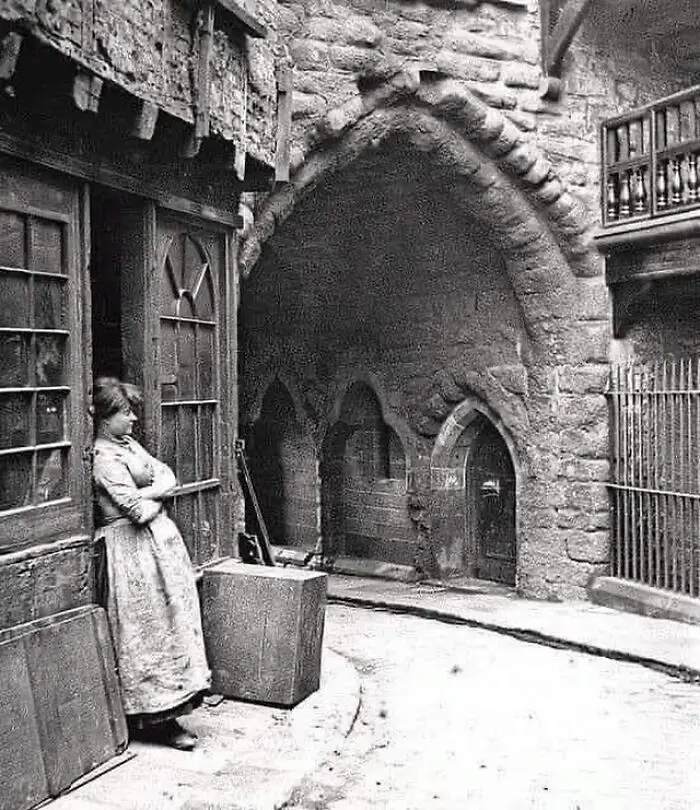
Black Gate, Newcastle, England. Street scene close-up of the gateway with a woman leaning against a shop doorway.. taken circa 1880.
Report
20points


