



Some people seem to have creativity in buckets. They can dream up brilliant ideas in minutes, while others have about as much imagination as a concrete wall.
But is creativity a natural talent that we’re born with, or is it something anyone can learn with enough practice? Well, that’s a question scientists have been trying to answer for decades, and the truth is surprisingly complicated.


For starters, there’s some evidence that creativity runs in the family. In one study, researchers looked at 122 pairs of twins who had grown up apart. They asked participants to draw pictures and had their creations judged for creativity.
It turned out that identical twins tended to get more similar scores than fraternal twins, suggesting that our genes might have something to do with how creative we are.

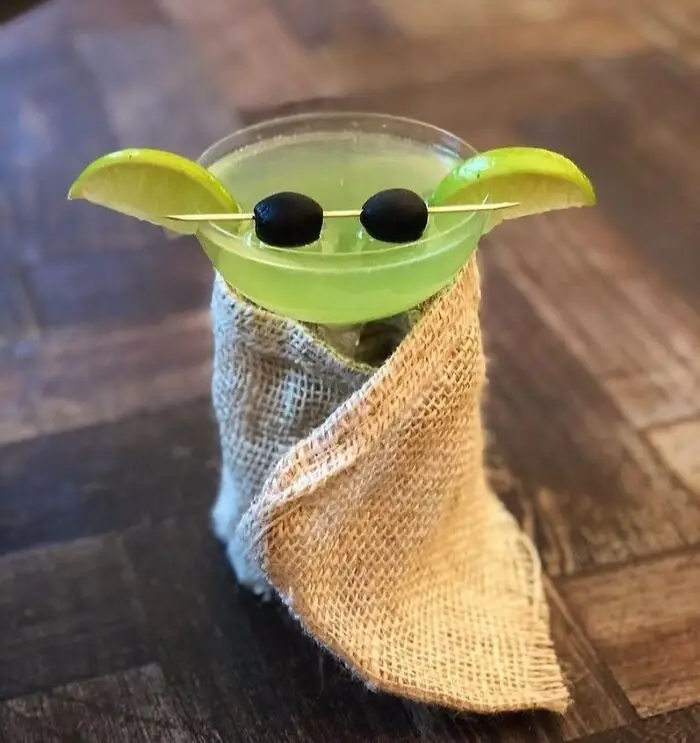
Still, being born with a certain amount of creativity doesn’t mean that’s all we’ll ever have. Much like a muscle, our imagination can become stronger with regular exercise.
In fact, a 2024 review of 169 studies found that creativity training helped people improve their performance on creative tasks. So even those who have never considered themselves particularly imaginative have opportunities to develop their abilities.

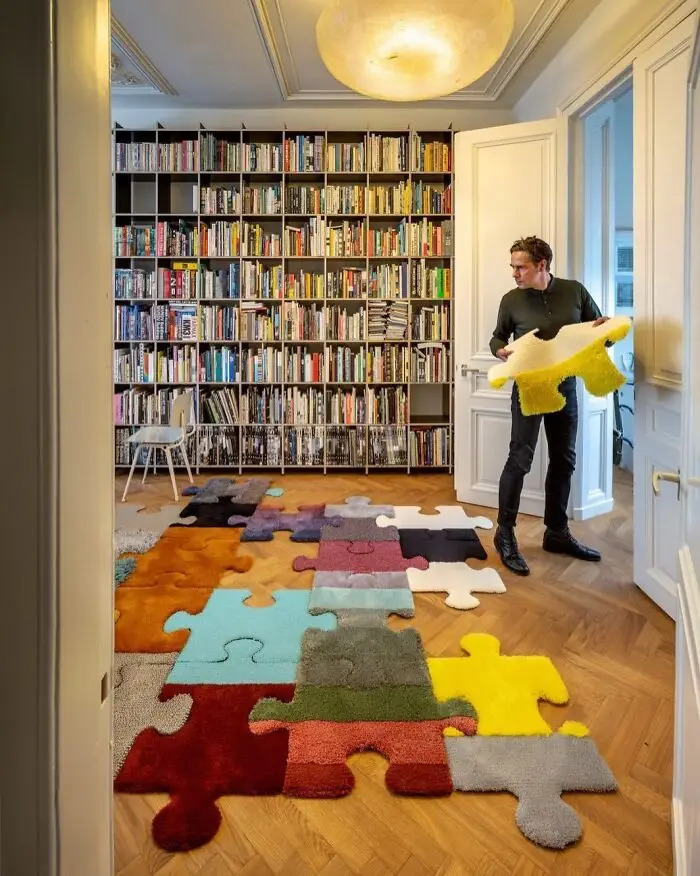

Ironically, trying too hard to be creative might not be the best way to boost our creativity. Sometimes, our brains do their best creative work when we’re busy doing something completely unrelated.
In a 2012 experiment, researchers found that people who took a break from a creative task to do something simple that allowed their minds to wander performed better when they returned to it.
This might explain why brilliant ideas sometimes pop into our heads while we’re washing dishes or taking a shower.

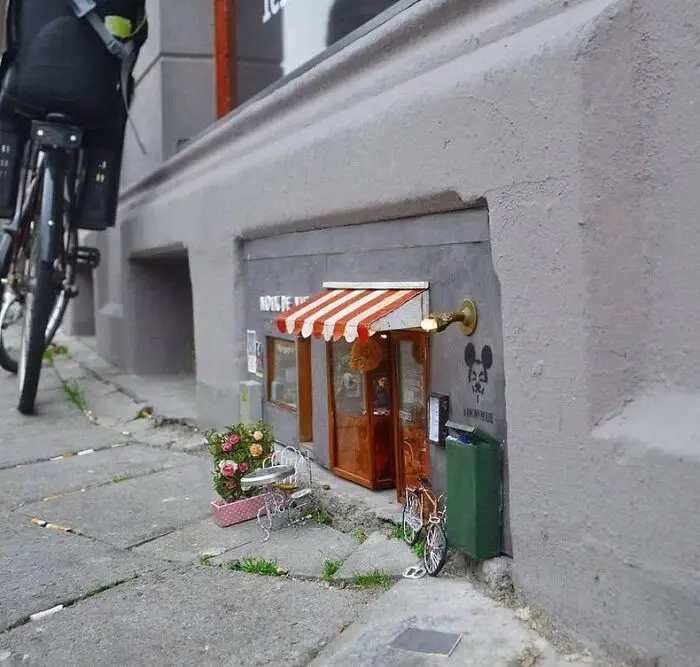

Walking, in particular, seems to be a great way to give our brains a break. A Stanford University study found that walking increased creative output by an average of 60% compared with sitting.
And it didn’t even matter whether people went outside or walked on a treadmill indoors. Both helped get their creative juices flowing.

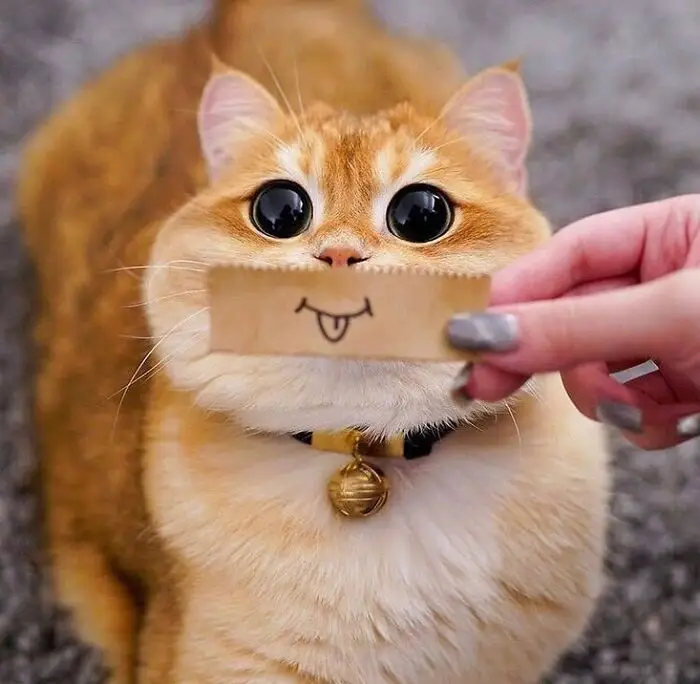
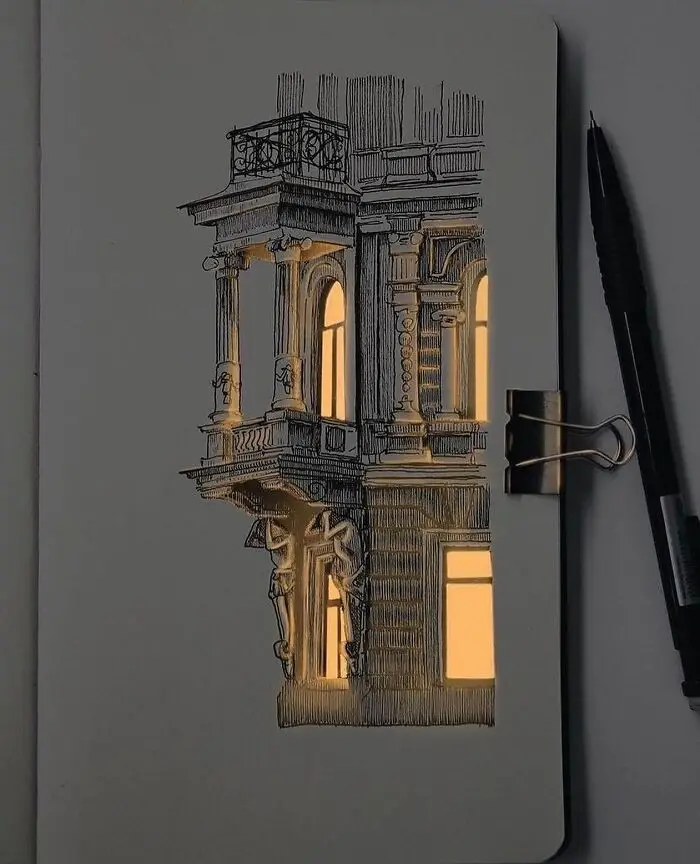
Even the most naturally talented person won’t get very far if they never actually do anything with their abilities. The more you practice and experiment, the better your chances of creating something worthwhile.
One study examining brainstorming looked at 69 groups of people who were asked to come up with solutions to problems. Researchers found that groups that generated more ideas also produced better-quality ones, judging them by how original and useful they were.
So don’t let a few failed attempts discourage you from trying again. After all, success often comes after plenty of trial and error.