


This post may include affiliate links.
#1
Obviously this didn't work. It did exactly the opposite of working.
#2
#3
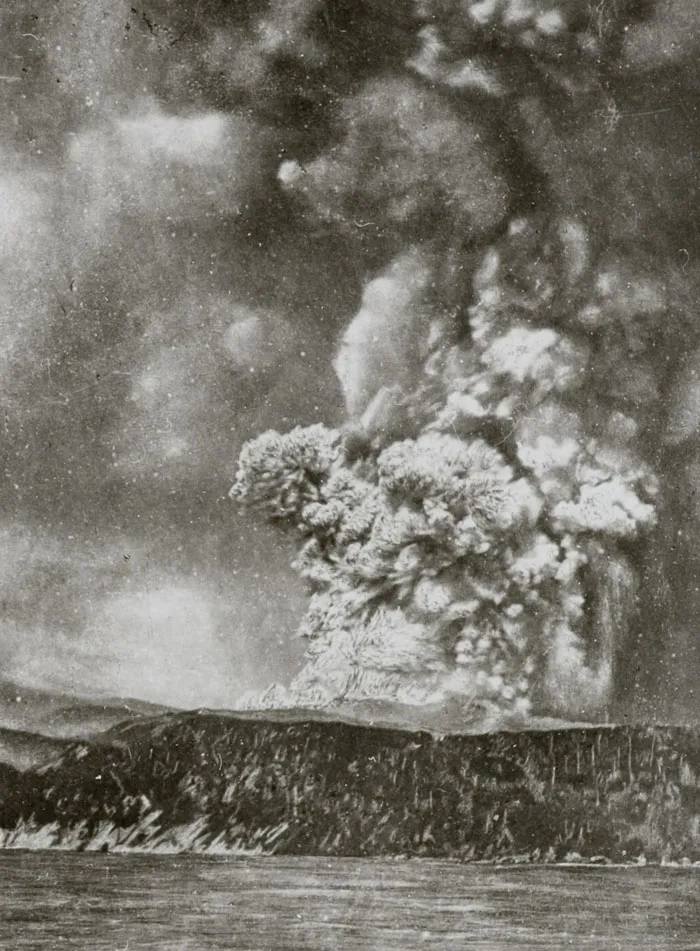
That's like you standing in New York and hearing a sound from San Francisco.
It’s no secret that our world is full of surprises, and history is no different. Once you look beyond the usual kings, wars, and famous dates, you’ll find some truly bizarre stories hiding in the past. Today’s post is packed with strange historical facts and events, but we also wanted to dig a little deeper and uncover some lesser-known stories that are fascinating. Some are surprising, some are unsettling, and a few are so unusual that you might find yourself wondering how you never heard about them before.
Take Chrysippus, the ancient Greek Stoic philosopher, for example. According to the ancient biographer Diogenes Laërtius, Chrysippus died at around 73 years old during the 143rd Olympiad, around 206 BC. One account claims that he died after laughing uncontrollably at his own joke. The story goes that he saw a donkey eating his figs and jokingly suggested giving it some undiluted wine to wash them down. Apparently, the joke was so funny to him that he couldn't stop laughing and eventually collapsed. There is, however, another less amusing account of his death, which says he became ill after drinking strong, undiluted wine at a feast. So, whether he really laughed himself to death remains a mystery—but it certainly makes for one of history's strangest death stories.
#4
#5
#6
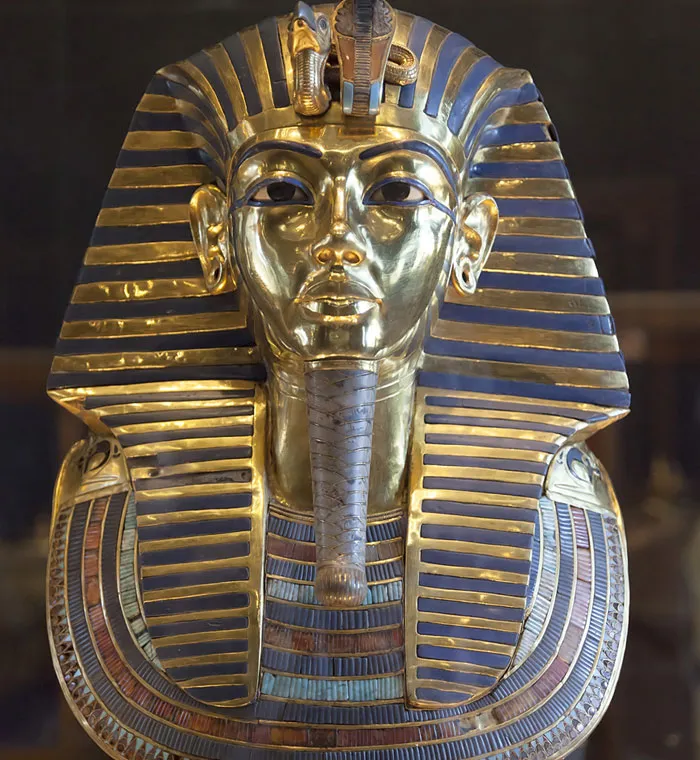
He wasn’t an influential or all that memorable pharaoh of his time. King Tut is to King Edward VI of England, too young to rule and passed too early to be effective.
There’s obviously a lot written about some of history’s most famous figures, and Cleopatra is a perfect example. But separating the real woman from the larger-than-life legend surrounding her can be surprisingly difficult. In Cleopatra: A Life, Pulitzer Prize-winning author Stacy Schiff takes a closer look at the Egyptian queen beyond the Hollywood image of a glamorous seductress. Schiff presents Cleopatra as a highly intelligent political strategist, skilled negotiator, and capable ruler who spoke multiple languages and understood how to navigate an incredibly dangerous political world. In other words, there was much more to Cleopatra than the dramatic love stories and elaborate costumes we usually see in movies.
#7
#8
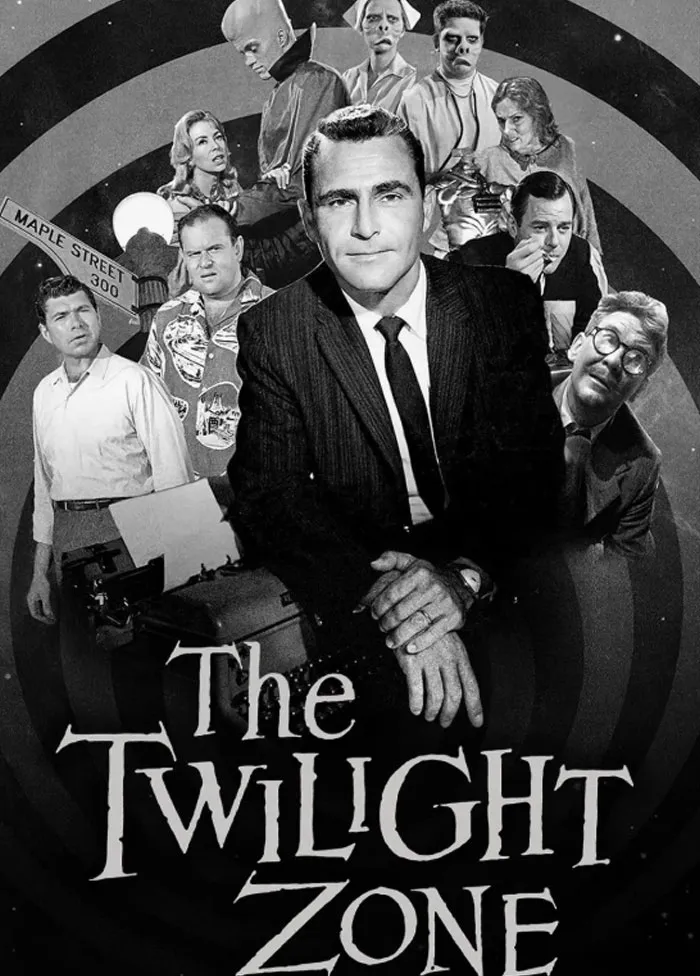
The episode was "The Big Tall Wish," which was part of the first season of the show and it was awarded the 1961 Unity Award for Outstanding Contributions to Better Race Relations.
#9
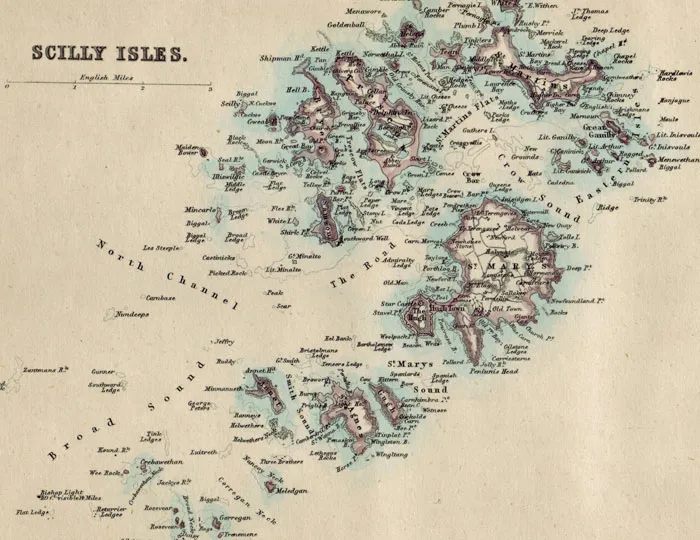
There once existed an alleged theoretical state of war that lasted 335 years and 19 days, and was between the Dutch and an archipelago off the coast of southwest England called the Isles of Scilly.
What's more, there were no casualties (because the Dutch forgot that they were at war with the Isles).
It wasn't until a Scilly historian contacted the Dutch about the "war" in 1985, and received the information that the "war" was still technically ongoing, that a peace treaty was signed in 1986.
And while we know quite a bit about Cleopatra, there are still some facts about her life that can seriously mess with our sense of time. For instance, Cleopatra lived closer to the launch of the first iPhone and the 1969 Moon landing than she did to the construction of the Great Pyramid of Giza. The pyramid was already more than 2,000 years old when Cleopatra was born. Suddenly, ancient Egypt feels a lot less like one continuous period of history and a lot more like several completely different eras packed together. It’s one of those facts that sounds wrong the first time you hear it, even though the timeline checks out.
#10
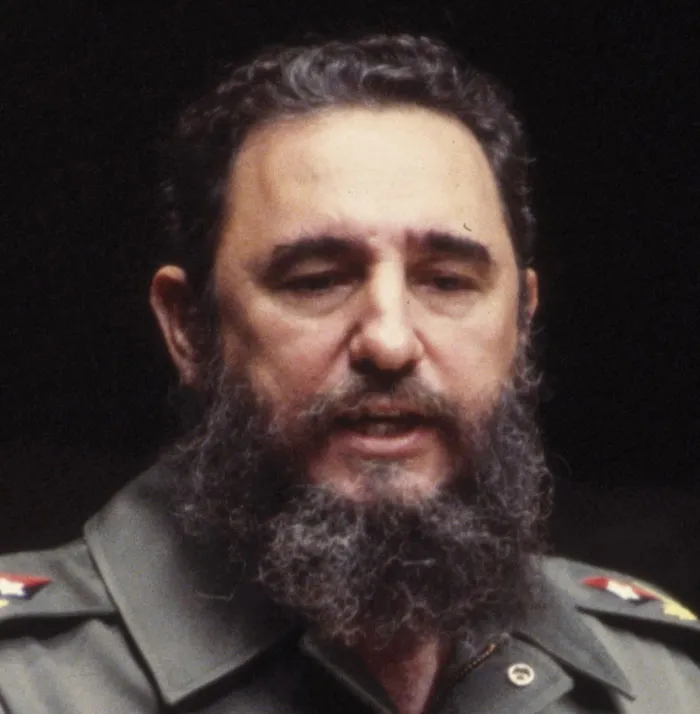
Edit: I️ said this BEGAN the crisis, this was not the ENTIRE reason for the Cuban missile crisis.
#11
#12
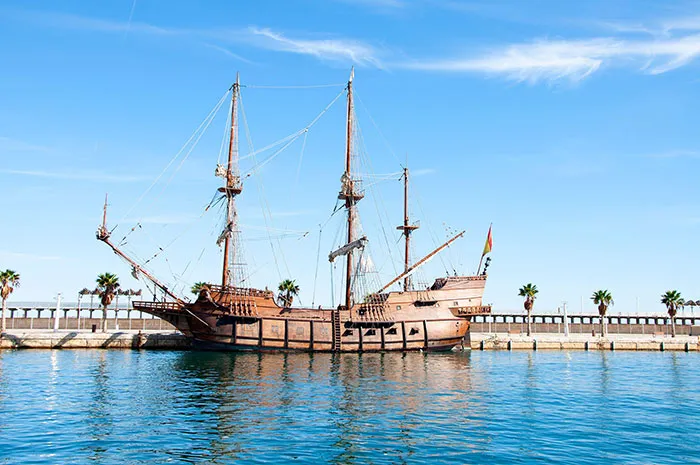
Animals have also managed to leave some surprisingly heroic footprints in history. During World War II, a Great Dane named Juliana reportedly received two Blue Cross medals for bravery. In 1941, she was credited with putting out a dropped incendiary bomb by urinating on it. A few years later, in 1944, she reportedly alerted her owners to a shop fire. Whether you expected a history lesson to include a heroic dog saving the day is another question—but Juliana certainly earned her place in some of the more unusual stories from the past. Honestly, it’s hard to imagine a more unexpected way for a dog to become a wartime hero.
#13
#15
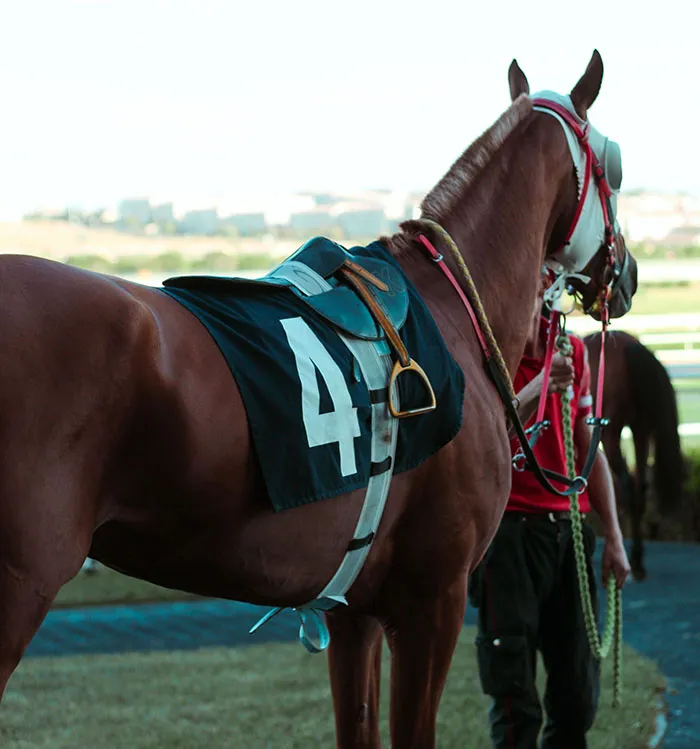
On February 5, 1927 in Tijuana, Mexico there was a film being shot at the racetrack. A track official noticed the way a director was using a microphone and a loudspeaker to direct his crew and actors during the filming. The idea came to him that if he had a microphone set up in the Stewards booth that led to a set of speakers, he could call the positions of the horses like a director gave direction.
Later that day, he had it set up without telling any of the patrons to the track about it. When people first experienced it, they were extremely confused. Before that people would keep track of the horses themselves with binoculars and often were unable to get a great view at certain angles. After they got used to it, they loved hearing a race being called and it became an everyday thing at that small track. Now, it's an extremely important part of modern day racing all across the world and even people that aren't familiar with the sport know about it.
And then there are the historical disasters that sound so ridiculous you might assume someone made them up. In 1814, a huge storage vat at a London brewery burst, releasing an estimated 323,000 gallons of beer into the surrounding streets. The resulting wave damaged nearby buildings, destroyed two houses, and tragically killed eight people. What sounds like the world's worst brewery accident was, in fact, a very real disaster. It’s a sobering reminder that even something as ordinary as a tank used to store beer could become incredibly dangerous when something went wrong.
#16
#17

#18
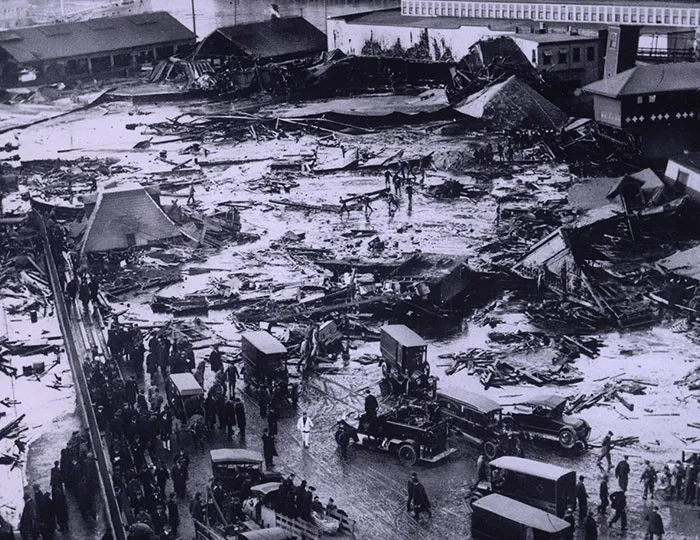
It became known as the Great Molasses Flood.
A little more than a century later, another strange liquid disaster struck the United States. In 1919, a poorly constructed storage tank in Boston ruptured, sending a massive wave of molasses through the streets. The sticky flood reportedly reached around 25 feet high in places and moved at roughly 35 mph. It killed 21 people and injured around 150 others. It’s hard to imagine something as harmless-looking as molasses becoming so deadly, but the Boston Molasses Flood remains one of the most unusual industrial disasters in American history. The incident was so bizarre that the phrase “slow as molasses” suddenly feels like a very poor description of what happened that day.
#19

#20