







What if I told you that the US military once launched a campaign called “Operation Toenails”? They aimed to capture a group of islands from the Japanese during World War II, and they succeeded. Feel free to look it up.
You’ll also find it on this list of weird government projects implemented worldwide over the years. While Operation Toenails was a success, many others weren’t. Like when India punished COVID-19 protocol violators by making them write “I’m sorry” 500 times.
Regardless of how they turned out, we now consider them some of the oddest governmental pursuits in human history. Enjoy these bits of trivia.
#21 Qattara Depression Project
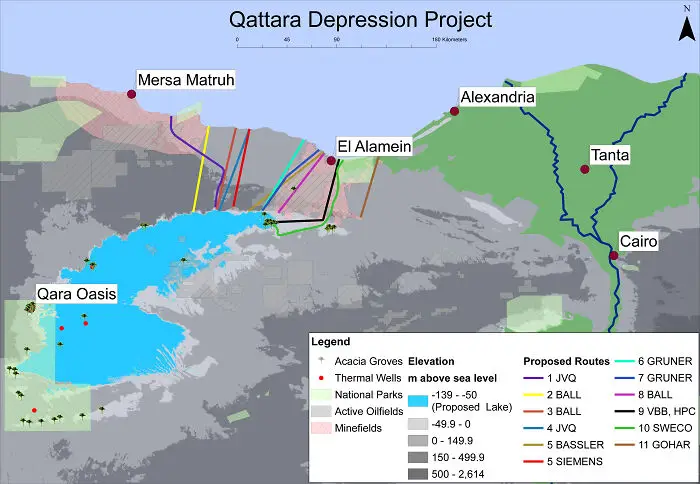
The Qattara Depression Project was an ambitious engineering initiative in Egypt during the mid-20th century. The idea was to harness the Qattara Depression, one of the lowest points in Africa, to generate hydroelectric power and alleviate water shortages. The plan involved using seawater to flood the depression, creating a massive lake, and then using the height difference to drive turbines for power generation. Despite its bold vision, the project faced major technical, environmental, and financial challenges and was ultimately abandoned. Today, the Qattara Depression remains an intriguing symbol of unfulfilled potential in large-scale engineering.
Report
10points
#22 Manhattan Project
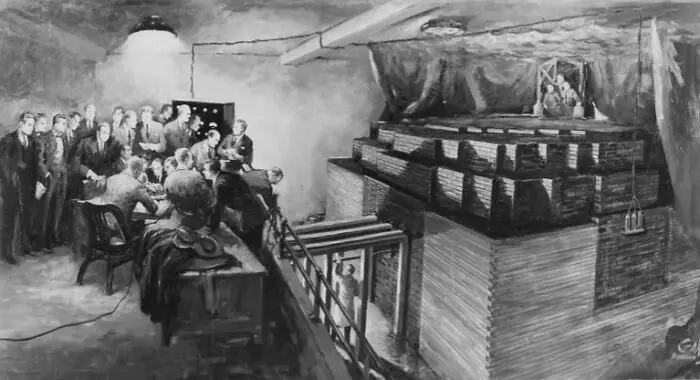
The Manhattan Project was a top-secret U.S. research and development initiative during World War II (1942-1946) aimed at creating the first nuclear weapons. Spearheaded by the U.S., with support from the UK and Canada, the project culminated in the successful development of the atomic b**b. The project brought together some of the world’s brightest scientists, including J. Robert Oppenheimer, who led the Los Alamos laboratory. The first test of a nuclear weapon, known as the Trinity Test, took place in 1945 in New Mexico. The bombs created under the Manhattan Project were used on Hiroshima and Nagasaki, leading to Japan’s surrender.
10points
#23 Hawaii Is Paying To Get People Off The Island
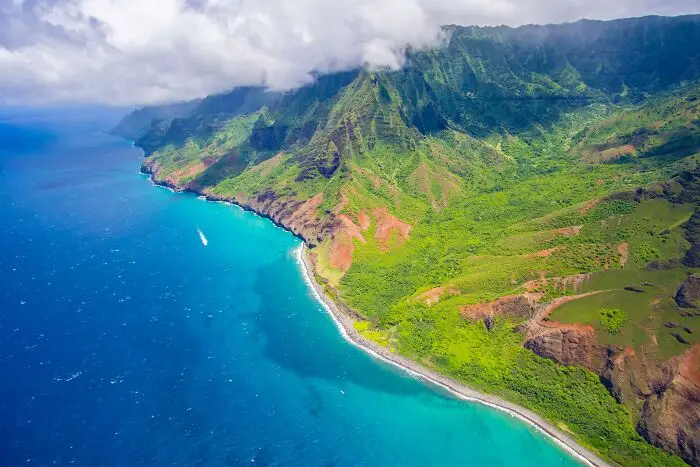
In a bold move to combat overcrowding, the Hawaii Tourism Authority began paying tourists to leave the islands. The initiative was launched to alleviate the pressure on local resources, reduce environmental strain, and ensure a more sustainable travel experience. Tourists who overstayed their welcome or booked long stays during peak seasons were offered financial incentives to return home earlier. This unusual program aims to balance tourism with the needs of the local community, preserving the islands' natural beauty and improving quality of life for residents. The initiative received mixed reactions but highlights Hawaii’s unique approach to managing tourism.
9points
#24 Venezuela Created Orwellian Ministry Of Supreme Social Happiness

In a move that raised concerns about government overreach, Venezuela introduced the Ministry of Supreme Social Happiness, a new governmental body focused on ensuring the "happiness" of its citizens. The Orwellian-sounding ministry's mandate included overseeing social programs, managing the public's well-being, and promoting a sense of national unity and happiness. Critics quickly pointed out the potential for abuse of power and the risk of using the ministry as a tool for political control, with its vague and broad mission. Supporters argued it could help address the country’s social issues, though many remained skeptical about its true intent.
Report
9points
#25 Operation Paperclip
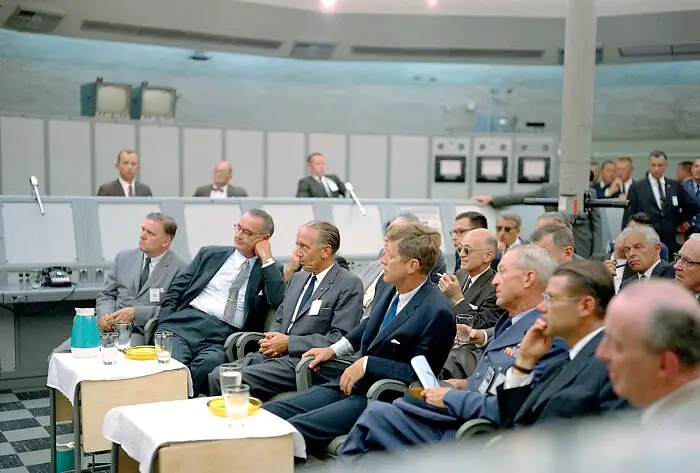
Operation Paperclip was a secret U.S. intelligence program that recruited over 1,600 German scientists, engineers, and technicians—many of whom had worked for Germany—after World War II. The goal was to leverage their expertise in rocketry, aerospace, and weapons technology to gain an advantage in the Cold War, particularly against the Soviet Union. Among the recruits was Wernher von Braun, who played a key role in developing NASA’s Saturn V rocket. While the program contributed to U.S. technological advancements, it was highly controversial, as many of the scientists had direct ties to war crimes and human experimentation under the N**i regime.
9points
#26 Tunisia Deployed Robot To Enforce Lockdown

To enforce its strict COVID-19 lockdown measures, Tunisia deployed a "robocop" style robot in the streets to monitor and control movement. The robotic enforcer, designed to check individuals' IDs and ensure compliance with lockdown orders, was part of a broader strategy to reduce human-to-human contact while maintaining order. The robot was equipped with surveillance technology, including cameras and speakers, to issue warnings and remind citizens of the importance of staying indoors. While the move attracted attention for its futuristic approach, it also raised questions about privacy and the use of technology in public safety during a health crisis.
Report
8points
#27 Let's Stockpile Toilet Paper!

In 2011, following the catastrophic earthquake and tsunami in Japan, citizens began stockpiling toilet paper in response to widespread panic. Concerns about supply chain disruptions and rumors suggesting that toilet paper could become scarce led people to flood stores, purchasing large quantities. This phenomenon was fueled by anxiety over the ongoing crisis, even though there were no actual shortages. The Japanese government and retailers quickly reassured the public that toilet paper supplies were unaffected, but the hoarding continued for weeks. The event became a notable example of how fear can sometimes lead to irrational consumer behavior during times of crisis.
Report
8points
#28 Project Azorian

Project Azorian was a secret U.S. government operation in the early 1970s, designed to recover a Soviet submarine that had sunk in the Pacific Ocean. The submarine, known as the K-129, was lost in 1968 with all hands aboard. The CIA, in partnership with a private company, designed a specialized ship called the Glomar Explorer to retrieve the sub and its valuable intelligence, including nuclear missile technology. The operation was highly classified, and its existence was kept secret until it was revealed in 1975. Although the operation was only partially successful, it remains one of the most ambitious and secretive efforts in Cold War espionage.
Report
8points
#29 Mistake That Costed $4 Million

In a controversial move, the U.S. government paid CGI Federal, the same contractor responsible for the flawed launch of HealthCare.gov, an additional $4 million to fix the very issues it had created. The healthcare website, a key component of the Affordable Care Act, was plagued by technical failures upon its 2013 debut, preventing millions from accessing insurance enrollment. Despite its initial failures, CGI Federal was awarded more funds to repair the site, sparking criticism over government mismanagement and lack of accountability. The incident became a symbol of bureaucratic inefficiency in handling major public projects.
Report
7points
#30 Recovered From Coronavirus

In a controversial move during the COVID-19 pandemic, the Chilean government faced criticism for counting individuals who had died from the virus as "recovered" in official statistics. The government explained that the deaths were counted as recoveries because they had occurred more than 28 days after a positive test, a method based on technical definitions used for reporting purposes. However, this approach led to widespread confusion and concerns about the accuracy of the country’s COVID-19 data. Critics argued that it misrepresented the true scale of the pandemic's impact, highlighting the challenges of managing public health data amid a global crisis.
Report
6points