


#1

They'd also genz stare but I'd beat that out of them quick - people are checking in for an appointment! Don't make them stand there and guess what the hell you need, SAY HELLO!!!
#2

One time I had a younger colleague who sent an email to a client with several grammar and spelling errors and decided to tell her outright that if I was the recipient I would assume that this is a phishing email and would bin it.
I feel there us no excuse for being illiterate in a professional position.
#3

1. Some people are way too informal, like they don't take anything seriously and when they do is now personal.
2. Even if you have close relationships with your coworkers you should still be respectful (be on time, follow deadlines, etc)
3. Learn how to take feedback and criticism without making it a personal attack.
4. Manners are everything. Saying please and thank you, to everyone will take you far.
Older people were taught that the workplace should be professional and that they’re not allowed to do anything that would jeopardize it. Unfortunately, the youth didn’t really get the memo, and research shared by HR World suggests Gen Zs tend to be very casual, whether they’re sending emails, attending meetings, or even talking to their boss.
Even in corporate settings where they are supposed to pay attention, young folks can be found scrolling or tuning out conversations with one earbud in. Their communication style may also need a few tweaks, as they use memes and GIFs to get their point across, which older folks certainly aren’t used to.
#4

What does Oh Hey mean. WHAT DOES IT MEAN.
#5

Some older people will be grouches about changes to their norm. Don't let it bother you too much.
#6
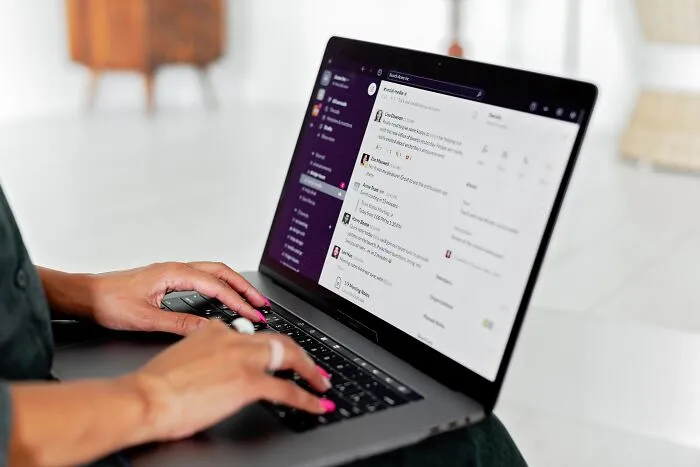
One thing millennials and their older counterparts find tough to stomach about Gen Zers is that they don’t shy away from expressing their opinions on social media. Even though only 34% of older folks are willing to criticize toxic jobs or call out bad bosses, 48% of youth are willing to do the same.
This suggests they’re bolder and more brash than those who came before them, and it may be because they understand the power of social media. Just by calling attention to terrible workplace policies, they could help bring about change for themselves and others.
#7

In the work place, there’s a certain measure of “performative positivity” that needs to be employed to maintain a positive work environment. Even if you’re having a terrible day, you have to make some attempt to connect positively with your colleagues. I know, it’s stupid; but it keeps things running smoothly.
I’ve found that with Gen Z employees, they would rather stare blankly at you than participate in whatever you have to say. If they don’t find what you said interesting to their personal or professional experience, they’ll just stare for an awkward amount of time and maybe say, “mm, yeah.”
Read the room, and try to participate on positive notes. If your elder coworker starts talking about dumb things like the weather or television, just try to relate in some way.
It’s dumb, I know, but work is a people’s game as much as it is numbers.
#8

#9

We hear a lot about work-life balance online, but it seems like only the younger generation is putting this into practice. Older folks still believe in not leaving work until their boss does, which is why they might stay on longer and add more to their plate.
According to Forage, this strict boundary can actually help people protect their mental and physical well-being in the long run. Compared to 62% of Millennials who believe that work is central to their identity, only 49% of Gen Z believe that. This could signal a big shift in how younger folks approach their jobs and why they might not want to spend extra time on them.
#10
#11
#12

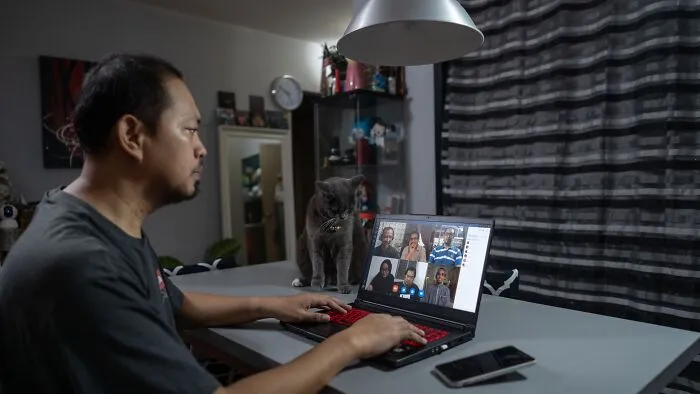
Many companies don’t allow employees to speak openly about their salaries because they worry it might lead people to demand even more. Gen Zers are desperately trying to change that, and 65% say salary transparency is their greatest motivator when applying for a position.
This open discussion of what they earn can shock older folks who aren’t used to it. It might also threaten systems that thrive on secrecy and silence. It’s possible that millennials and elder people may struggle to come to terms with this idea, but it could be beneficial to all in the long run.
#13

And it’s happened enough times that I do think it’s an interesting case study: the only 2 times I’ve ever seen someone get hired and IMMEDIATELY take longterm (paid!) leave for anxiety, it was Gen Z employees. I thought that was pretty wild.
#14

#15

The great part of every new group of young people is that they bring a lot of unique ideas to the table. Even though some of them might be tough to come to terms with, ultimately they help change and mold society in an interesting way. Older generations may not be on board with all of Gen Z’s radical ideas yet, but hopefully a time will come when everything they do just seems normal.
What do you think about the work ethic and behavior of youth in the workplace? We’d love to hear your honest thoughts.
#16

#17

#18
Worst though… entitlement.
#19
#20