


#21

The physical act of laughter also serves a deep evolutionary purpose that goes beyond just feeling good. In ancient times, laughter was a vital social signal that told the rest of the group that a perceived danger was actually a false alarm. When you share a funny picture with a friend, you are engaging in a modern version of this social bonding.


#24

Laughter is contagious because it is a way for us to synchronize our emotions and build a sense of community. Research from Psychology Today highlights that humans are much more likely to laugh when they are with others than when they are alone. By sending a random or funny picture to someone else, you are strengthening your social ties and creating a shared language of humor that helps you navigate the complexities of life together.

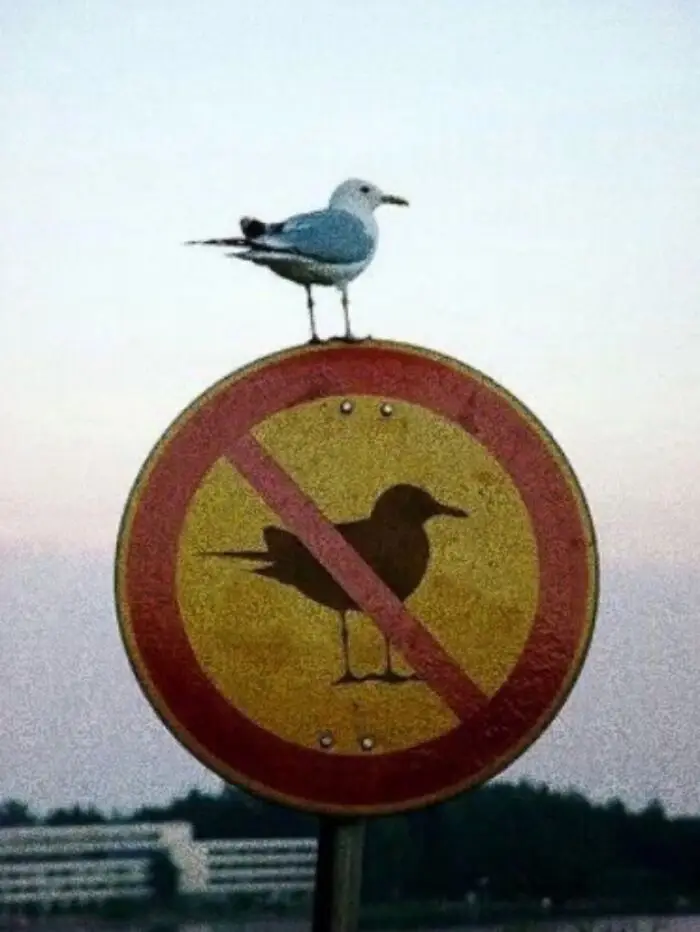

As the internet continues to evolve, the humor we find there becomes more abstract and surreal. This is because we are exposed to so much information every day that our brains require increasingly unique and strange stimuli to trigger that same sense of surprise and delight. What was funny ten years ago might feel stale today because we have already integrated those patterns into our understanding of the world.



This constant search for the new and the weird is what drives the creation of deep fried memes and nonsensical internet trends. Ultimately, laughing at a random picture is a sign of a healthy and active mind that is capable of finding joy in the unexpected and the absurd. It is a testament to the creativity of the human spirit and our ability to find a reason to smile even in the most chaotic corners of the digital world.
#31


#34

In the early 2010s, a trend known as planking emerged and took the internet by storm. The trend involved people lying face down in interesting public places, taking photos of these unusual poses, and then sharing them on social media platforms like Facebook.


#38

He allegedly “drank all of his duty free liquor on the flight from Iceland to JFK.”
#39