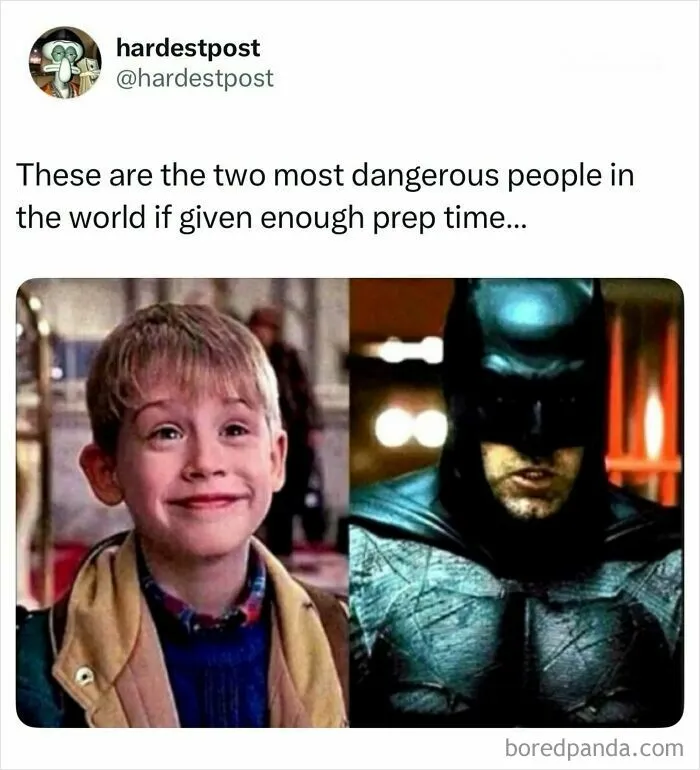




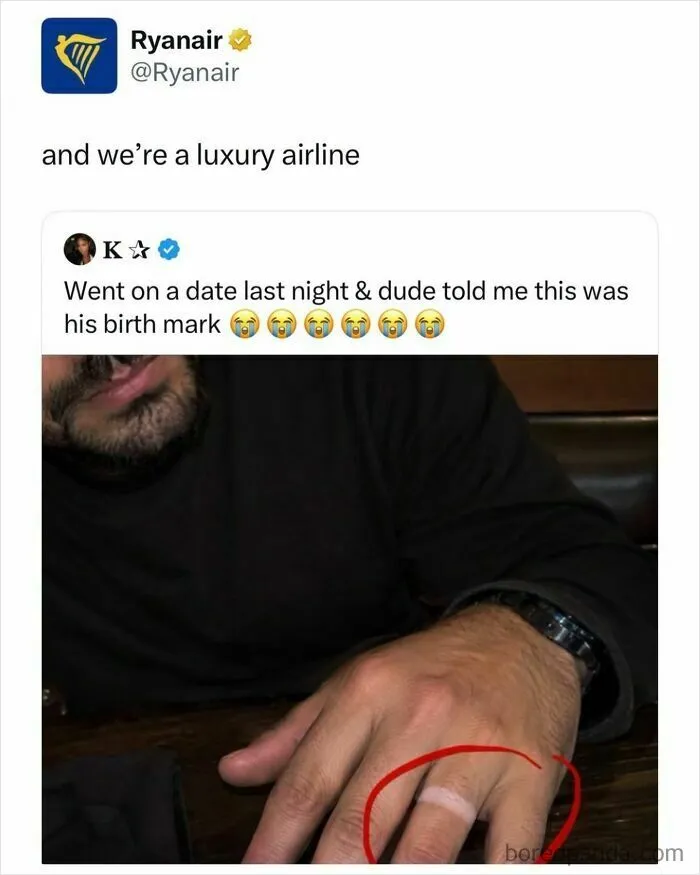
What exactly makes a picture “go hard”? Well, it could be just about anything. It could be a funny photo that makes you laugh so much you immediately send it to your favorite group chat.
Or it could be a powerful image that leaves you speechless, or a sad one that stays on your mind long after you’ve seen it. There’s no single formula for it.
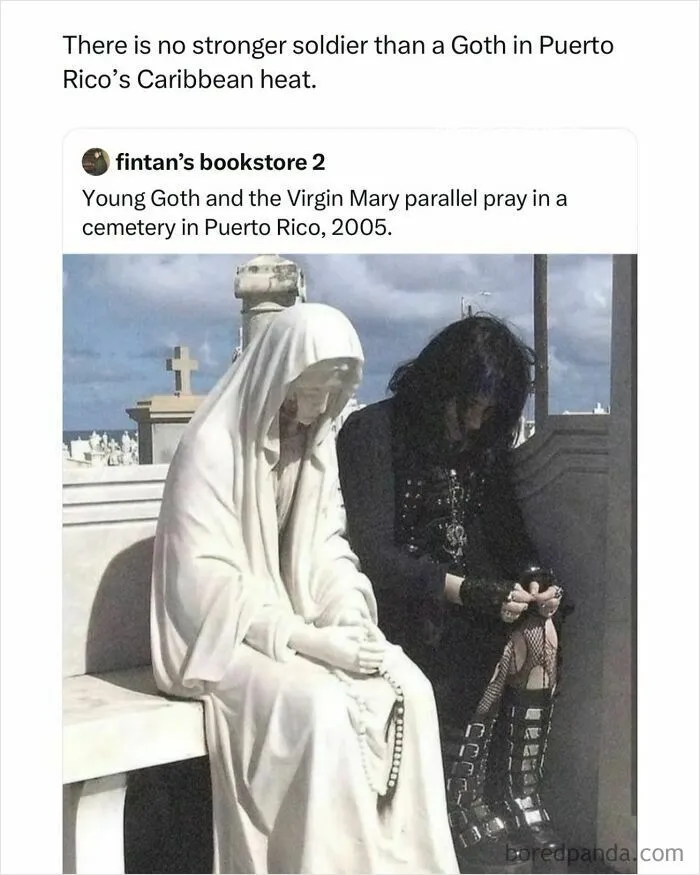
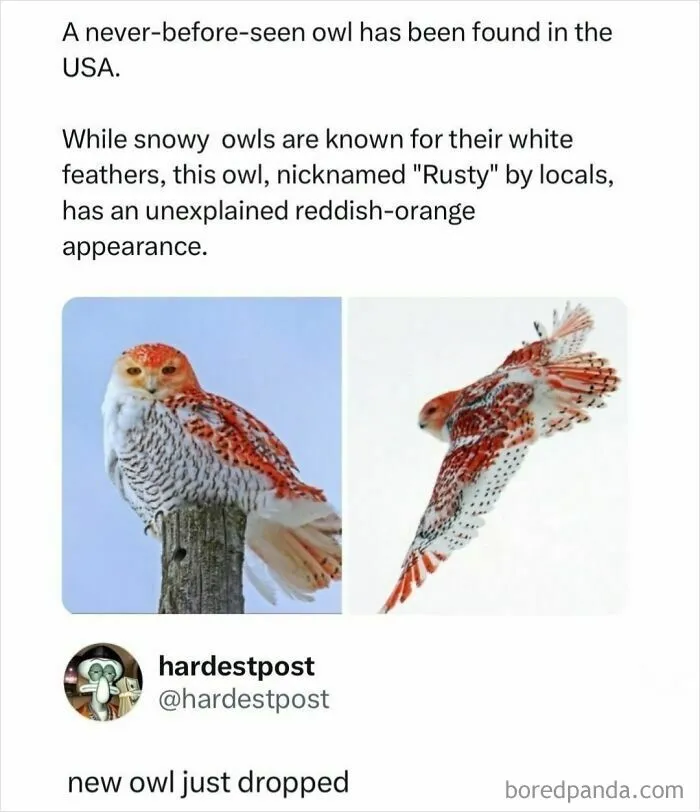
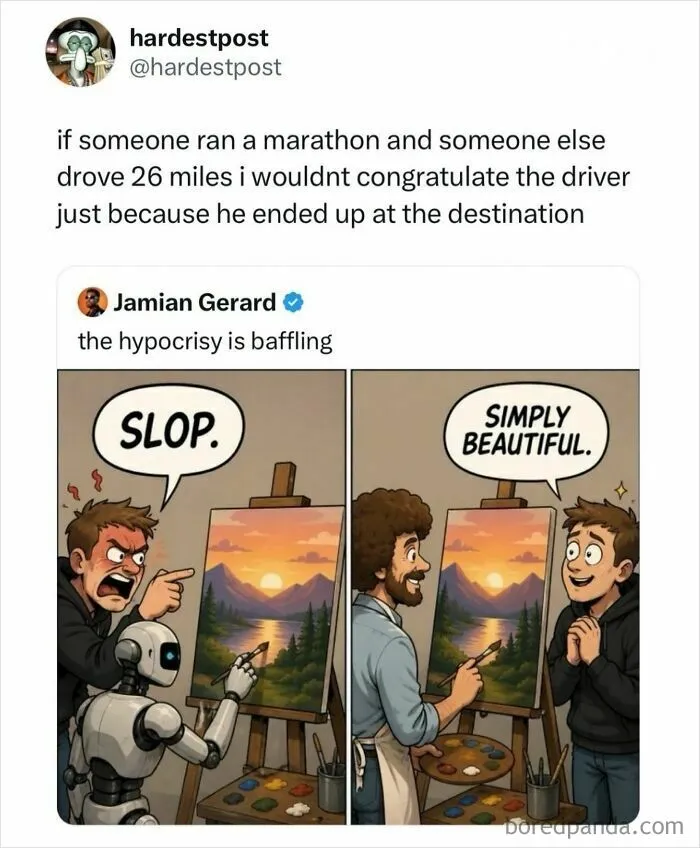
Of course, “goes hard” is just one of many phrases we use to describe something we find impressive. We might also call it “fire” or say that someone “slayed.” Take your pick. We have a whole arsenal of slang expressions to choose from when we want to get creative with how we express ourselves.
But slang is hardly a modern invention, and it certainly didn’t begin with teenagers on social media. People have been coming up with their own informal ways of speaking for centuries.
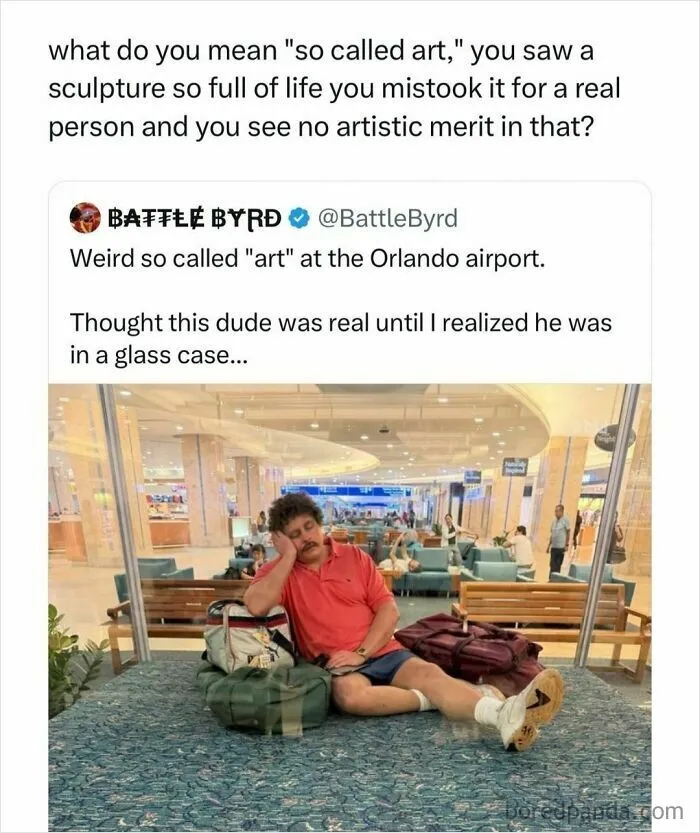


According to the Online Etymology Dictionary, the word “slang” was first recorded in 1756, when it referred to the special vocabulary used by thieves and other groups on the edges of society.
By the early 1800s, its meaning had expanded to include informal language more generally. And that’s much closer to how we understand it today.

But where did the actual word “slang” come from? That’s a surprisingly tricky question. Linguist Anatoly Liberman, writing for Oxford University Press, has suggested that it may have roots in northern English and Scandinavian words connected to wandering or moving freely.
The theory is that these words eventually became associated with groups of people and the way they spoke. However, the exact origin remains debated.
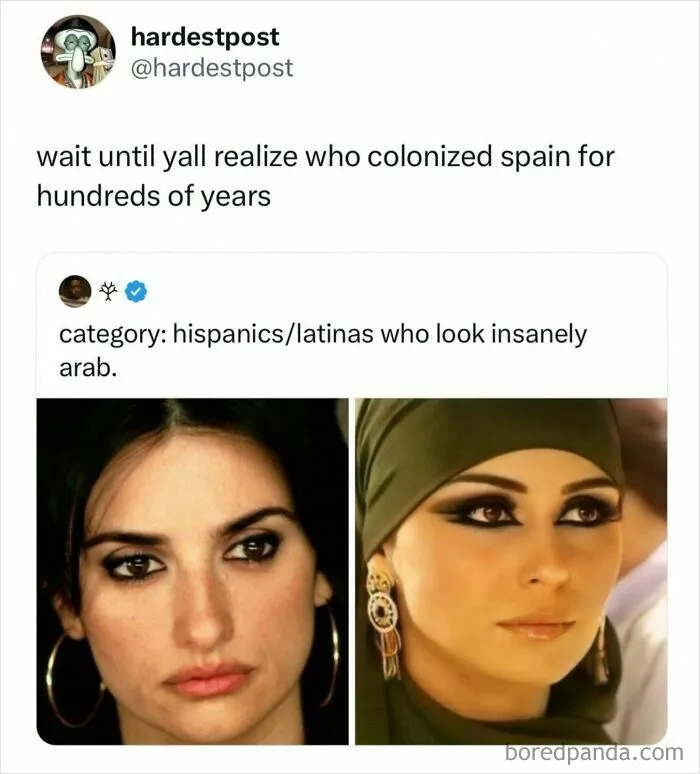
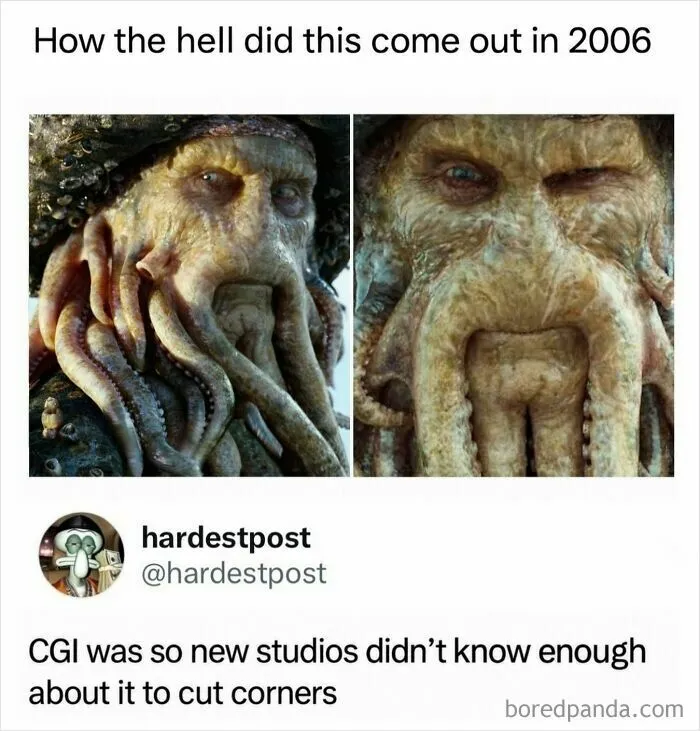
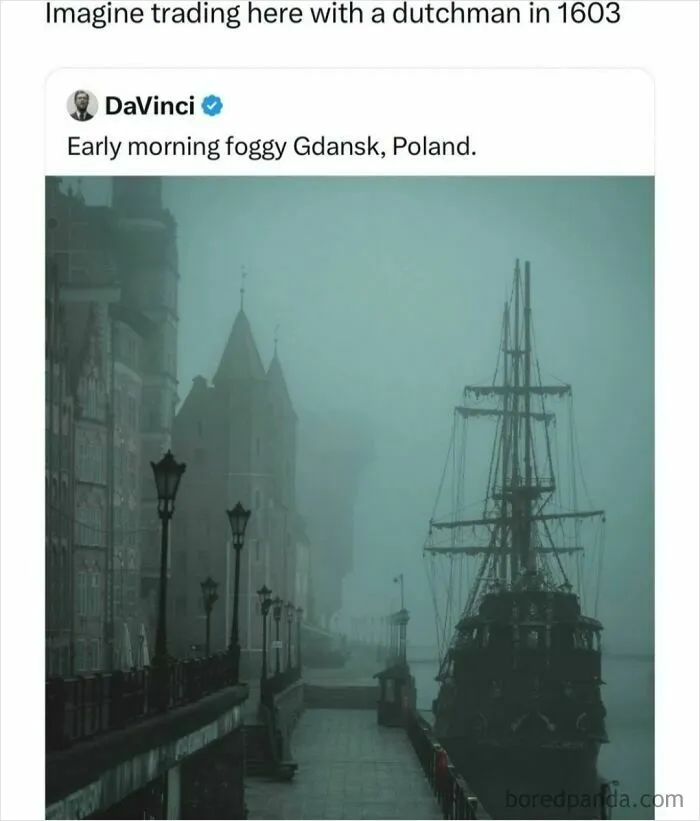
People were also fascinated by unusual expressions long before anyone could Google what they meant. In fact, one of the earliest English slang dictionaries appeared in 1699, decades before the word “slang” was recorded in its familiar sense.
It collected expressions used by people from different walks of life, including sailors and laborers. Imagine flipping through a book just to figure out what someone at the local pub was talking about.
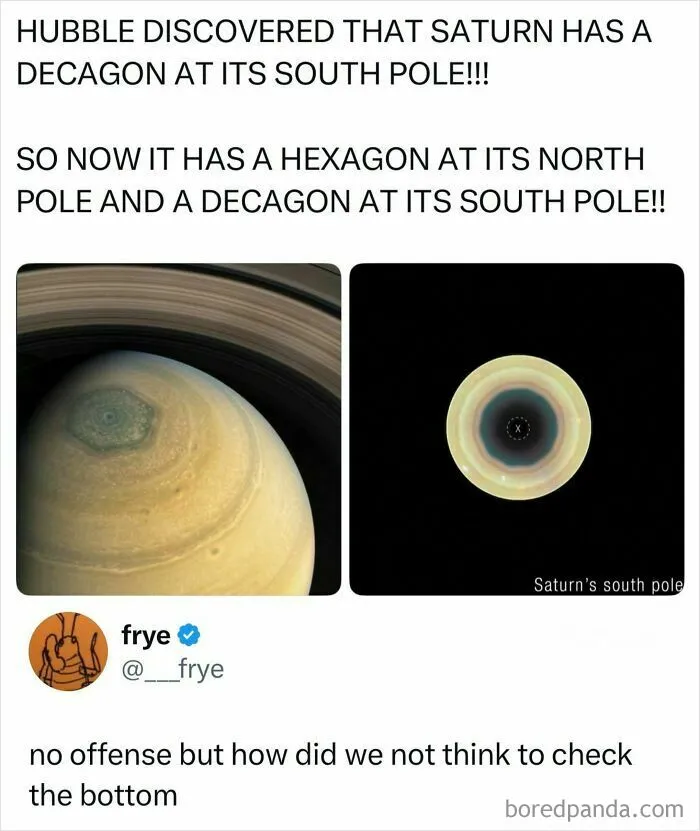
And some of those playful expressions have had surprisingly long lives. Take “OK,” for example. According to Merriam-Webster, it first appeared in a Boston newspaper in 1839 as an abbreviation of “oll korrect,” a deliberately silly misspelling of “all correct.”
People at the time were apparently having plenty of fun with misspelled words and shortened phrases. Almost two centuries later, we’re still using one of their jokes every single day.