

This post may include affiliate links.

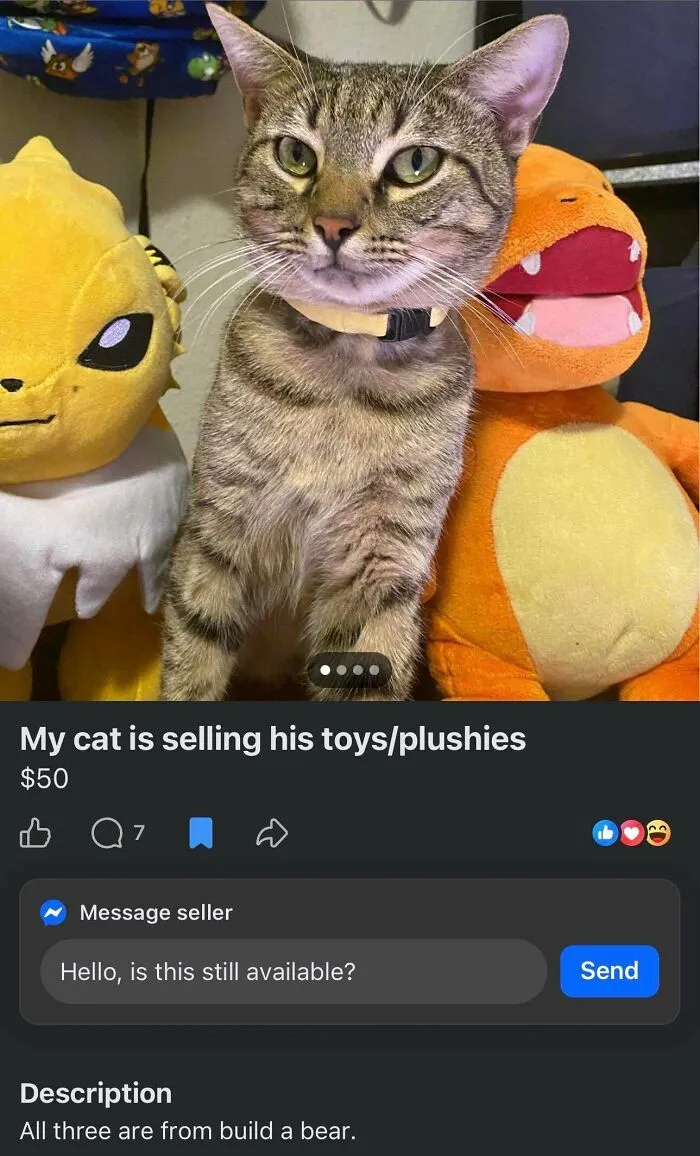

Yes, Facebook Marketplace has some level of regulation. There are items you can’t sell for obvious reasons, and misleading content is prohibited. But of course, that doesn't stop scammers from plaguing the platform.
Recent reports show that more than 62% of platform users reported encountering some form of scam. In 2025, the United States Federal Trade Commission (FTC) reported that social media fraud caused more than $90 million in losses.



For its part, Meta has acknowledged the prevalence of scamming on its platform. According to company spokesperson Ryan Daniels, they are working “aggressively to quickly identify, disable and ban scams and accounts associated with them.”
“What happens offline often makes its way into online environments, and that unfortunately includes scams," Daniels told WIRED in a 2023 interview.


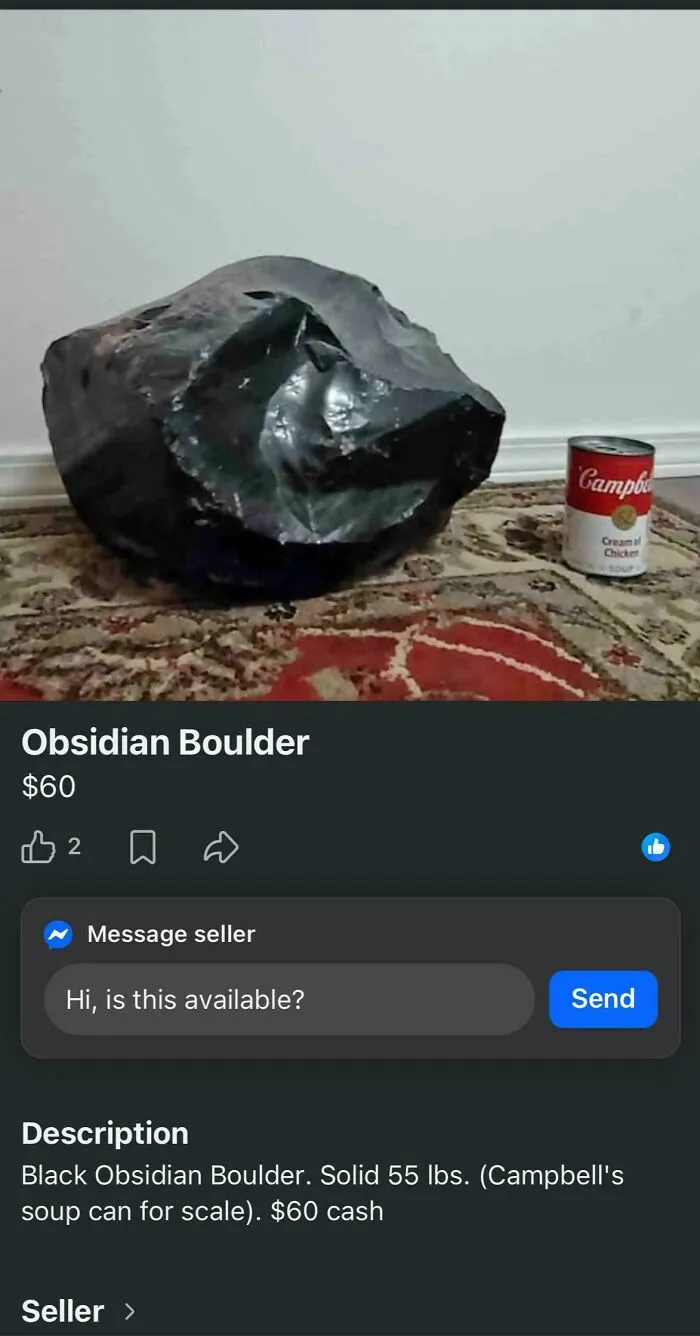
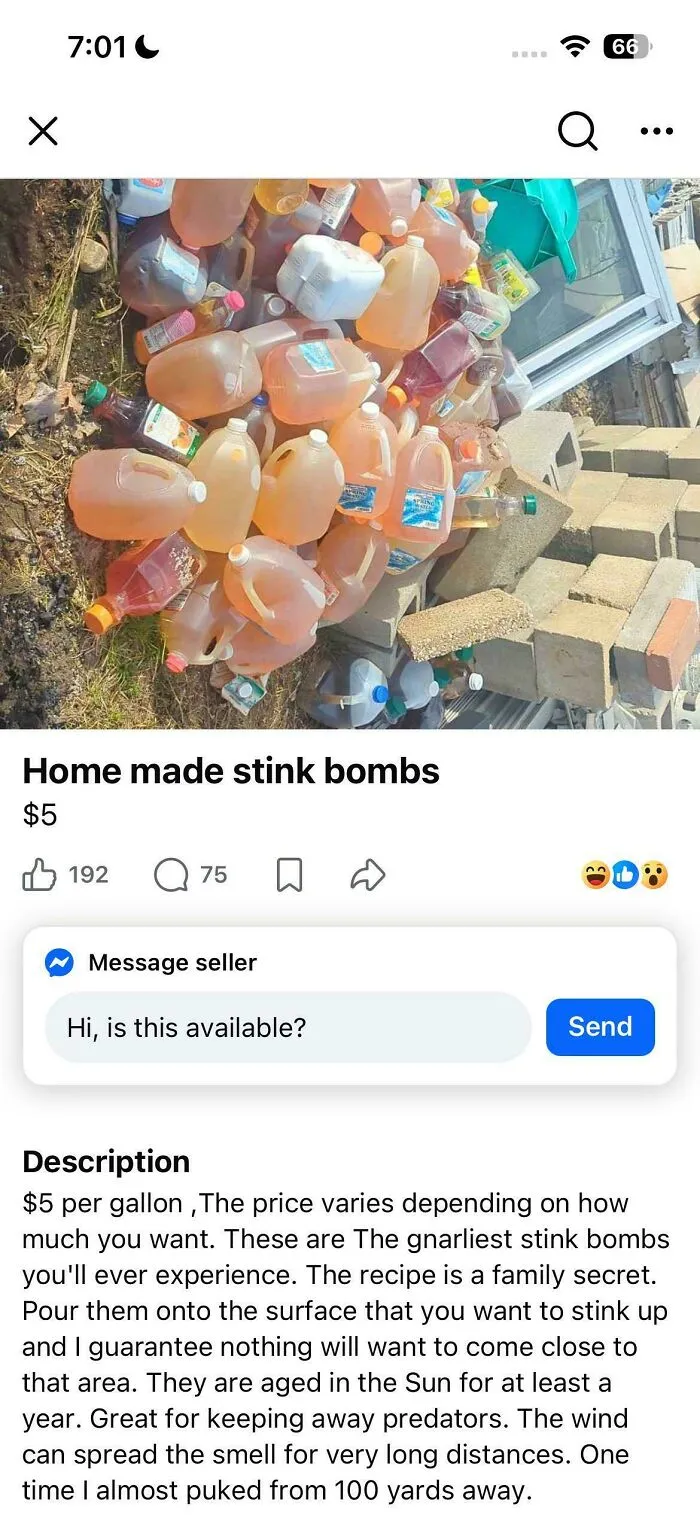
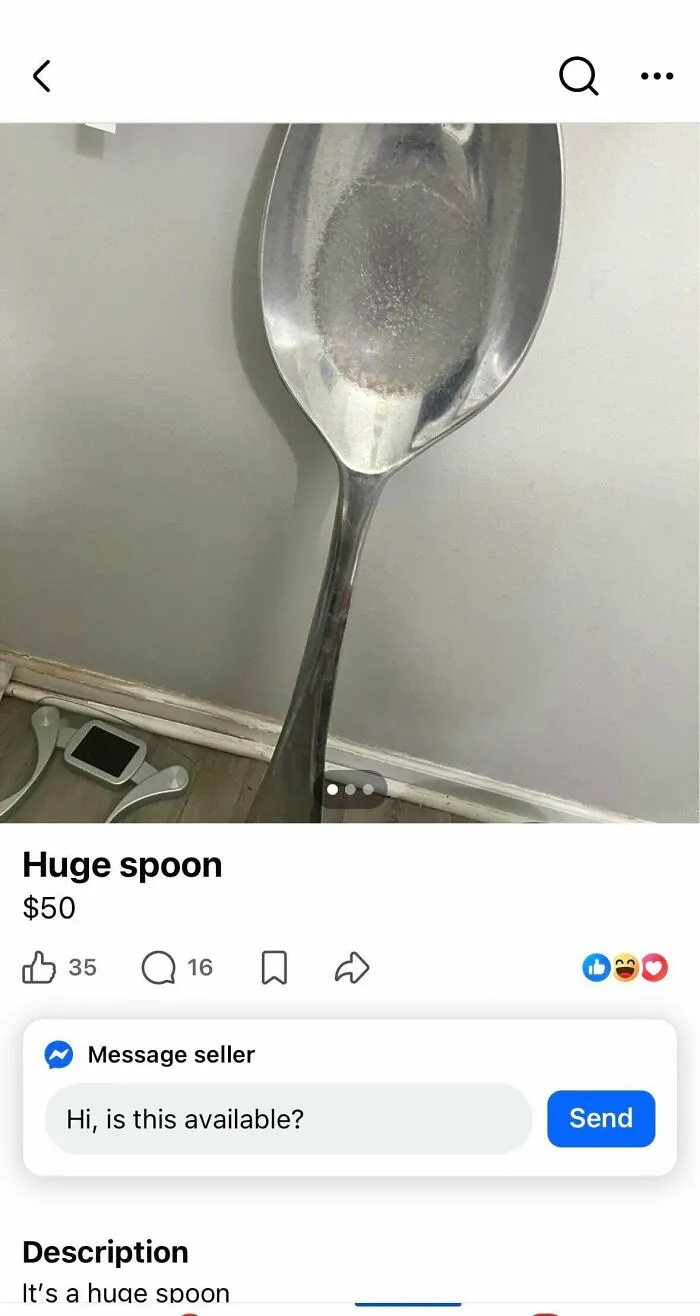
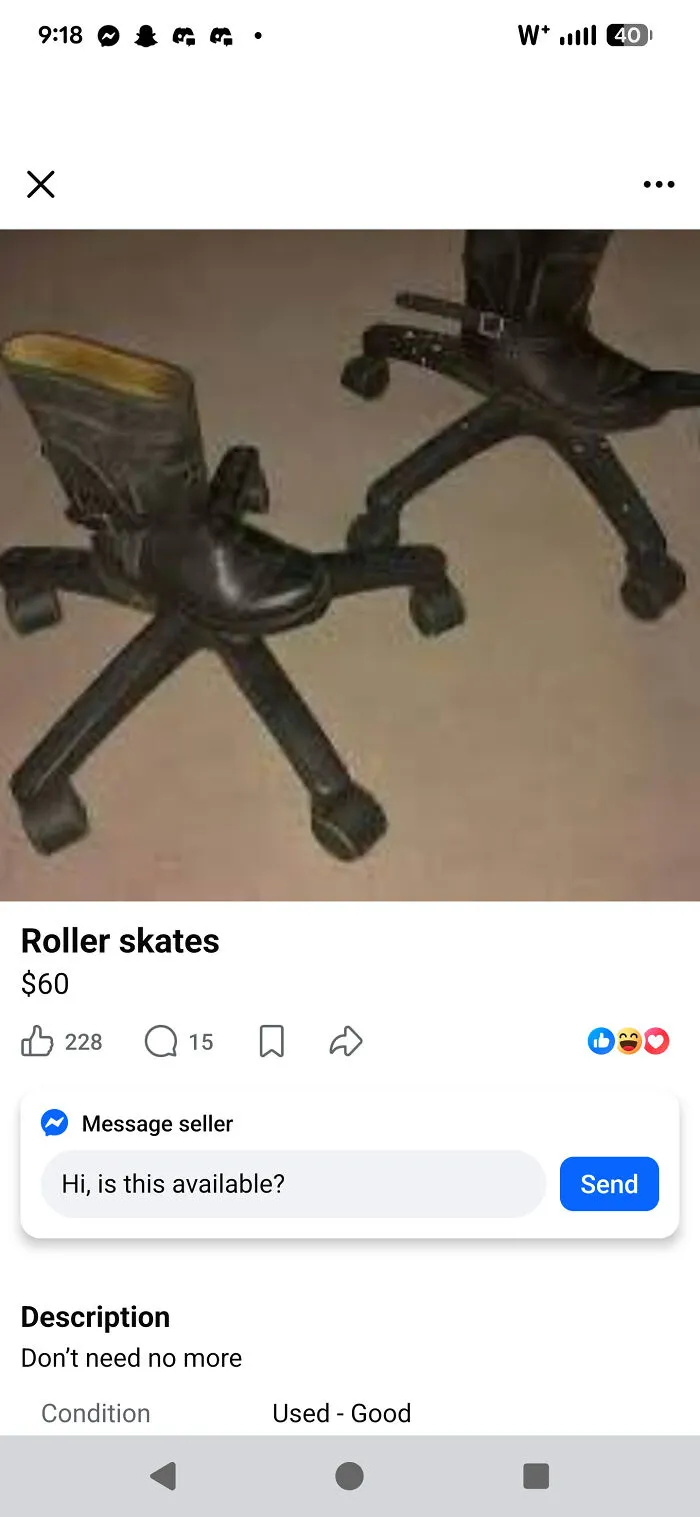
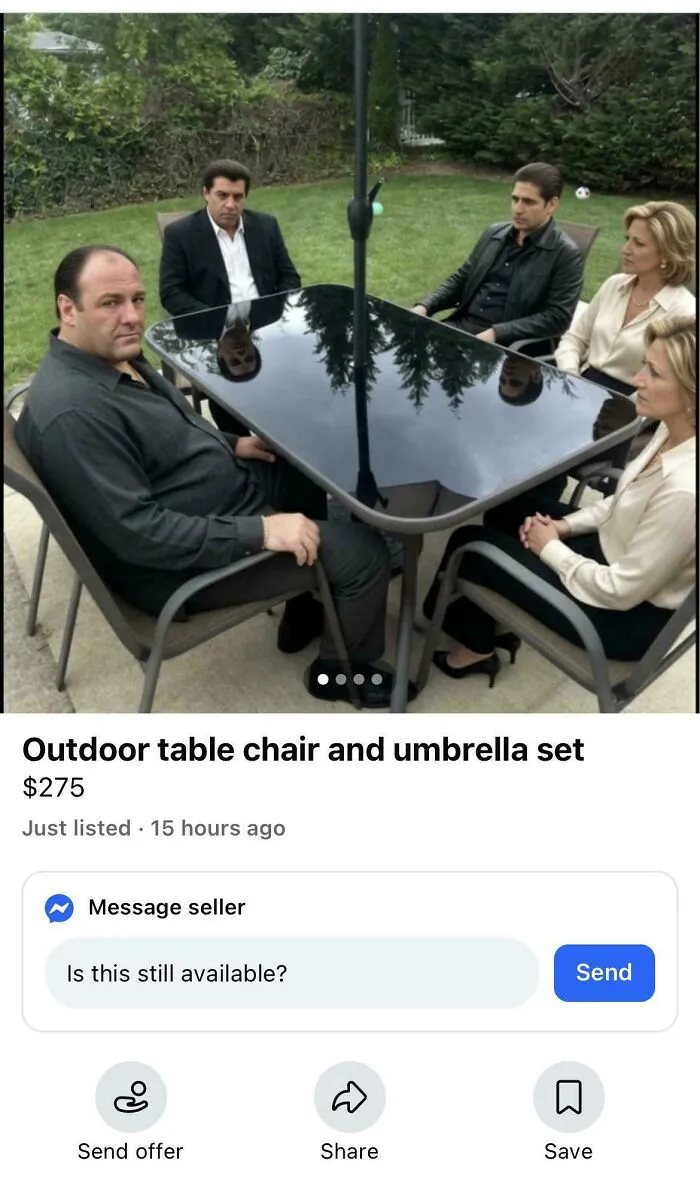
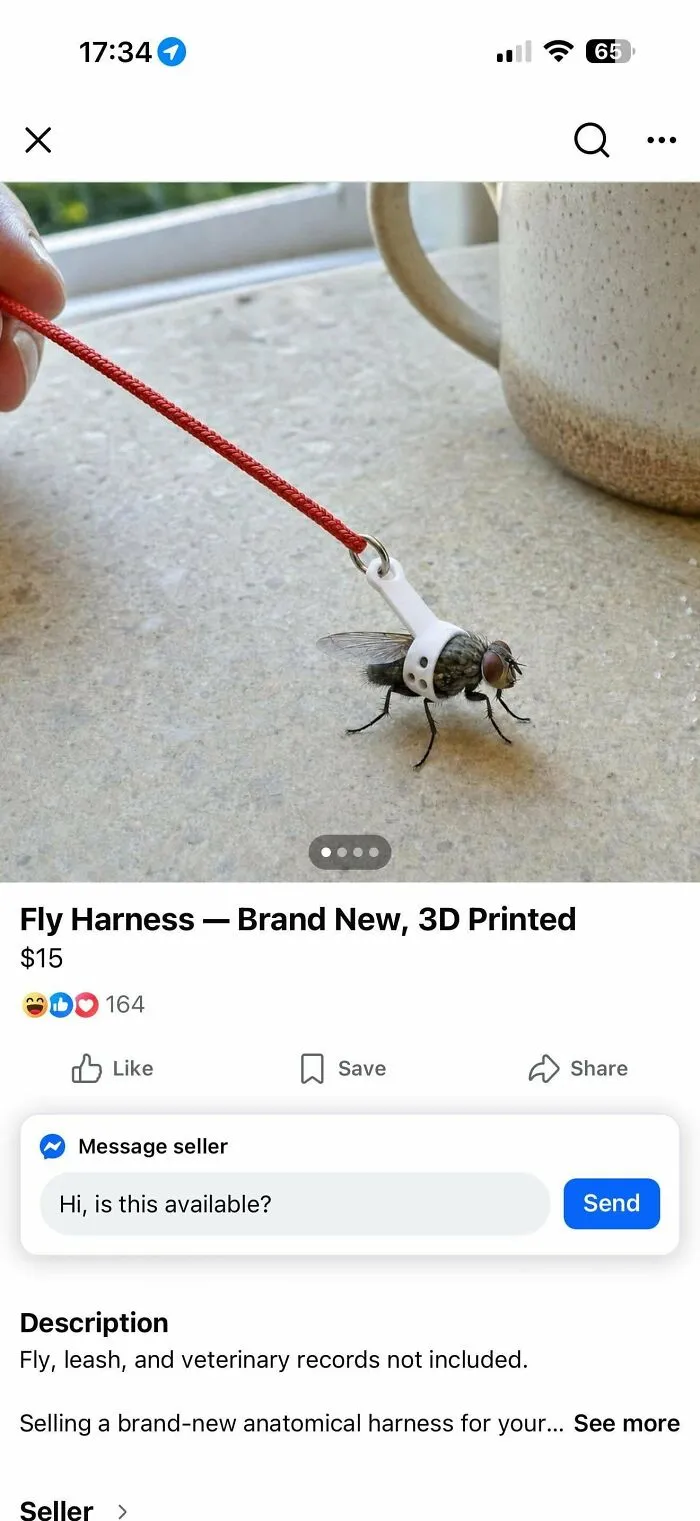
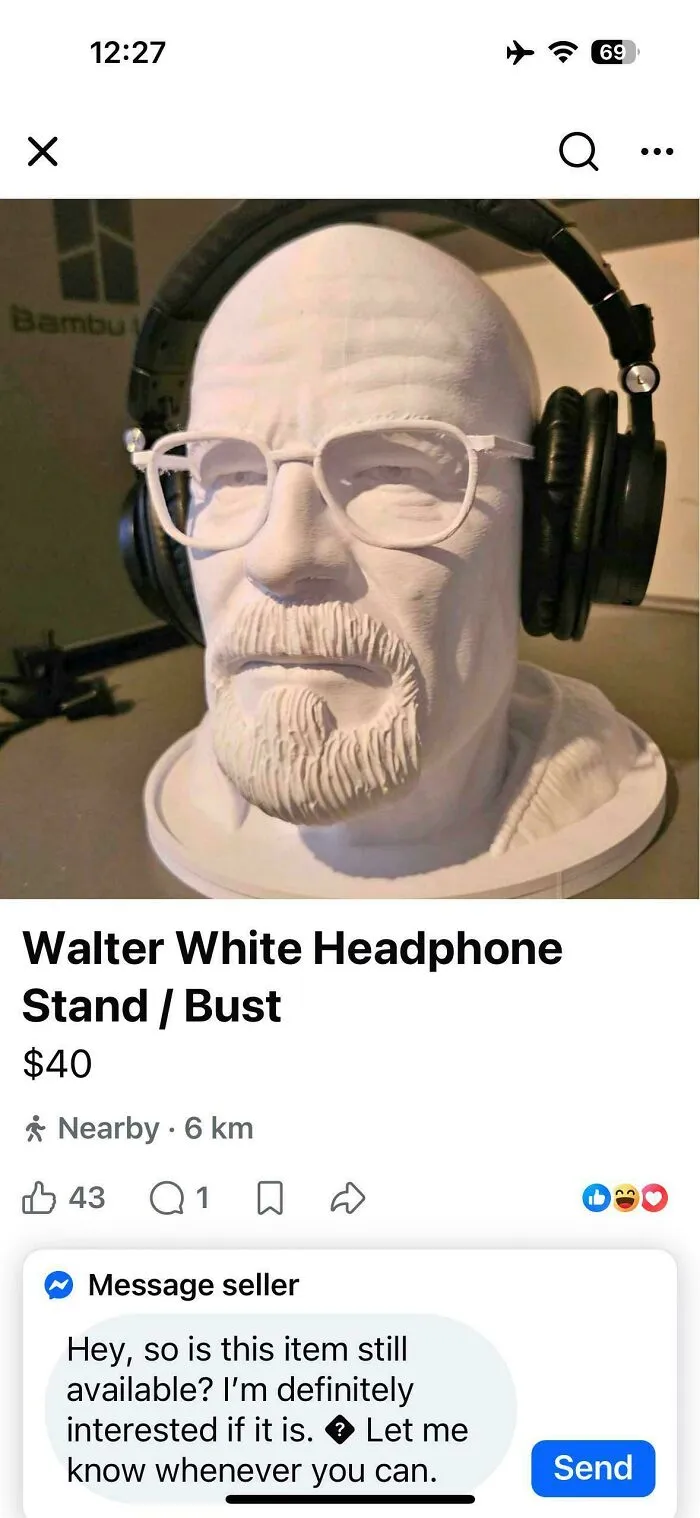
The screenshots on this list are just a fraction of what’s actually out there. And while many of these are outrageous to the point of laughability, you will see other deranged postings that many unfortunately buy into.
Lip fillers are apparently one of them. Plausibly fraudulent and highly dangerous. Yet people will actually shell out their hard-earned money for them.

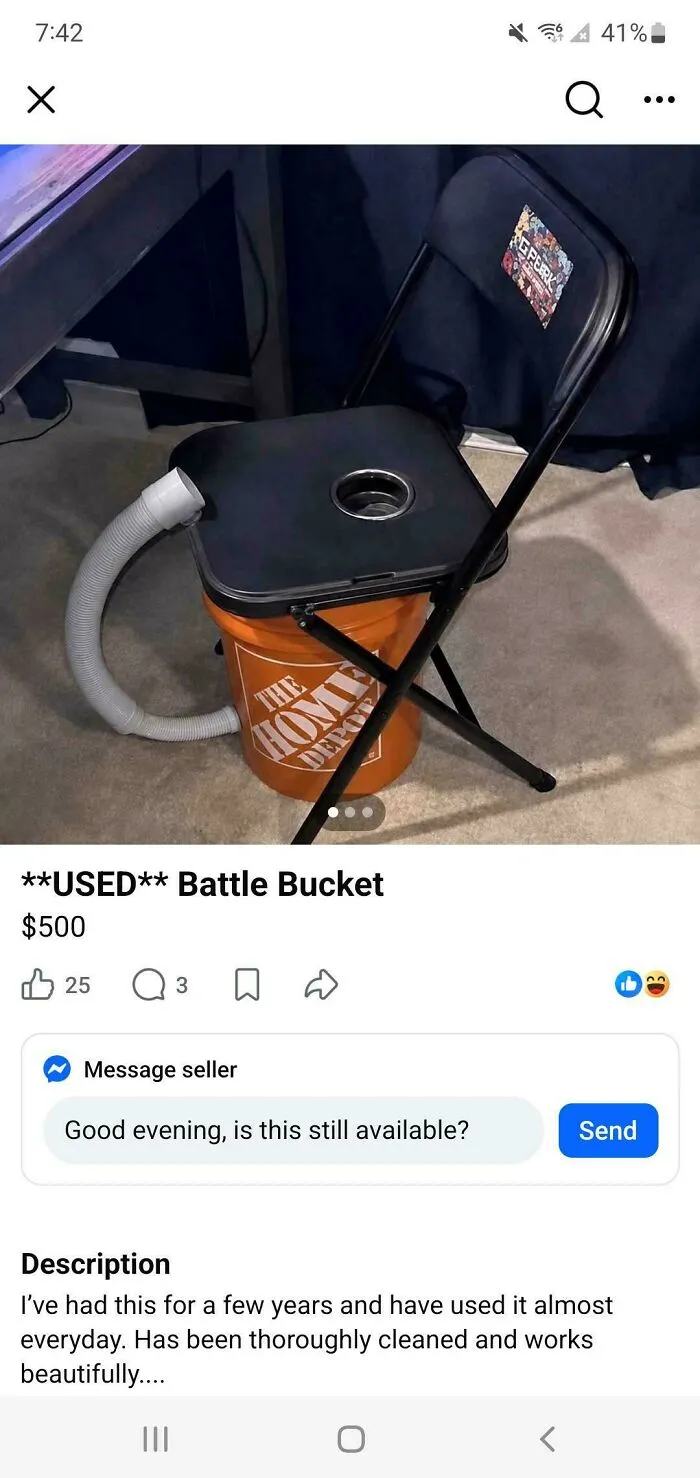

Aside from its Purchase Protection option, Facebook rarely takes action to recover money lost to a scam. This means that consumers must also do their part to protect themselves.
Miles Brignall, a former consumer affairs reporter for The Guardian, provided some tips. One is not to pay by bank transfer, and to be wary if the seller offers to send an item from too far away.
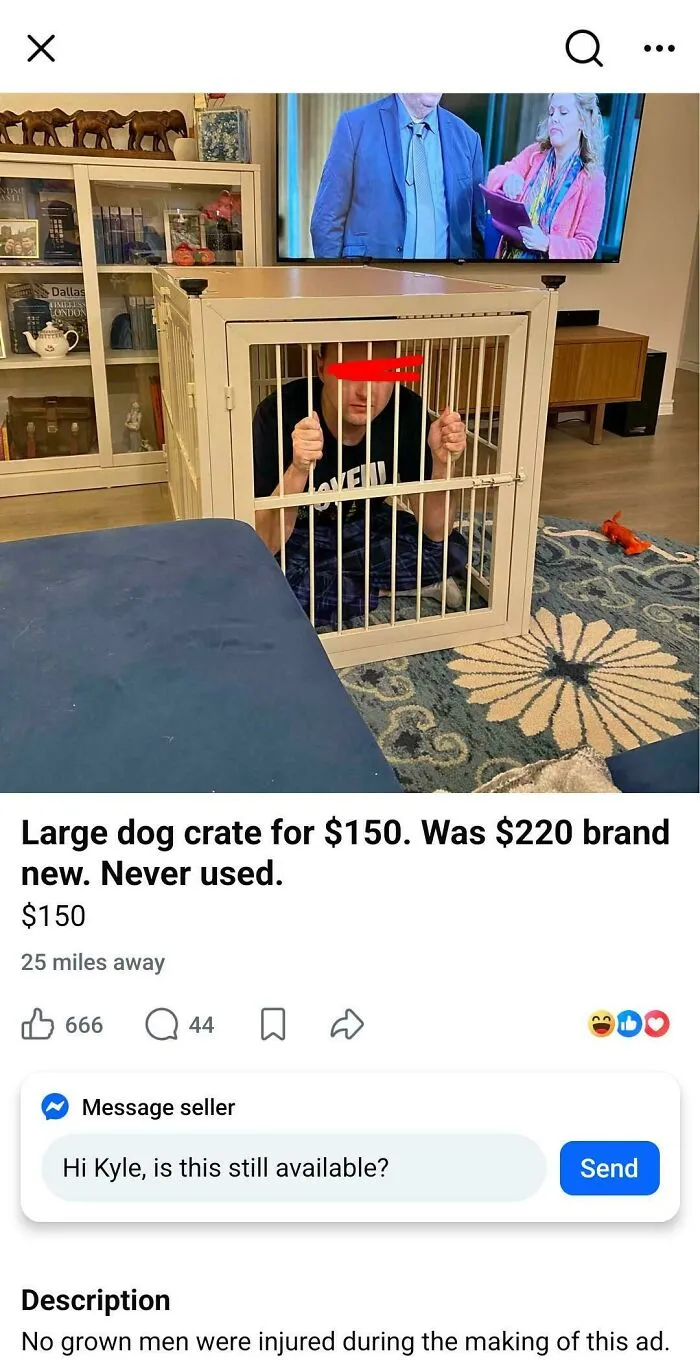
Brignall also advises paying through PayPal’s “goods and services” option, which makes sellers pay an extra fee. According to him, legitimate ones won’t mind covering that extra charge.
“If that is not an option, don’t bother, however much of a bargain,” Brignall wrote. “Switch to eBay, or pick it up in person.”