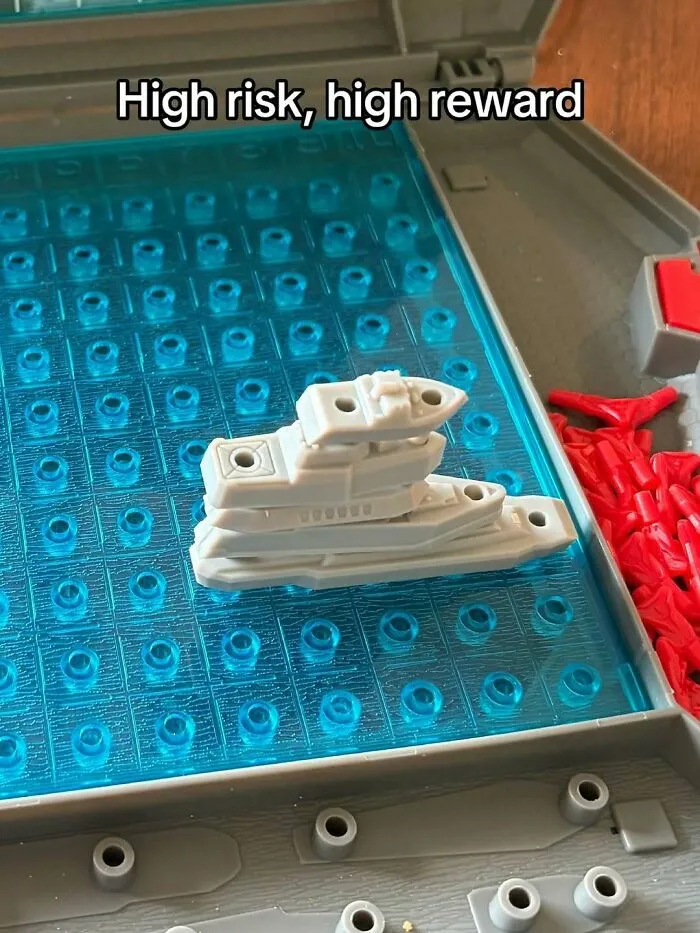



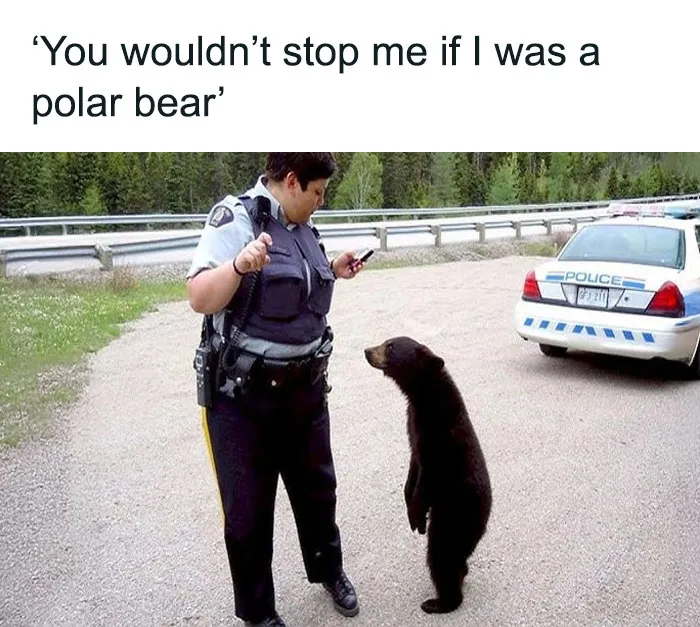
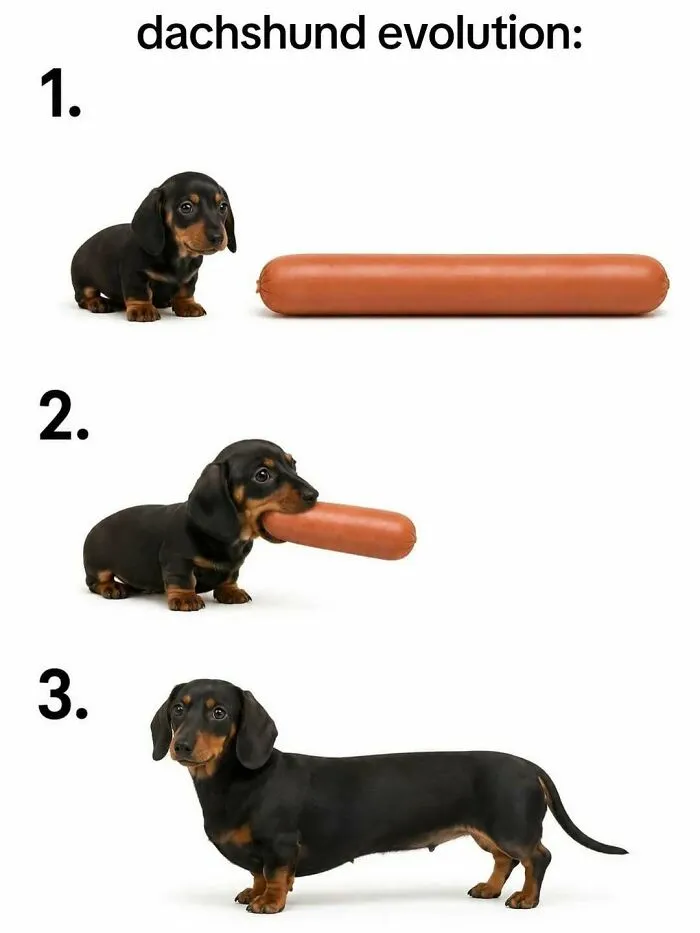

Meme taste is oddly personal. Some people want a clean wholesome joke that makes them smile for two seconds before they scroll on. Others want something that looks like it crawled out of a fever dream, a rat driving a car or a toilet dancing to no discernible beat, and they want to laugh at the sheer nonsense of it. Neither reaction is wrong. It just comes down to how each person's brain processes a joke, and psychologists have spent a surprising amount of energy figuring out why.
One of the more popular explanations is the incongruity theory of humor, the idea that we laugh when something breaks the pattern we expected. A meme that sets up one thing and delivers something completely unrelated forces the brain to scramble for meaning, and that little jolt of confusion resolving into oh that is absurd is where the laugh comes from.



This is basically why absurdist memes work at all. There is no real setup or punchline in the traditional sense, just a strange image that becomes funny purely because it refuses to make sense. Then there is the superiority theory, which is a lot less flattering to admit but explains plenty of meme humor anyway.

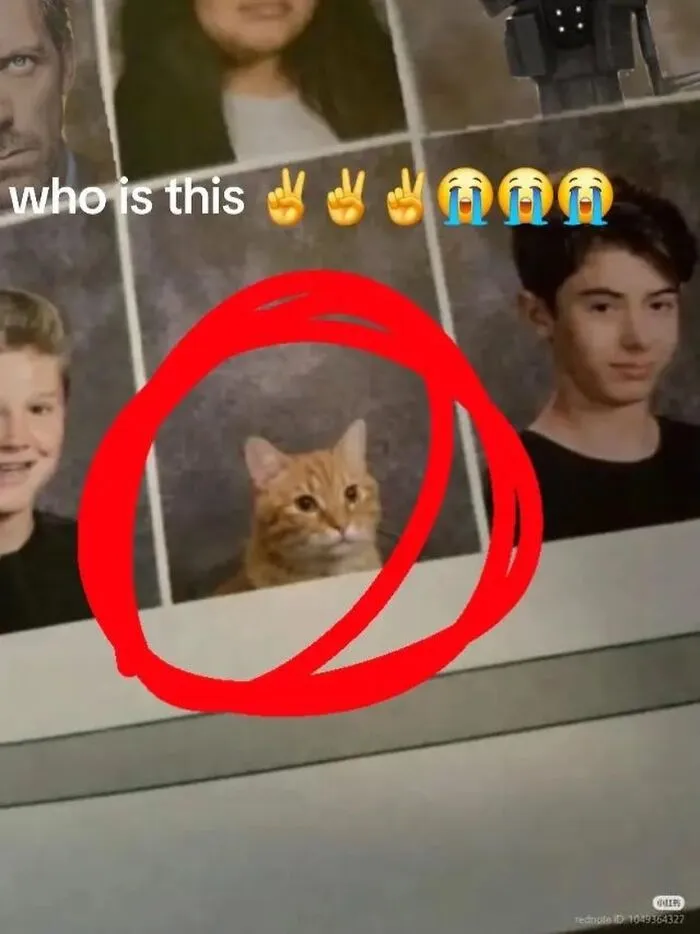
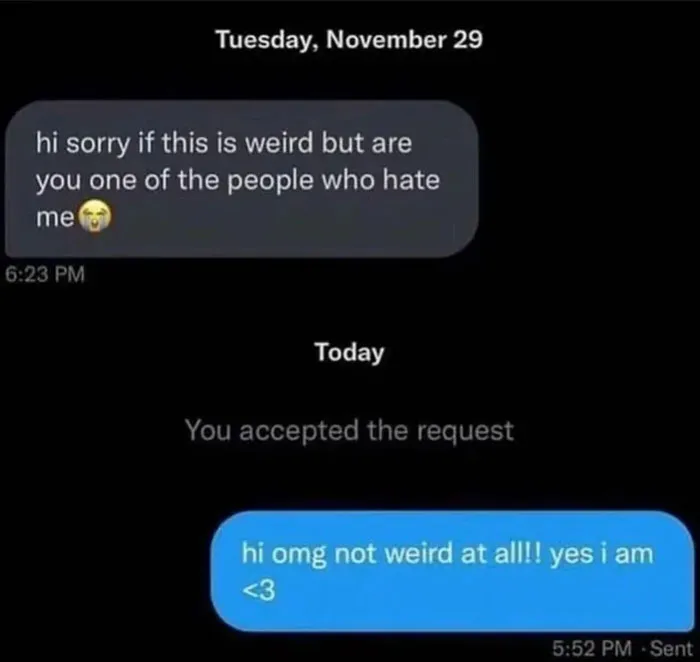
Feeling a little bit above whatever is being mocked in a meme, whether that is a societal trend or a specific type of person, tends to make the joke land harder, according to those who write about the psychology behind viral memes. That is a decent chunk of why sarcastic or ironic memes do so well. Watching something get gently roasted gives the brain a tiny hit of smug satisfaction, and apparently that counts as entertainment.

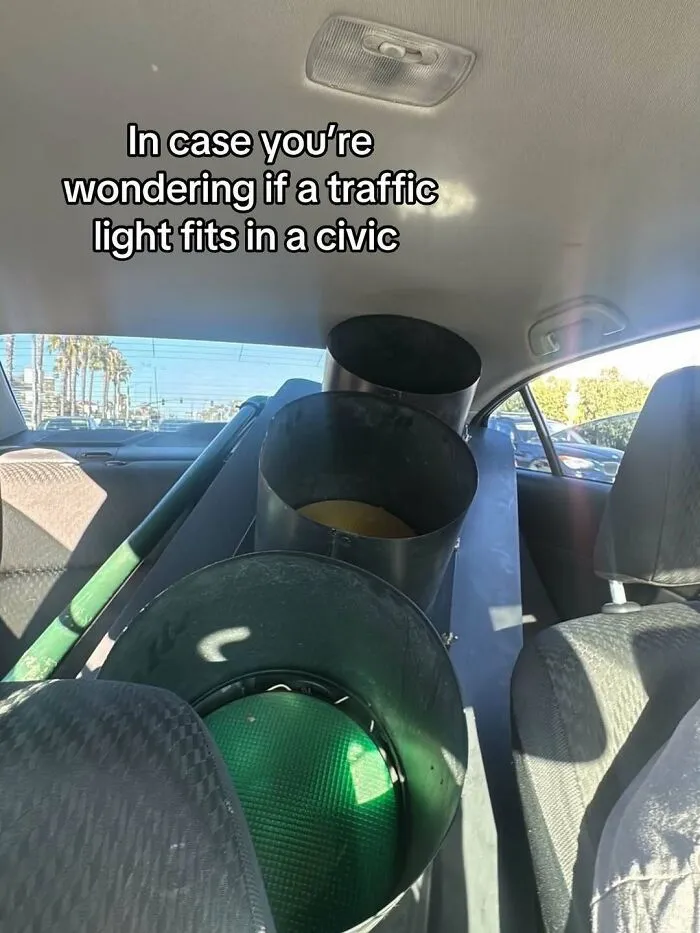

Cognitive fluency plays a role too. Memes tend to reuse familiar formats, so the brain does not have to work very hard to understand the joke, and that ease of processing actually makes people enjoy it more. This is part of why a recognizable format can get reused hundreds of times and still get laughs, because the audience already knows the rules and just wants to see how this particular version breaks them.


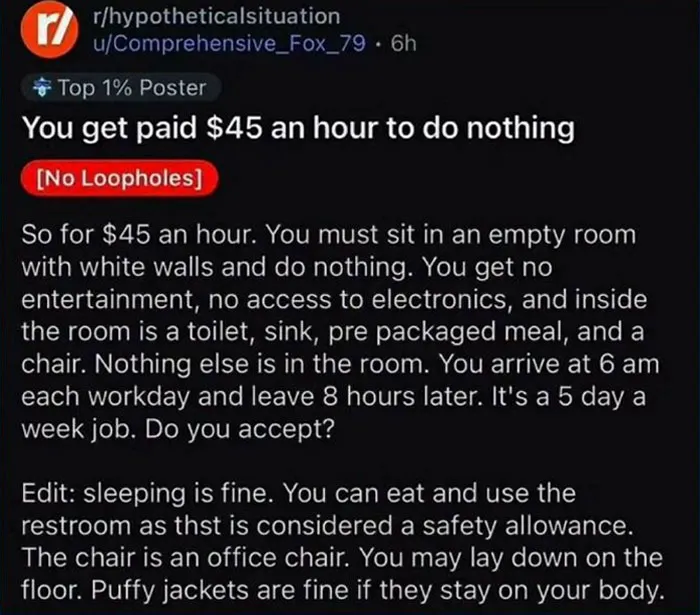
None of this really explains the emotional pull memes have though. Laughing at something, even something ridiculous, triggers a release of endorphins and dopamine, the same chemicals involved in most other pleasurable experiences. That is part of why scrolling through memes can feel oddly soothing even when the content itself is chaotic. The brain is responding to the hit of unexpected joy.

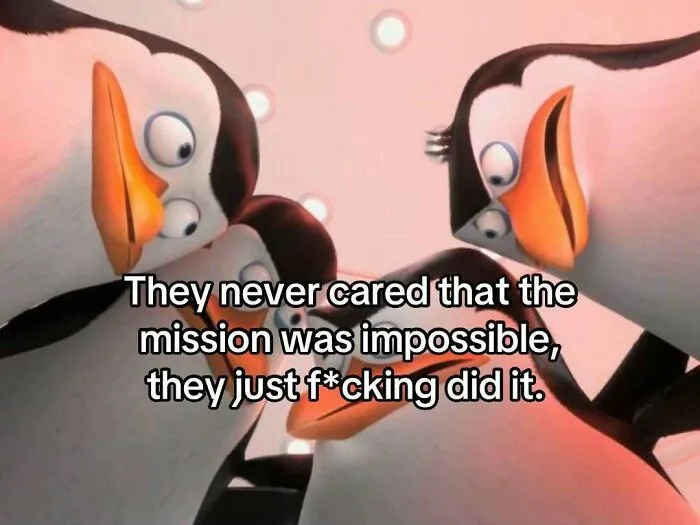

There is also a social layer that has nothing to do with brain chemistry and everything to do with belonging. Sharing a meme, especially a weird or niche one, works like a signal to the people who get it. Understanding a chaotic or deep fried meme means recognizing the layers of internet references packed into it, and that shared recognition creates a sense of being in on something.