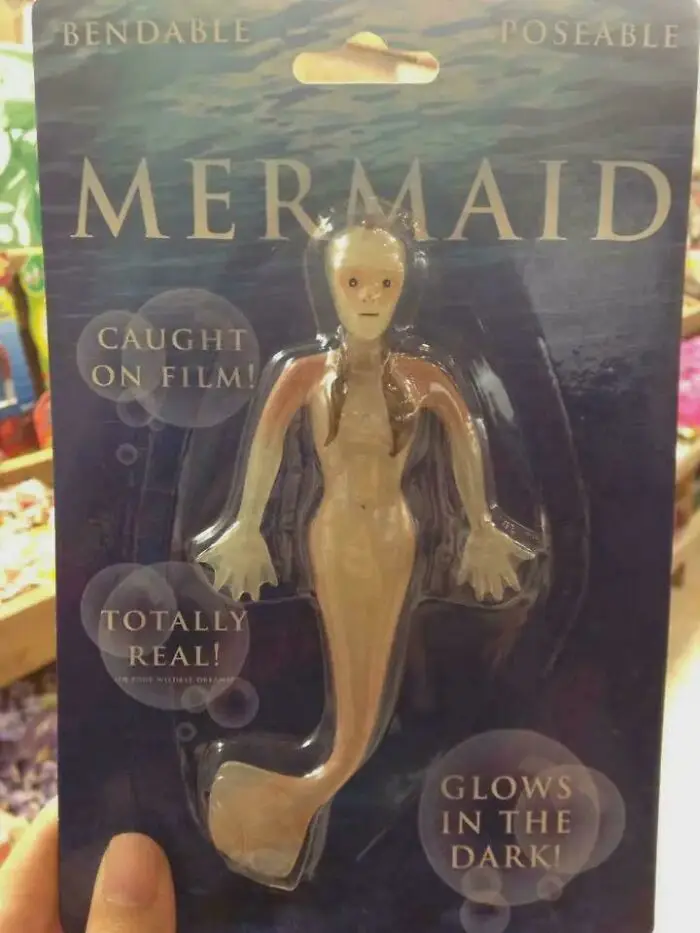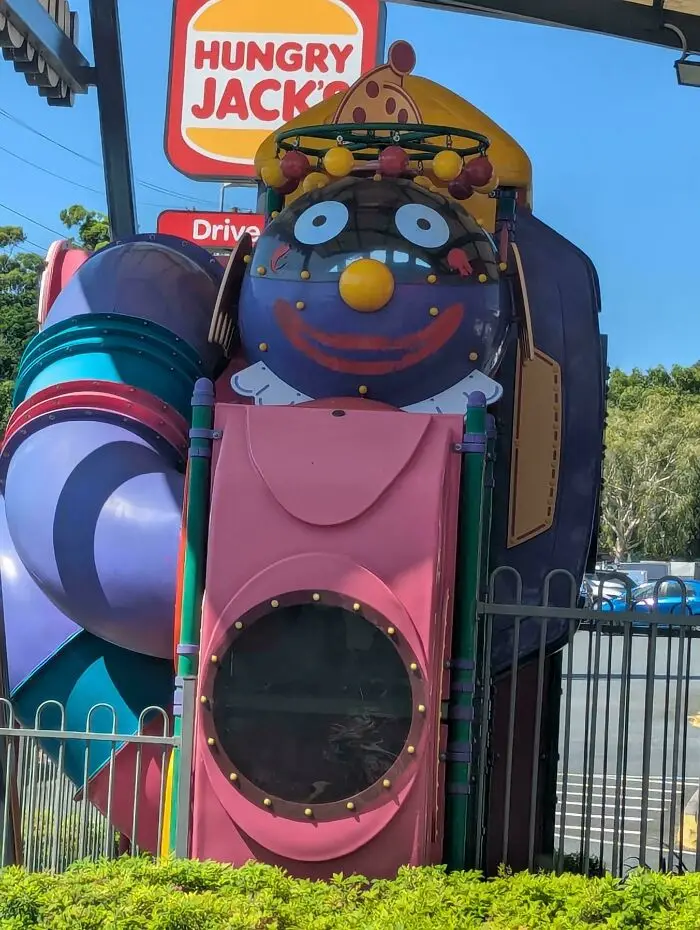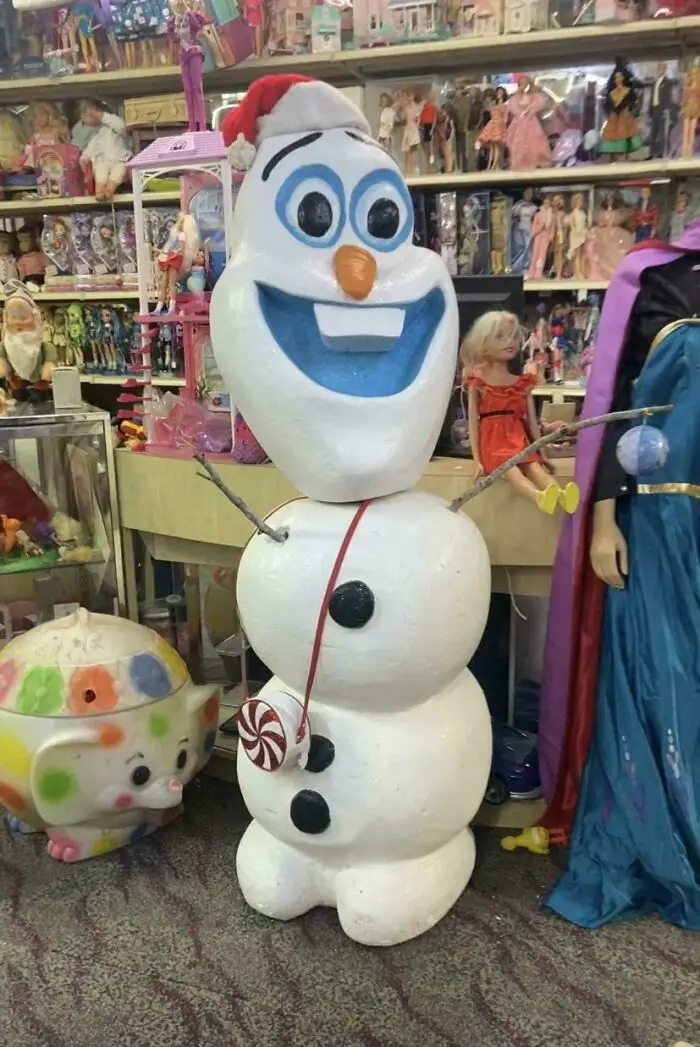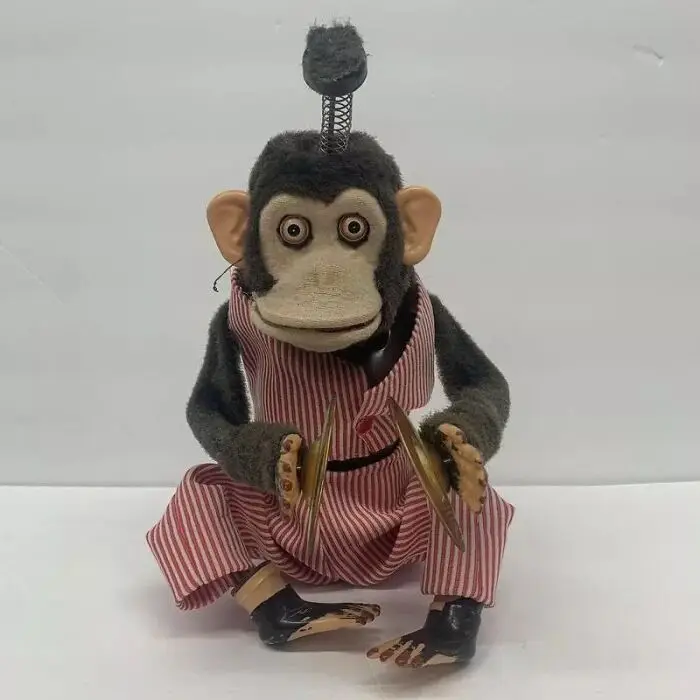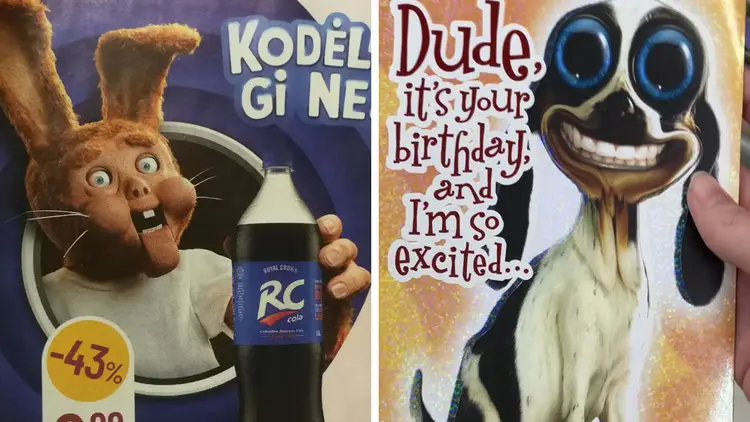

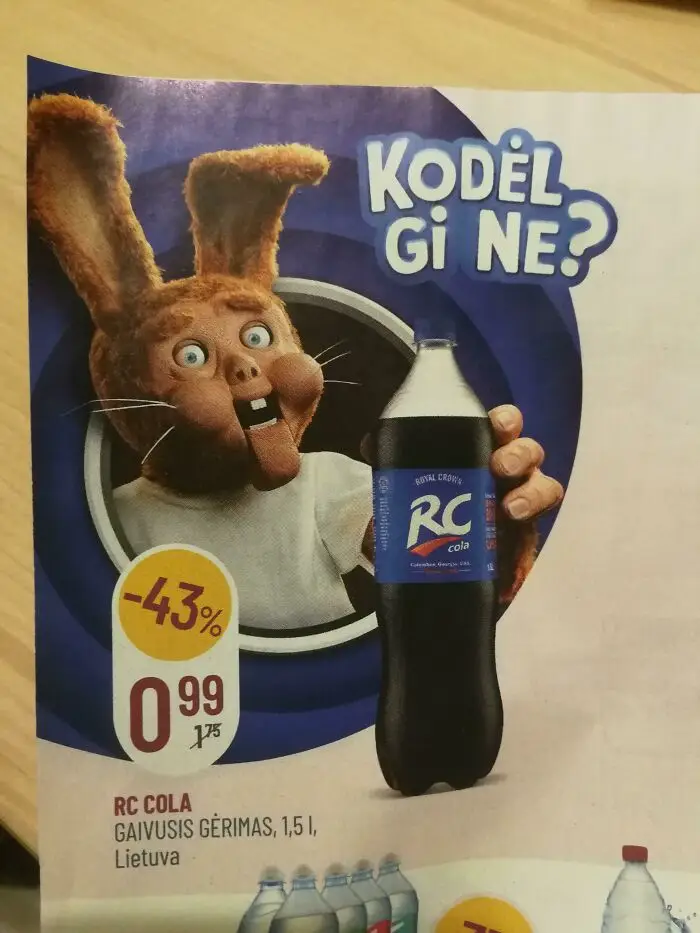
Creepiness in people is also related to them breaking certain social rules and conventions, even if sometimes that rule-breaking could be labeled as necessary.
This becomes more evident when we look at the kinds of jobs a majority of respondents found creepy. However unfairly, taxidermists and funeral directors were among the creepiest professions listed in McAndrew and Koehnke's survey, likely because they routinely handle macabre material most people avoid.

However, garbage collectors, who also deal with things people would rather avoid, were not considered creepy; evidently, the thing being avoided needs to be symbolic of or related to a latent threat.
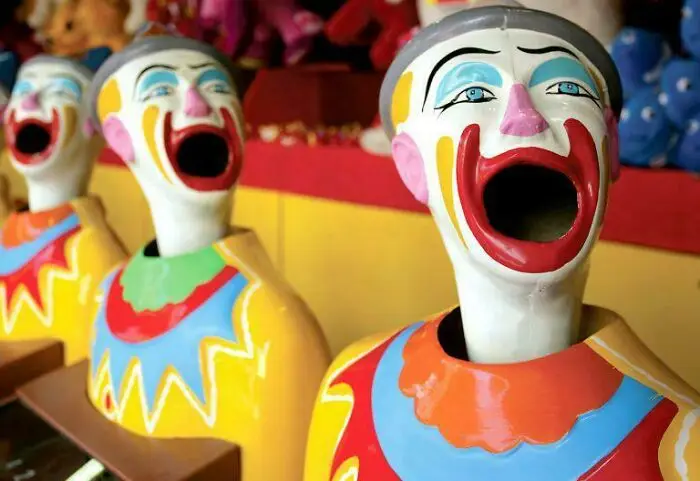
By far the creepiest profession, according to the survey, was being a clown. Clowns are by nature unpredictable and difficult to fathom. Makeup hides their features and facial cues, and they typically do things outside the social norm, such as give unexpected hugs, with few consequences.
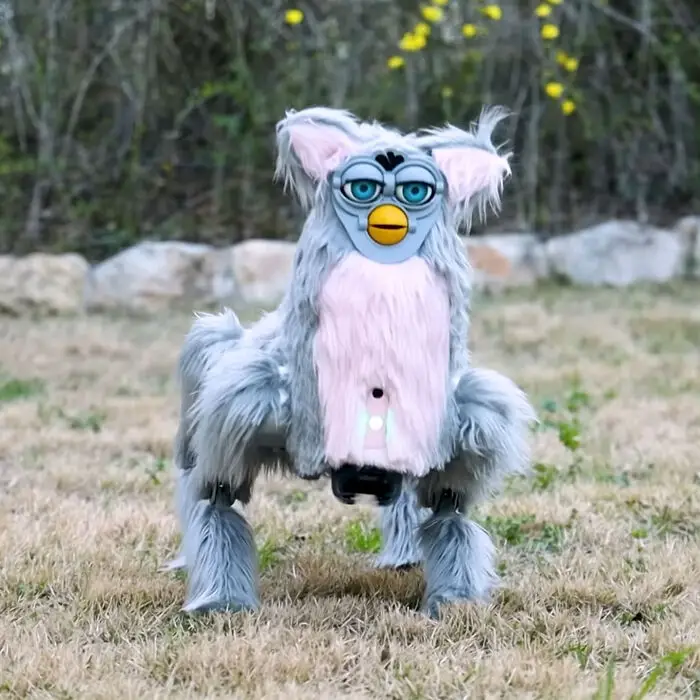
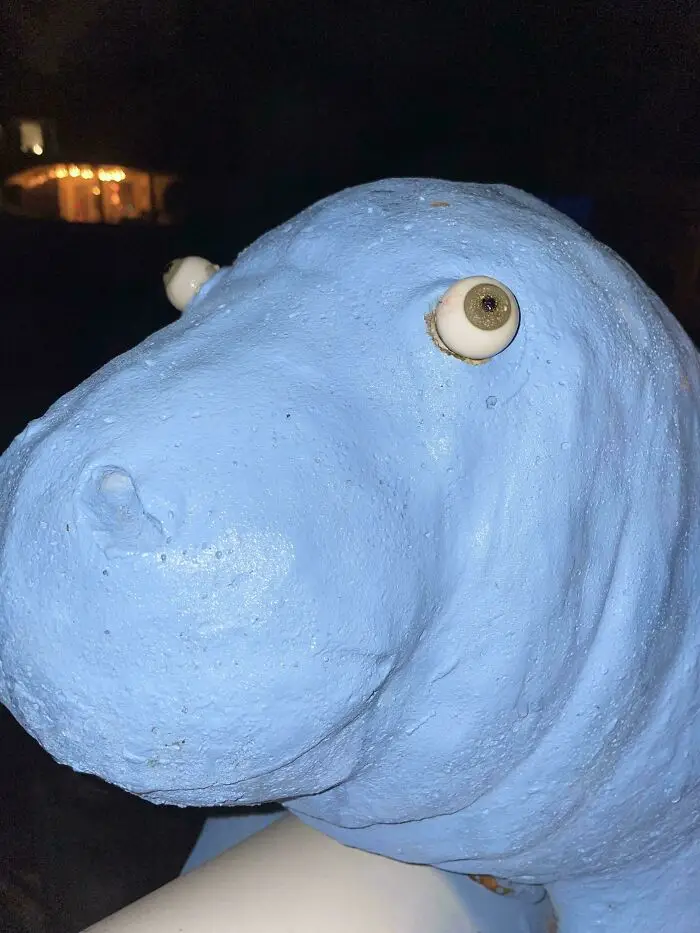
These days, the word "creepy" is often used to describe things like data surveillance or artificial intelligence, anything that has the potential to be used for evil.
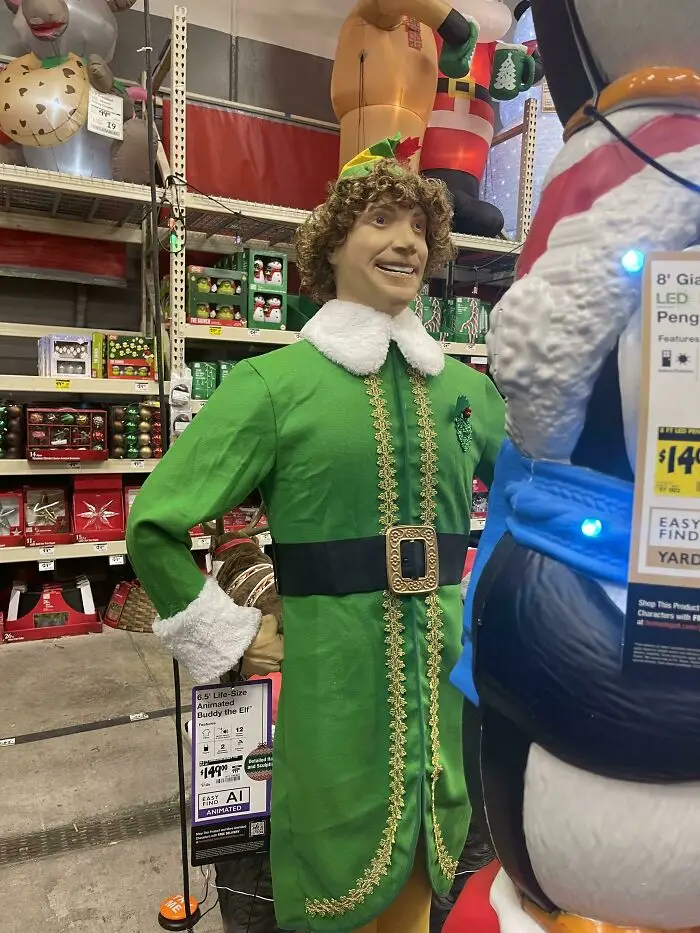
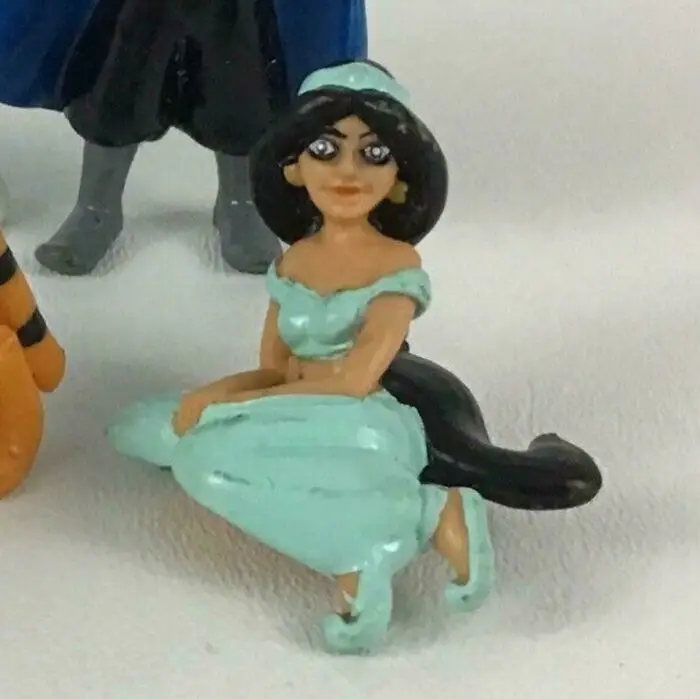
But creepiness also relies heavily on context: a doll on a child's bed isn't creepy; however, a doll that looks eerily like your own child found on your doorstep definitely is.
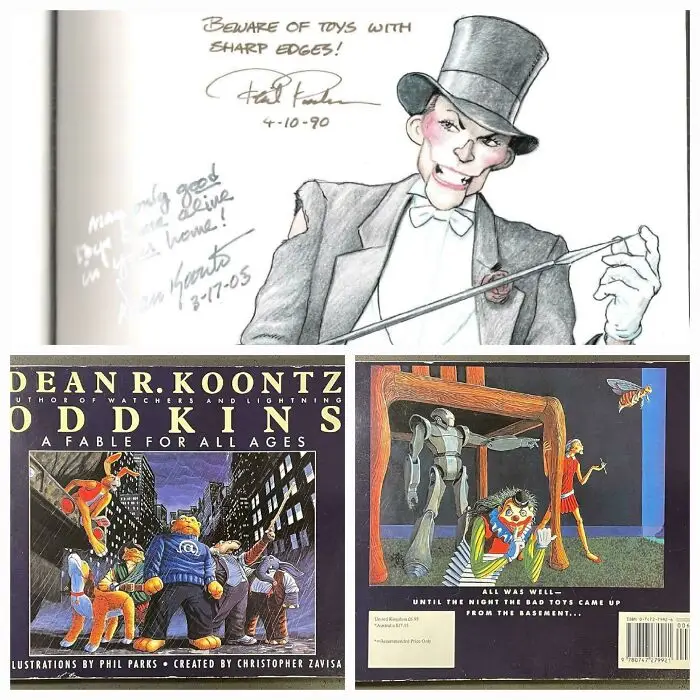
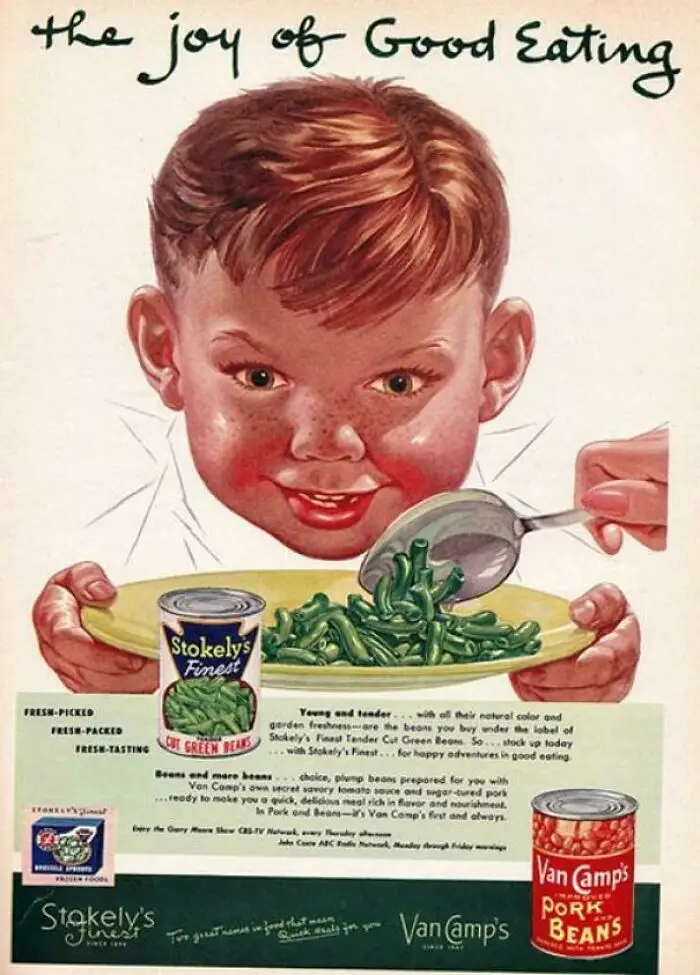
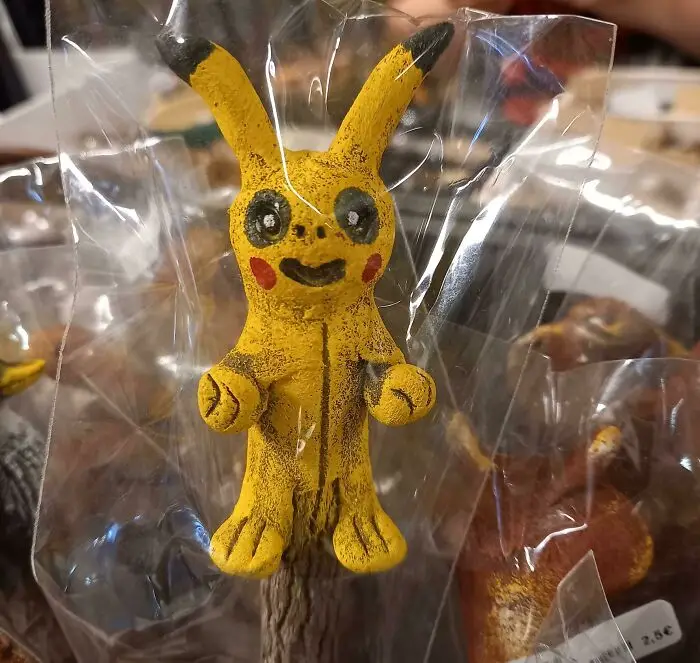
The good thing is that McAndrew believes there's an evolutionary advantage to feeling creeped out, one that's in line with the evolutionary psychology theory of "agency detection."
The idea is that humans are inclined to construe willful agency in circumstances and to seek patterns in events and visual stimuli, a phenomenon known as pareidolia. This is why we see faces in toast, hear words in static, or believe that things "happen for a reason."
Though the theory is most often invoked to explain the psychological inclination towards religion, McAndrew believes it helps make sense of why we get creeped out – because, very often, we think that the willful agent is malicious.