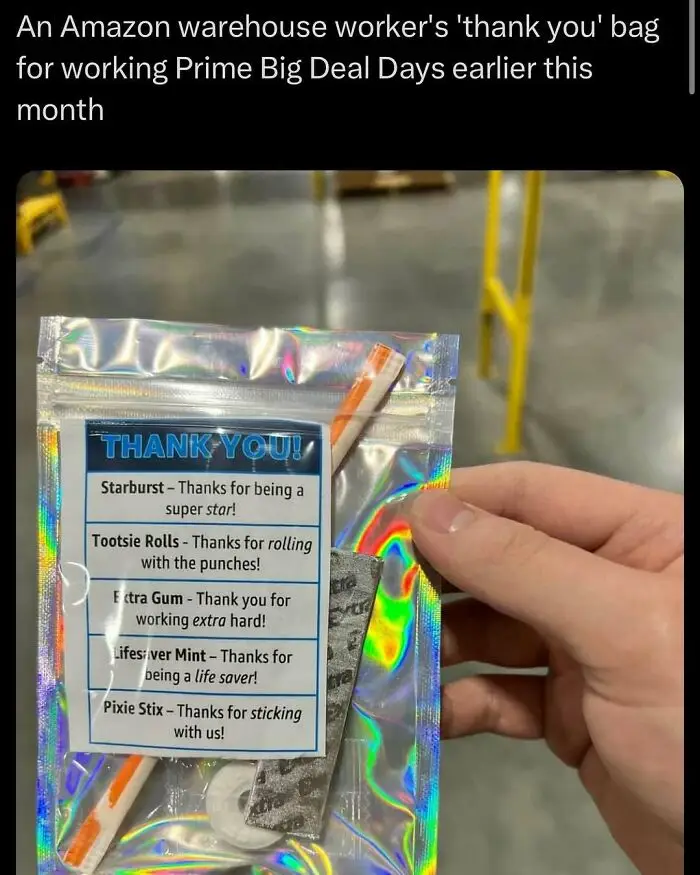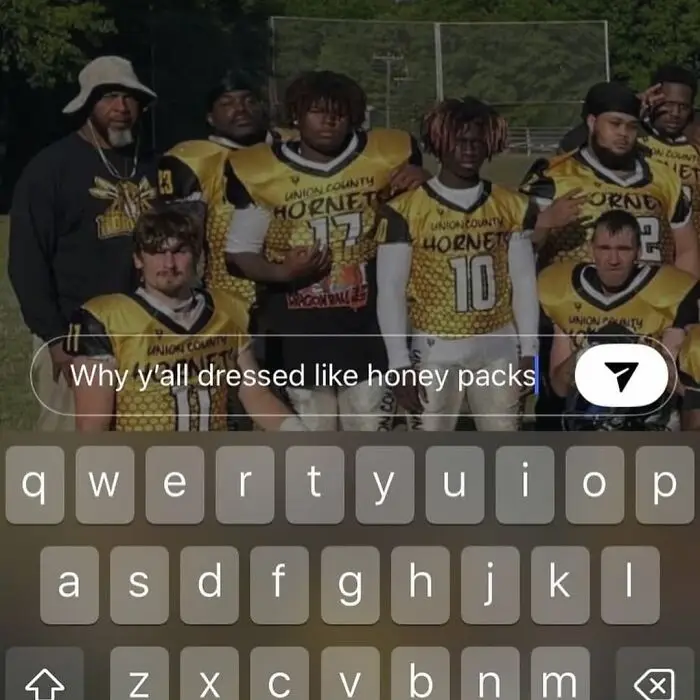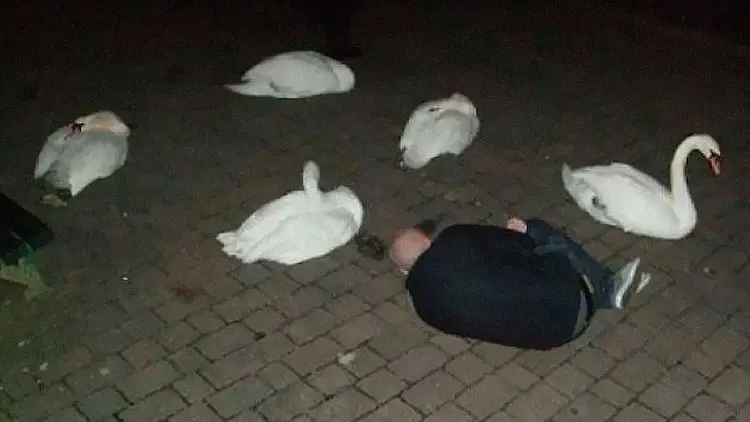


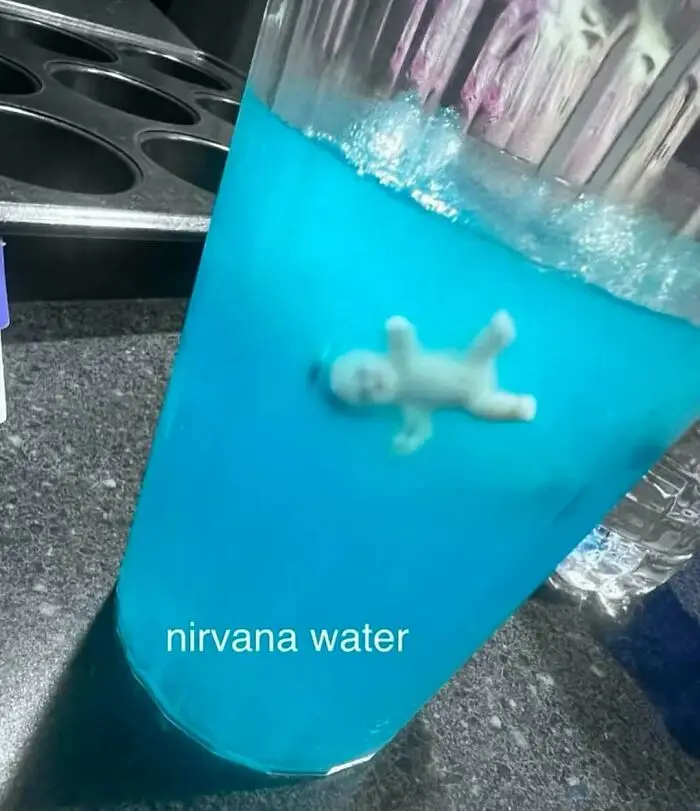
But if disgust is supposed to make us avoid gross things, why do we still seek them out, from pimple-popping videos to cursed memes? The answer lies in curiosity.
Humans are naturally drawn to learn, even from things that repel us. When we explore something scary or gross in a safe setting, our brain files it away as useful information. It sharpens instincts, prepares us for danger, and lets us test emotions without real-world consequences.



“We’re attracted to roller coasters, for example, because it’s really nasty and scary, but you learn what it is to be frightened. We all have a drive to play, and try out things safely,” said Dr Curtis.
It’s the same reason you might pop a zit even though you know it’ll be messy, sniff a trash bin even though you know it stinks, or keep scrolling through cursed images. Your brain wants to know what happens, in a place where you’re never actually in danger.



Of course, like everything in life, disgust works best in moderation. Too much of it can lead to problems like obsessive cleaning, avoidance of intimacy, or even agoraphobia. Too little, and people may get used to unhygienic conditions, putting their health (and social life) at risk.
So as you scroll through these cursed images, take them for what they are: unsettling, fascinating little snapshots that tickle the curious part of your brain. Not too much, not too little, just the right amount of disturbing fun.