







Wow, it’s cold out! Better grab your umbrella, it’s going to rain later. Just look at that sunshine, what a gorgeous day!
Even if you consider yourself to be terrible at small talk, one thing you can always rely on is starting a conversation about the weather. And according to the BBC, a whopping 94% of Brits have discussed how rainy, sunny or windy it is during the last 6 hours.
But weather can be extremely fascinating, so why shouldn't we talk about it? Bored Panda has compiled a list below of some of the most mind-blowing weather records that have been set around the world. From terrifying tornadoes to softball-sized pieces of hail, enjoy scrolling through these wonders. And be sure to upvote the weather patterns that you’re thankful you didn’t have to experience!
#21 Greatest Rainfall In 24 Hours
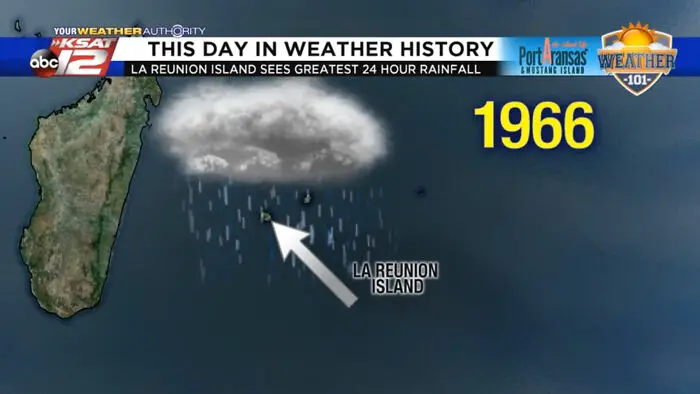
The official world record for the most rainfall in a single 24-hour period belongs to the French island of Réunion in the Indian Ocean. From January 7th to 8th, 1966, a staggering 71.8 inches (1.82 m) of rain inundated the high-altitude region of Foc-Foc. This catastrophic deluge was caused by the slow passage of Tropical Cyclone Denise, which unleashed a volume of water that remains unparalleled in meteorological history.
Report
17points
#22 The Highest UV Index Was Measured Over Chile And Bolivia
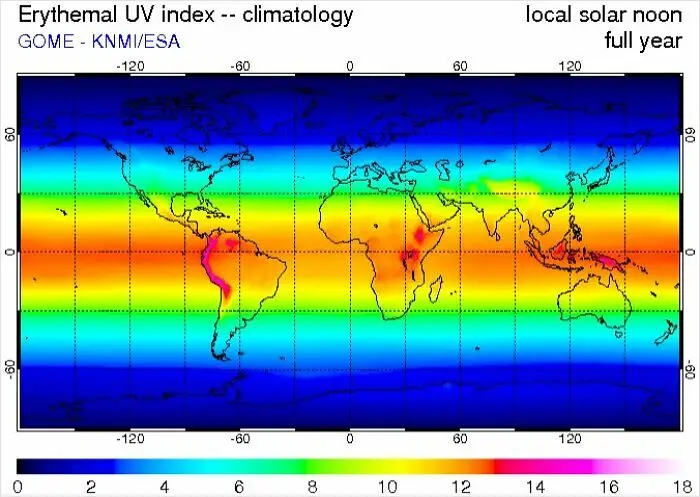
The most extreme level of ultraviolet radiation ever recorded on Earth occurred on December 29, 2003, at the Licancabur volcano, situated on the border of Bolivia and Chile. Scientists there measured a UV index of 43.3, a level so dangerously high that it could cause a moderate sunburn on fair skin in just four minutes.
Report
17points
#23 The Fastest Wind Speed Was In Cyclone Olivia
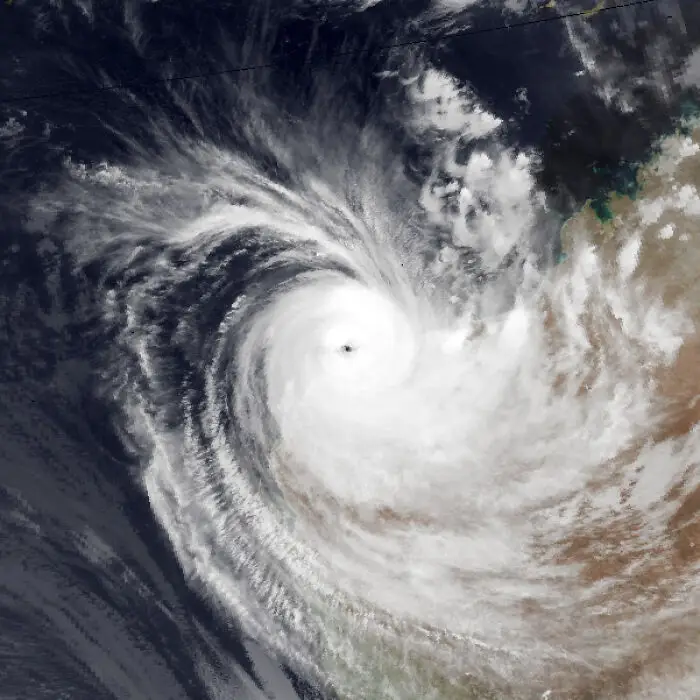
The fastest non-tornadic wind gust ever recorded on Earth's surface was a staggering 253 miles per hour (407 km/h), clocked during Tropical Cyclone Olivia in 1996. This incredible measurement was taken by an automatic weather station on Barrow Island, Australia, as the storm's eyewall passed directly over. After a thorough investigation confirmed the equipment was sound, the World Meteorological Organization officially ratified this gust as the new world record in 2010.
16points
#24 Greatest Rainfall In One Minute
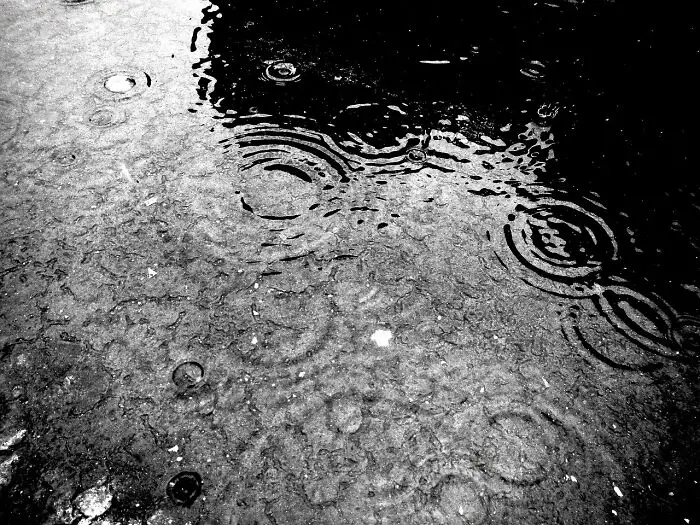
The official world record for the most intense burst of rainfall ever measured belongs to Unionville, Maryland. On July 4, 1956, a rain gauge there recorded an incredible 1.23 inches (3.12 cm) of rain in just a single minute. This torrential downpour represents the most extreme sixty-second rainfall event ever officially verified.
Report
15points
#25 The Longest Path Of Destruction From A Tornado
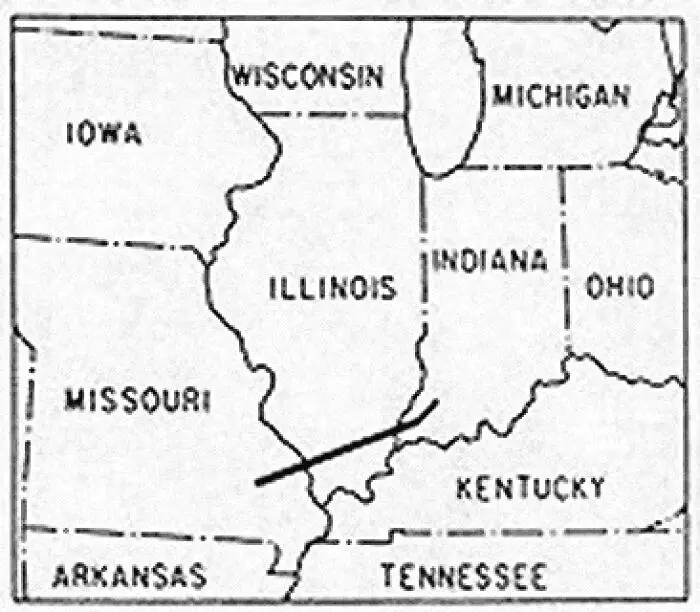
The deadliest single tornado in U.S. history, the 1925 "Tri-State Tornado," also holds the record for the longest continuous damage path. This monstrous EF5 storm remained on the ground for an incredible 3.5 hours, carving a devastating, 219-mile-long (352 km) trail of destruction from Missouri, across Illinois, and finally into Indiana.
15points
#26 Yuma In Arizona Is The Sunniest Place
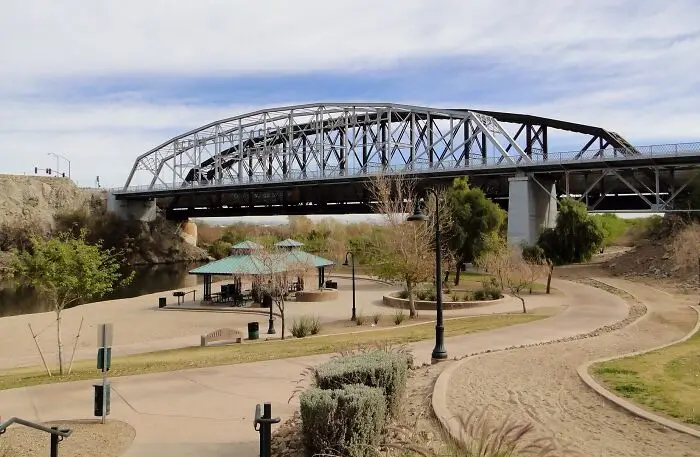
Earning its title as the sunniest place on Earth, Yuma, Arizona, experiences sunshine for an average of 90% of all possible daylight hours. The city's climate is dominated by a persistent high-pressure system that keeps the skies clear, resulting in an incredible 4,000 hours of sunshine annually. This relentless sun is so central to life in Yuma that local architecture is heavily influenced by the need for shade, and the native plants have evolved unique adaptations to thrive under the constant, intense solar radiation.
15points
#27 The World Wind Speed Record From Mount Washington
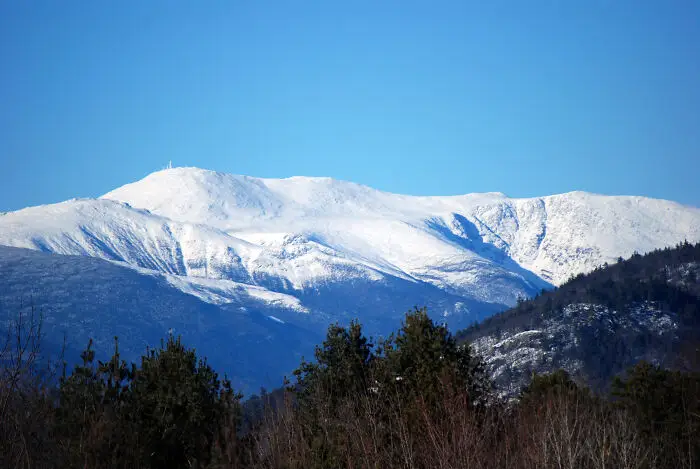
For over six decades, New Hampshire's Mount Washington held the record for the fastest surface wind speed ever measured on Earth, a staggering 231 miles per hour (371.8 km/h) gust recorded in 1934. The mountain's unique position at the convergence of several storm tracks creates a natural wind tunnel, routinely amplifying wind to hurricane force. The conditions are so consistently severe that the summit's observatory is anchored to the bedrock with heavy steel chains to prevent it from being blown away.
Report
15points
#28 The Extreme Rain Shadow Of Death Valley
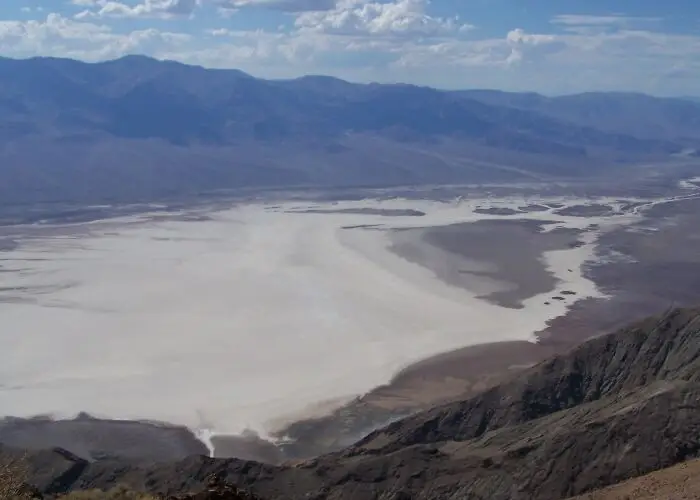
Just 76 miles (122 km) from the snowy peaks of Mount Whitney, California's Death Valley sits in one of the world's most extreme rain shadows, receiving less than 2 inches (5 cm) of rain per year. The towering Sierra Nevada mountains effectively block nearly all Pacific moisture from ever reaching the valley floor. This effect is so profound that it has created the vast, sterile salt flats of Badwater Basin, where the infrequent rain that does fall often just dissolves and re-concentrates the surface salts, making the ground even more inhospitable.
14points
#29 Greenland Measured The Lowest Pressure In The Northern Hemisphere
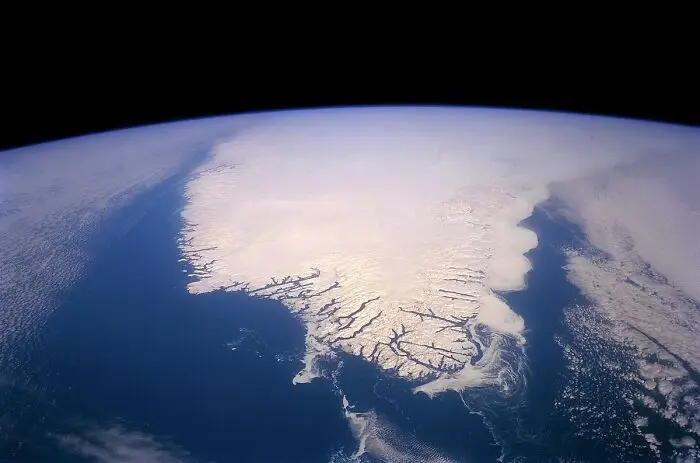
In 2020, a colossal storm system churning in the North Atlantic near Greenland set a new record for the lowest barometric pressure ever measured in the Northern Hemisphere. This meteorological bomb was so powerful that it generated hurricane-force winds and monstrous waves over 100 feet (30 m) high. The pressure dropped so low that it created bizarre phenomena, such as sea spray being violently sucked hundreds of feet into the air.
14points
#30 Tampa Bay Is America's Lightning Capital
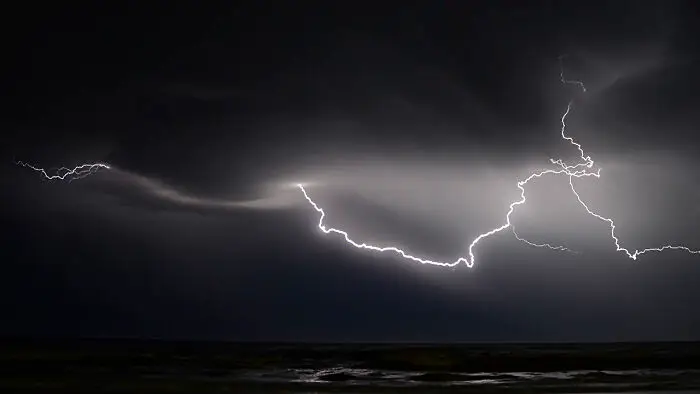
Thanks to a perfect storm of geographical and meteorological factors, Florida's Tampa Bay area holds the title of the lightning capital of the United States. During the summer, the region's unique conditions create a consistent breeding ground for thunderstorms, resulting in an average of 83 lightning strikes per square mile (~32 per square km) each year. The threat is so constant that local building codes mandate enhanced lightning protection, and large outdoor venues rely on advanced detection systems to ensure public safety.
Report
13points
#31 The Costliest Drought Was In Texas
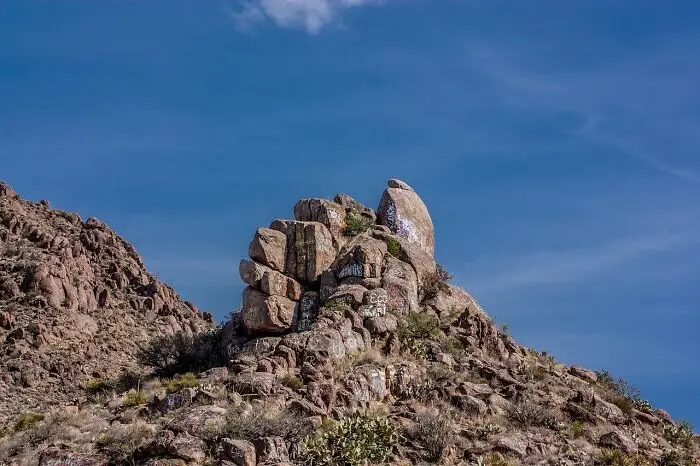
Causing over $7B in agricultural losses alone, the 2011 Texas drought holds the record as the costliest in U.S. history. The event was the result of the driest seven-month period ever documented in the state, a period so severe that it destroyed an estimated 300 million trees. The ground itself became so parched and cracked that the shifting soil caused widespread damage to building foundations across the state.
Report
12points

