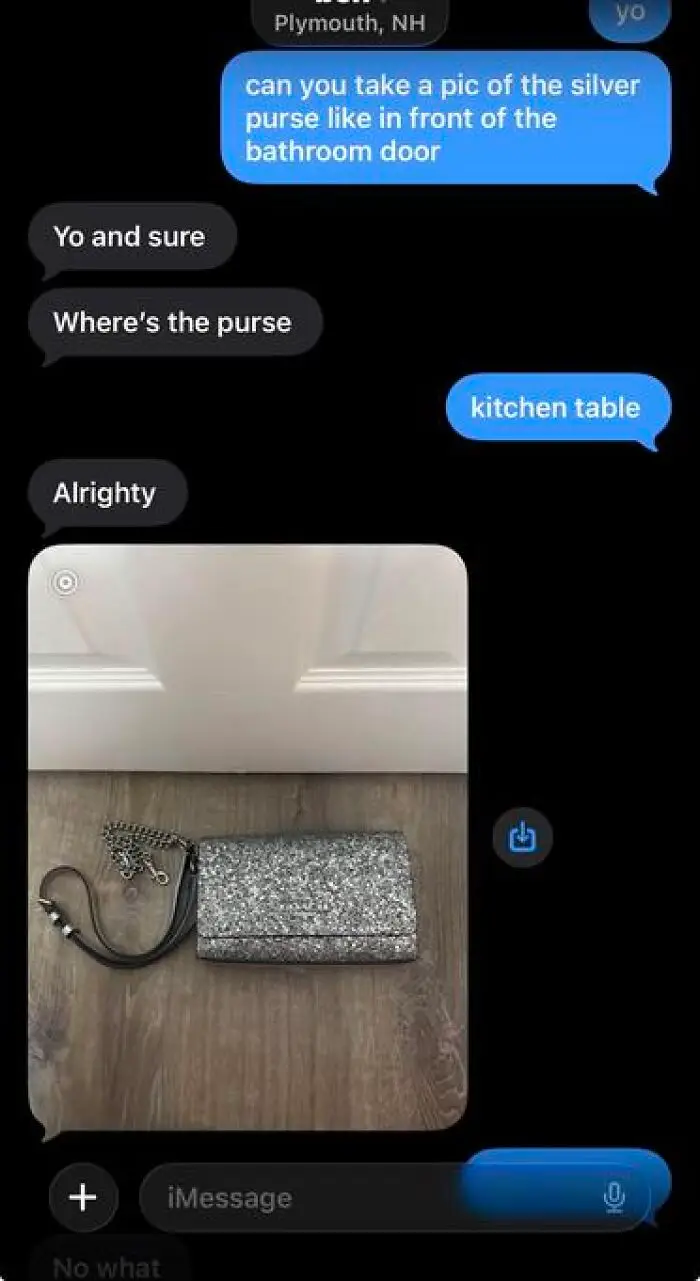


#1 Asked My Husband To Grab The Screwdriver Out Of The Junk Drawer. He Said He Couldn’t Find It
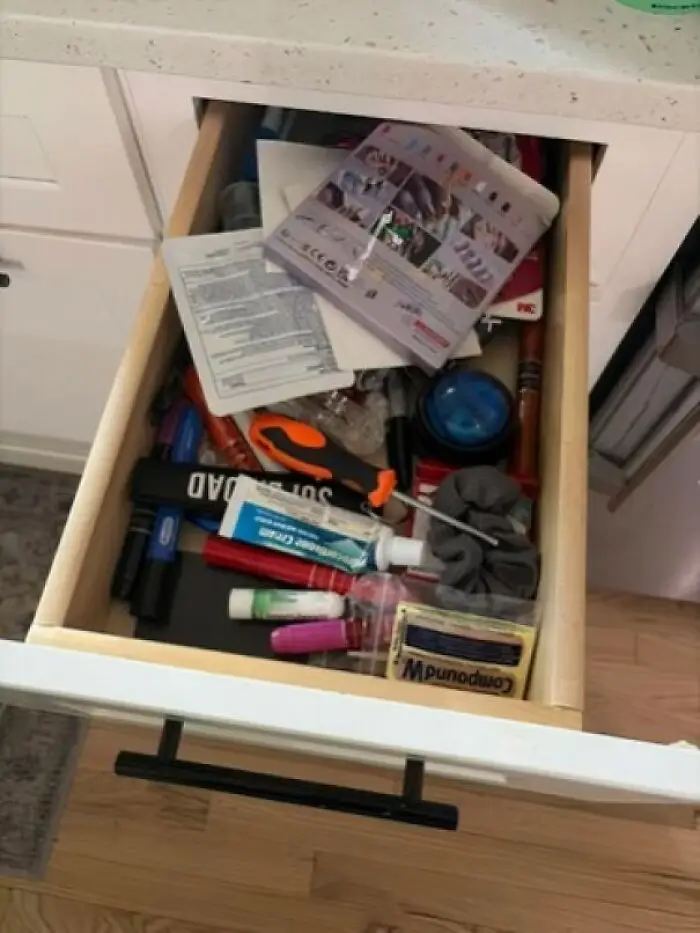


Here’s the sneaky thing about playing dumb at home. It works, and anything that works tends to stick around. Weaponized incompetence usually comes down to a few motives. Some people want to dodge responsibility, some feel anxious about the task, and some disagree with how their partner wants it done, so they quit trying.
Occasionally the skill really is missing, which is a fixable gap rather than a scheme. The giveaway is a pattern. One botched casserole is just a Tuesday. Years of helplessness around the same chores is a lifestyle.
#4 I Asked Him To Pour The Pasta Sauce, He Poured It In The Pot With The Boiling Spaghetti 🫠


#6 He Ripped The Top Of The Bag Off And Used It Like A String To Tie A Knot Around The Original Bag

So why choose the shrug? Because the payoff is delicious. As one expert suggested, the tactic is approaching a task with so little effort that nobody asks you to repeat it. Francine Deutsch, a professor emerita of psychology at Mount Holyoke College who has studied how couples share housework, says that feigned helplessness lets men justify an uneven split of labor.
#7 Told My Son To Bring Me Back A Stock Of Celery And I Got This. I Want To Also Know Who Even Sold Him This At The Grocery Store 🤦♀️



She argues it’s a question of motivation rather than ability, and that most men could learn to cook, tackle laundry and care for children if they wanted to. The same report describes men who blame weak results on a partner’s sky high standards, which sociologists say women are socialized to uphold. In other words, a sloppy job somehow becomes a complaint about the person who noticed it. Convenient, right?



Upbringing plays a part too. The same Psychology Today piece suggests that early roles can shape adult habits. One kid might carry a big share of chores at home while another is only expected to chase good grades and a future paycheck, and nobody ever questions the setup.


#15 I Asked Him To Make Me A Cheese And Pickle Sandwich 🥲 (Branston Pickle)

Fast forward a couple of decades and one partner treats the washing machine like a mysterious artifact. Deeply ingrained expectations lead many men to equate their contribution with hours of paid work, even when the household math points the other way. Many men see their chores as “helping,” as if the house were their partner’s personal project.

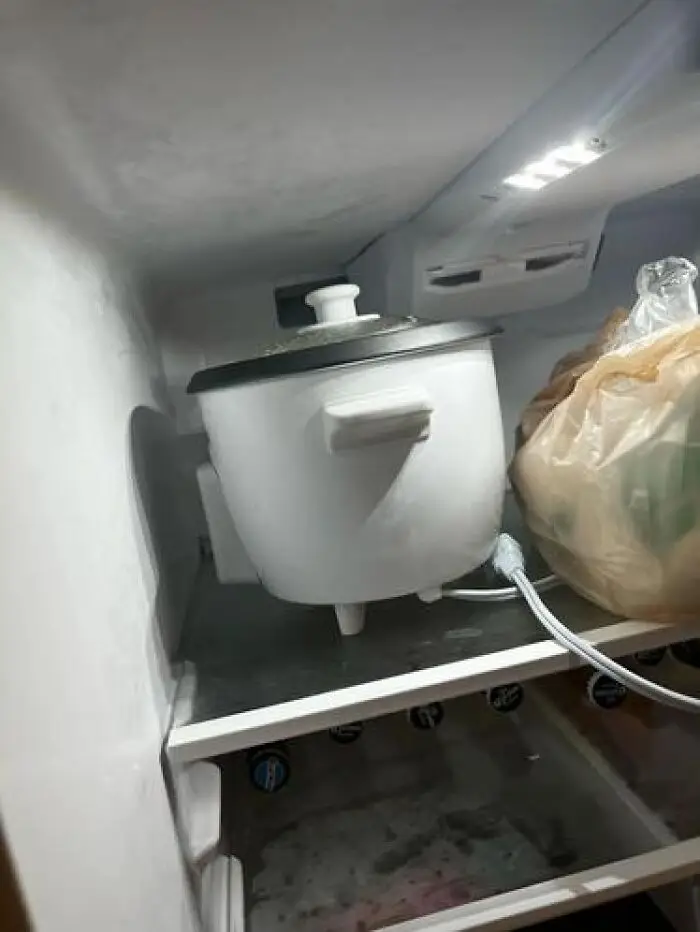
#18 We Bought A Bigger Bed And Forget To Buy New Sheets And Only Had The Ones With A Elastic Edge.. Asked Him To Cut The Corners So We Could Lay The Sheets On The Mattress.. This What I Came Home To

Then there’s the invisible part of housework, which is where things get really interesting. In a study published in the American Sociological Review, Allison Daminger interviewed couples and defined cognitive labor as anticipating needs, weighing options, making decisions and monitoring progress. Women did more of the anticipating and monitoring.