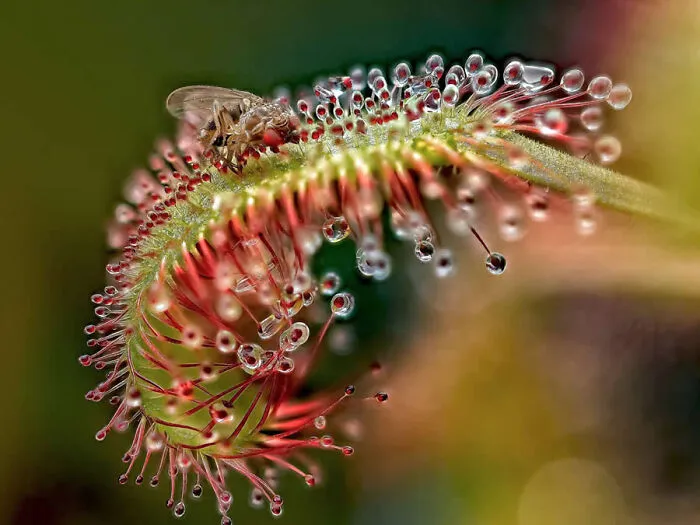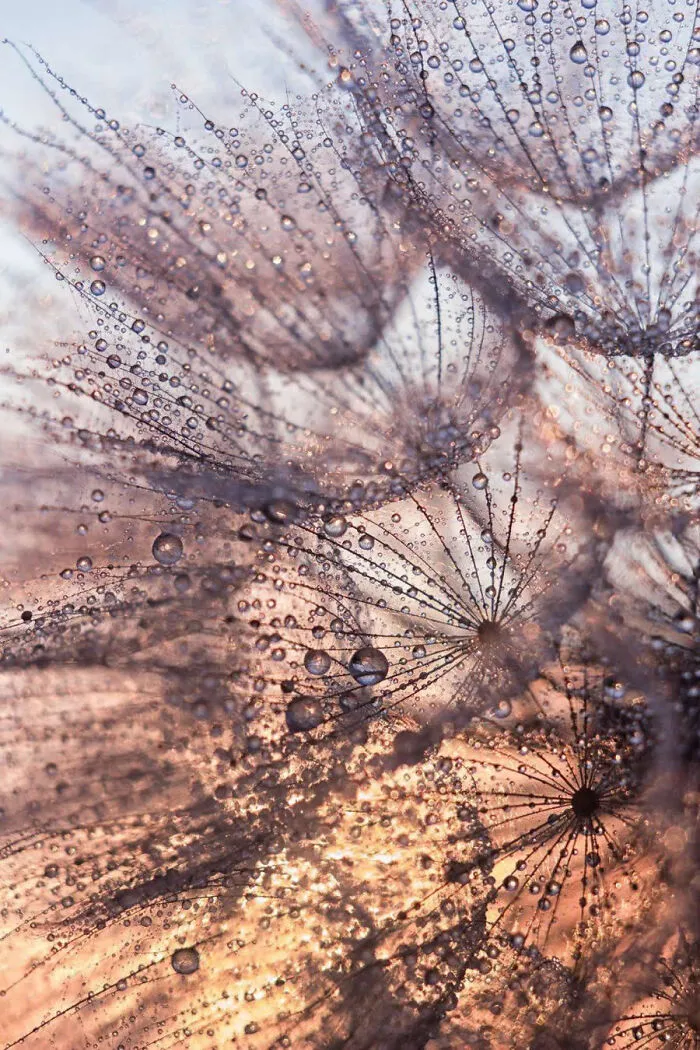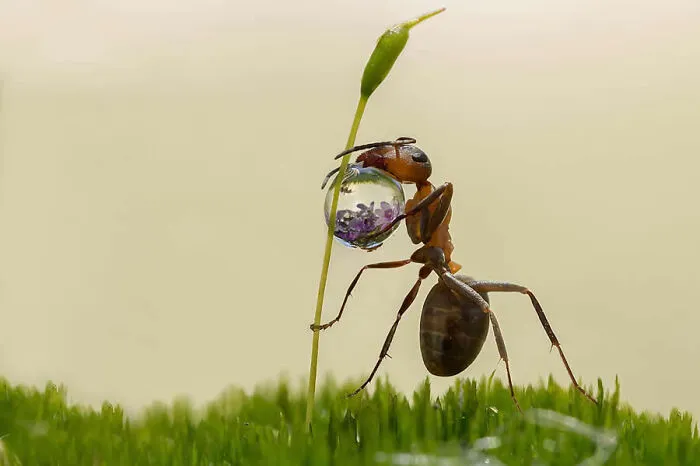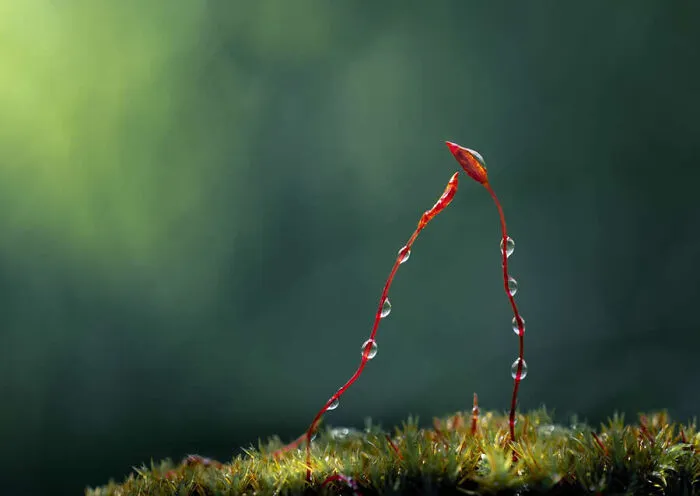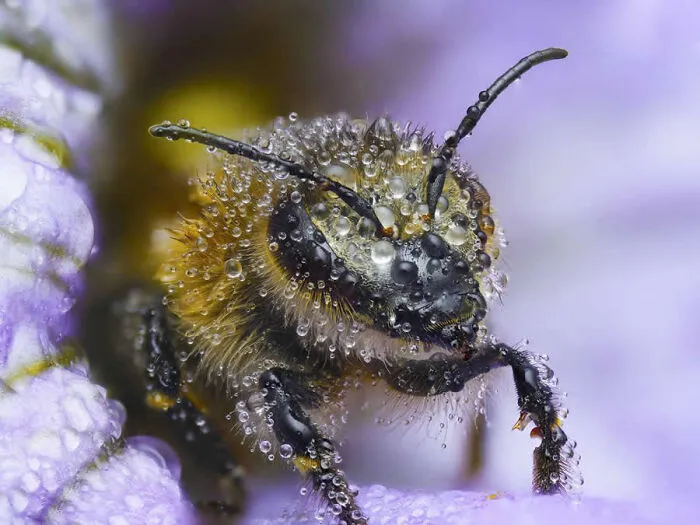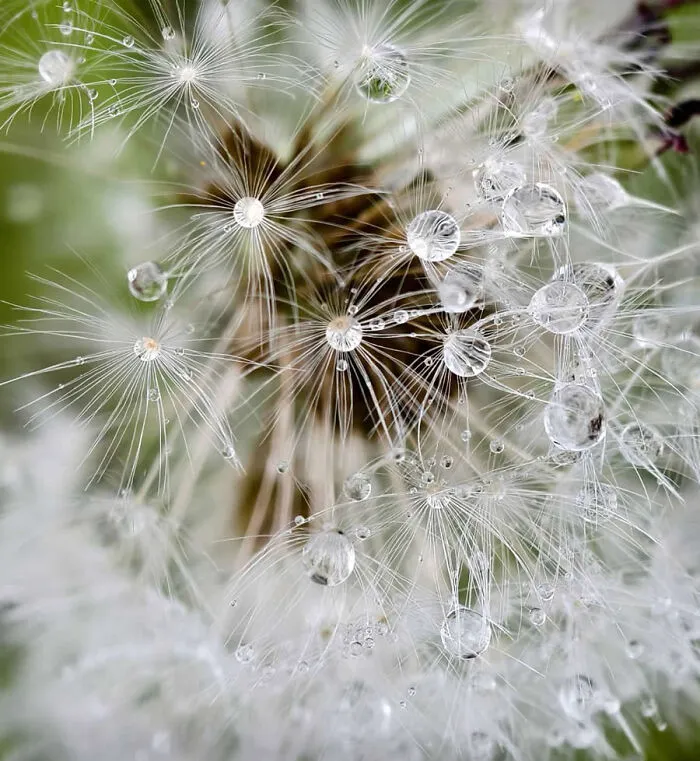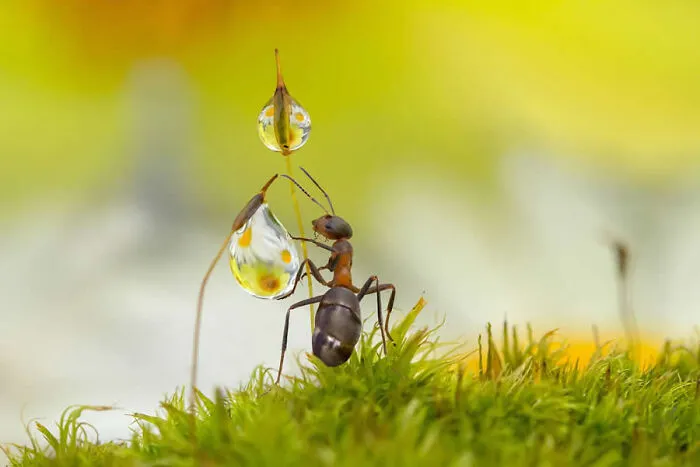


Capturing a scene this small takes more patience than expensive equipment. A dedicated 1:1 macro lens helps, but extension tubes or close-up filters can get surprisingly close for a fraction of the price. Early morning tends to be the sweet spot. The dew is still fresh, the light is soft and the air is calm, which matters when the slightest breeze can set a leaf, and the shot, swaying. Many photographers work at the droplets’ level and use a tripod and a remote shutter release. A moderate aperture of around f/2.8 to f/5.6 keeps the background soft and dreamy. For subjects that stay perfectly still, focus stacking blends several frames taken at different focus points, so every glistening detail comes out sharp.
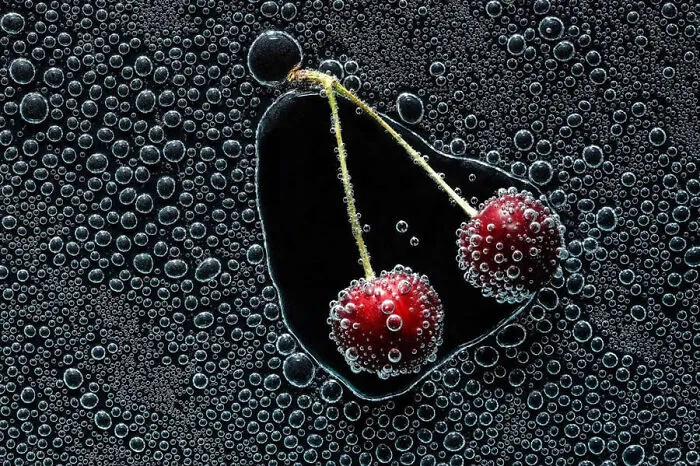
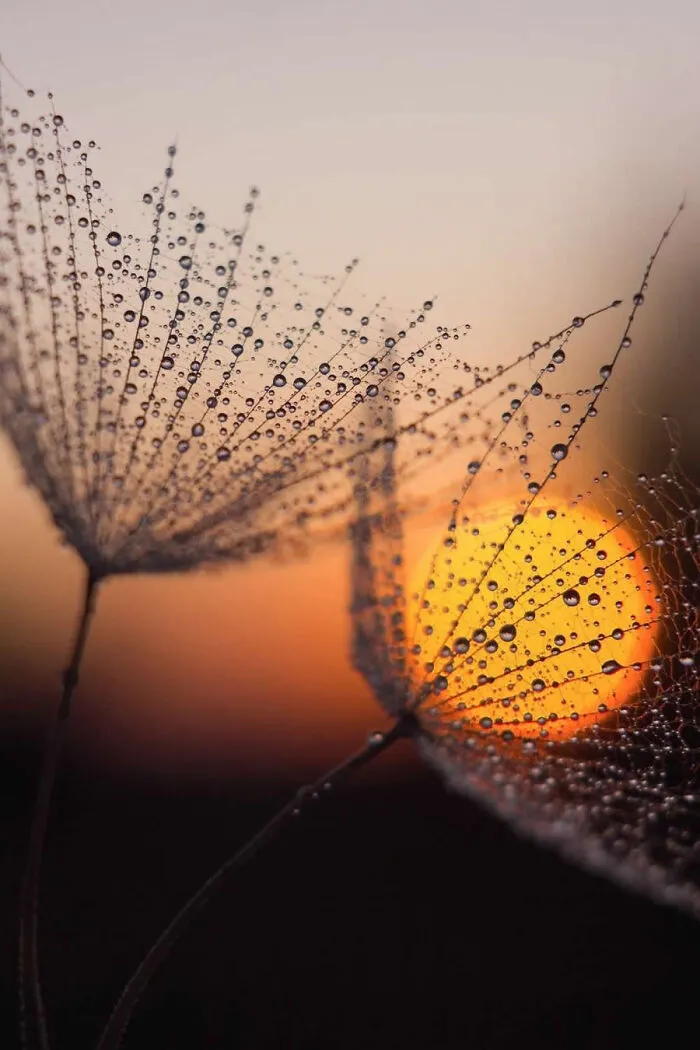
Light makes all the difference. Soft, diffused sunlight brings out the sparkle without harsh glare, while backlighting through petals or leaves can turn an ordinary background into a wash of glowing color. A small LED or a diffused flash helps on darker days, but too much light quickly blows out the delicate highlights. Composition matters just as much. A clean frame, a single focal point and a slightly unexpected angle are often all it takes to turn a few drops of water into something worth framing.




#9 Close-Up Of A Fly With Water Droplets On Its Compound Eye By Kasun Wickramasinghe