




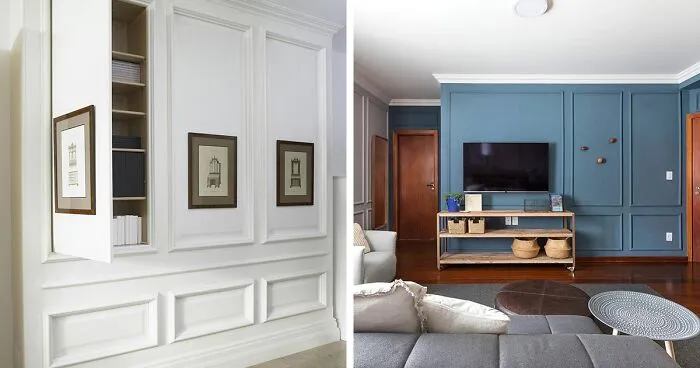


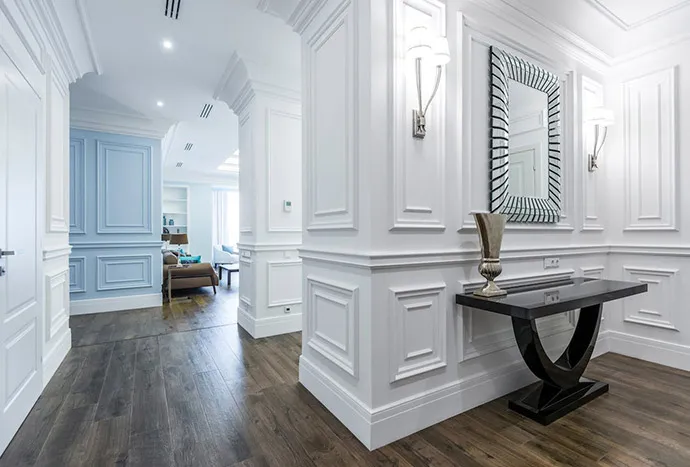
Is Wainscoting Still in Style in 2024?
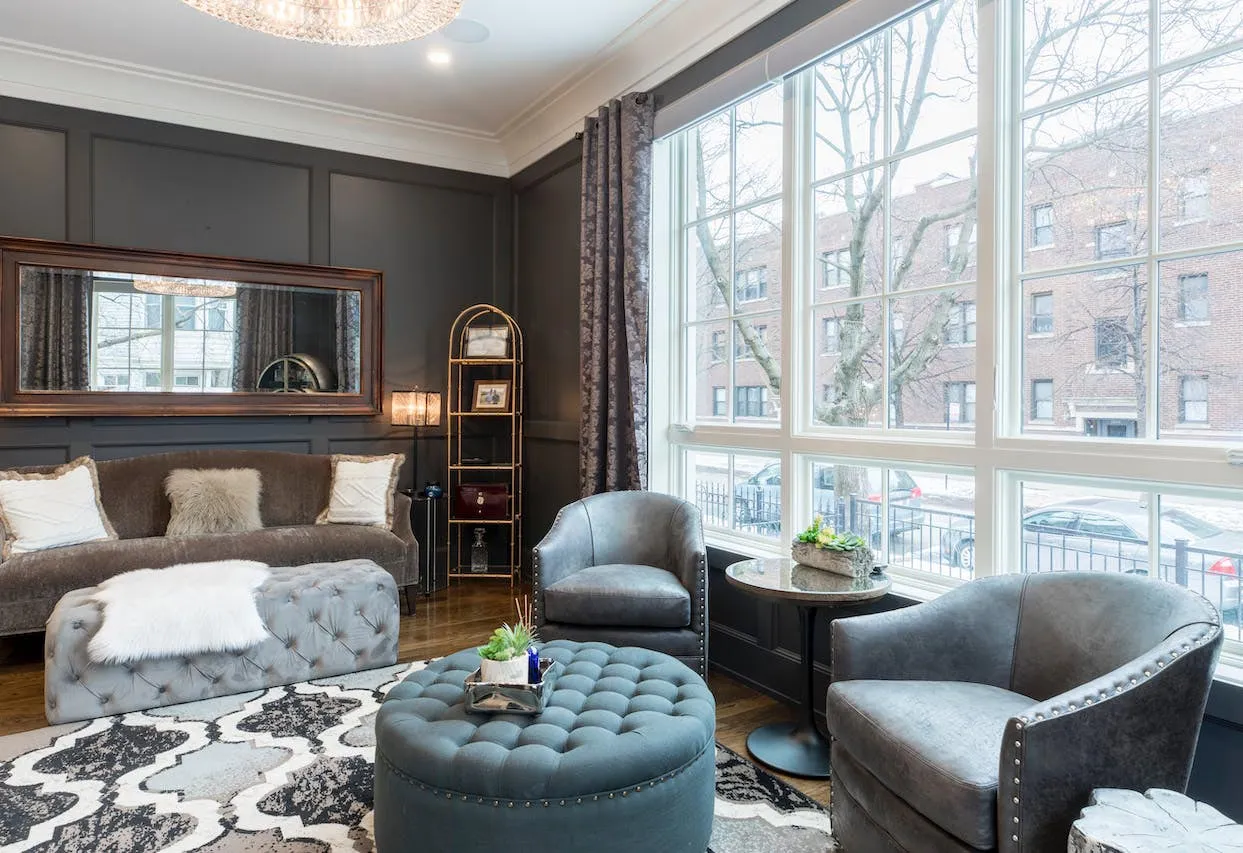
What Are the Different Types of Wainscoting Paneling?
Raised Panel
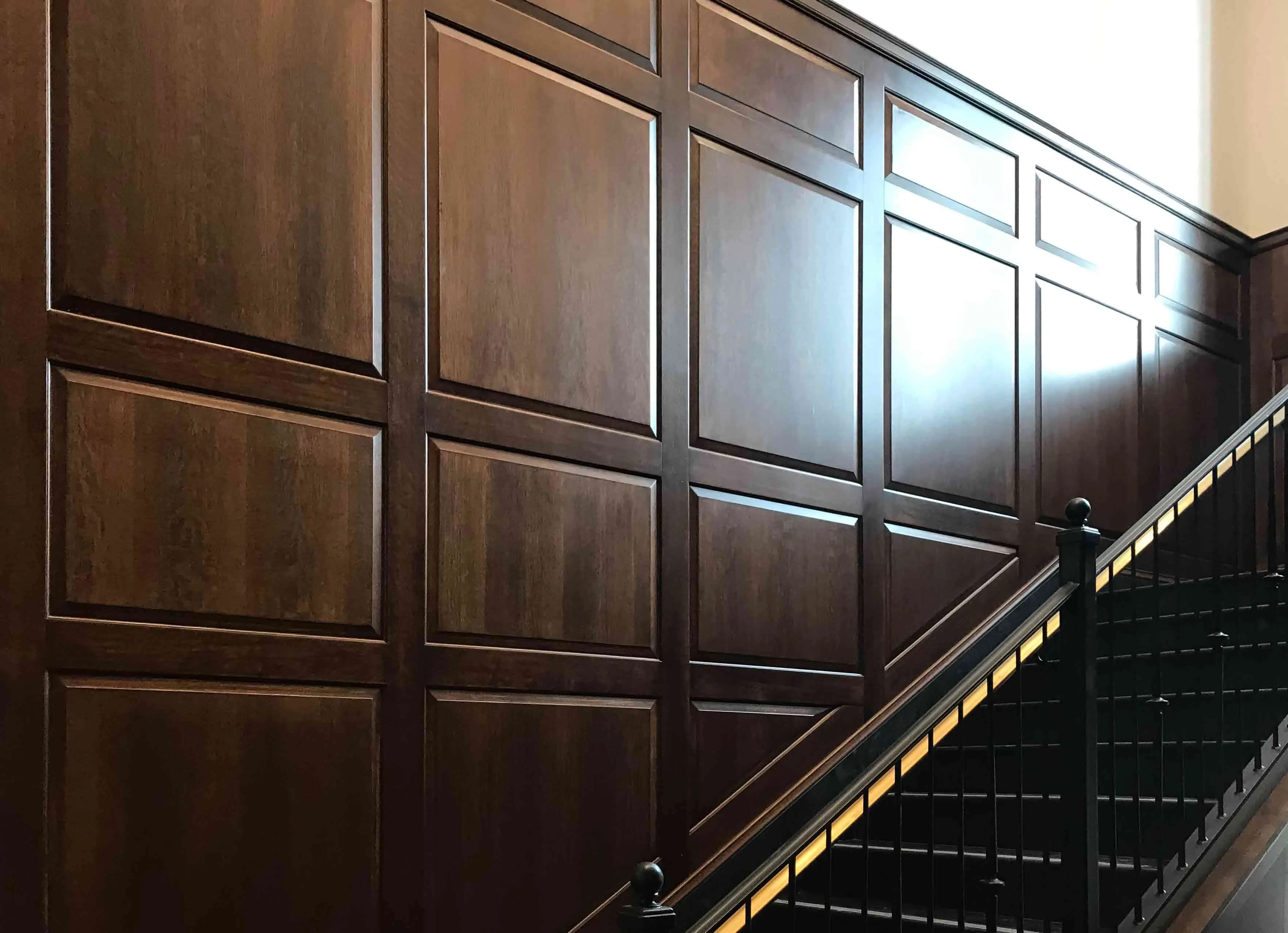
Flat Panel
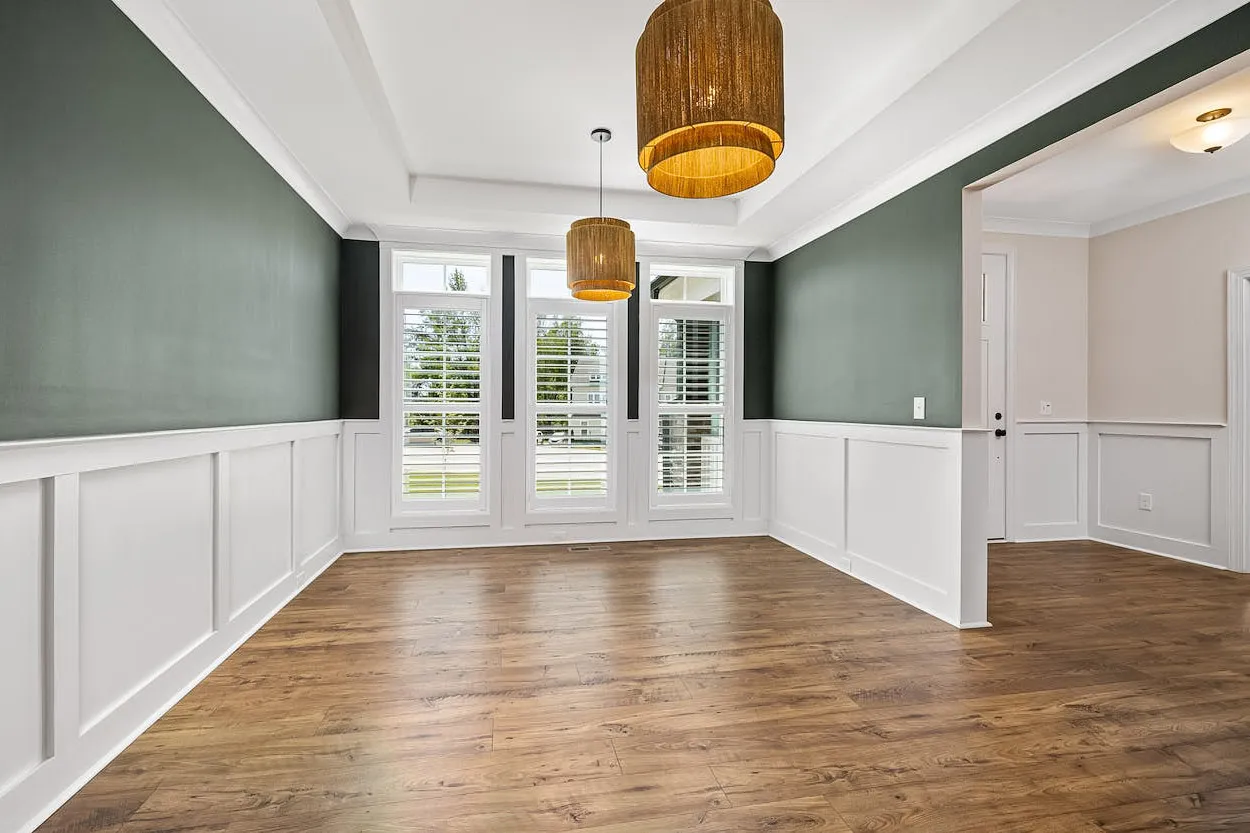
Beadboard

Overlay
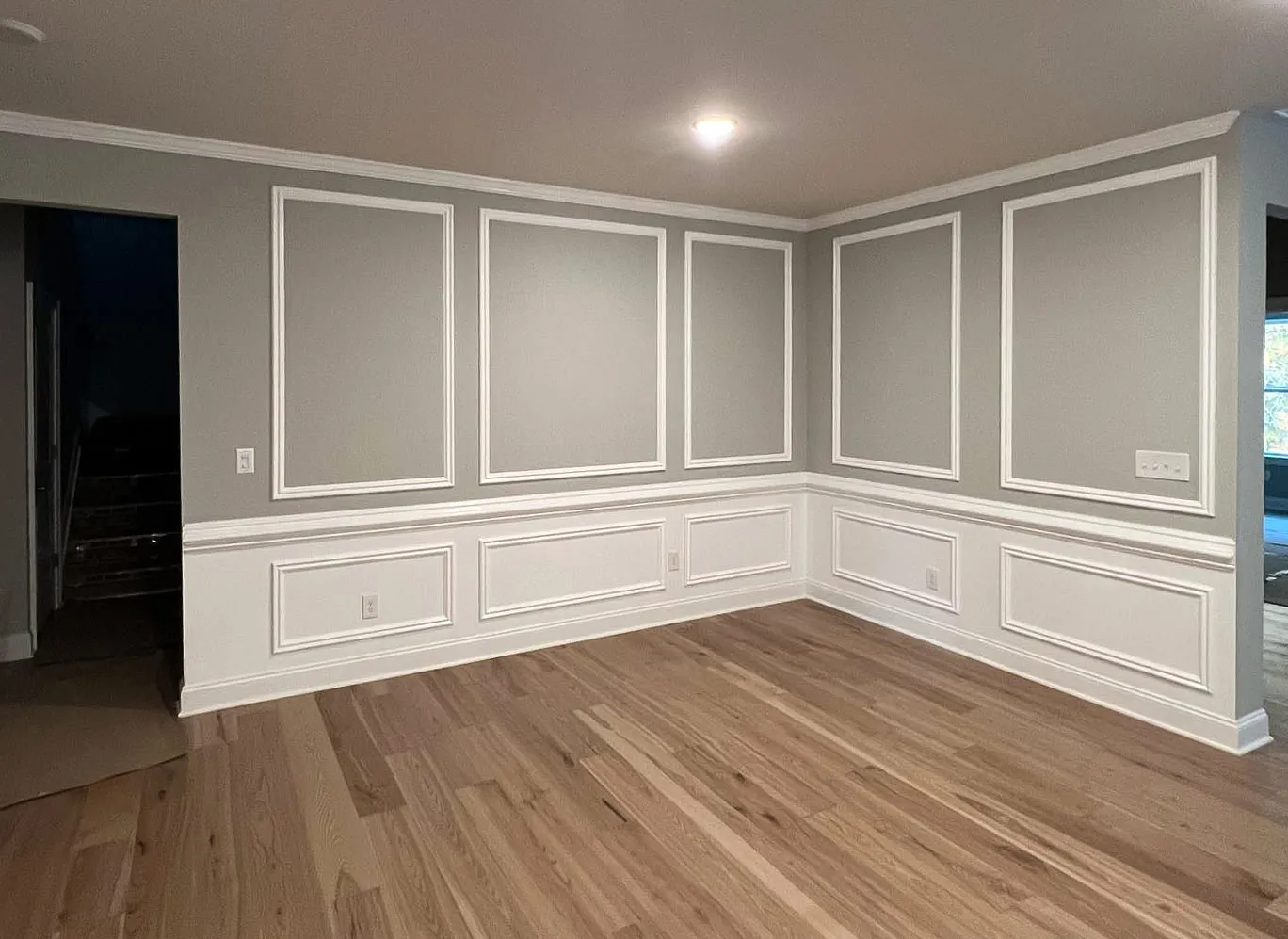
Board and Batten
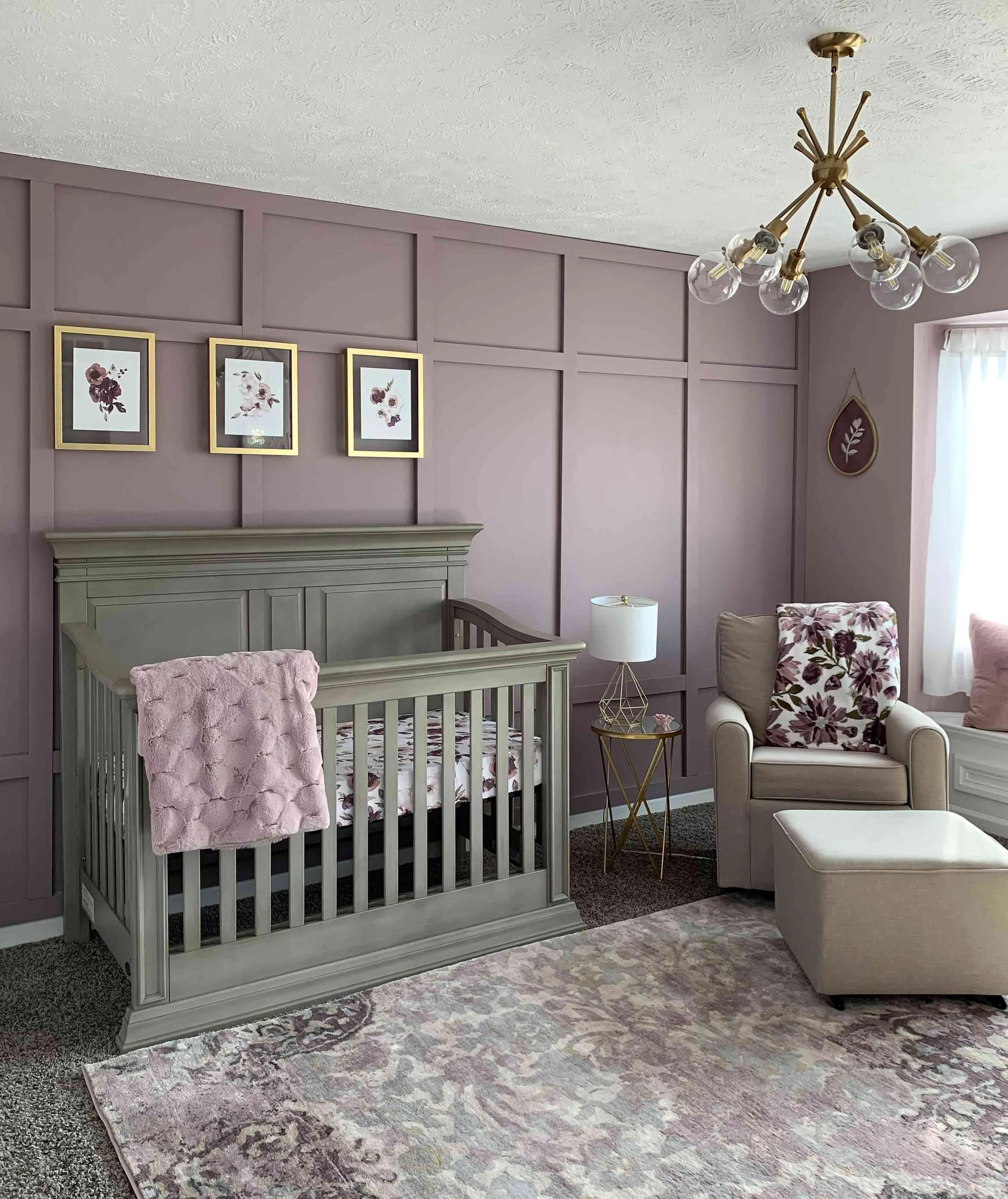
How Much Does a Sheet of Wainscoting Cost?
Wainscoting Panels Ideas to Get Inspiration
#1 Wainscoting With Decorative Molding
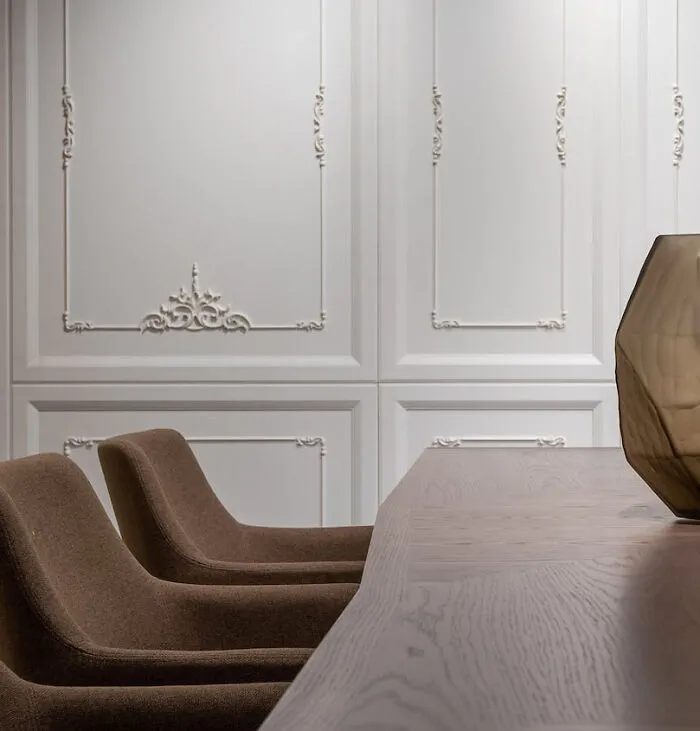
#2 Colorful Wainscoting
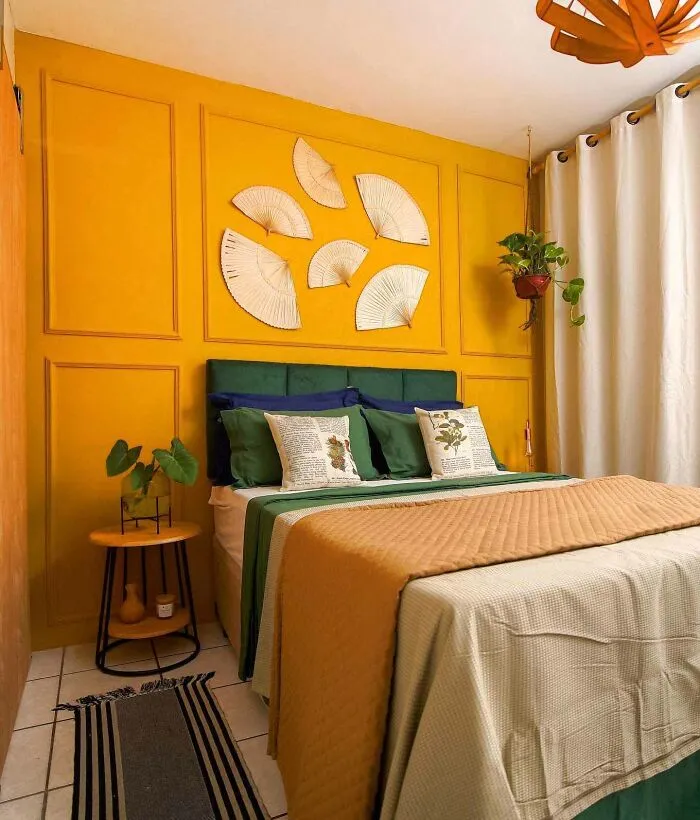
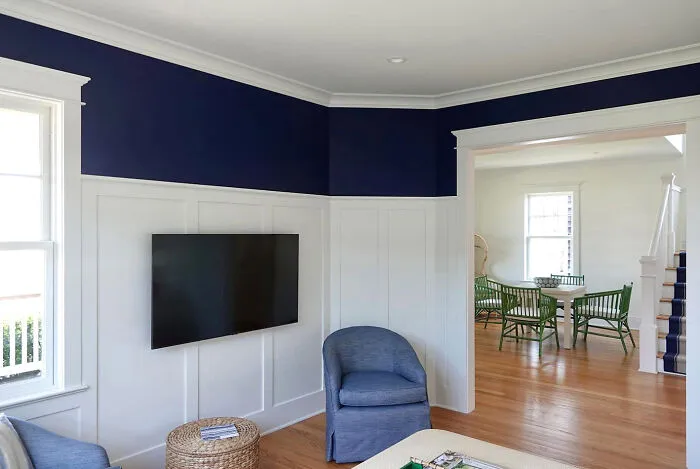
#3 Two-Tone Wainscoting
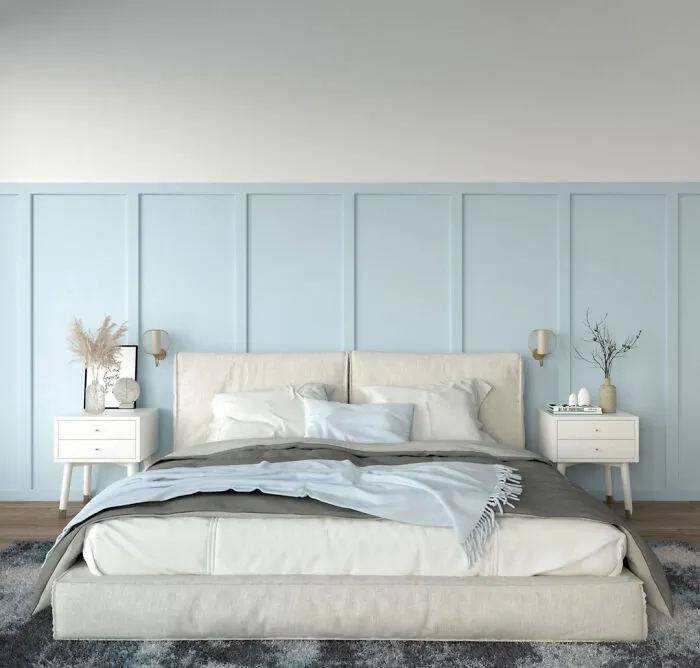
#4 Wainscoting With Shelving
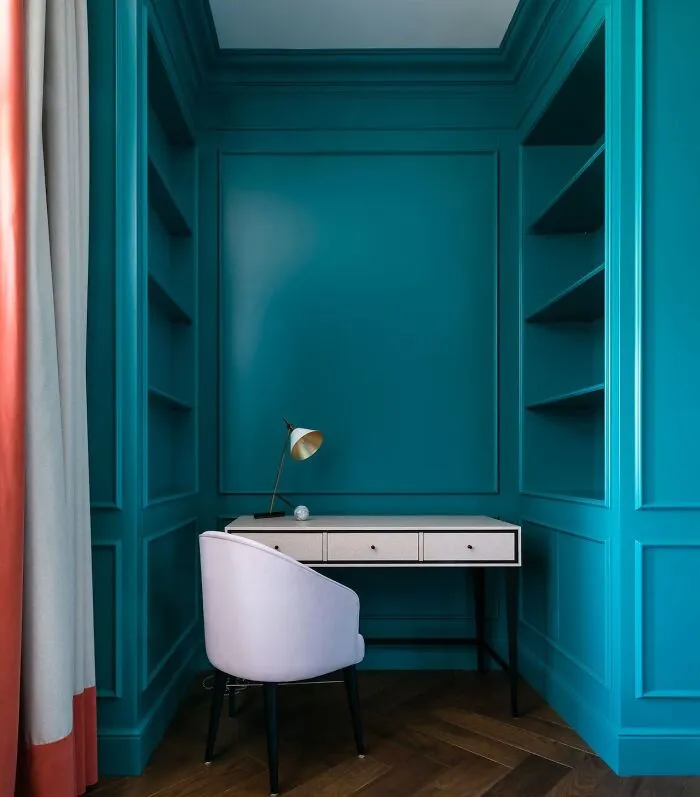
#5 Tall Wainscoting In Living Rooms
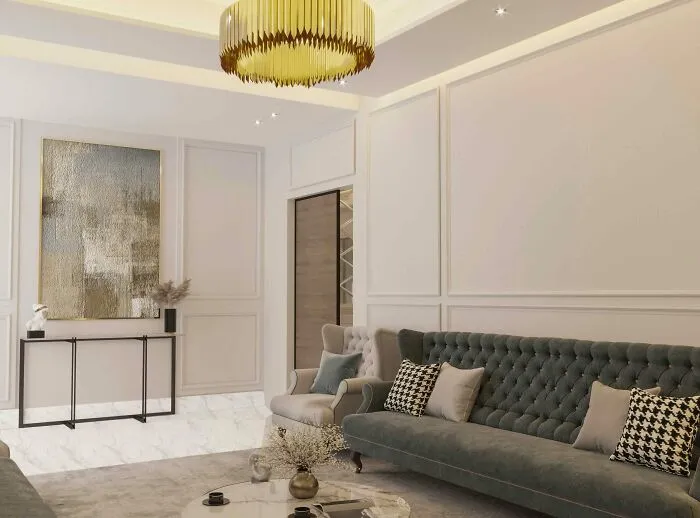
#6 Accent Wall Wainscoting
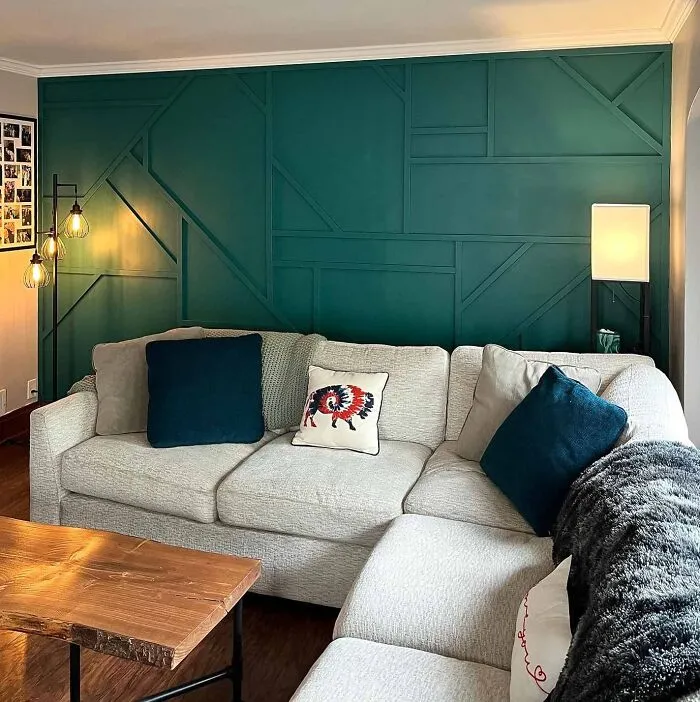
#7 Wainscoting In Unexpected Places
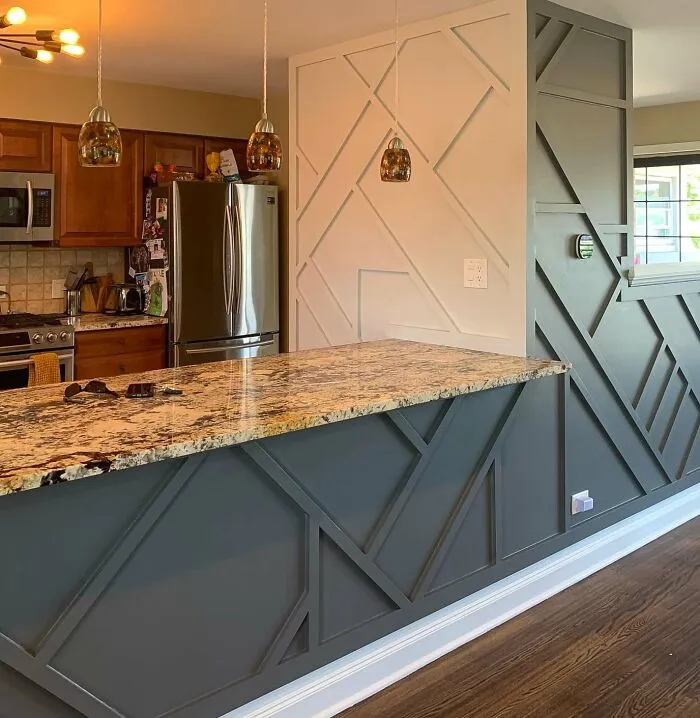
#8 Wainscoting With Wallpaper
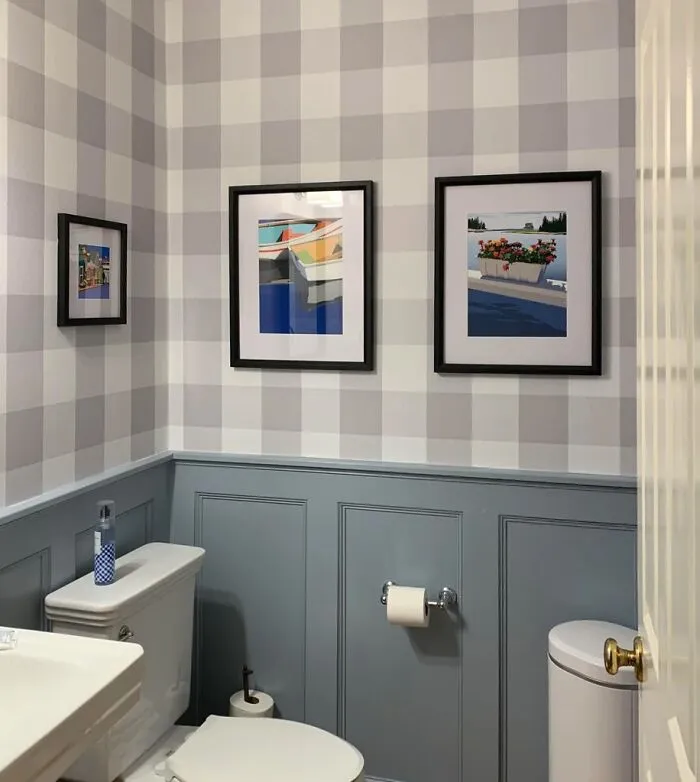
#9 Wainscoting Ceiling
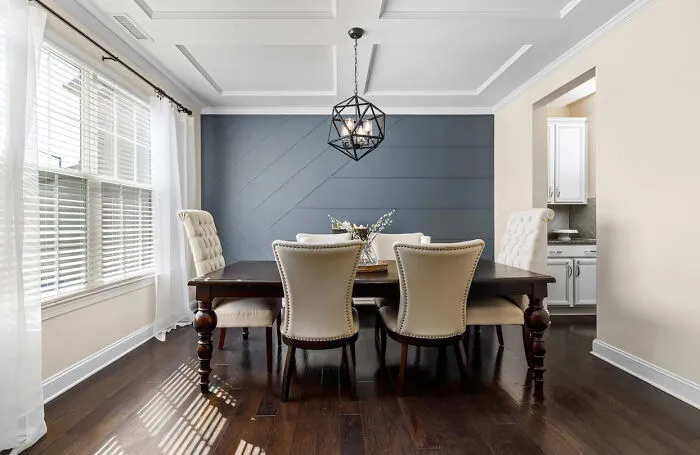
#10 Mirrored Wainscoting
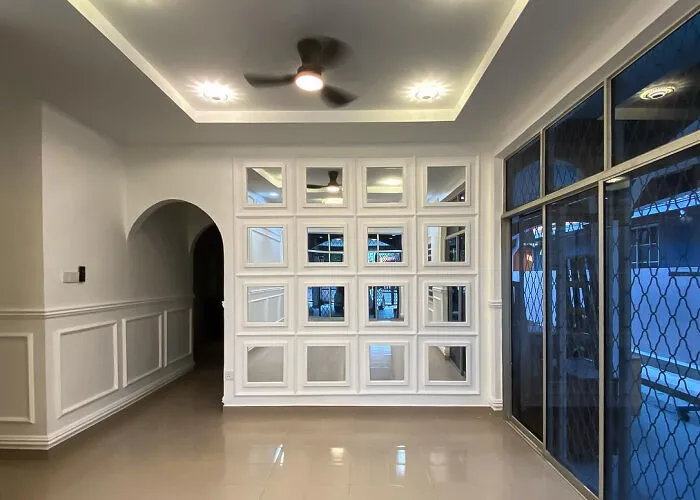
#11 Rustic Reclaimed Wood Wainscoting
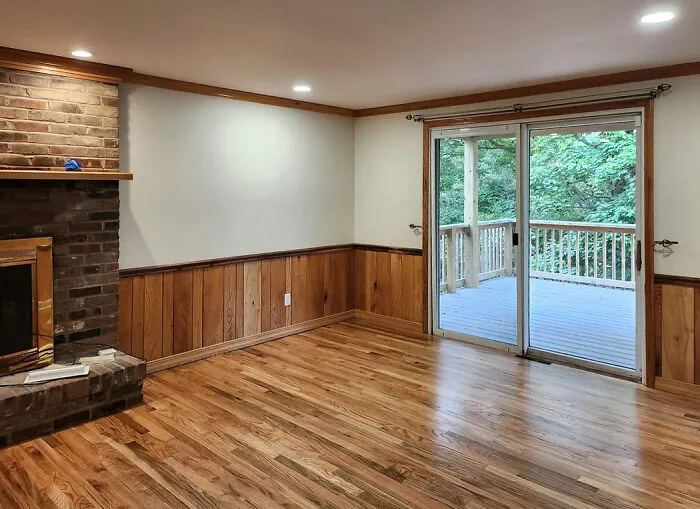
#12 Wainscoting With Hidden Storage
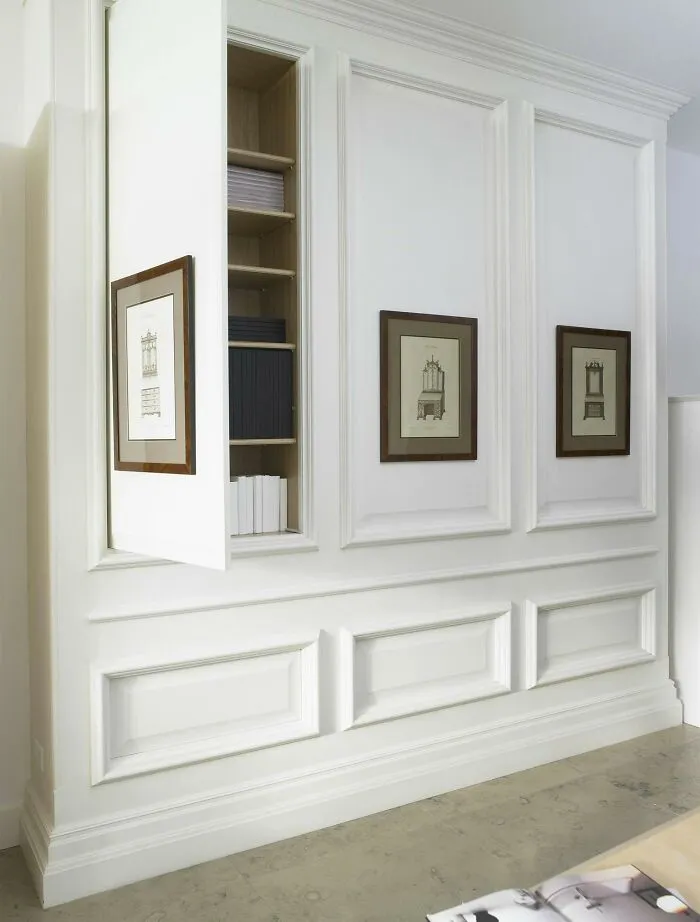
#13 Wainscoting As Headboard
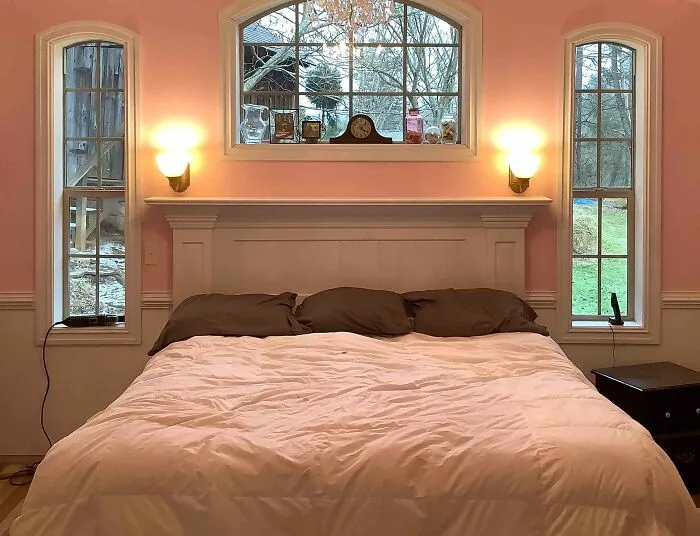
#14 Farmhouse Style Wainscoting
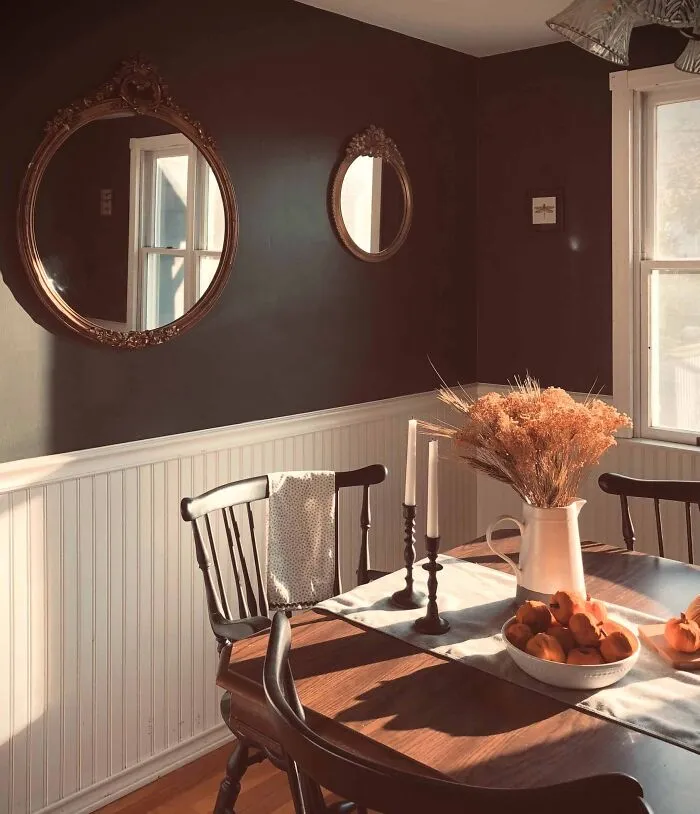
#15 Wainscoting In The Dining Area
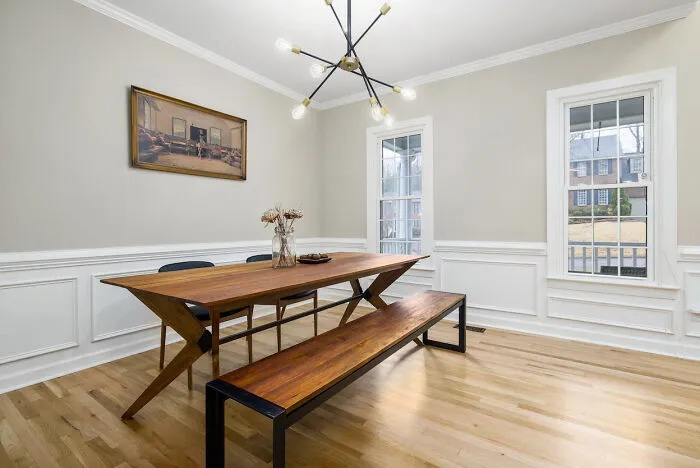
#16 Wainscoting With Geometric Patterns
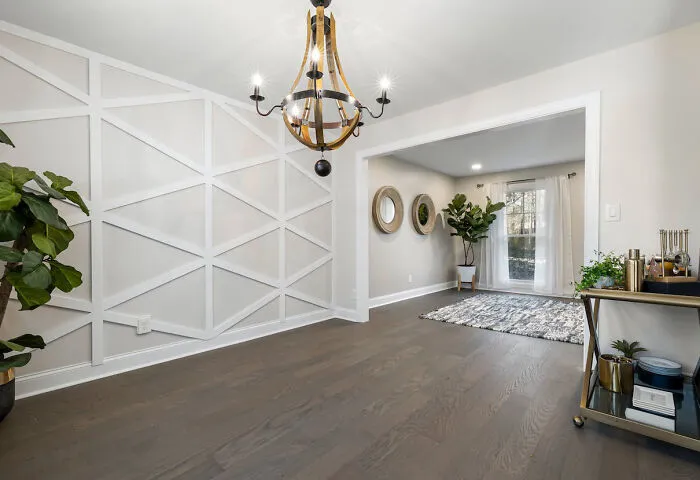
#17 Picture Frame Wainscoting
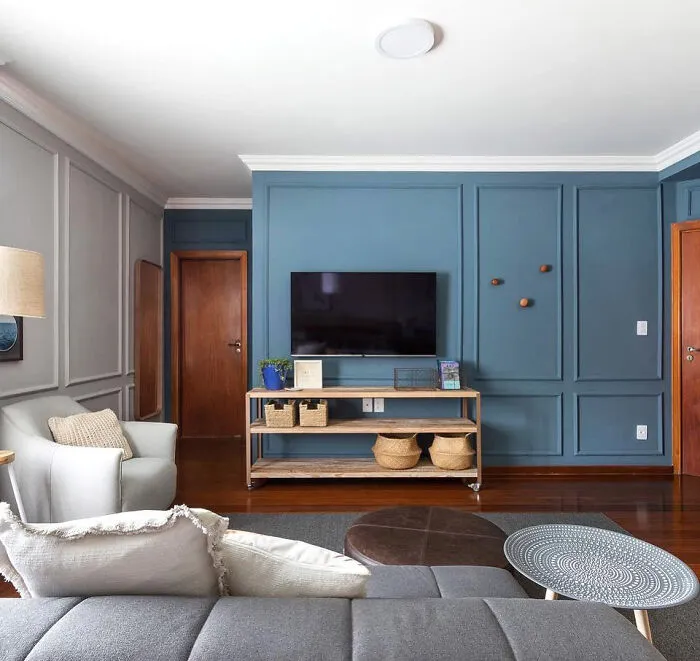
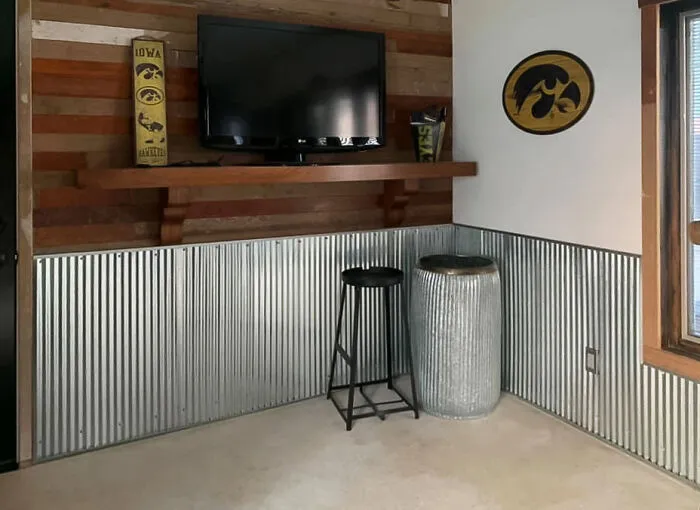
#18 Metal Wainscoting
#19 Nautical Theme Wainscoting
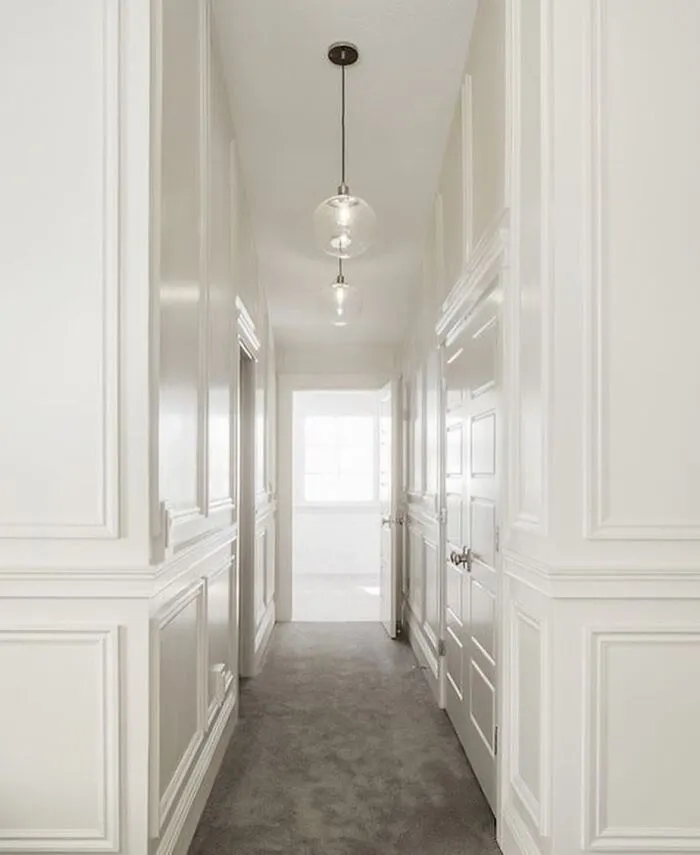
#20 Gloss Finish Wainscoting
Is Wainscoting Good For Every Room?

Image credits: Max Rahubovskiy
Wainscoting is a versatile design element that finds a cozy home in many rooms. It’s a common sight in dining rooms, family rooms, hallways, foyers, and even powder rooms, lending a tasteful flair and a comforting sense of warmth.
While traditionally seen in classic-style homes, wainscoting has also made its way into modern settings. Especially in high-traffic areas like entryways and stairways, it serves a practical purpose by guarding your walls against scuffs and marks, proving its value in aesthetics and functionality.
When Should You Not Use Wainscoting?
However, wainscoting isn't a one-size-fits-all solution. Spaces with unconventional shapes, such as L-shaped layouts, archways, or curved walls, may pose some challenges during installation, making wainscoting a less favorable option. Similarly, in smaller rooms or those with low ceilings, high wainscoting could potentially cramp the space further.
Wainscoting might also not be the go-to choice in rooms with high humidity levels, like bathrooms, unless you opt for moisture-resistant materials. Lastly, a room with more windows than wall space might not offer the right backdrop for wainscoting to truly shine.
What Rooms Should Have Wainscoting?
On the flip side, when placed thoughtfully, wainscoting can be a beautiful addition to many areas in your home. Dining rooms, living rooms, and hallways are the traditional havens for wainscoting. It adds a cozy and sophisticated touch in bedrooms, and when extended to home offices, libraries, or even kitchens, wainscoting carries a dash of classic charm and character.
The key is a thoughtful consideration of the room’s dimensions, existing decor, and the desired result. With these in mind, you can decide where this timeless design feature fits best, enhancing the appeal and comfort of your home.
How to Install Wainscoting Panels

Image credits: mgc213717
The process of installing wainscoting panels isn’t overly complex. Still, it does require some attention to detail and a bit of elbow grease if you decide to skip the professional help.
1. Decide on the Style and Height
First, you’ll want to take a look at which wainscoting best fits your space. Once that’s settled, the adventure begins with measuring your walls. This is crucial, as the old saying goes, “Measure twice, cut once.” This will save you from the headache of misaligned panels and unnecessary extra work.
2. Prepare the Walls
This next step might involve removing baseboards and ensuring your walls are smooth and ready for the panels to adhere to. Some people like to paint the walls and the back of the boards beforehand, especially if they’re going for a contrast look or want to ensure every nook and cranny is covered, but that’s up to your personal preference.
3. Cut the Panels
This is where your earlier measurements come into play. You’ll cut your boards to the necessary width and height, remembering to account for any outlets or switches. A saw will become your best friend during this step, and remember to don your safety gear!
4. Place Them on the Wall
With the panels cut, you’ll apply adhesive to the back of each one and place them firmly against the wall. Some also use nails for additional support. It’s like a puzzle, fitting each piece perfectly into its allotted space.
Finally, after all the panels are up, you’ll replace the baseboards or install new ones and add any additional trim or molding. This frames the wainscoting beautifully and gives it that finished look.
How Do You Make Wainscoting Look Good?
Making wainscoting look good is all about the harmony between the panels and the room they’re in. You want the wainscoting to feel like it’s always been a part of the space, not something that just showed up one day.
The first step is choosing the right type of wainscoting. You’ve got options like the simple elegance of the beadboard or the more formal raised panels.
Color is your next ally. Painting the wainscoting a shade that gently contrasts with the wall can set off the paneling beautifully. Think of a classic white against a soft-hued wall for an effortlessly chic look. But there’s room to play here! Going bold could mean having the wainscoting in a deep navy blue, adding both depth and drama to a space.
The devil is in the details, as they say. The finishing touches will make all the difference. This includes proper caulking and painting. Caulk fills in any gaps and seams, creating a seamless look, while a good paint job brings out the best in the paneling, showcasing the design and craftsmanship.
Ultimately, making wainscoting look good comes down to thoughtful selection and attention to detail. It’s these choices that take a room from just “nice” to magazine-worthy.
What is the Golden Rule for Wainscoting?
When it comes to wainscoting, there’s a timeless guideline often dubbed the Golden Rule — the height of wainscoting panels should be one-third the height of the room.
This isn't a strict law but more of a starting point to ensure that the wainscoting proportions are pleasing to the eye and in harmony with the space. When panels are too high, they can overwhelm a room, and when they’re too short, they may look stunted.

Image credits: Curtis Adams
Following this rule typically creates a balanced, classic aesthetic that feels just right. But remember, your home is your canvas — feel free to tweak this rule to suit your unique style and the character of your space. After all, rules are sometimes meant to be broken, especially in the name of creativity.
And speaking of creativity, let’s open the floor to you, the readers. Have you installed wainscoting in your home? What personal touches did you bring to the project? Did you stick to the golden rule or make your own? Share your experiences and tips in the comments below!