

This post may include affiliate links.
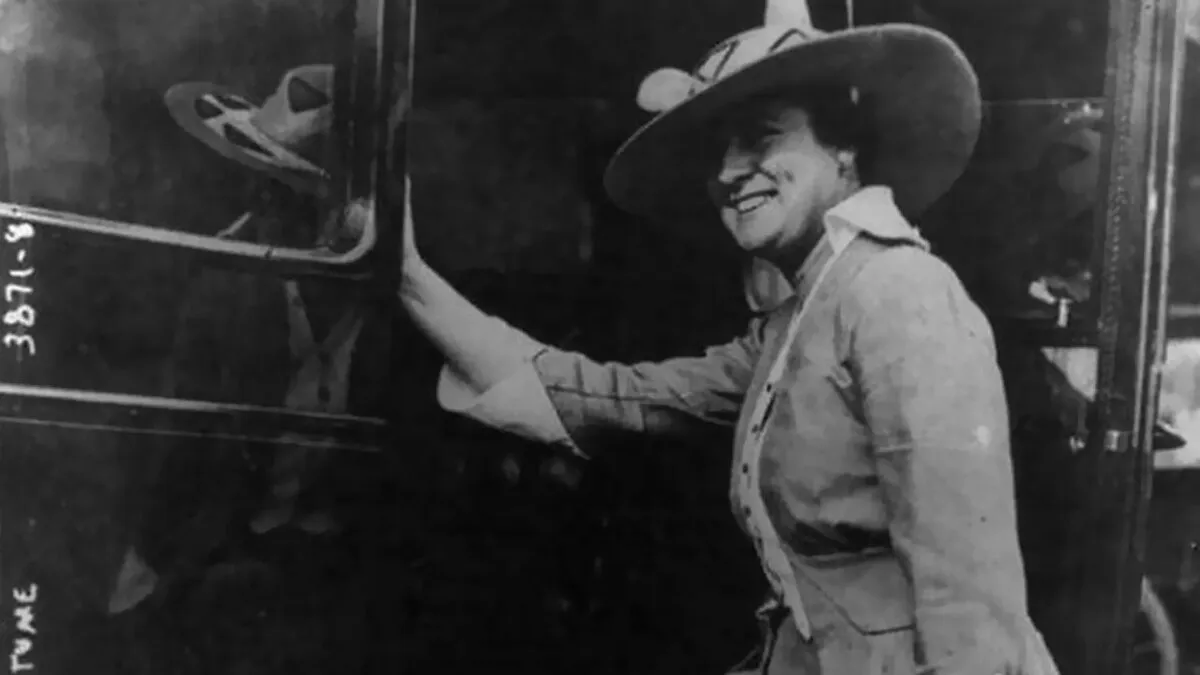
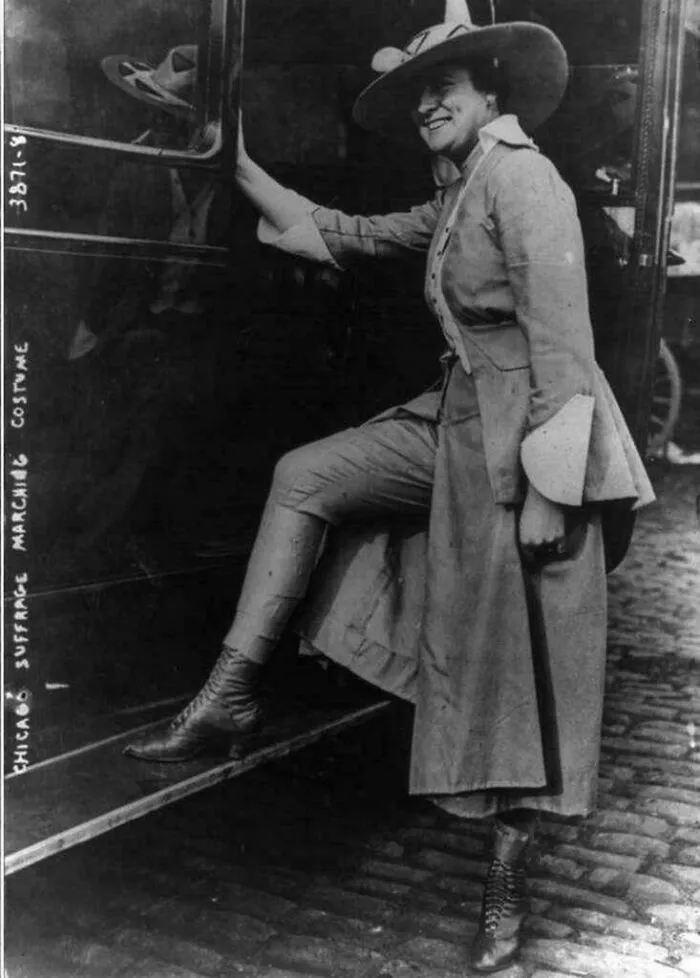
#21 Suffragette Shows Off Her (Very Tight) Pants Under A Light Skirt, 1916
Of course, not every historical fashion trend was completely impractical. Some garments became iconic precisely because they were useful. The trench coat is a great example. In the early 20th century, Burberry was asked to develop a lightweight, weather-resistant coat for soldiers. The resulting design was practical enough for military life but stylish enough to eventually escape the battlefield and become a staple of civilian wardrobes. The coat featured details such as shoulder epaulettes, which allowed officers to display their rank. And because enlisted men weren't permitted to wear trench coats in the same way, the garment quickly developed an association with status. Civilians also began buying them, attracted by the combination of practicality, sophistication, and, during wartime, a sense of national pride.
The National Army Museum notes that trench coats remained popular after the First World War, as many former officers continued wearing their wartime coats in everyday life. The design also returned to military use during the Second World War. But it was Hollywood that really helped transform the trench coat from military equipment into an enduring fashion icon. Films such as Casablanca helped cement that instantly recognizable image of a sharply dressed character standing dramatically in the rain, looking like they definitely have a mysterious backstory.
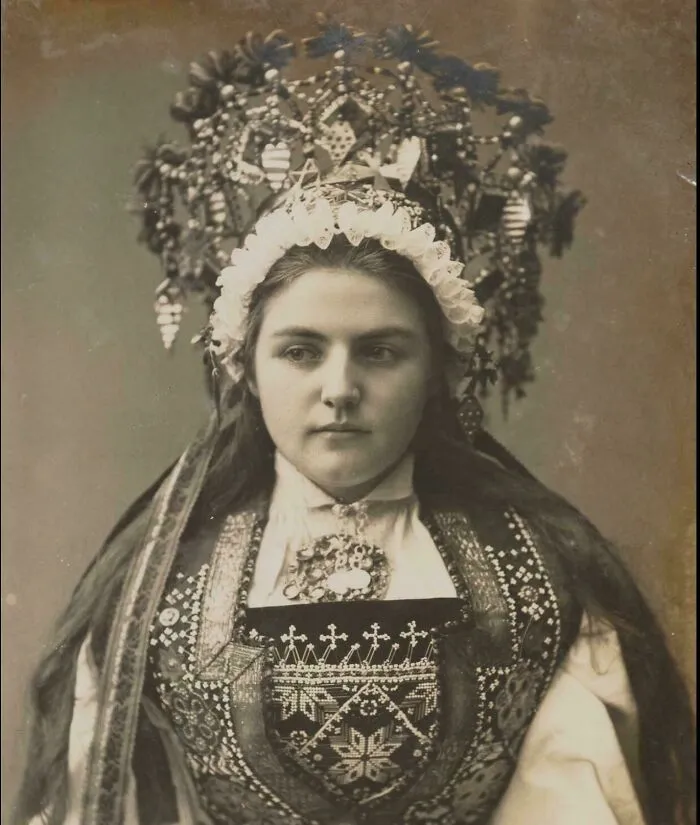
#23 Norway Bride In Her Traditional Clothes For Her Wedding, Circa 1897
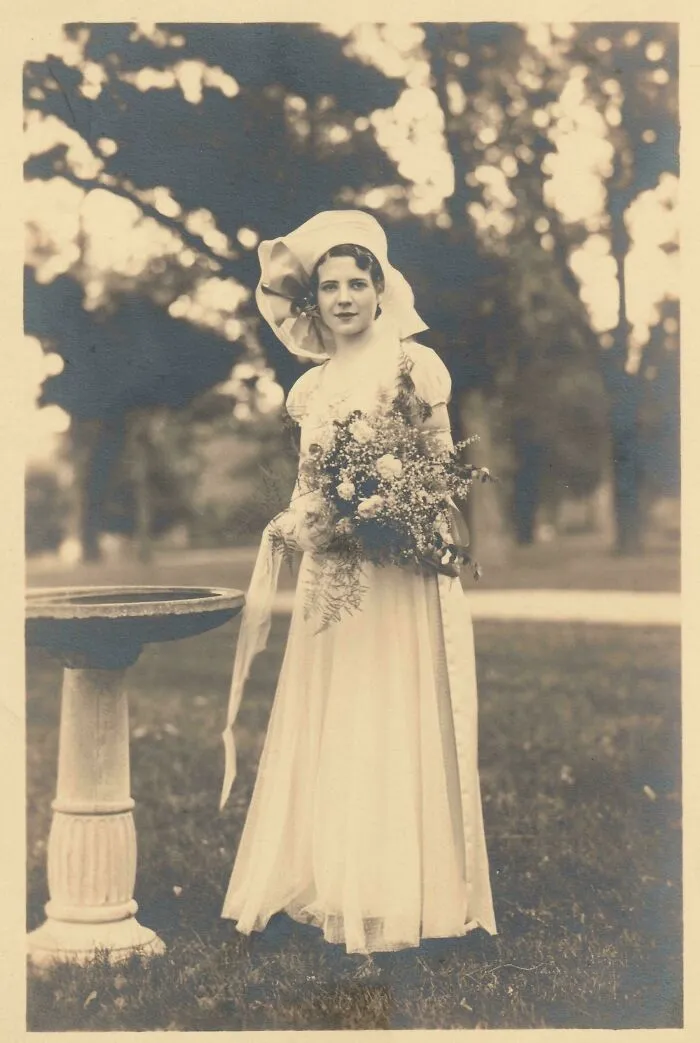
#24 My Great-Grandmother Peg In Her Wedding Dress. About 1935
And then there’s the codpiece, which might win the award for one of history's most unforgettable pieces of men's fashion. Originally, it was a practical flap attached to the front of men's breeches to cover the opening between the legs. But as the fashion evolved, codpieces became increasingly prominent, padded, decorated, and exaggerated. By the 15th and 16th centuries, some codpieces had become so elaborate that they were essentially impossible to ignore. What began as a functional garment detail had transformed into a very deliberate display of masculinity, status, and fashion. Looking at some surviving examples today, it’s hard not to wonder how anyone managed to have a completely serious conversation while wearing one.
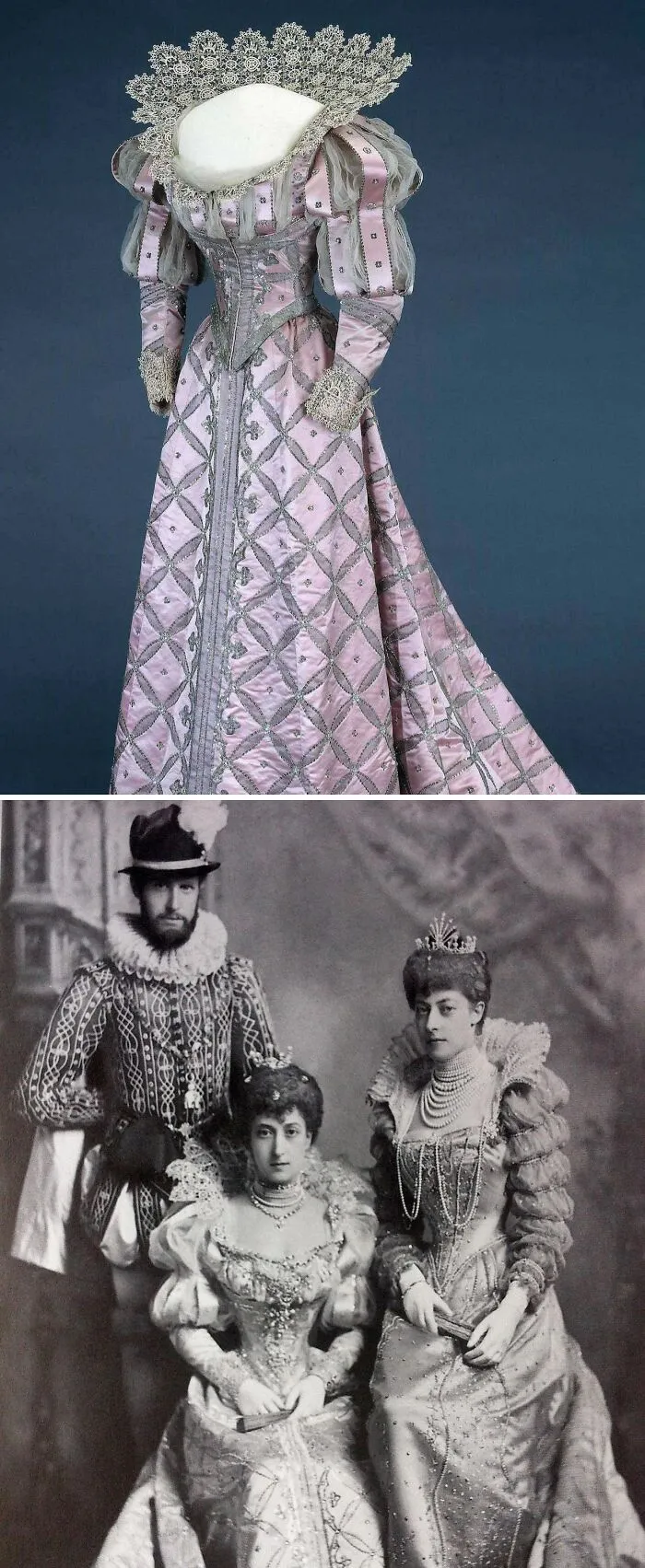
#26 Evening Tulle Dress Embroidered With Rhinestones And Sequins With Metallic Cape Designed By Pierre Balmain, Circa 1952
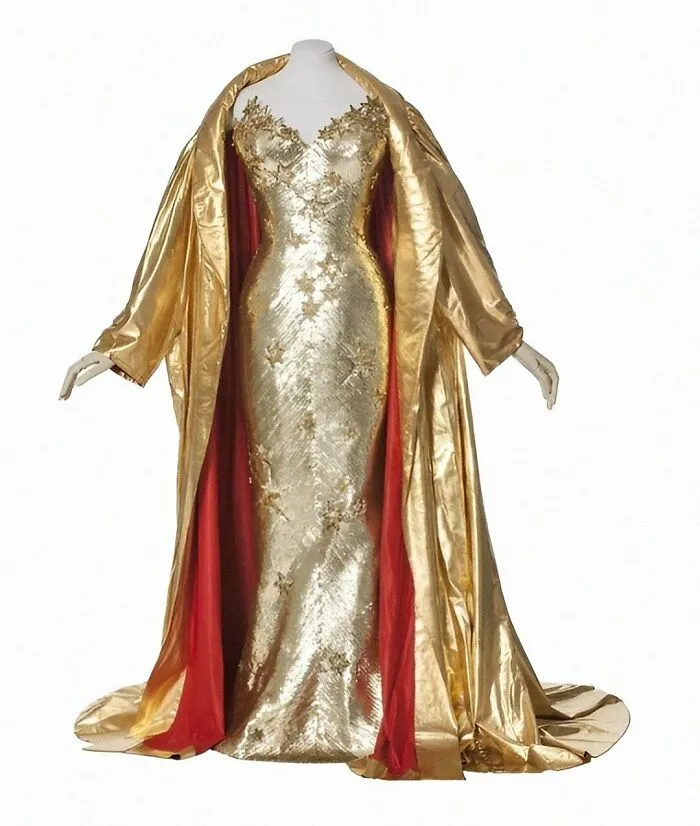
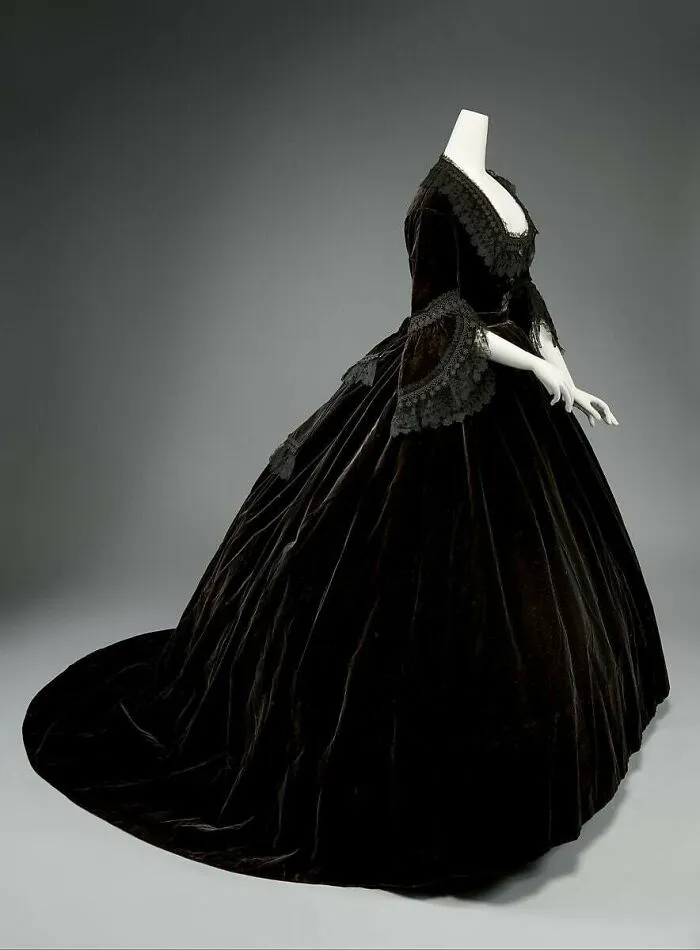
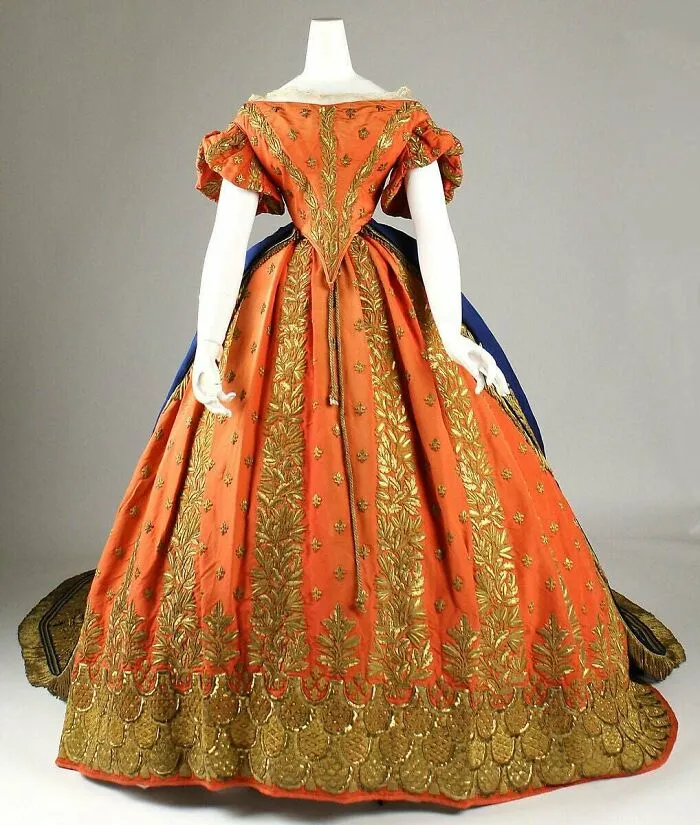
#27 French Silk Dress, Circa 1861
And that's really the fascinating thing about looking back at fashion. Clothes have never simply been about looking good. They have been used to show wealth, social position, gender, occupation, practicality, cultural identity, and even personal ambition. Sometimes they protected people from the elements, sometimes they made movement unnecessarily difficult, and sometimes they apparently existed mainly to make a very bold statement.
That's what makes today's collection so much fun. These garments aren't just pieces of clothing—they're little snapshots of the people, priorities, and cultures that created them. So, Pandas, get comfortable and keep scrolling through these fascinating pieces of fashion history. You might discover a style you absolutely love, a trend you desperately hope never returns, or even a little inspiration for your next vintage-inspired outfit.
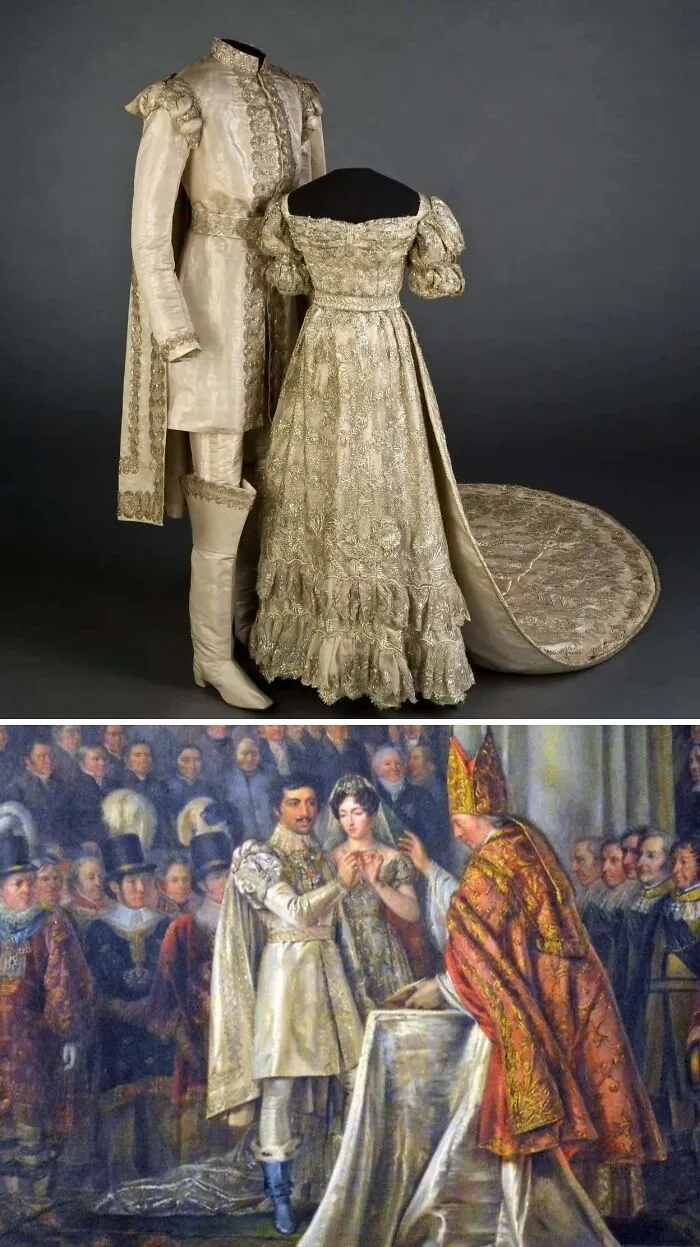
#28 Wedding Garments Worn By Josephine Of Leuchtenburg And Crown Prince Oscar Of Sweden, Circa 1823
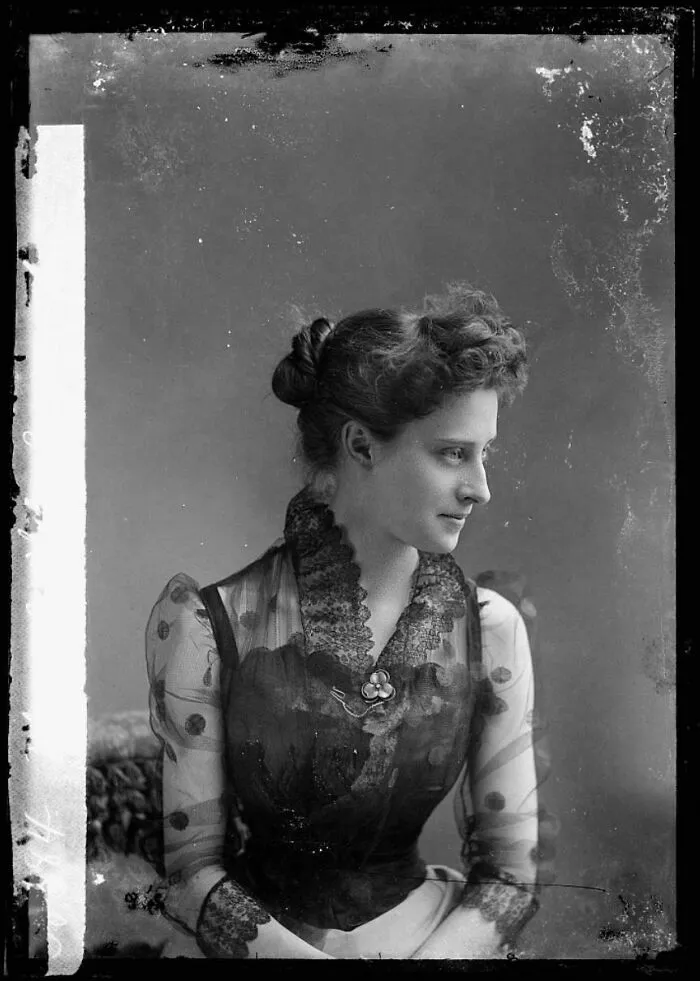
#29 Lady On A Very Interesting Combination Of Sleveless Dress And "Sheer" Lace Shirt With A Pendant In Chain, 1890s. Glass Negative
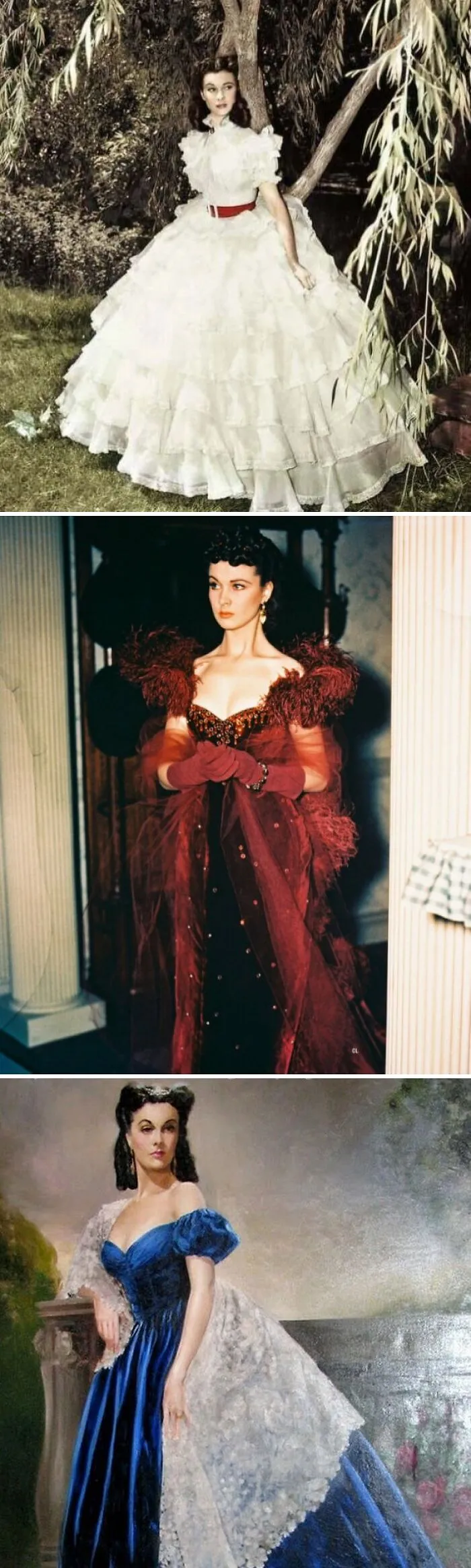
#30 Vivien Leigh's Costumes In Gone With The Wind (1939) Costume Design By Walter Plunkett
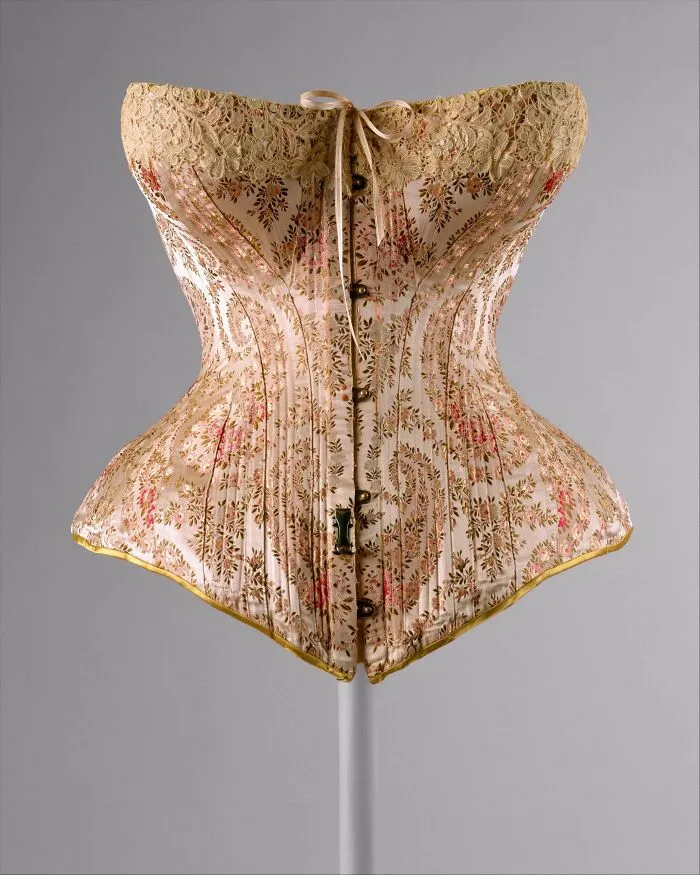
#36 Manchu Bride On Her Traditional Clothes, 1871. The Photo Is Crisp Enough That You Can See Her Makeup
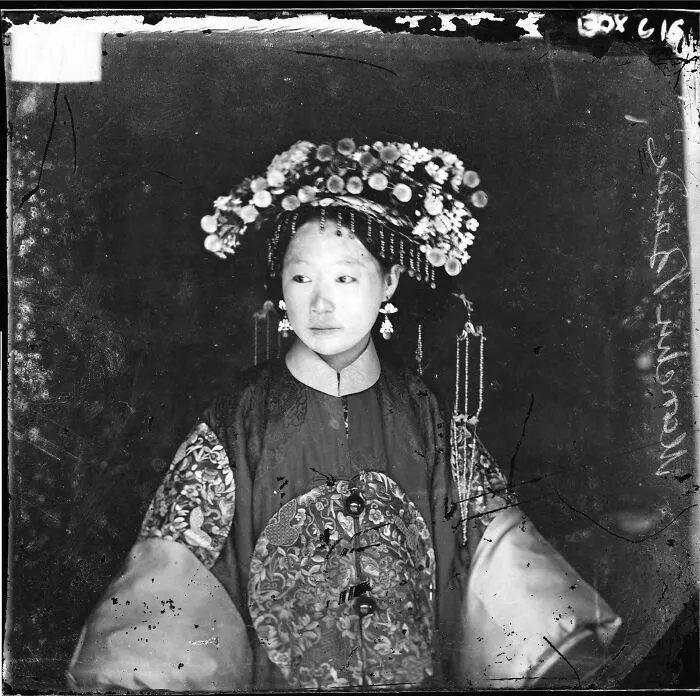
#37 Mexique Gown Designed By Christian Dior Circa Autumn-Winter 1951
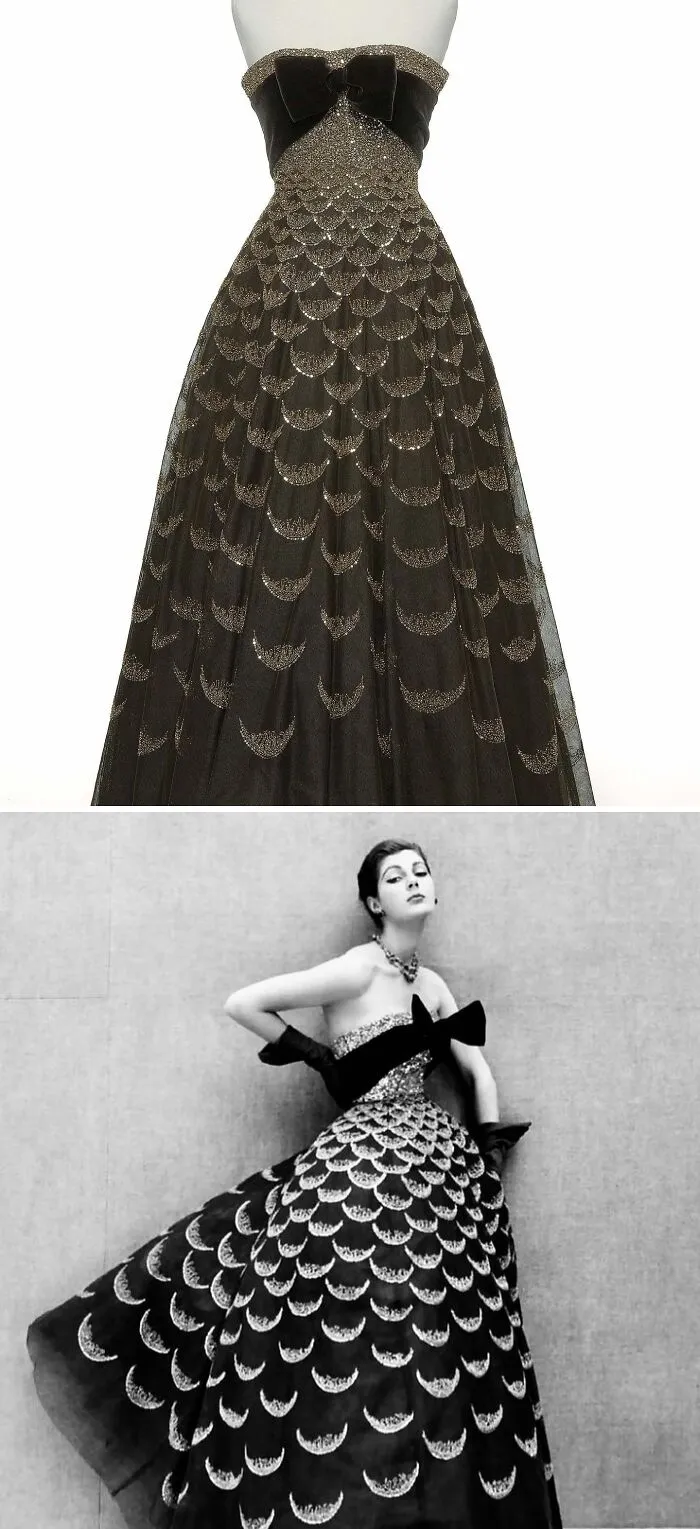
#38 Norma Shearer's Embroidered Star Gown Designed By Adrian For The Film "Marie Antoinette" (1938)
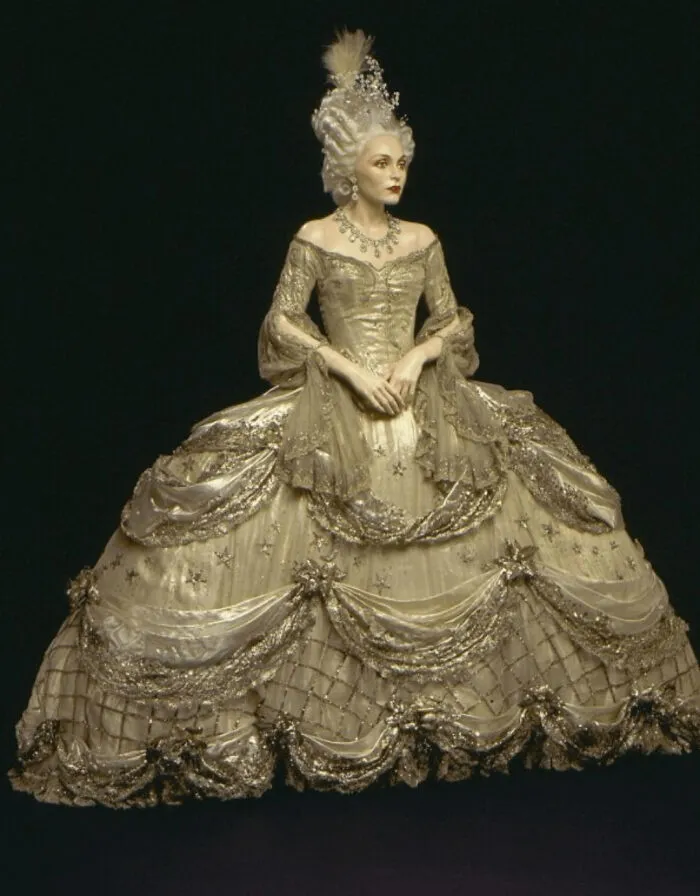
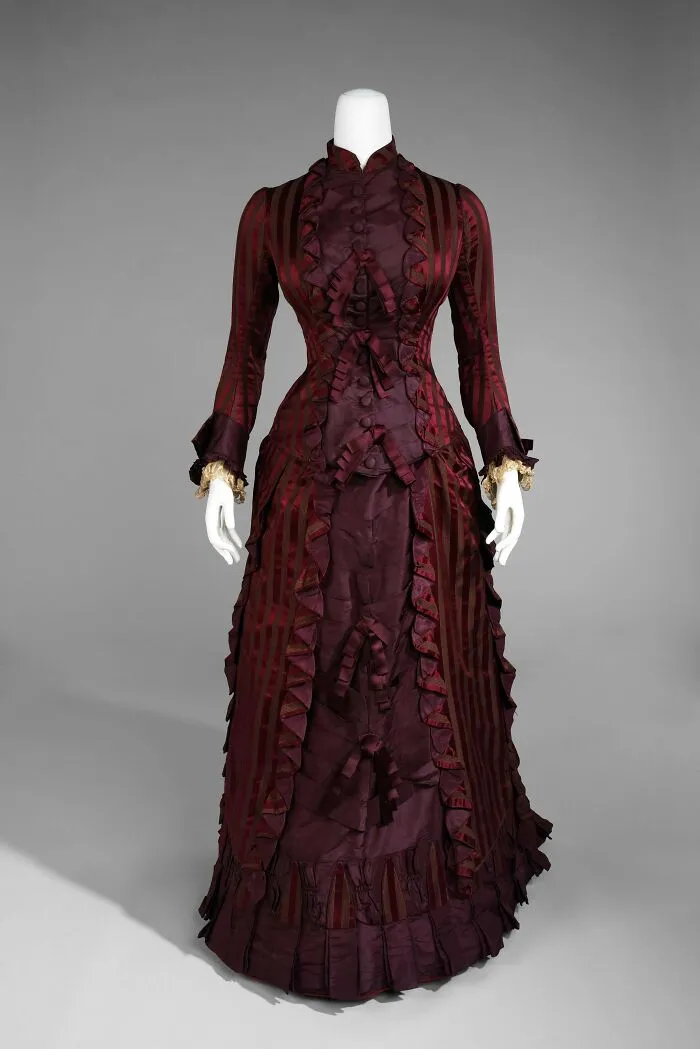
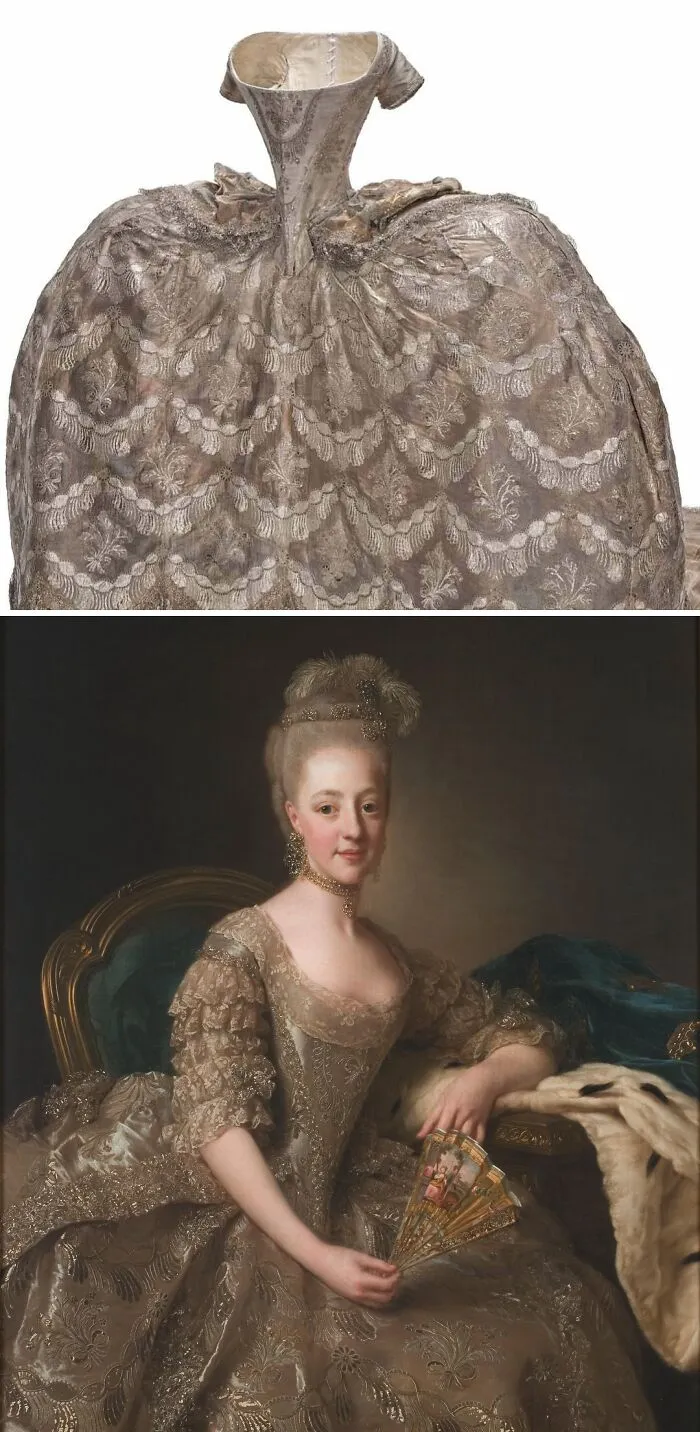
#40 The 1774 Wedding Dress Of Hedvig Elisabeth Charlotte, In A New Mount For The Marie Antoinette Style Exhibition In The Victoria And Albert Museum