



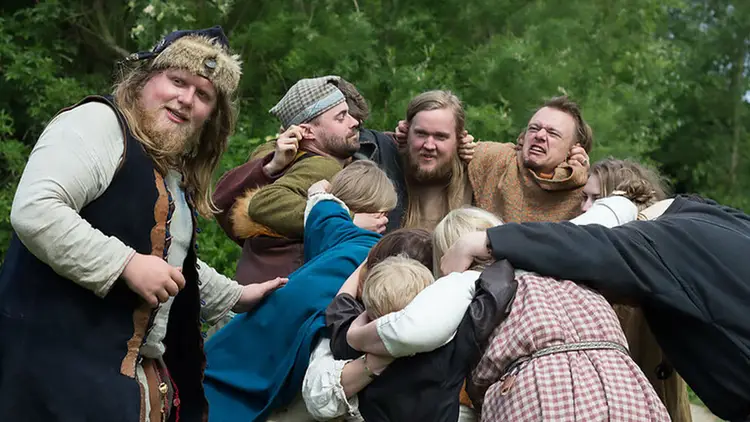

Picture a Viking. What comes to mind? Probably a tall, fierce, blond warrior with braided hair and broad shoulders—someone you wouldn’t want to face in battle, but wouldn’t mind sharing a drink with in a crowded tavern.
We don’t blame you. Most of us imagine Vikings that way because that’s the version we’ve seen in movies, TV shows, and illustrations. But the real story is a bit different. For example, not all Vikings were actually that tall. And many of the lighter-haired ones? They dyed it.
So, if you’re curious to learn what their lives were really like, below is a list of interesting facts about Viking history, daily routines, and culture. Scroll down and see if it changes how you picture them now.
This post may include affiliate links.
#21 Average Viking Lived To Be About 40
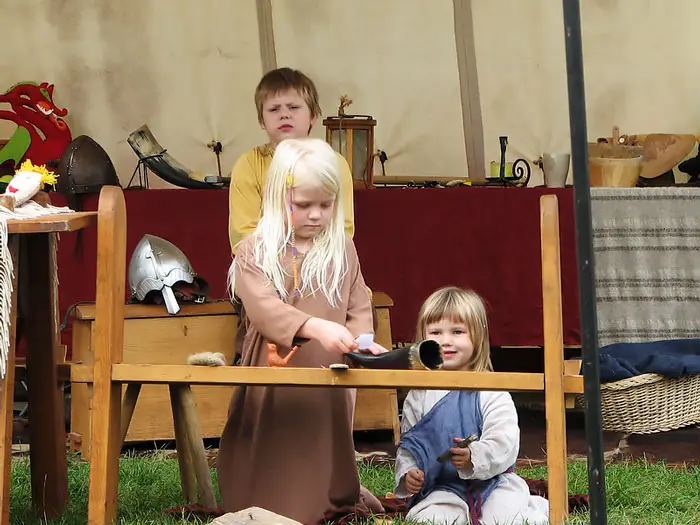
Compared to ancient times, people generally live longer in today's society. Viking.no explains that the lower life expectancy during the Viking era was attributed to several factors, including turbulent times, childbirth-related complications, limited medical knowledge, and malnutrition. Preserved skeletons reveal that Vikings were, on average, 8-10 cm shorter than people today, and their life expectancy rarely surpassed 40-50 years. Arthritis was a common ailment, and many individuals had worn or missing teeth. However, cavities were infrequent due to their low sugar consumption. Interestingly, only a few skeletons show evidence of violence, indicating that Viking life wasn't as brutal as often portrayed.
18points
#22 The First Known Viking Raid Happened In 793
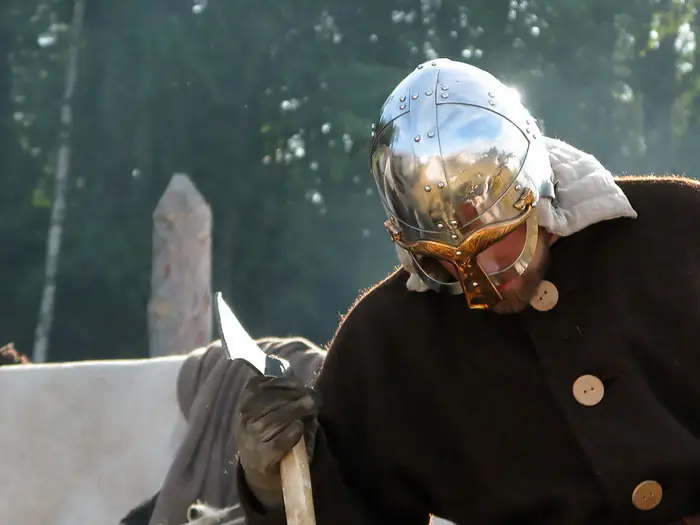
The Viking Age kicked off in the year 793 with quite a bang when they attacked the Lindisfarne monastery in England. That was the very first Viking raid ever recorded! But, like all good things, it eventually had to come to an end. And for the Vikings, their glory days concluded with the Battle of Stamford Bridge in 1066, where King Harald Hardrada lost his life. It was a time filled with adventure, conquest, and impact on history that we can still feel today.
Report
18points
#23 Vikings Were Never Part Of A Unified Group
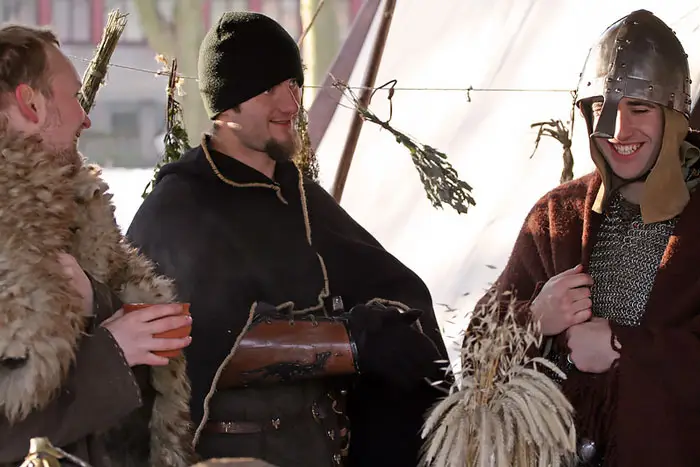
In early Scandinavian society, land ownership was individual-based within clans, and close neighbors often belonged to different clans. The significance of family and kindred relationships laid the groundwork for the importance of clans. The Thing, a community assembly, played a crucial role in moderating conflicts between clans and preventing blood feuds, primarily because of the strong emphasis on kinship ties and relationships.
Report
17points
#24 Vikings Named Their Swords
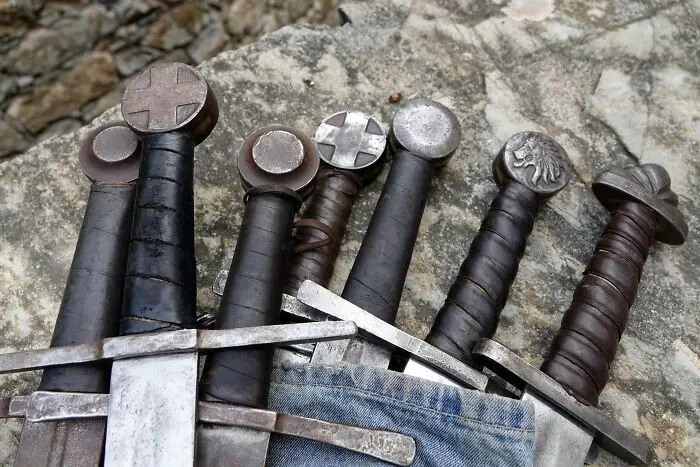
In Viking culture, swords were believed to possess an infinite source of power, and their names played a crucial role in this belief. Each sword's name encompassed specific attributes, traits, and historical significance. Naming a sword after ancestors or family lineage invoked the power of the past and the heritage of the family. Viking craftsmen often adorned the swords with elaborately decorated hilts, and many swords were given distinctive names like "Leg-biter" or "Gold-hilt," highlighting their individuality and significance.
Report
17points
#25 Viking Houses Did Not Have Chimneys Or Windows
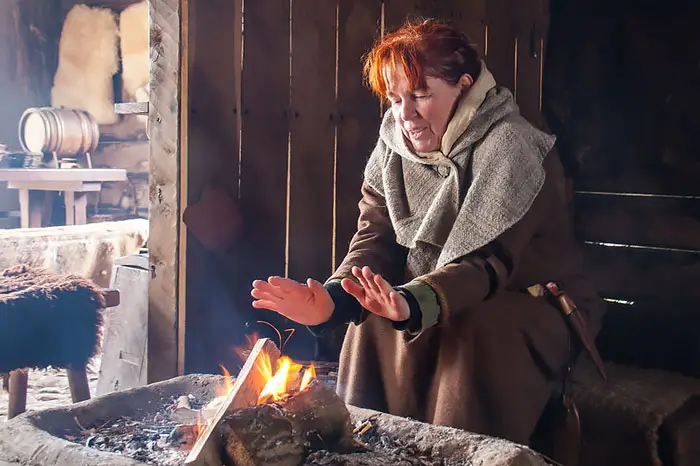
Unlike ours, Viking houses had neither windows nor chimneys. Meaning, it was pretty dark and smokey inside at all times. Not a pleasant thought, right?
Report
17points
#26 Life In Valhalla Would've Been Envied By All Viking Warriors
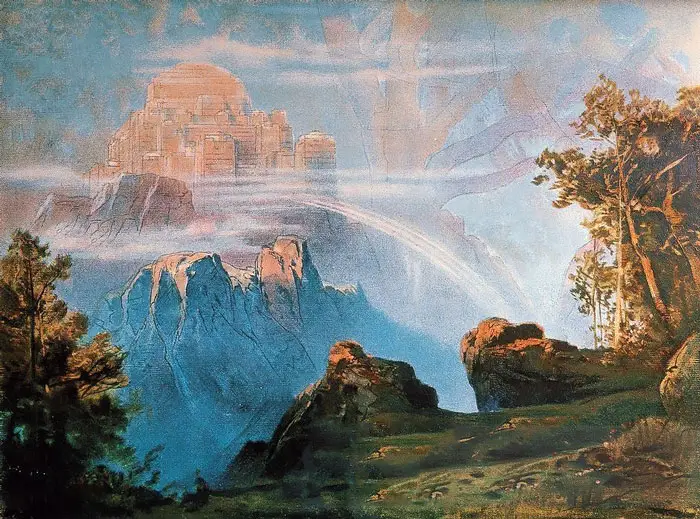
Valhalla, also pronounced as "val-HALL-uh," is the majestic hall where the god Odin welcomes the worthy fallen to dwell with him. In the Old Norse poem Grímnismál, Valhalla's roof is described as "gold-bright" and made of shields, while its rafters are adorned with spears. Those residing in Valhalla, known as the einherjar, lead a life any Viking warrior would envy. Throughout the day, they engage in fierce battles, performing countless valorous feats. However, every evening, their wounds are miraculously healed, restoring them to full health for the next day's epic battles.
Report
17points
#27 Many English Words Originated From Old Norse
Did you know that the English language has its roots in many other languages? We've also borrowed quite a few words, like "tsunami," "tattoo," and even "lemon." And guess what? We even have some words from the old Viking language! "Ugly" actually comes from "ugga," meaning to fear, "cake" comes from "kaka," "husband" comes from an old Norse word for "householder," and yep, you guessed it, "knife" is also from the Vikings! Language is so fascinating!
Report
16points
#28 Vikings Used To Rock "Reverse Mullets"
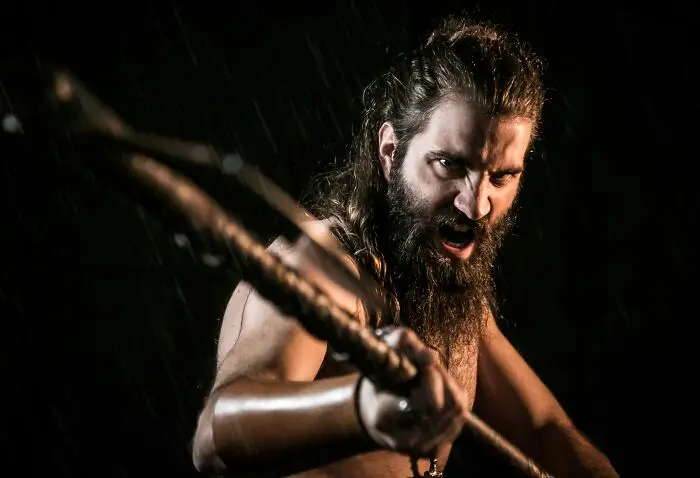
The appearance of hair and beard held significant importance for Viking men. This is evident in royal bynames, such as Sweyn Forkbeard, who likely had a divided beard, and Harald Fairhair, who was probably known for his luxurious head of hair. Archaeological discoveries of combs suggest that regular hair grooming was a common practice among the Vikings. An anonymous letter written in Old English even mentions a man advising his brother not to adopt the "Danish fashion," described as a reverse "mullet" hairstyle, with long hair on top and short hair at the back, but instead to stick with the prevailing Anglo-Saxon style. This emphasis on hair and beard showcases the significance of grooming and style in Viking society.
Report
16points
#29 A Lot Of Viking History Comes From Runes
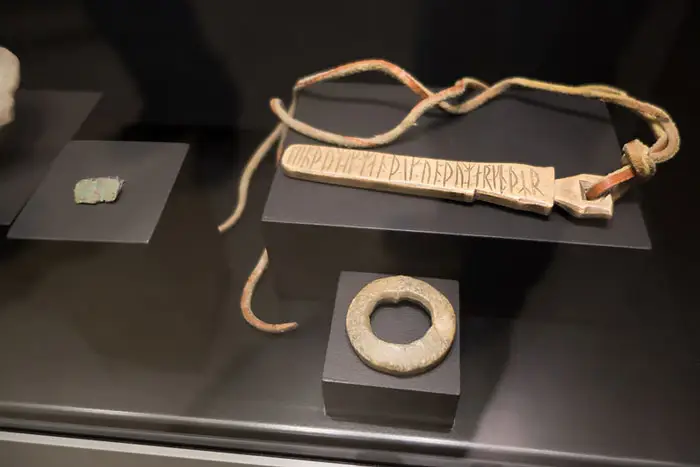
A significant amount of our knowledge about Vikings is derived from runestones, massive stones on which they carved stories about their history and themselves using runes, their writing system. Many of these stones are memorials recounting the lives of the deceased. Sweden alone has around 2,500 runestones, and others can be found scattered throughout Scandinavia. Vikings also used runes to leave their mark in other places; for example, they graffitied their names on the walls of the Hagia Sophia in Turkey, showcasing their presence and influence beyond their native lands.
15points
#30 Free Viking Men Would Gather For A Thing
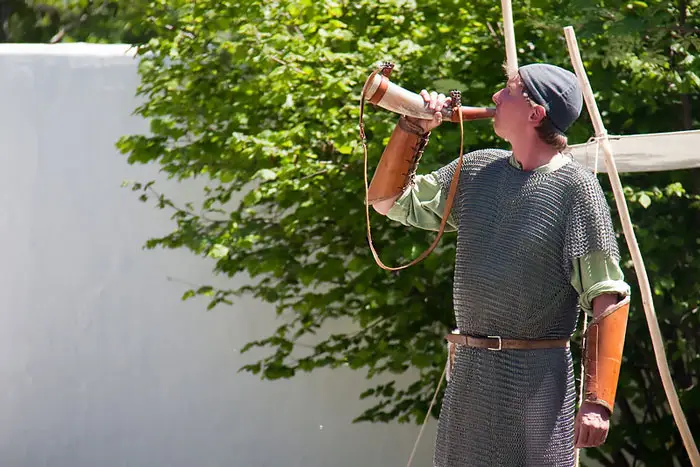
The Vikings had a unique form of governing assembly known as a "thing," which interestingly has its roots in the English language. Free men from a region would gather at a thing to resolve conflicts, elect leaders, conduct legislative affairs, and engage in trade. Today, the parliaments of Iceland, Denmark, and Norway still reflect the influence of the Viking thing, as seen in their names: Althing ("general thing"), Folketing ("people's thing"), and Storting ("great thing") respectively. This demonstrates the lasting impact of Viking governance on the political systems of these countries.
Report
15points
#31 Vikings Wore Makeup
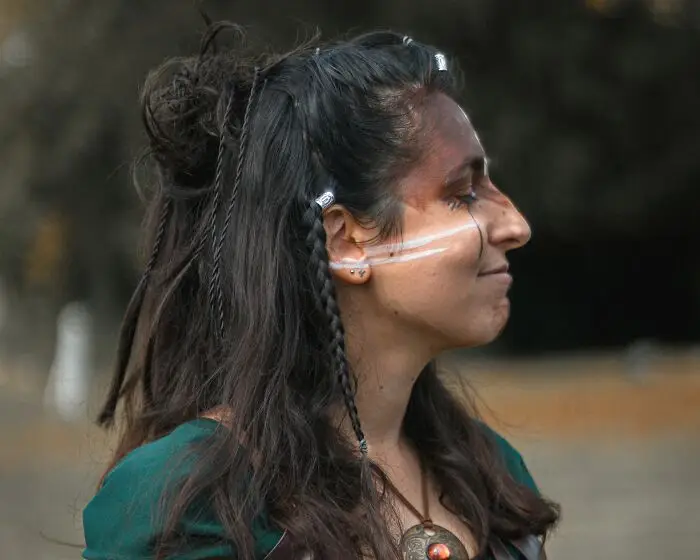
The television drama series "Vikings," aired on the History Channel since 2013, is known for its entertainment value, but historical accuracies should be viewed with skepticism. However, according to Bustle.com, one accurate aspect of the show is the makeup, specifically the eyeliner. The eyeliner featured in the series is consistent with what Vikings would have worn. Though their eyeliner was made using materials not suitable for today, such as lead and oxidized copper, both men and women in Viking society used it to protect their eyes from the sun.
Report
15points
#32 The Louvre Was Originally Built To Protect Paris From The Vikings
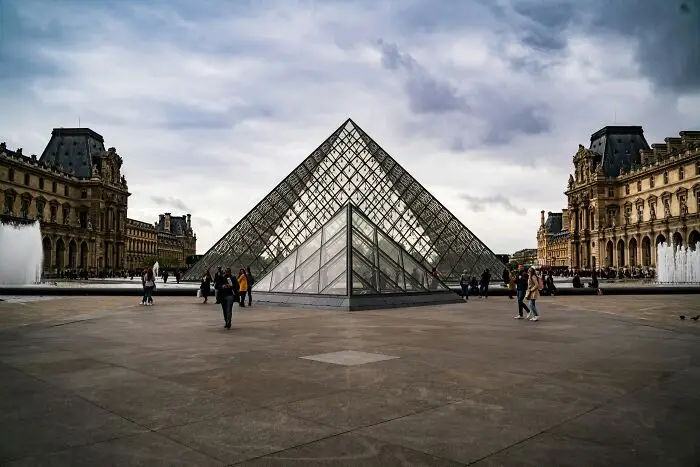
The Louvre, the world's largest art museum and a historic French monument, began as a medieval fortress in 1190, protecting against Viking raids. Later, it transformed into a royal palace for French aristocrats and Napoleon I before becoming a renowned museum showcasing Western art from the Middle Ages to 1848.
Report
15points
#33 Vikings Had An Incredible Ability To Shrug Off Losses
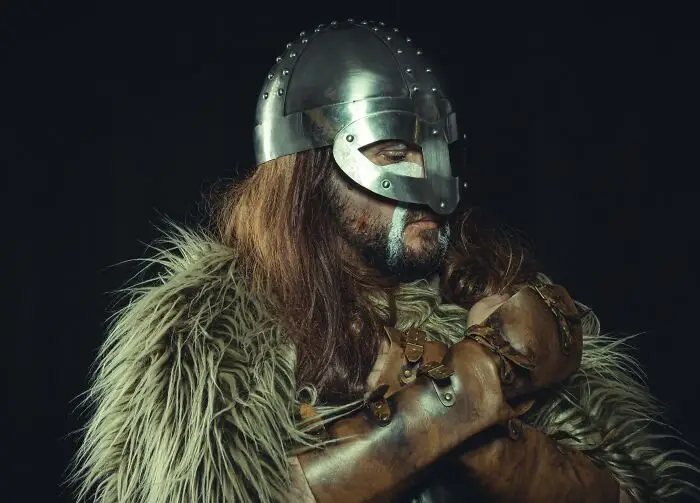
The remarkable success of the geographically scattered Norwegian Vikings in conquering vast territories can be attributed to their courageous and fatalistic outlook. These Vikings were born risk-takers, showing incredible resilience in shrugging off losses during land battles or perilous sea expeditions. Despite the h**h number of casualties incurred in wars relative to their overall population, this relentless hunger for conquest and exploration persisted for approximately 250 years. Their indomitable spirit and unwavering determination fueled their quest for adventure and expansion, leading to their remarkable impact on history.
Report
15points
#34 Vikings Established Many Cities, Such As Dublin In Ireland And Normandy In France
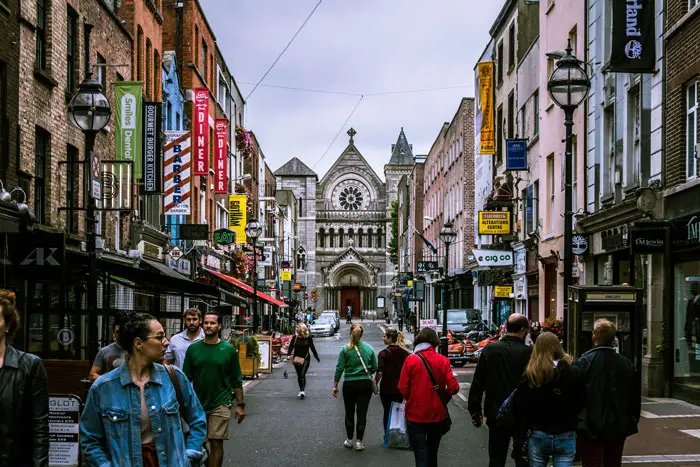
The Vikings were pioneers in founding various cities and colonies, leaving their mark across different regions. Notably, they established Dublin in Ireland and the region of Normandy in France, both of which became significant settlements for centuries. In the years 879 to 920, the Vikings successfully colonized Iceland, which then served as a launching point for further colonization in Greenland. Archaeological evidence has also revealed a Viking settlement at L’Anse aux Meadows in Newfoundland, carbon-dated to around the year 1000, indicating their exploration and presence in North America. The Vikings' exploration and establishment of settlements had a far-reaching impact on world history.
Report
14points
#35 Viking Girls Got Married As Young As 12
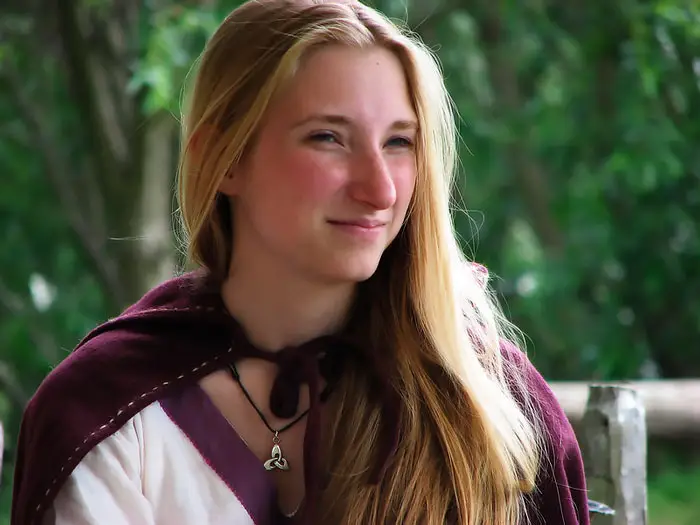
In Viking times, women often got married at a young age, sometimes as early as 12 years old. By the time they reached 20, most men and women were already hitched. It was tough back then, and people didn't usually live past 50 years old, and only a lucky few made it to 60. Marriages weren't like what we have today; they were arranged by the parents of the young couple. When the couple was promised to each other, the groom's family paid a bride price to the bride's family, kind of like a show of goodwill. And during the actual wedding, the bride's father would give a dowry. Both families had a lot at stake, and they saw it as a big deal for them, not just the couple involved. So, marriage was more like a pact between families in those times.
Report
14points
#36 Vikings Believed In The Existance Of "Nine Worlds"
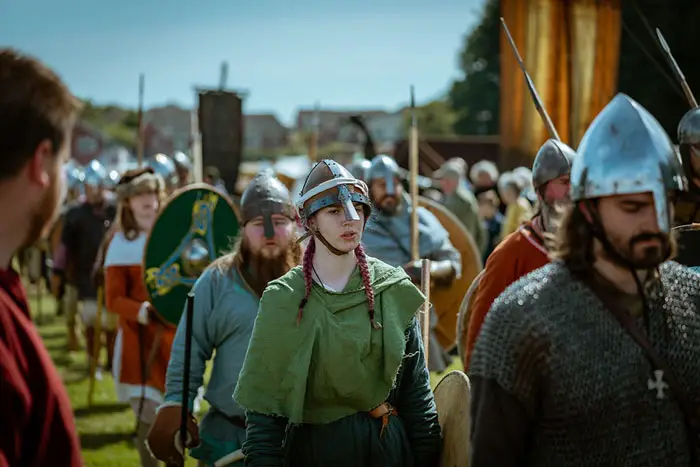
The Nine Worlds, also known as Níu Heimar in Old Norse, are the homelands of various beings in the Norse and Germanic pre-Christian worldview. Though no source lists all nine worlds explicitly, we can tentatively reconstruct them based on Norse mythology and literary references: Midgard (world of humanity), Asgard (world of Aesir gods), Vanaheim (world of Vanir gods), Jotunheim (world of giants), Niflheim (primordial world of ice), Muspelheim (primordial world of fire), Alfheim (world of elves), Nidavellir/Svartalfheim (world of dwarves), and Hel (world of the goddess Hel and the dead). Except for Midgard, these worlds are mostly invisible but can manifest in aspects of the visible world, such as Jotunheim in the physical wilderness, Hel in the grave, and Asgard in the sky.
Report
14points
#37 Viking Men Spent Most Of Their Time Farming
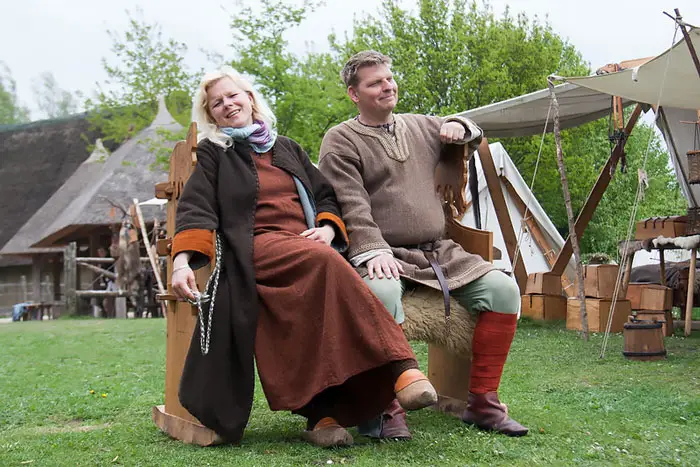
Contrary to popular belief, raiding and pillaging only occupied a small portion of the Vikings' time during their era. In reality, most Vikings were farmers. They primarily cultivated crops like oats, barley, and wheat, and occasionally grew various vegetables. The countryside was reminiscent of present-day Norway, with plenty of livestock such as pigs, cattle, sheep, horses, and chickens, resembling the standard features of European farms.
Report
13points
#38 Berserkers - The Fiercest Viking Fighters
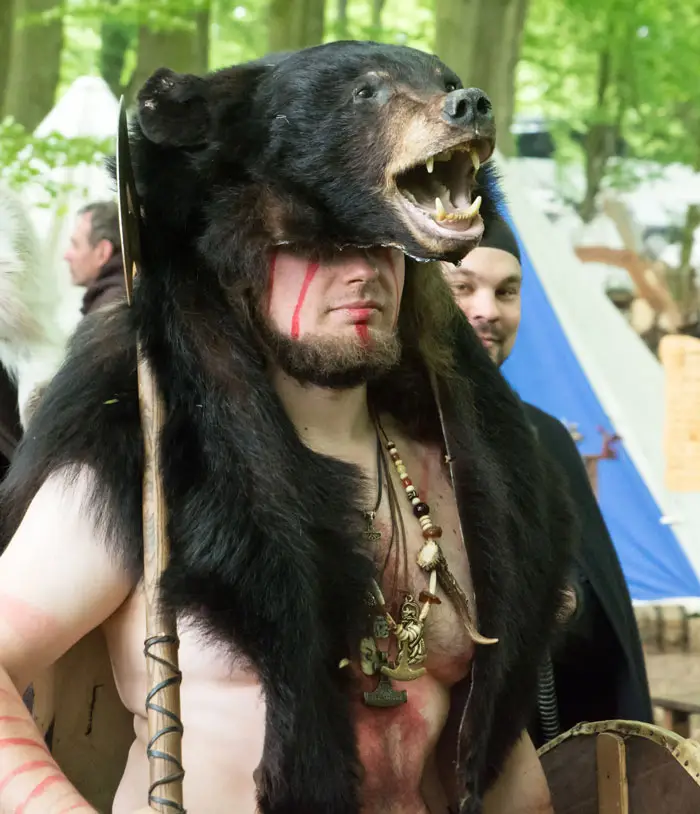
Vikings were renowned for their ferocity and warrior spirit, leaving a formidable legacy across Europe. Among their ranks, the Berserkers stood out as some of the strongest fighters. As reported by Historyhit.com, Berserkers were champion warriors who entered a state of "trance-like fury" when engaging in battle against their foes. This intense state was likely induced, at least in part, by ingesting specific concoctions before combat. As mentioned in History101.com, Berserkers were identifiable by wearing bearskins and were believed to receive blessings from the Norse god Odin. In fact, the English word "berserk" finds its origin in this special class of Viking warriors, showcasing their legendary reputation as fearless and powerful fighters.
13points
#39 Cats Already Lived With Vikings 2000 Years Ago
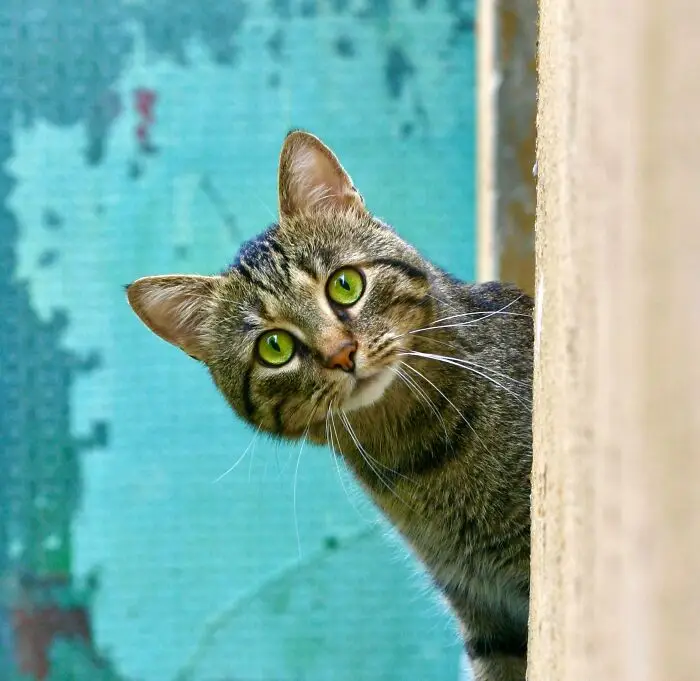
In 2014-2015, archaeologists made an exciting discovery in Aalborg, Denmark, finding the oldest feline remains in the Scandinavia region. The remains were estimated to be around 2000 years old in 2016, challenging previous beliefs that cats were not introduced to Denmark until the Viking Age. The presence of a thousand-year-old cat remains in Aalborg has cast doubt on the previous assumption, shedding new light on the history of felines in the region. This discovery offers valuable insights into the ancient interactions between humans and cats in Scandinavia.
Report
13points
#40 Vikings Had Many Gods, Such As Thor And Loki
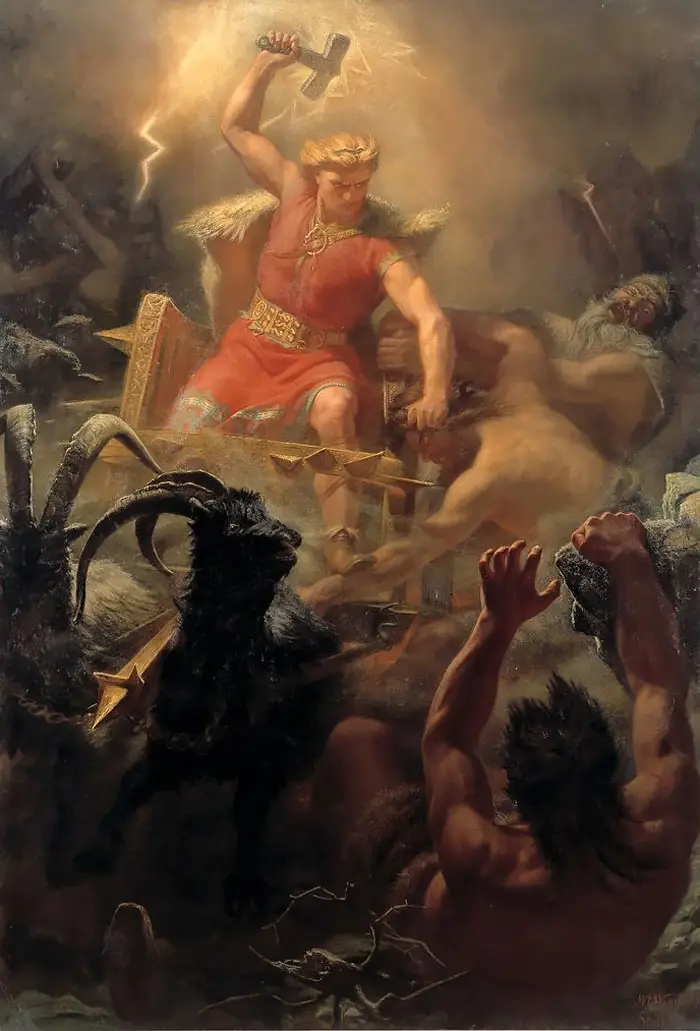
The Vikings in the Scandinavian north followed a polytheistic belief system, worshipping numerous gods and goddesses from Norse mythology. Through ancient texts, sagas, and archaeological findings, we have gained valuable insights into these deities and how the Vikings perceived them. Thanks to the Marvel Universe, Thor has become one of the most well-known and recognizable Norse gods in today's world. As the god of thunder and lightning, he wielded the powerful Mjölnir, capable of slaying giants and shattering mountains. Riding a chariot drawn by two colossal goats, Tanngniost and Tanngrisnir, Thor was often seen as the mightiest of the Norse gods, entrusted with guarding Asgard, the stronghold of the Æsir. Among all the gods, he was highly revered and worshipped by most Vikings.
Report
11points


