

#1
#2
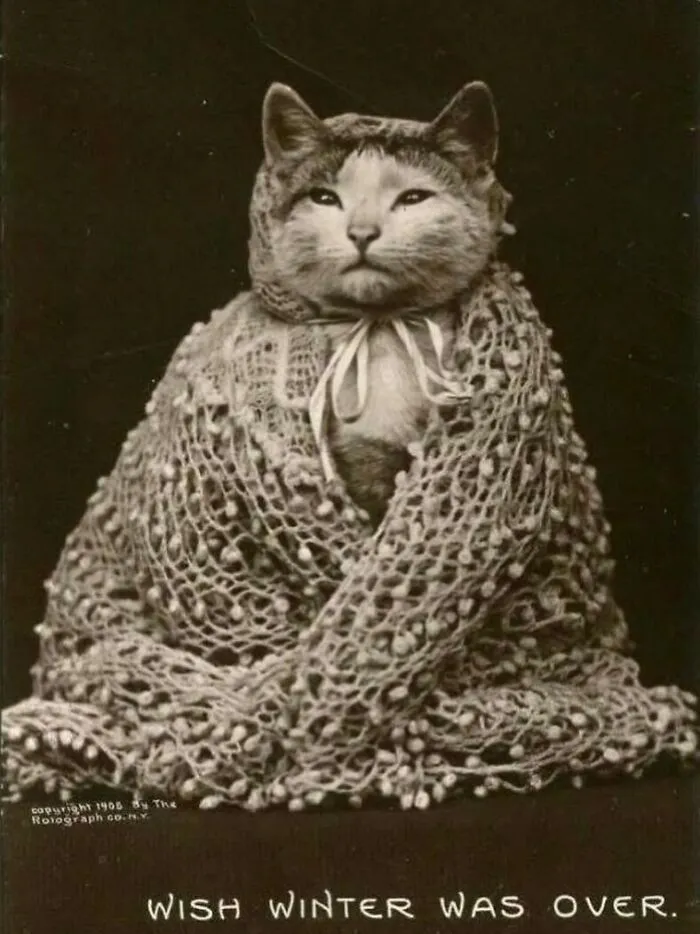
The card number “B 1194” is visible in the bottom right corner.
#3
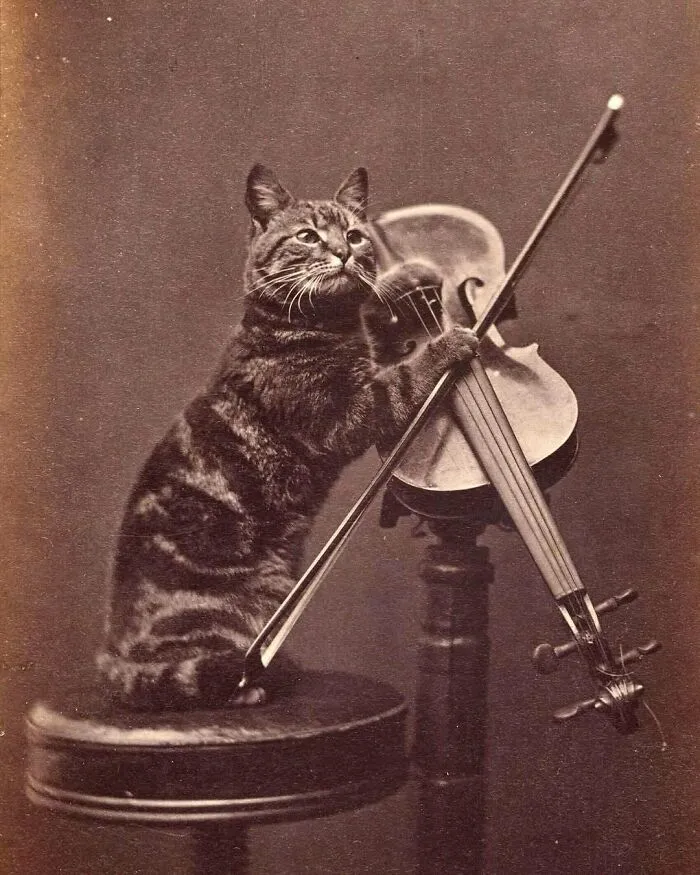
The caption “Music hath charms” is likely inspired by a line from William Congreve’s 1697 play, The Mourning Bride. These images were sold as cartes de visite (calling cards) and served a purpose similar to modern-day cat memes.
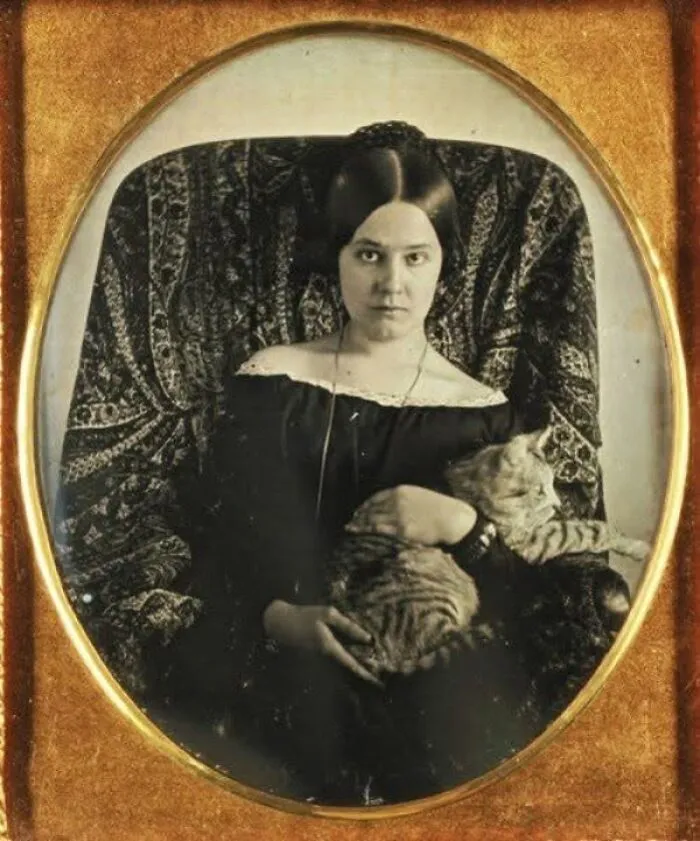
Interestingly, early Victorians were the first generation to see themselves through a camera. What began as a scientific art affordable only to the wealthy soon became global. It’s been reported that while the movement of Victorian society as a whole tended to make class divisions ever more rigid, photography managed to be classless.
In fact, people at the time became obsessed with photography. A census in 1861 recorded a whopping 2,879 professional photographers in England. Apart from them, many amateurs were also keen on photography.
#4
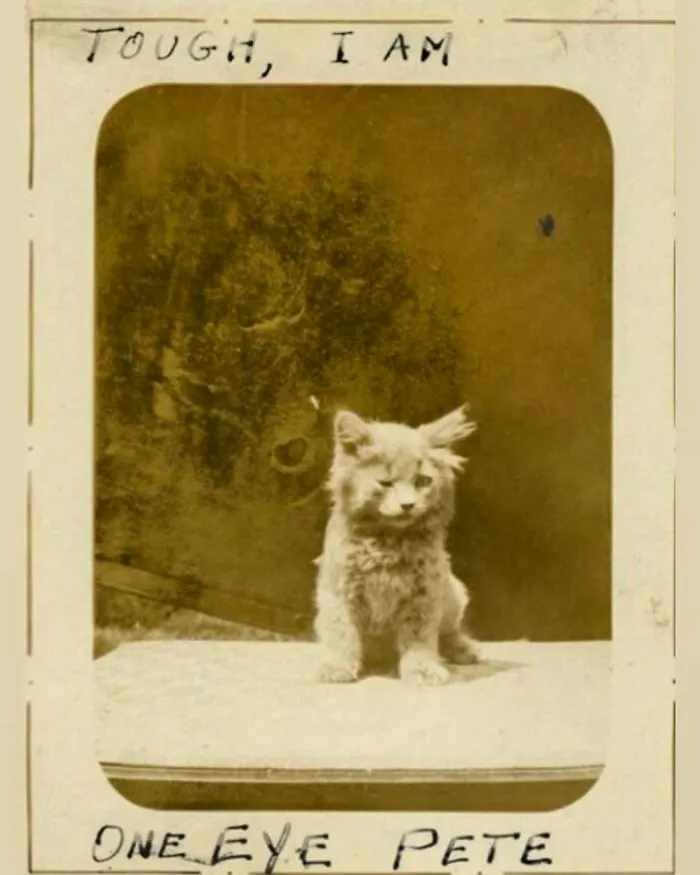
#5
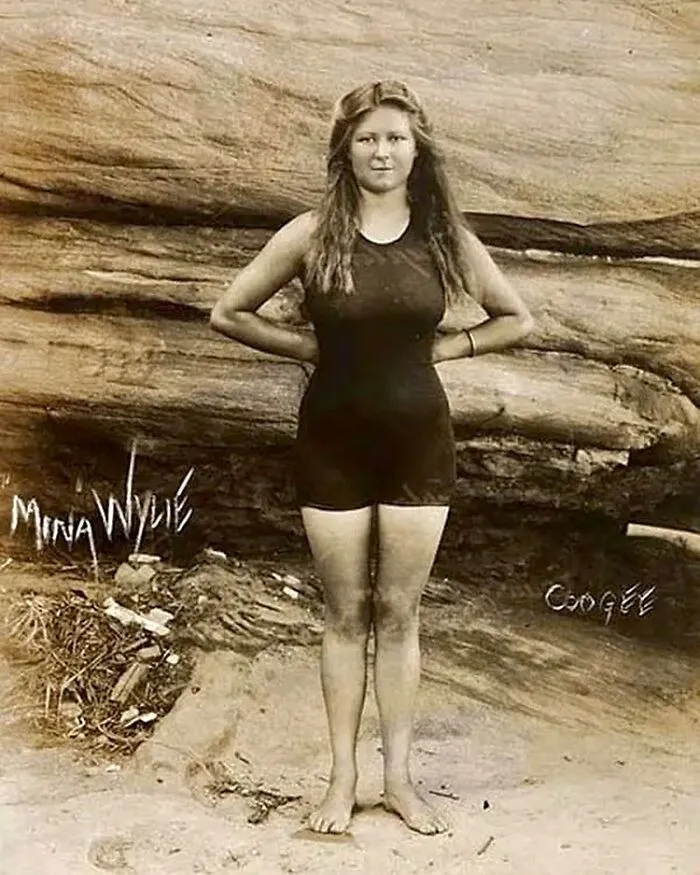
Wylie grew up in South Coogee, Sydney, where her father Henry Wylie built Wylie’s Baths in 1907. Henry Wylie was himself a champion long distance and underwater swimmer. Wylie’s Baths are the oldest surviving communal sea baths in Australia. This picture was taken in Coogee. Australia.
#6
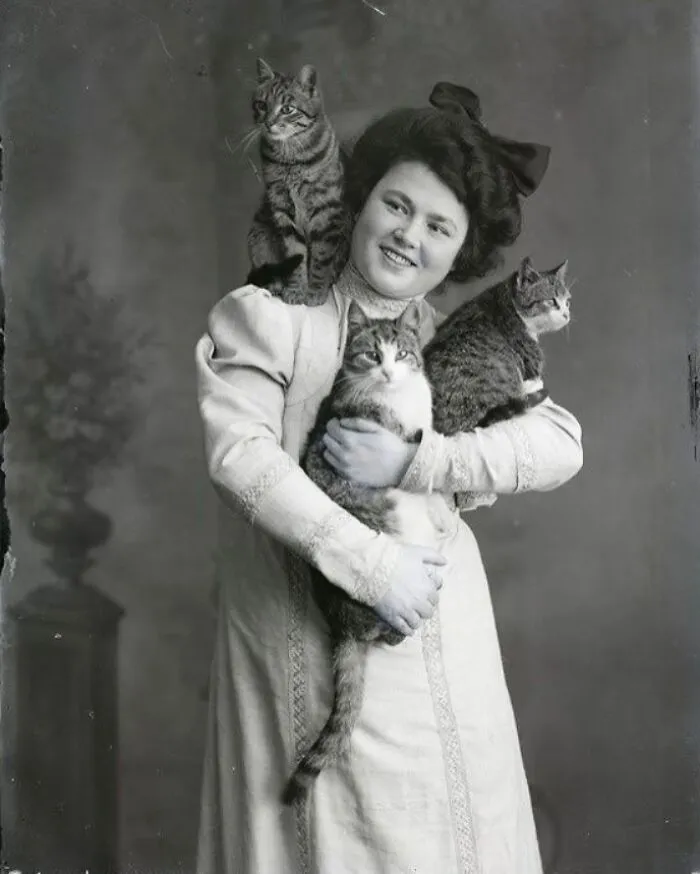
Research shows that in March 1841, coal merchant Richard Beard opened Europe’s first public photographic studio at the Polytechnic Institute on Regent Street, London. He employed a science lecturer, John Frederick Goddard, to actually take the portraits. And this fellow became the first professional photographer.
Fast forward to the late 1860s, the boom in photography was such that almost every town in Britain had at least one photographic studio and most had several. Photography was also considered a “genteel” pastime for women, and it seems they went all in.
Women are also credited with producing some of the most durable portrait studies of the 19th century. By the 1890s, over 20% of professional photographers were women.
#7
#8
#9
The research further adds that in the 1890s, a single portrait at the most fashionable London studios could cost as much as 3 guineas, while the cheapest studios supplied cartes-de-visite (a calling card with a photographic portrait mounted on it) at 2s 6d a dozen (2 shillings and 6 pence, which converts to $0.17 today).
An archive claims that sharing images of loved ones drove the craze for collecting cartes-de-visite. “The average middle-class Victorian home would have had an album full of images of friends and family members as well as never-before-seen famous faces ranging from royalty to well-known authors and infamous criminals. Such images sold in the hundreds of thousands,” it adds.
#10
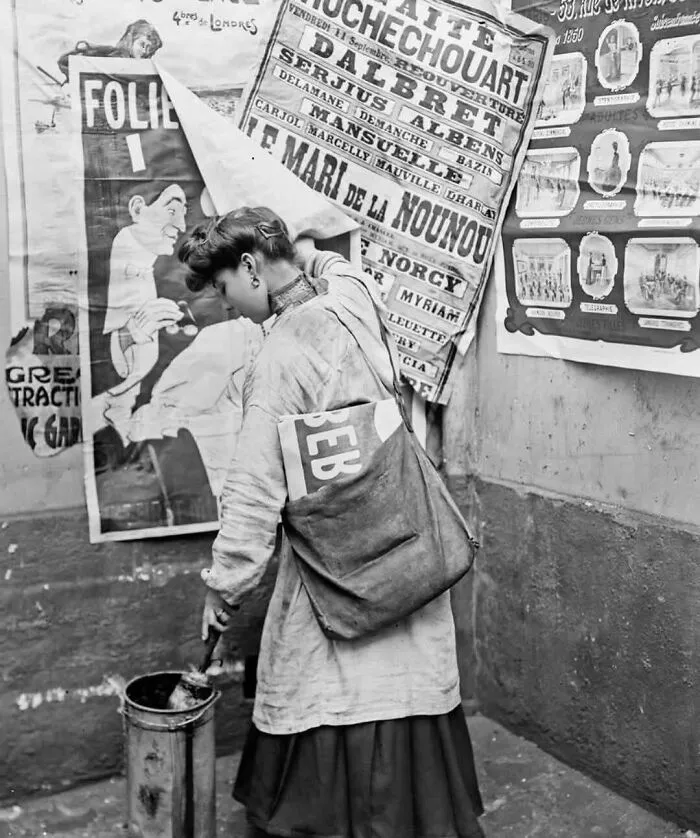
The image was published as a postcard in 1908 by Lévy fils et Compagnie (LL).
#11
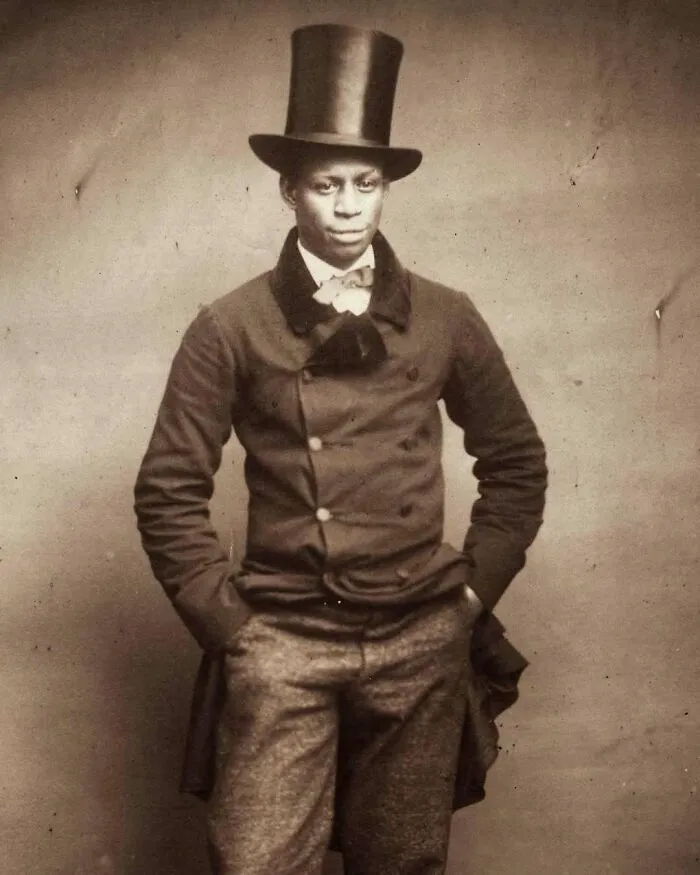
The image represents the historical phenomenon of Black dandyism, a movement where people of African descent used sharp tailoring and sartorial elegance as a form of cultural defiance and an assertion of dignity against a backdrop of discrimination
#12
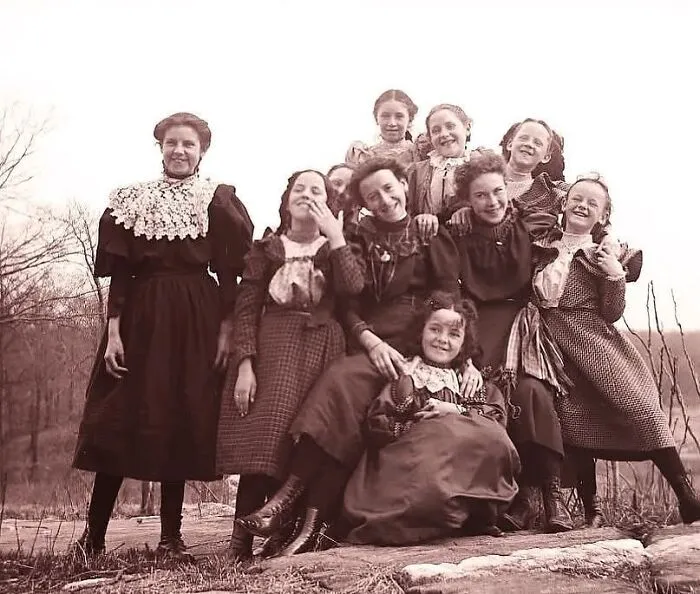
According to the humanities research center at The University of Texas at Austin, the Victorians didn’t shy away from making their photos look staged or dramatic. Today’s portraits often aim for realism. But Victorian photos didn’t hesitate to use costumes, props, and performances to create an identity. In fact, these photos sometimes told a story.
Victorians were also masters at blending reality and imagination in these photos, as well as in their documents and art. That’s probably why their images feel more like a playful, intentional act rather than a simple captured moment.
#13
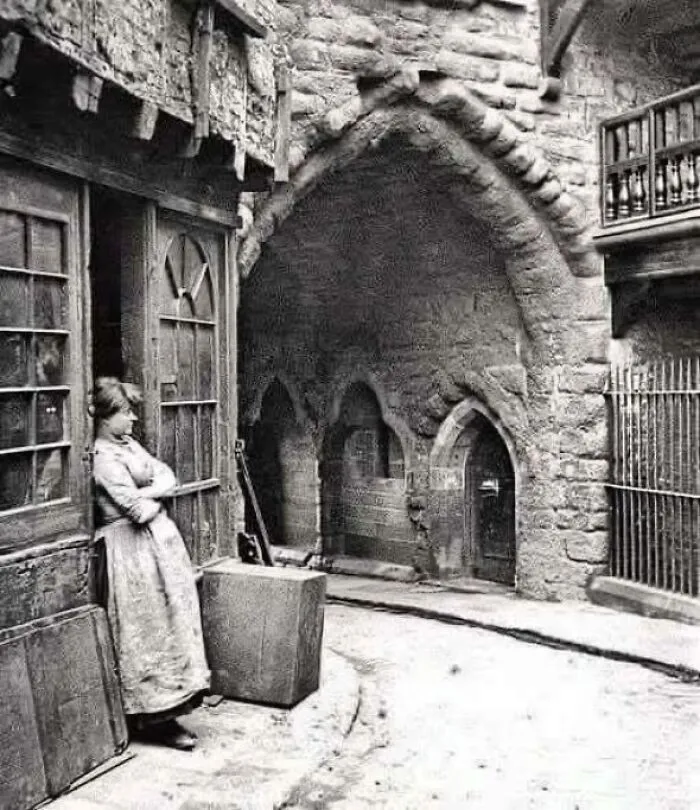
The woman in the foreground is often identified as leaning against a shop doorway in Castle Garth, an area once filled with dilapidated 17th-century timber-framed houses and shops. By the 1880s, the area had a reputation for “Dickensian squalor” before major restoration efforts began to save the historic structures from demolition. Today, the Black Gate has been restored and serves as an entrance to “Old Newcastle,” showcasing the city’s historic heart.
#14
#15
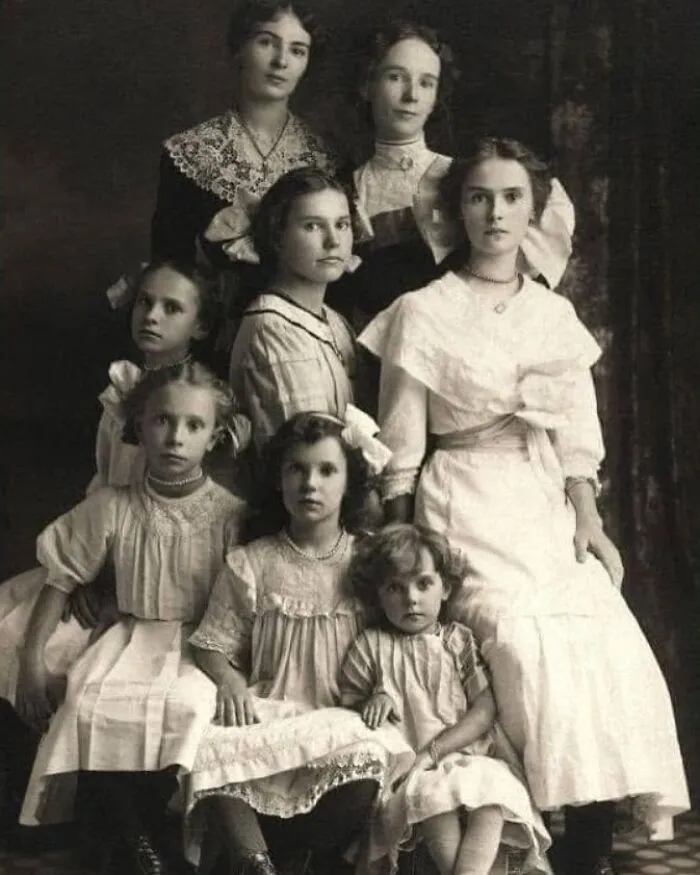
Their living rooms looked like art galleries, but the Victorians’ obsession with photos is quite understandable. However, they had a pretty horrifying tradition of taking pictures with their loved ones after their demise.
News reports that epidemics such as diphtheria, typhus, and cholera scarred the country. Also, Victorian nurseries were plagued by measles, diphtheria, scarlet fever, and rubella - all of which could be fatal. That’s why post-mortem photography gained popularity.
#16
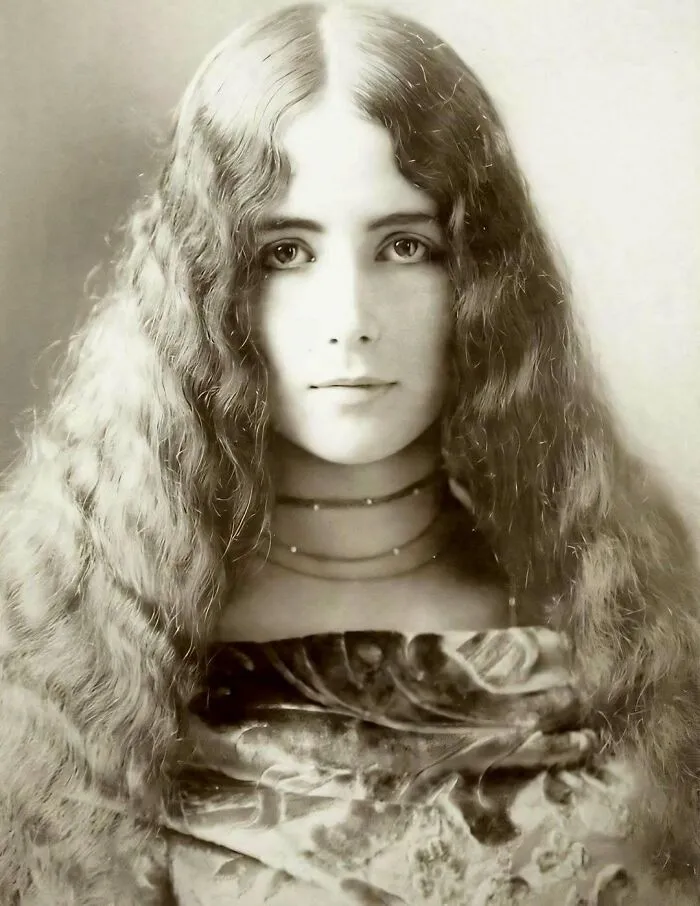
Her signature hairstyle, which covered both of her ears, was unique at the time and led to some harmless rumours.. She became an international celebrity after her 1892 debut at the Folies Bergère in Paris. Her fame led to her being depicted by many artists and becoming influential in Art Nouveau and other art movements.
#17
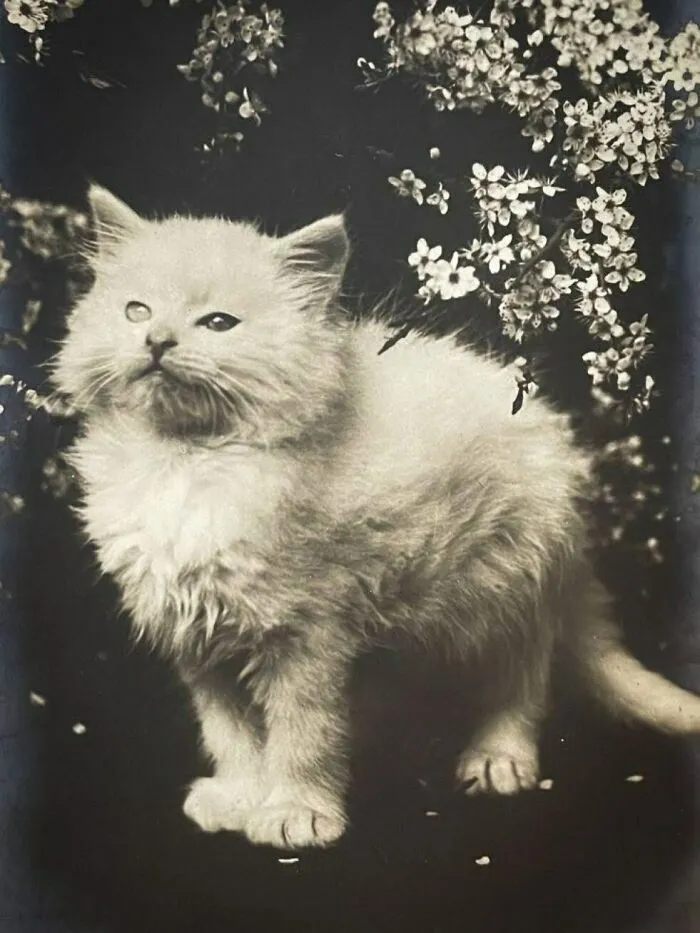
The image originated as a postcard titled “Fairy puff!” that was part of a collection and was taken circa 1912.
#18
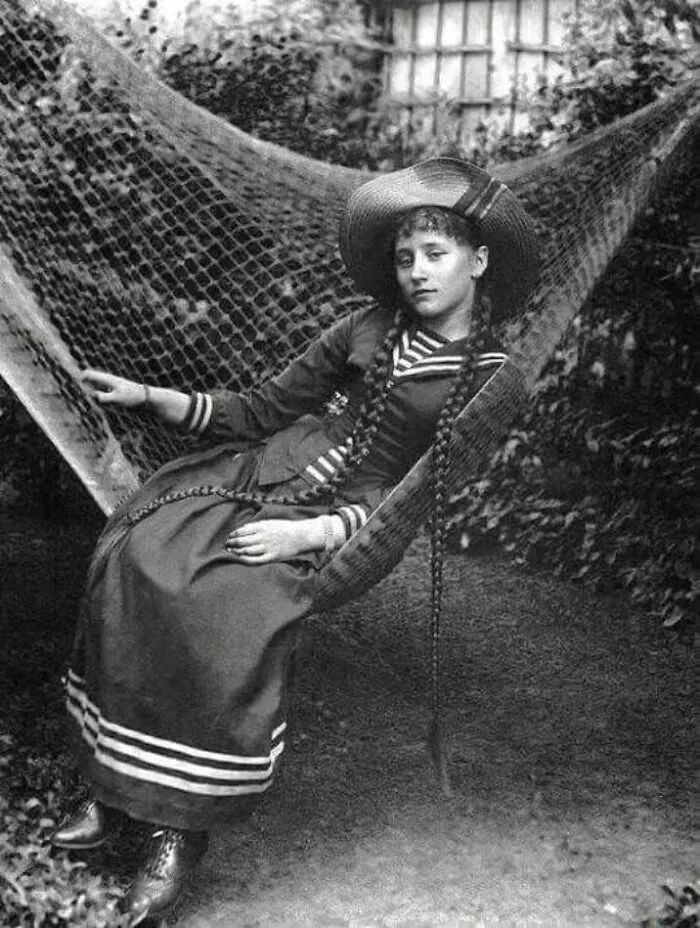
Also, it is believed that from 1861, the bereaved Queen Victoria made mourning “fashionable.” Memento mori trinkets (remember, you must leave this life) also became popular. This might have further fuelled mourning photography. After families lost someone, it was often the first time they thought to have a photograph taken. After all, it was the last chance to have a permanent record of a beloved relative.
What’s more shocking is that, on some occasions, people painted eyes onto the photograph after it was developed. Apparently, it was meant to make the deceased seem more lifelike.
#19
#20