






Bringing a dog, cat, or some other animal into your home is one of the biggest joys we can imagine. But it's also a huge responsibility. After all, we commit to caring for another life. So we need to do our homework and understand what to expect and how to react to different circumstances that arise along the way.
However, one can't possibly know everything. That's why we at Bored Panda decided to feature a Reddit discussion, started by user Feeling2Leafy where veterinarians using the platform have been sharing tips they think pet owners need to be aware of the most. From exercise to diet, continue scrolling to see what they have listed so far!
#21

Unless you can provide the right exercise, do not get a working breed dog. Kelpies, cattle dogs, sheepdogs, huskies, hunting breeds, herding breeds — these breeds are made to run all day, not to sit in your backyard
Report
74points
#22
Leaving your pet alone. I know this sounds stupid but if you had a dog that you never left during lockdown and them suddenly you have to leave it for 6 hours a day it's not going to be very happy
Report
71points
#23

Thinking that limping is just a normal part of animal getting old. Yes arthritis is more prevalent in older animals, but that doesn't mean they have to be in pain. Limping = pain
Report
69points
#24

I am a veterinarian. I'd like to see people focus not just on quantity but quality of their pet's life. The best thing you can do for that is just incorporate them into your life as much as possible. Pay attention to them! Love them! Lots of walks! Lots of games! You'd be surprised what they can learn. Play hide and go seek. Play fetch. Sit beside them when you watch TV, pet them. Train and socialize them early and well so you won't avoid them because they're not well behaved.
We're all so busy, it's so easy to make them an afterthought. You are their whole world and unless you live on a big farm where they run free, you are their only outlet for activity and happiness. They get bored fast, just like we do. They can't wait for you to get home. They've missed you! Take them for a walk. Do a fun training or agility class with them if you'd like.
For health, the biggest things are 1. Exercise, 2. Pay attention to what can be dangerous/toxic for them and avoid it (heads stuck in potato chip bags is one people miss lately, and keep your drugs out of their reach! They're small and more easily affected), 3. Brush their teeth.
Enjoy your pets! They love you!
67points
#25
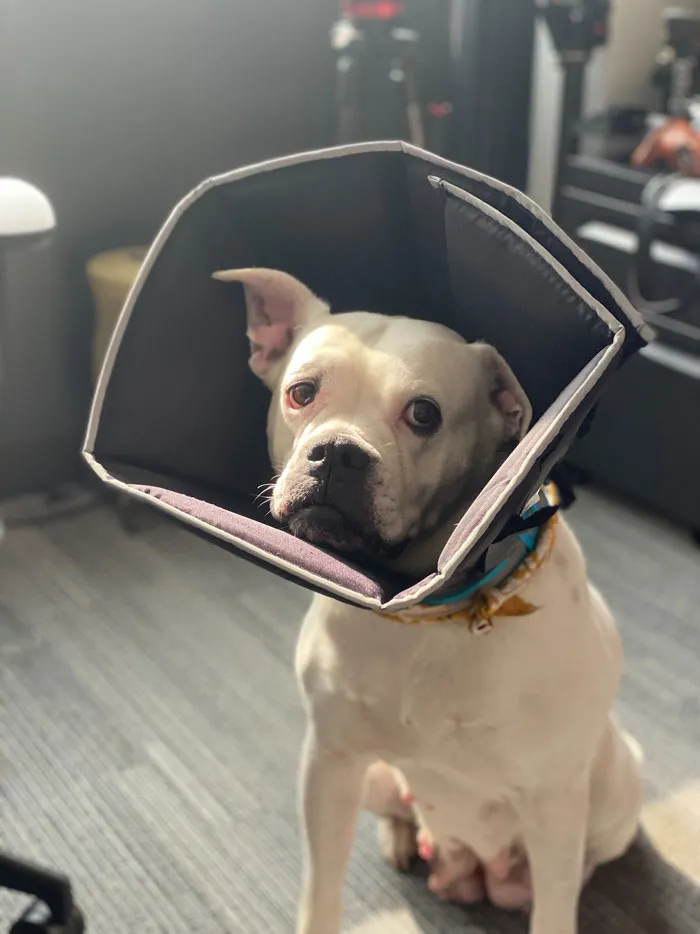
Keeping the damn e-collar on after surgery. You have no idea how many complications I’ve had because the owners thought their pet “looked so sad” after a procedure. It’s not worth it, IMO.
67points
#26

Not a vet (yet! still in school), but probably medical advice from veterinarians. Only halfway joking, lots of owners are great but lots also will blatantly tell vets that they are wrong, their 8+ years of education is less than the medical advice given to them by some random tiktoker or the kid who stocks shelves at the local pet store.
On a serious note, obesity. Such a large number of animals are obese that people think it’s normal and animals at an appropriate weight are too thin. My SO has even fought me on what the dogs should get to eat vs what he feeds them. It took another vet to tell him that his dog was fat to actually listen to my advice.
A funny, related story. My clinic has hand outs with common treats for dogs like cheese, ham, PB and the human caloric equivalents in donuts. My parents, who are notorious for owning morbidly obese animals, tried to calculate how many slices of ham my dog “needed” to get each day while they were pet sitting because it was “only X number of donuts”. My plan to prevent them from over feeding my dog backfired, she ended up gaining over 5lbs in 3 weeks, which is a lot for a 45lb dog. All of those human snacks and treats really add up.
Report
65points
#27
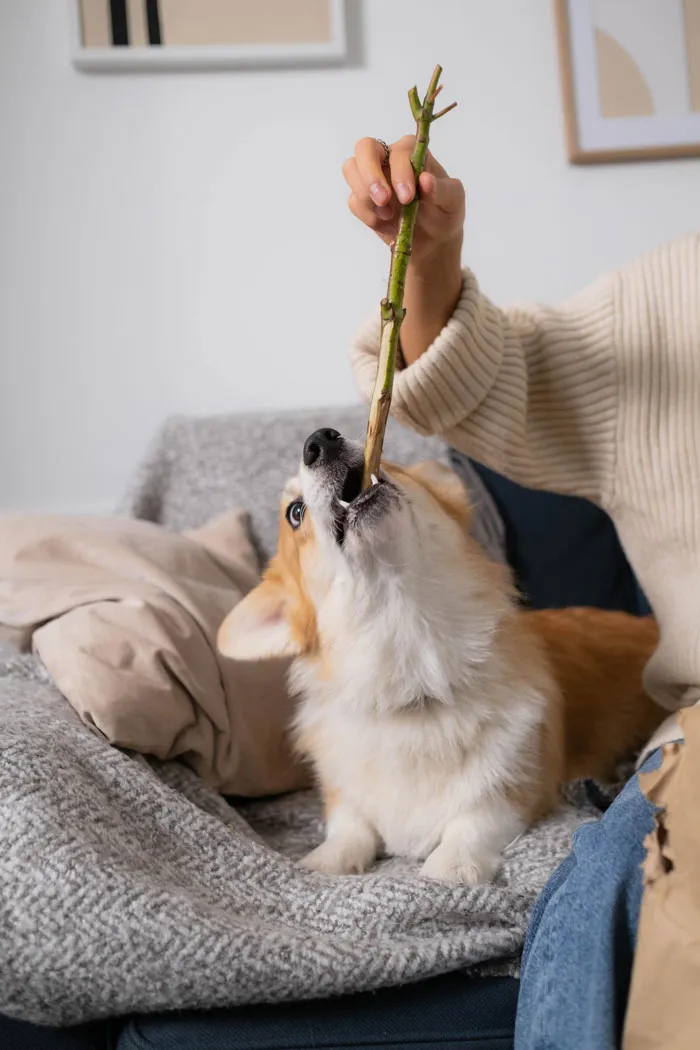
Brush your pet's teeth!!!
I'm an RVT that constantly works on anesthetic dentals and I can't tell people enough how much oral care impacts their pet's life.
With rotting gums and tooth root abscesses, it can lead to the bone rotting away which can cause their jaws to break (especially in our little patients). The amount of bacteria that is going on in their mouths will cause systemic infections to organs such as their liver, kidneys, and even heart. Not to mention that having an infection makes you feel sick and painful. Pets also don't like to eat, when they have terrible dental disease.
Most clients I speak to are surprised by the fact that they need to brush their pet's teeth on a regular basis to keep their teeth in check. Hell, I've even had some owners give me the "But their teeth fall out naturally" kind of spiel. Oh, they sure do-- and so do yours, if you've had bacteria, rotting food, and puss inhabiting your mouth.
Please brush your pet's teeth.
Report
65points
#28
Take water for their dogs when going on a walk on a hot day. Animals , especially dogs hyperventilate faster. A lot of people own dogs, very few actually do that.
Report
57points
#29

The top one for me (and I’m sure it’s been mentioned somewhere) is a rabbits general needs. Dietary, husbandry, and housing. Rabbits have so many needs that need to be met- they are not easy animals! They have burrowing needs, hay and straw are necessary, so many vegetables they cannot be fed or shouldn’t be in high amounts that people ignore, and the majority of hutches they are kept in do not meet their needs!
My friend specialises in rabbits and the stories I’ve heard from her are just terrible. Please do genuine research into rabbits before you buy them or ask a vet advice.
Report
52points
#30

Former vet tech (14 years). Being rather general, people don't pay enough attention to the three "normals": what goes in, what happens, and what comes out.
What goes in: food and water, mostly. That should be normal for them; normal amounts of food, normal amounts of water, and nothing they shouldn't be eating. *Abnormals* are decreased appetite, refusal of water, and eating inedible objects.
What happens: activity levels, habits, and how they interact with other animals or people. *Abnormals* are lethargy, anxiety, increased fear, and seclusion.
What comes out: feces and urine. Should be normal amounts and consistency, colors, and at expected times. *Abnormals* are diarrhea, dark urine, vomitus, bleeding, etc.
People get so used to their pets acting normal that they don't check to make sure they actually are. Pay attention to your pets and make sure they are *normal*. Make note any time you find something off. Even if it ends up being nothing you at least have a record of it. If there is one "abnormal" that resolves in 24 hours it's probably nothing to worry about. If there are multiples or they don't resolve then you should absolutely take them to the vet along with any notes you have.
Report
43points