


#1

#2

People often find ways to get around rules without actually breaking them. Sometimes, they just interpret instructions differently than intended. Even a simple request can leave space for creative interpretation, letting someone follow the words but ignore the real purpose. So why do we look for these loopholes?
This behavior depends on knowing what someone wants, noticing unclear instructions, and seeing where rules can be interpreted differently. Researchers from MIT and Harvard say these deliberate misunderstandings are common in daily life, showing how people can take advantage of gaps between what is said and what is meant.
#3

#4

Holding hands, and being madly “in love” works wonders for upgrades, free champagne, parking tickets and more…
This explains why finding everyday loopholes can feel rewarding: the person isn’t breaking a rule, just finding another way to follow it. Still, not every clever workaround means bending the rules. Sometimes, people just figure out how to get more value from systems meant to reward them.
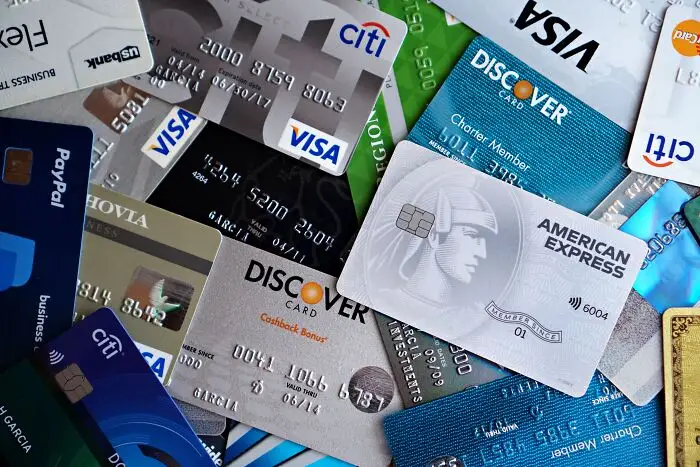
Credit card rewards can turn regular purchases into airline miles, cashback, or points for other benefits. Customers who know how these programs work can get a lot of value from sign-up bonuses and rewards. Some even plan their spending to make the most of these perks, rather than just using any card to pay.
#5

#6

But not everyone benefits equally from these systems. Research on the US credit card market found that people who understand finances make money from reward cards, while less-informed cardholders lose out. These programs also encourage more spending, which can leave some people with bigger unpaid balances and extra interest charges.
The key difference is what happens after someone gets those bonuses. People who watch interest rates, fees, and how they repay can keep more of their rewards. Those who carry balances might pay much more than they get back. This leads to another question: when does using a system become crossing the line?
#7

#8

#9

There is a fine line between being clever and taking advantage of others. Finding a loophole might seem harmless when a company offers a big promotion or a customer finds an unexpected benefit.
But things change when someone uses a policy to get something they never meant to pay for. Returning used products after enjoying them or abusing refund policies can leave businesses with the cost.
Consumers sometimes justify these actions by saying big companies can afford the loss or that they are just using a system that already favors businesses. This thinking is like the Robin Hood effect: people tell themselves that bending the rules against a company is okay, especially if they think the business has more power.
#10

Also, always say you’re celebrating.
#11
#12

Not every workaround is the same. Using a real discount or claiming a benefit you deserve is very different from making false complaints or abusing return policies. This difference matters because something can be allowed by the rules but still cross an ethical line.
Following the rules doesn’t always get you the best deal. This idea applies outside of shopping and rewards programs too. At work, for example, taking the first salary offer might feel safest, but it can mean missing out on more money. Many job seekers don’t negotiate because they worry that asking for more could make them lose the chance.
#13

#14

#15

That hesitation can cost people more than they realize. Just encouraging job seekers to negotiate their salaries made more of them ask and get better pay. Many people don’t realize how much they could gain by asking for better terms, and they often miss out on money just because they were afraid to negotiate.
Knowing when to question an offer can be just as important as knowing the rules. Whether you’re negotiating a salary, comparing financial products, or reading the fine print before signing a contract, understanding your options can help you avoid settling for less than you deserve.
Sometimes, getting ahead isn't about breaking the rules but knowing how to make them work in your favor. Which of these clever loopholes surprised you the most? Share your own loopholes in the comments!
#16
“Sorry this is late, Microsoft did an auto update on me last night” or “oh jeez, Outlook is acting weird, I missed that email” and everyone will completely understand.
#17

Staggering them out throughout the year gives you the opportunity to receive and use more of them, instead of having many expire before your get to use them.
#18

#19

#20