

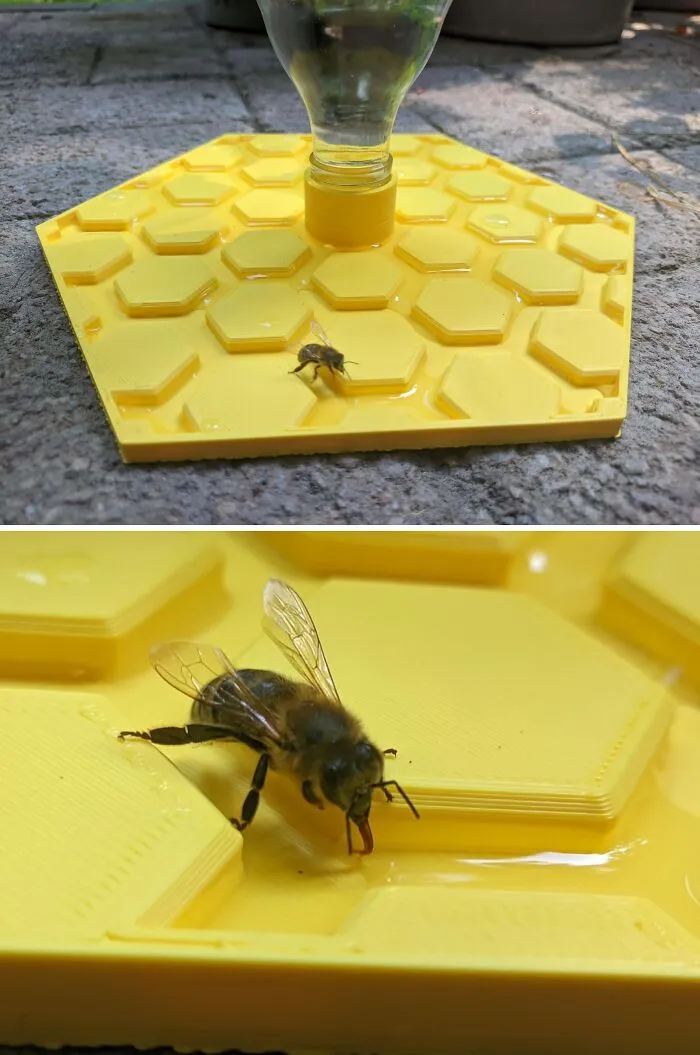
#1 Printed An Insect Water Station For Some Thirsty Boys In Europe, Had My First Visitor After A Few Minutes
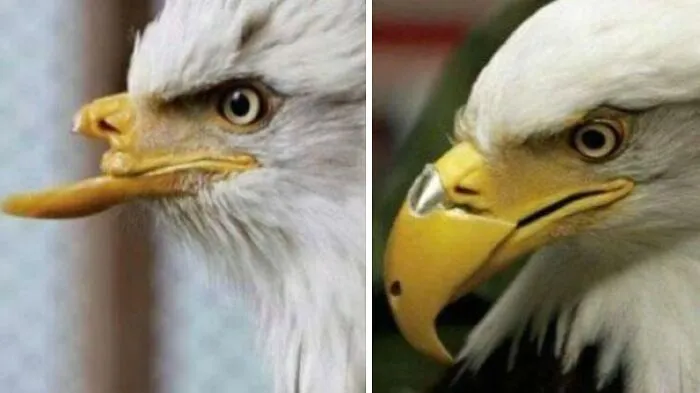
#2 This Eagle Shot In The Face And Got 3D Printed Beak Which Made Him More Bada**
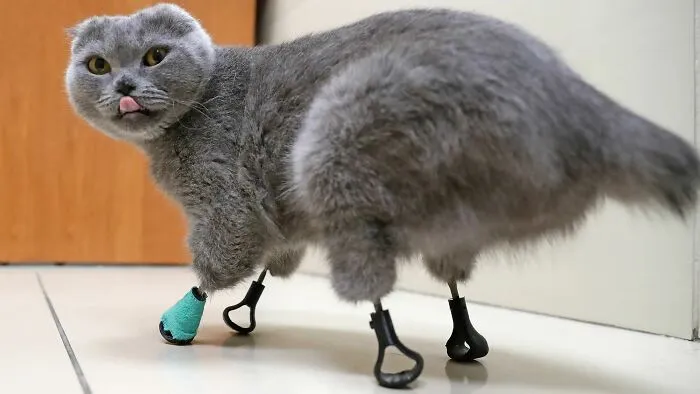
3D printing was not invented in someone's garage by an enthusiastic hobbyist. It was invented in 1983 by Chuck Hull, an engineer who was trying to make prototype parts faster without waiting weeks for a manufacturer to produce them. He called the process stereolithography, patented it in 1986, and co-founded 3D Systems Corporation to commercialize it.
For the next two decades, the technology lived almost exclusively in engineering firms and manufacturing plants, producing prototypes that cost thousands of dollars per print. The consumer version that now sits on desks and in spare bedrooms arrived largely because of the RepRap project in 2005, an open-source initiative to build a 3D printer that could print most of its own components. The idea was a machine that could reproduce itself, which is something out of a science fiction novel.
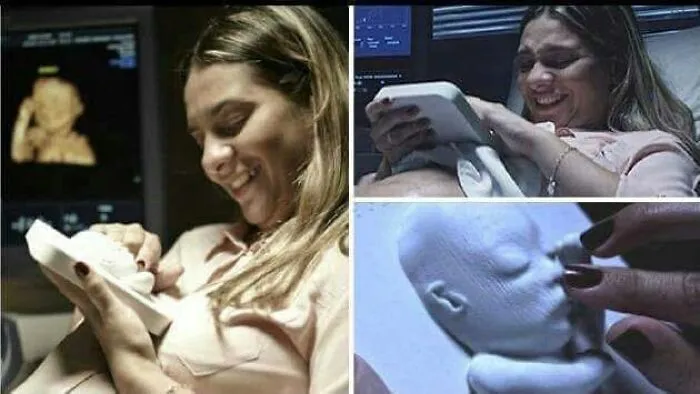
#5 Doctors Lovingly Made A 3D Print Of An Ultrasound For A Blind Expecting Mama. The World Is So Good
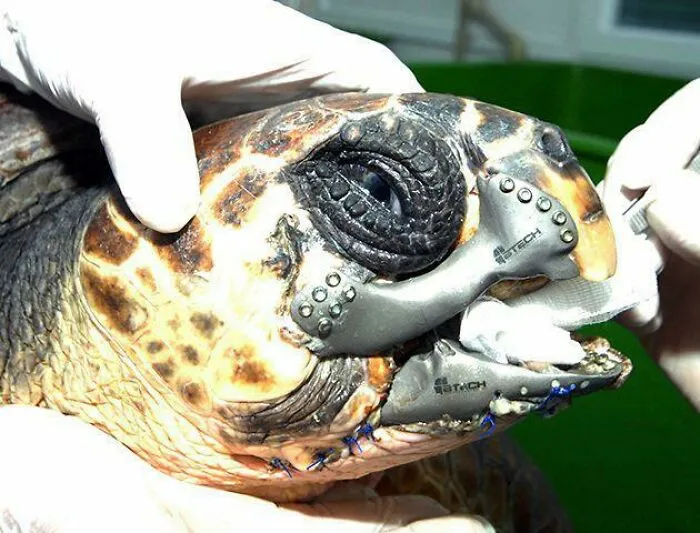
#6 A Loggerhead Turtle Got Into A Boating Accident, Scientists Gave It A New 3D Printed Titanium Beak
But it is a pretty simple process, actually. A digital file is sliced into thousands of horizontal layers by software, and the printer builds the object from the bottom up, depositing material layer by layer until the finished thing exists in three dimensions.
The most common home printers use a spool of plastic filament, heated and extruded through a nozzle with extraordinary precision. More advanced versions use resin, metal powder, or ceramics. The principle across all of them is the same: take a flat layer, add another flat layer, repeat until you have something solid. It is, at its core, a very patient and very precise stacking exercise.
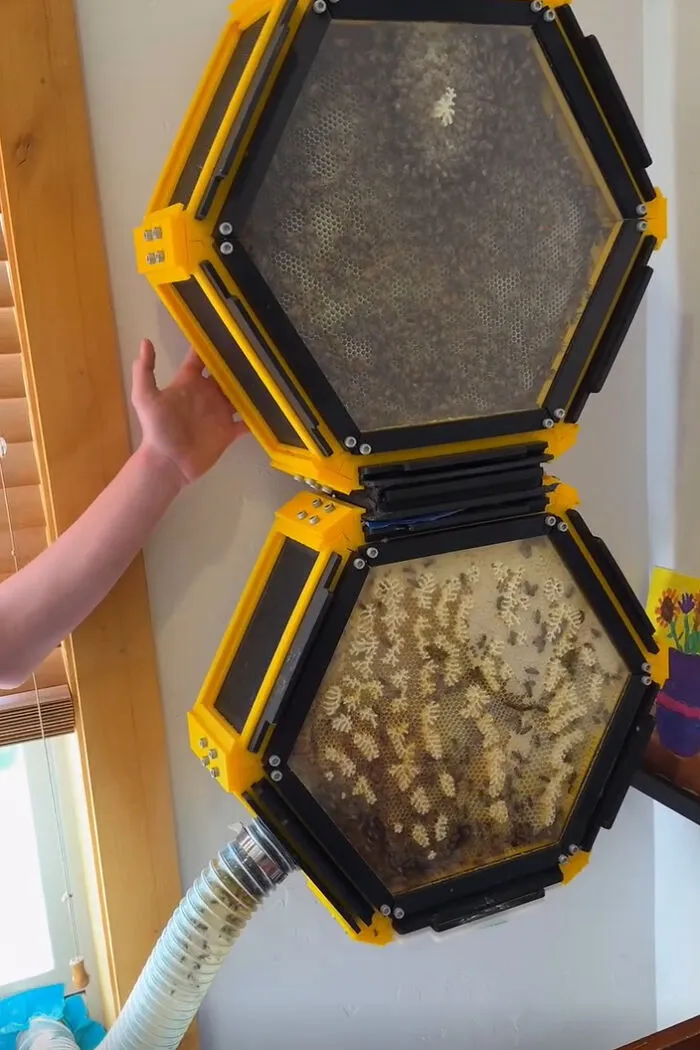
#7 My 13-Year-Old Son Built A Beehive For His Bedroom
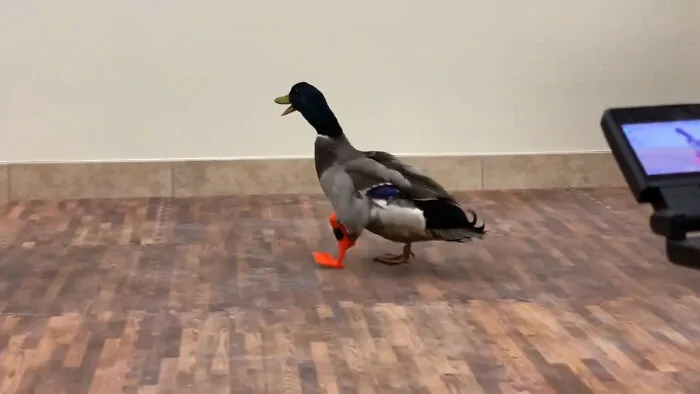
#8 Waddles The Disabled Duck Walks For The First Time On His 3D-Printed Prosthetic Leg
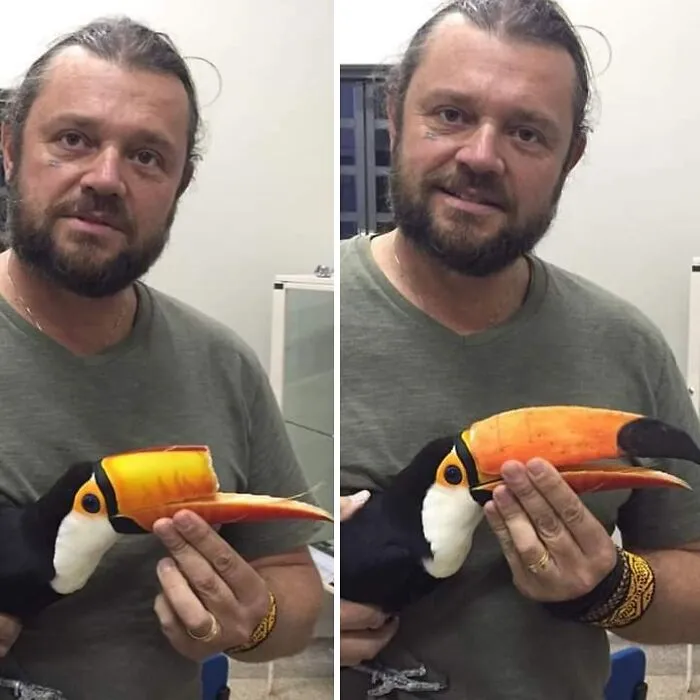
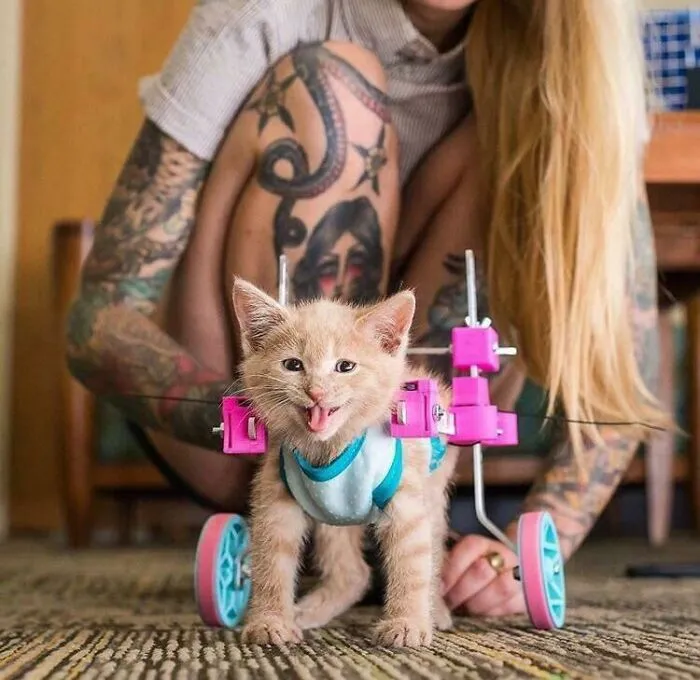
The medical applications are where 3D printing becomes a literal life-saver. Prosthetic limbs, traditionally expensive and time-consuming to produce, can now be printed for a fraction of the cost and fitted in days rather than months. The e-NABLE community, a global network of volunteers, has printed and donated thousands of prosthetic hands to children around the world, often for under $50 per device.
Surgeons are using printed anatomical models to plan complex operations before they open a patient, reducing time in theater and improving outcomes. Researchers have printed human tissue, blood vessels, and cartilage, with printed organs remaining the next frontier. The same technology producing decorative plant pots on someone's kitchen table is also rebuilding human bodies, and both uses are entirely valid.
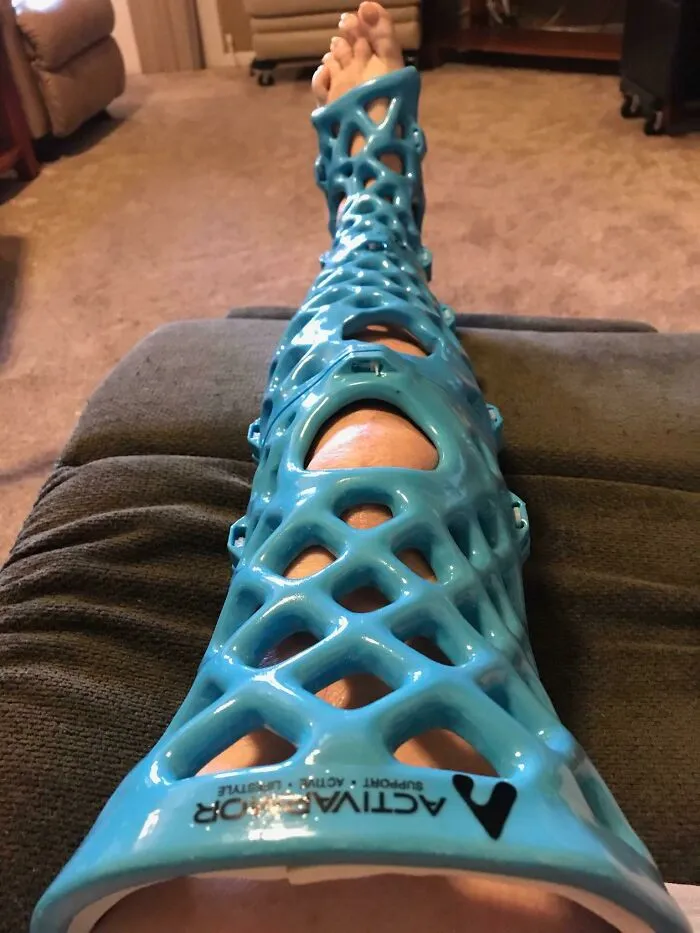

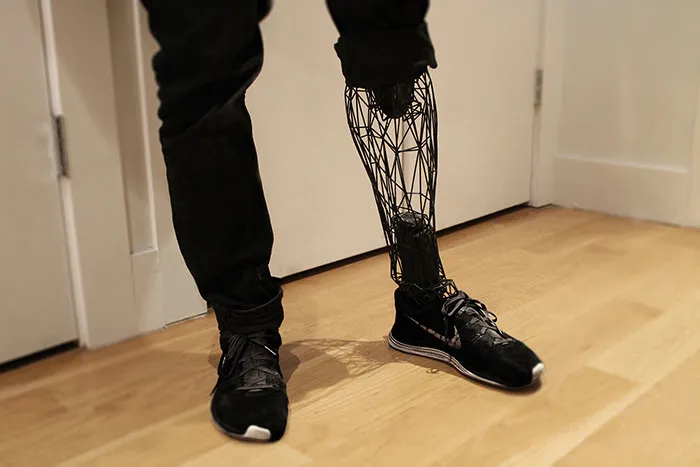
The right to repair movement has found one of its most powerful tools in the 3D printer. Planned obsolescence, the manufacturer practice of designing products to fail or become incompatible with replacements after a set period, has met a direct counter in the ability to print the discontinued part yourself.
A washing machine hinge, a vintage camera mount, a specific clip from a car interior that the manufacturer stopped producing in 2015: all of these exist as downloadable files on platforms like Thingiverse and Printables, shared for free by people who solved the problem and decided nobody else should have to buy a whole new appliance because of a two-cent piece of plastic. The community is large, organized, and deeply committed to the idea that owning something means being able to fix it.
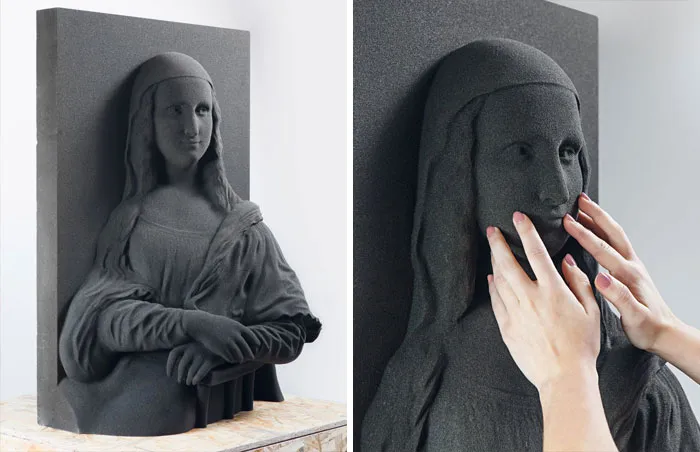
#13 3D-Printed Classical Paintings That Let The Blind “See” Famous Art For The First Time
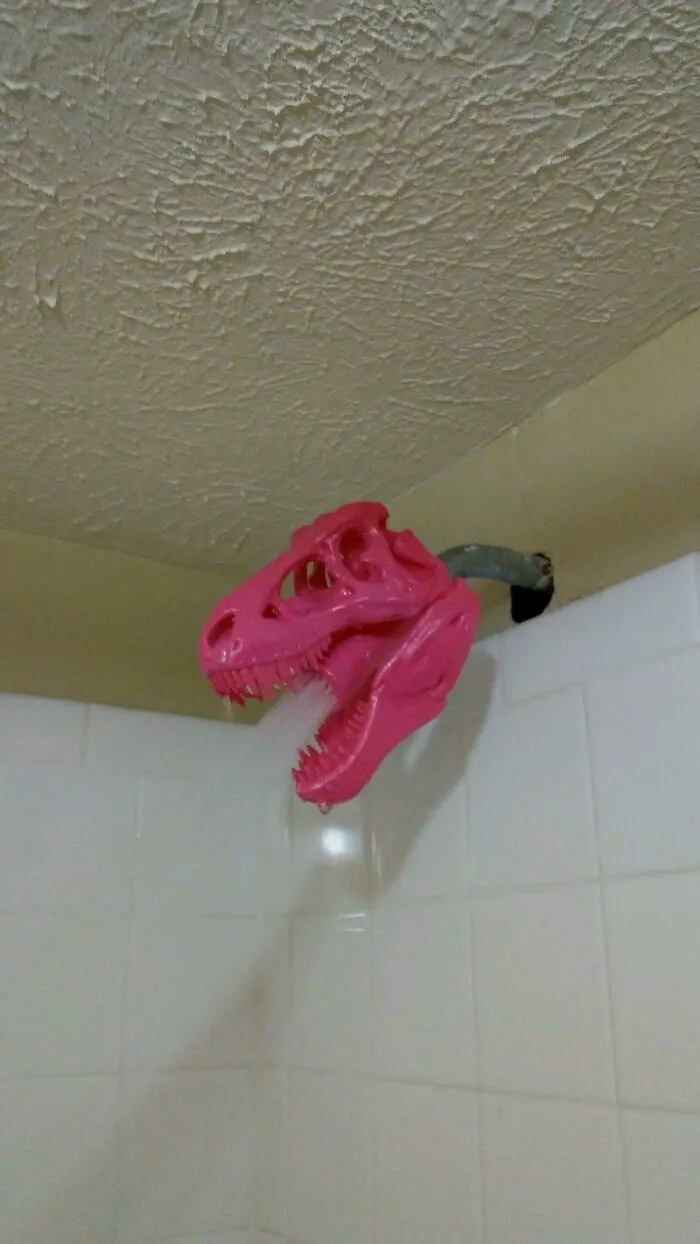
#14 I Came Back To My Apartment To Find That My Roommate 3D Printed A T-Rex Shower Head
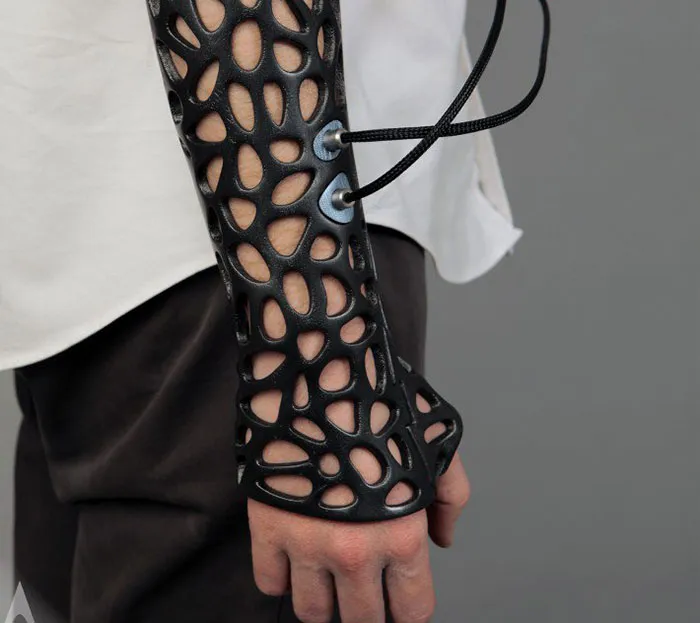
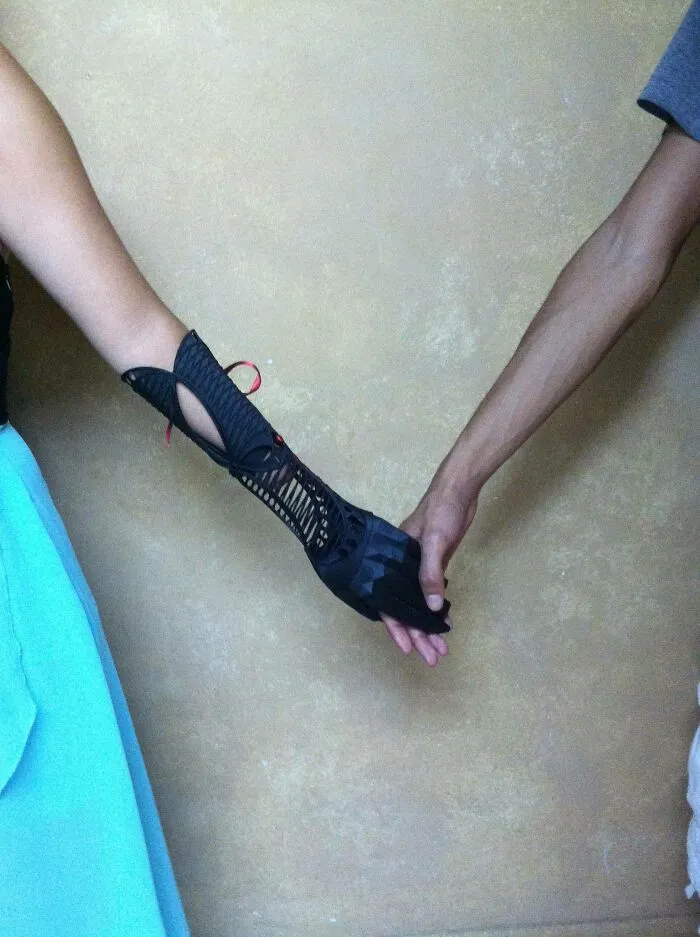
#15 3D-Printed Plastic Cast That Uses Ultrasound To Heal Broken Bones Faster
The culture around home 3D printing has developed its own ecosystem of forums, subreddits, file-sharing platforms, and community projects. Thingiverse alone hosts over six million free downloadable designs, covering everything from cable management solutions to highly detailed architectural models to an impressive number of items that exist purely because someone thought they would be funny.
The open-source ethos runs through most of the community: designers share files for free, improve on each other's work, and credit the original creator. But don’t be fooled into thinking it is a marketplace. It operates like a very productive workshop where nobody locks the door.
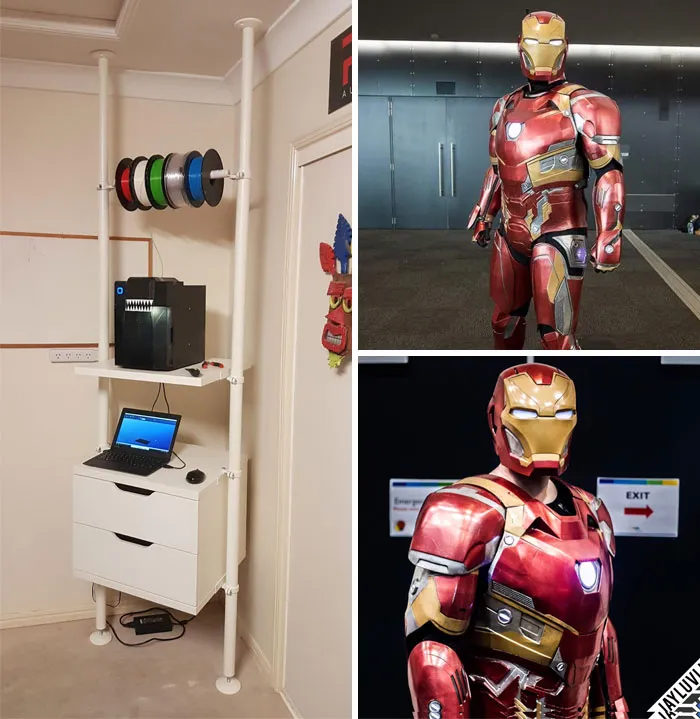
#16 Proof That Perseverance Pays Off... My Full Iron Man Suit, Printed In Many, Many Pieces On My Tiny Up Mini Over 6 Months
The food printing frontier is real and significantly weirder than the rest of it. Companies including Redefine Meat and Natural Machines have developed printers capable of producing layered food products from plant-based ingredients, with texture and structure controlled by the printing process itself.
High-end restaurants have used printed food as a plating technique for years, producing geometric shapes and structures impossible to achieve by hand. NASA has explored printed food as a solution for long-duration space missions, where variety and nutrition need to be maintained without the option of a grocery run. None of this has replaced cooking yet, but the trajectory is clear enough that "printing dinner" is less of a joke than it was ten years ago.