





America’s historic homes are way more than just plain old structures. Their innovative architecture, carefully designed spaces, and exceptional art pieces all paint a unique picture of American history. Behind each design are stories of the pioneering families, industrial moguls, and visionaries who left their mark on the landscape. From sprawling mansions and gardens in Italian Renaissance style to more humble brick homes, we’ve compiled a list of 34 unforgettable historic residences across America that are sure to take you on a captivating journey through time.
#21 The Olana House
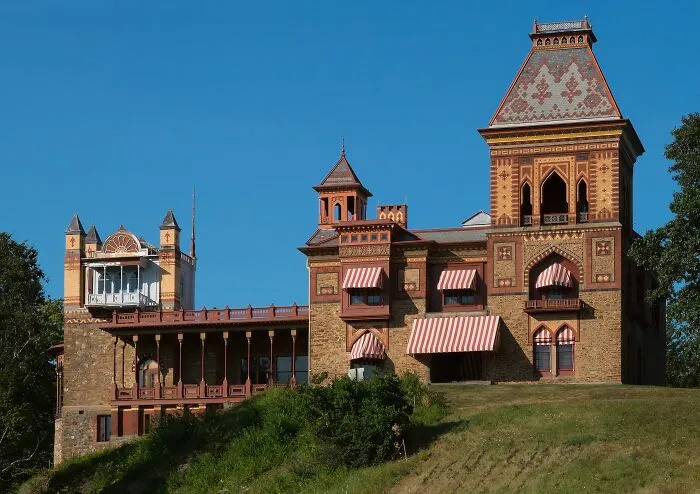
With the help of architect Calvert Vaux, painter Frederic Edwin Church designed his home on a hilltop in Hudson, New York. Inspired by his travels in Beirut, Jerusalem, and Damascus, Church was determined to incorporate Middle Eastern design with Victorian architecture to create a unique style. Since becoming a National Historic Landmark in 1965, the Olana house museum exhibits Church’s work and art collection.
8points
#22 The Old Westbury House
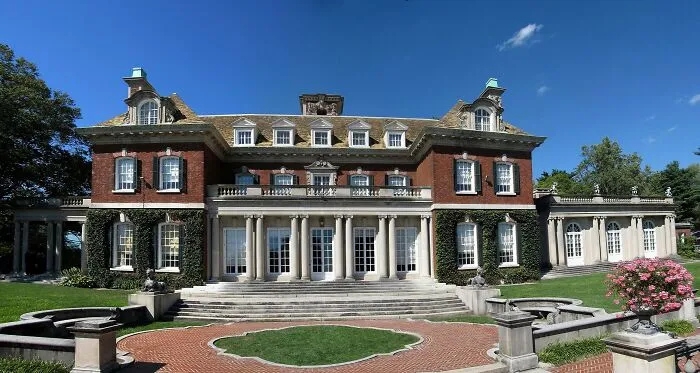
This Carolean Revival-style house in New York was designed by British designer George A. Crawley and American architect Grosvenor Atterbury from 1903 to 1906. It was once the home of lawyer and businessman John S. Phipps. The sprawling mansion comprising 23 rooms and expansive grounds was converted into a museum in 1959, and today, it's open to the public.
8points
#23 The Lyndhurst Mansion
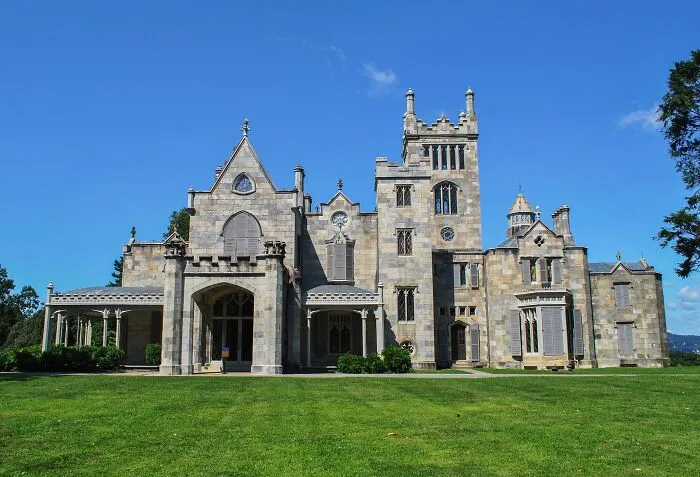
Designed by Alexander Jackson Davis in New York in 1838, this Gothic Revival mansion was owned by three different people before it was designated a National Historic Landmark in 1966. Its first owner was New York City mayor William Paulding Jr., the second was George Merritt, and the last was Jay Gould. In 1961, Anna Gould, Jay’s daughter, donated the mansion to the National Trust for Historic Preservation, which opened it up to the public.
Report
8points
#24 The Ernest Hemingway House
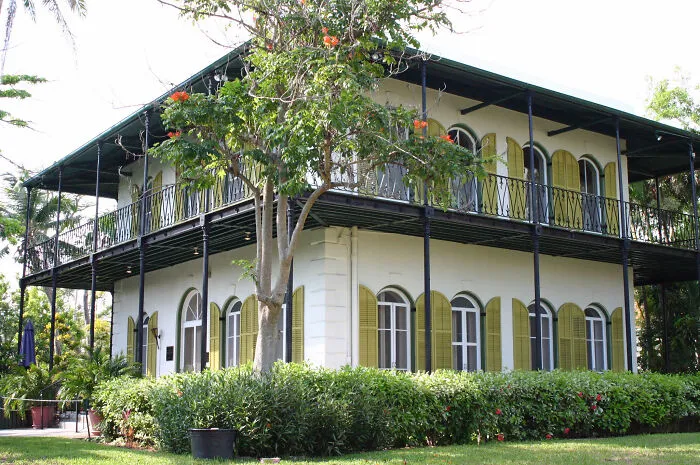
Built in 1851 by architect Asa Tift, this French-Colonial style house was Ernest and Pauline Hemingway’s home from 1931 to 1939. After their divorce in 1941, Pauline lived in the residence alone until her passing in 1951. A decade later, when Ernest also passed away, the home was auctioned off to new owners. Due to public interest, the home was converted into a museum in 1964. Today, the Hemingway House museum is open to the public daily.
Report
7points
#25 The Paul Revere House
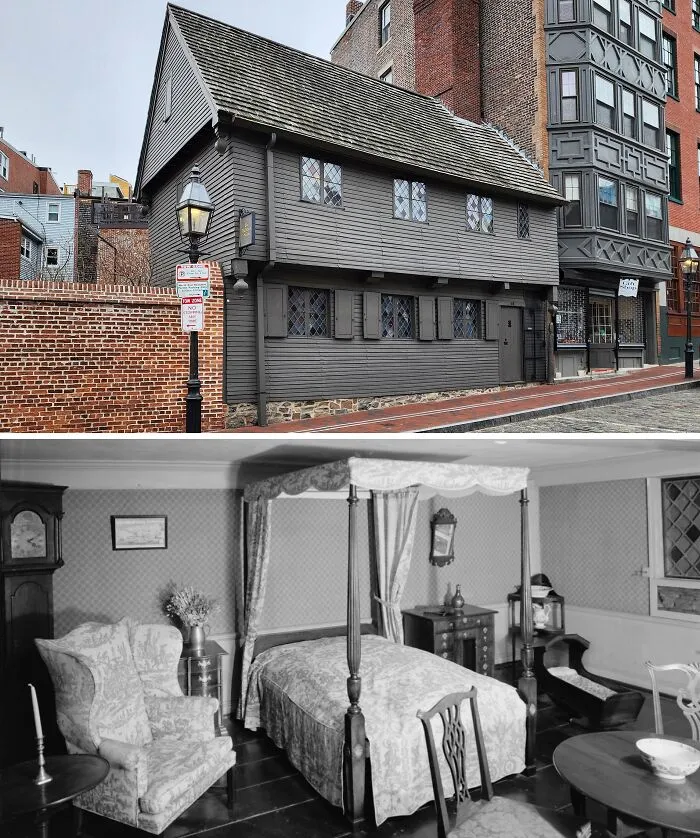
Built in 1680, this home is the oldest surviving house in Boston and was owned by Paul Revere from 1770 to 1800. In 1902, architect Joseph Everett Chandler oversaw the restoration of the house, and in 1908, its doors were opened to the public as one of the first historic house museums in America. Today, the Paul Revere house operates as a non-profit museum.
Report
7points
#26 The Hermitage Mansion
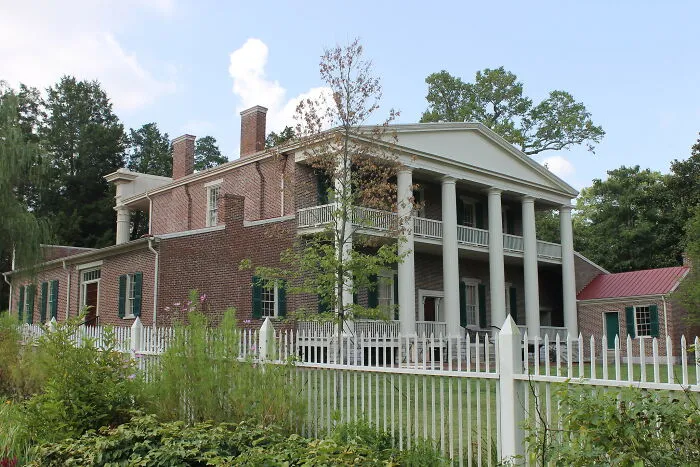
Located in Nashville, this mansion was owned by Andrew Jackson, the seventh president of the United States from 1804 until his passing in 1845. Between 1831 and 1836, the home underwent remodeling, transforming it from a classical style to a Greek Revival style. Due to its history as a plantation, the Hermitage mansion is now a National Historic Landmark and museum.
7points
#27 Taliesin West
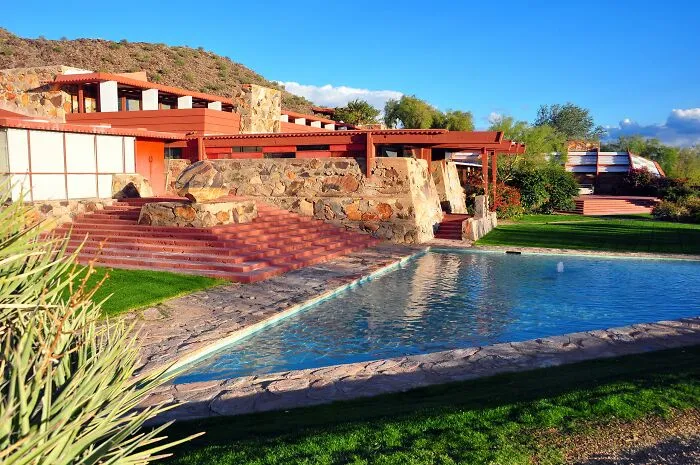
Designated as a National Historic Landmark and a World Heritage Site, Taliesin West is an architectural studio and home in Arizona that belonged to architect Frank Lloyd Wright. Its structures and grounds were designed and built by Wright and his apprentices from 1937. Today, Taliesin West is managed by the Frank Lloyd Wright Foundation, which opened the home to the public for tours and other events.
Report
7points
#28 Drayton Hall
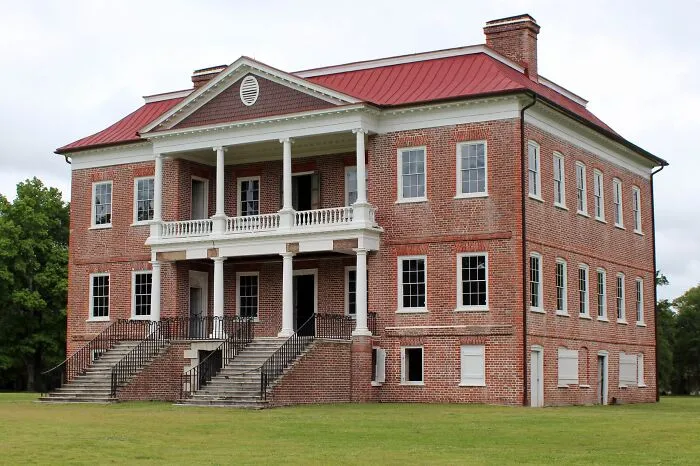
Located in Charleston, South Carolina, this 18th-century plantation house was built for John Drayton Sr. after he purchased the property in 1738. It is known for its Palladian architecture and for being the only house of its kind to survive both the Revolutionary and Civil wars. In 1960, the house was declared a National Historic Landmark.
7points
#29 The Glass House
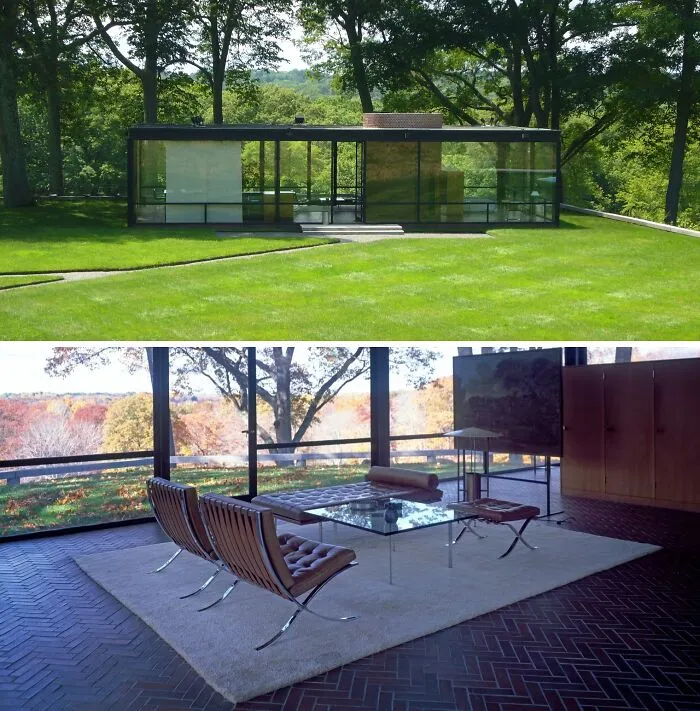
Architect Philip Johnson designed this house in Connecticut for himself between 1948 and 1949. The iconic structure made of glass and steel was called his best work and became a significant building in modern architecture. In addition to the Glass House, Johnson built other structures on the same property during the 58 years he lived there. In 1997, the home was named a National Historic Landmark, and today, it’s open to the public for guided tours.
Report
6points
#30 The Glensheen Mansion
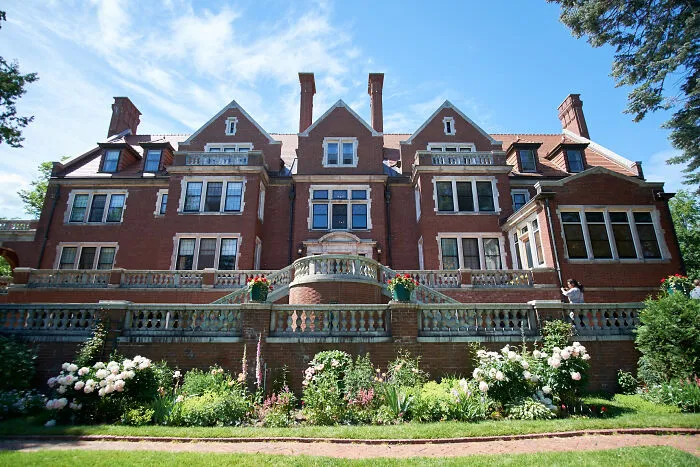
This mansion was built for Chester Congdon between 1905 and 1908 in Minnesota. The 39-room historic home was a collaboration between architect Clarence H. Johnston Sr., landscape designer Charles W. Leavitt, and interior designer William A. French. In 1979, Glensheen opened to the public, and it’s now operated as a museum by the University of Minnesota.
6points
#31 Gunston Hall
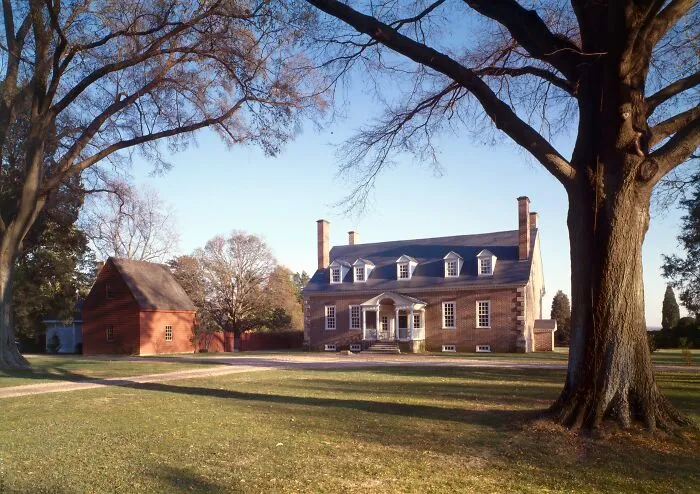
George Mason built this 18th-century Georgian mansion in Virginia between 1755 and 1759, and operated it as a plantation. After Mason’s passing, Civil War Colonel Edward Daniels purchased Gunston Hall in 1868. In 1960, it was designated a National Historic Landmark, and today, it’s a public museum owned and operated by the Commonwealth of Virginia.
6points
#32 The Old Governor's Mansion
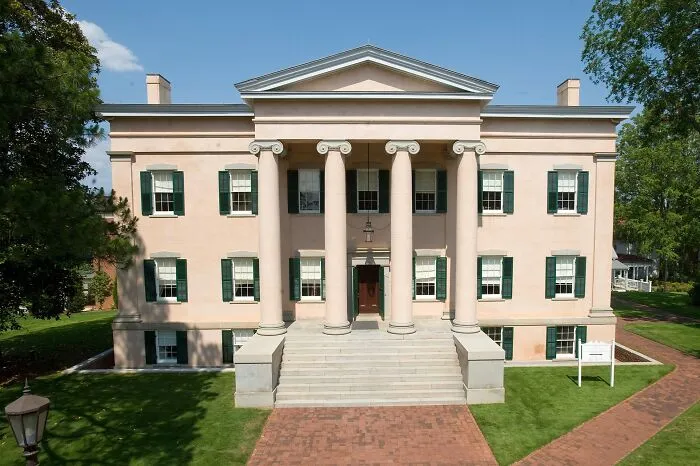
This Greek Revival-style house was designed and built by Charles B. Cluskey in 1839 and served as Georgia’s executive mansion until 1868. Two decades later, the house became a university property, and by 1973, it was designated a National Historic Landmark because of its architecture. Now, it operates as an accredited museum of the American Alliance of Museums.
Report
6points
#33 The Buttolph–Williams House
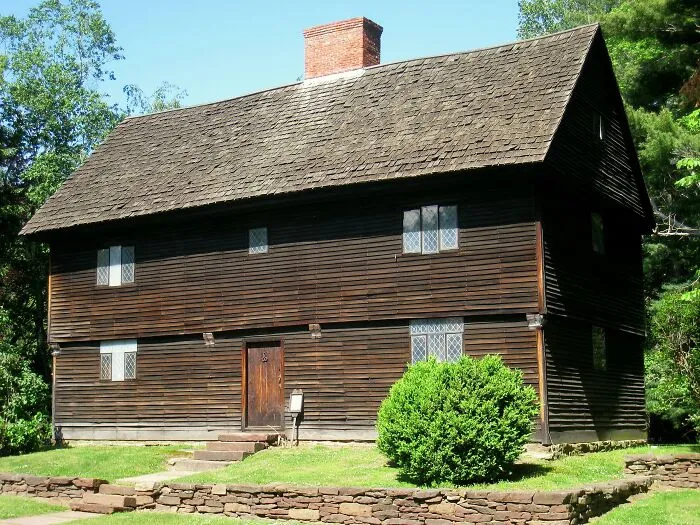
Considered one of the oldest surviving houses in Wethersfield, Connecticut, the Buttolph-Williams House was first built in 1711. In 1947, the house was carefully restored by architect Frederick C. Palmer, and because most of its original materials were preserved, it was designated a National Historic Landmark in 1968. Today, it’s owned by Connecticut Landmarks and is open to the public for regular tours.
6points
#34 The Robie House
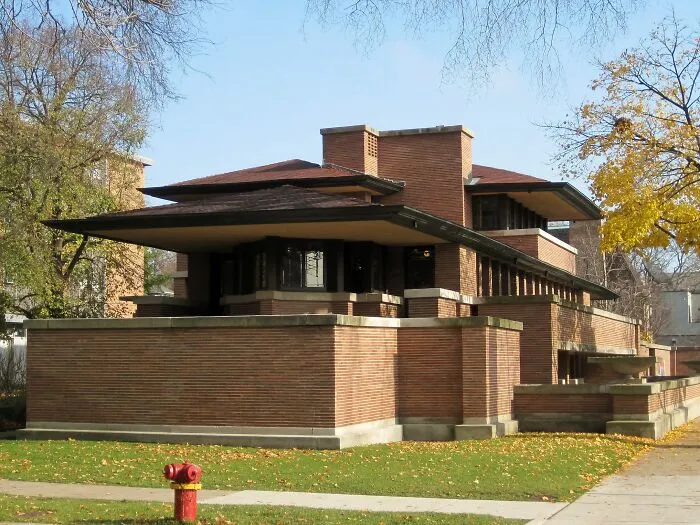
This Prairie-style house in Chicago, Illinois, was designed by architect Frank Lloyd Wright in 1910 for Frederick Carlton Robie and his family. Part of the construction of the Robie House was a collaboration between interior designer George Niedecken and associate architects Hermann von Holst and Marion Mahony. Today, the residence is owned by the University of Chicago and operates as a museum.
5points