




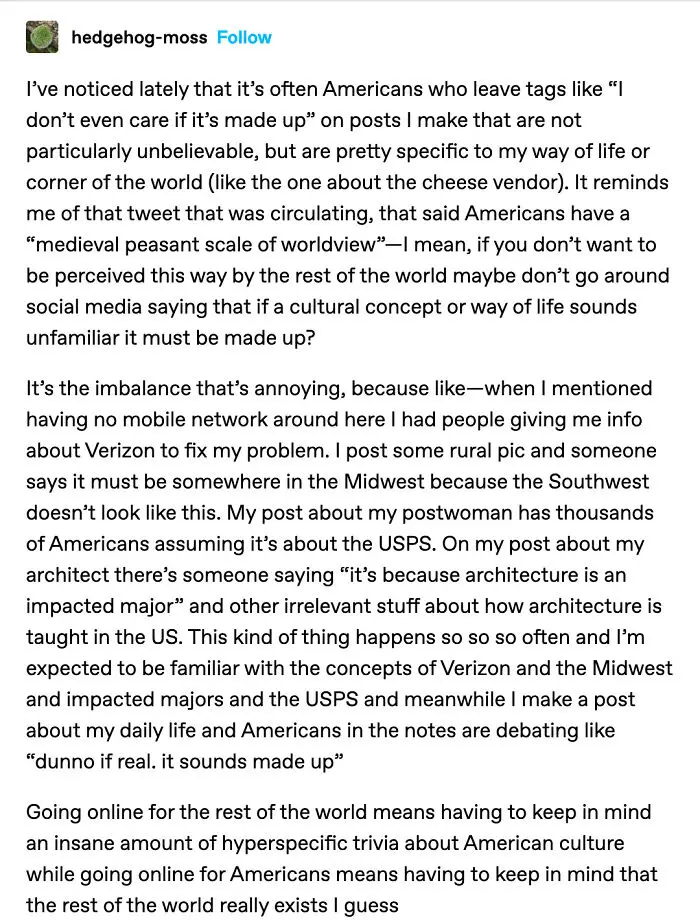
Call it US defaultism, the quiet assumption that the United States is the default setting for every topic. Ask about the legal drinking age, school holidays or the cost of a hospital visit, and someone will answer as though only one country exists. Most of the time there is no bad intent behind it. People simply never had to notice the frame around their own view, a bit like a fish who has never been introduced to the concept of water.
Part of the answer is plain geography. The country is enormous, with Texas alone covering more ground than France, and you can drive for days without seeing a border. Two oceans guard the coasts, and the only land neighbors are Canada and Mexico.



Compare that with Europe, where a weekend trip can mean a new language over breakfast. Americans do travel, of course, but USAFacts puts the number of valid passports at roughly 48 for every 100 people, and that count even includes folks who hold both a passport book and a card. Plenty of people simply never had a reason to get one.

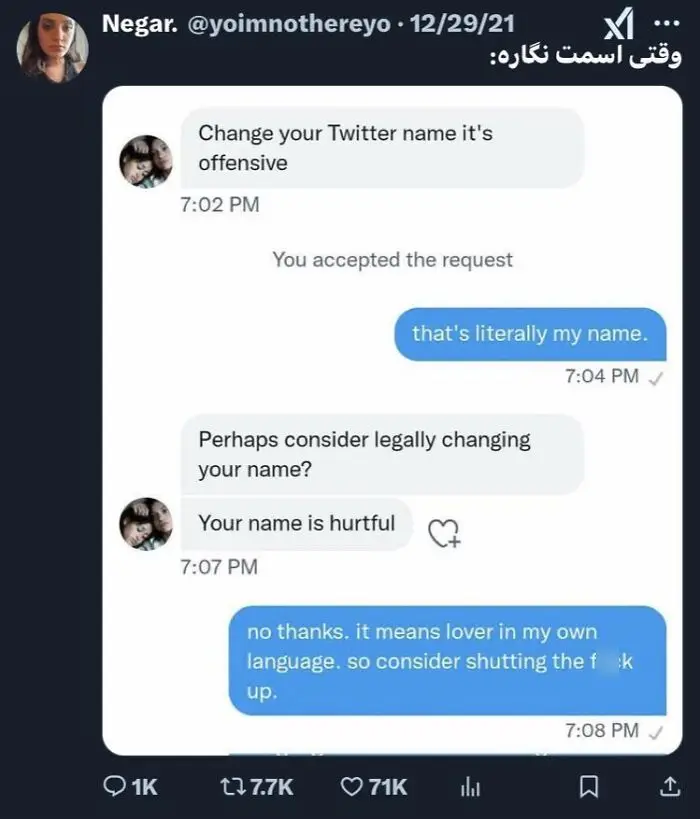
Language plays a big role too. A Pew Research Center analysis found that a median of 92% of European students study a foreign language in school, compared with about 20% of students across the American school system. A newer Pew report from 2026 adds that only 43% of public schools in the US offer world language classes at all, even though most adults say children should learn one.



Attitudes differ by location, with 52% of urban adults calling language learning important compared with 28% of rural adults. Then there is the internet, where W3Techs estimates that English is used by about half of all websites whose language it can identify. An American can scroll for hours without ever feeling like a visitor.


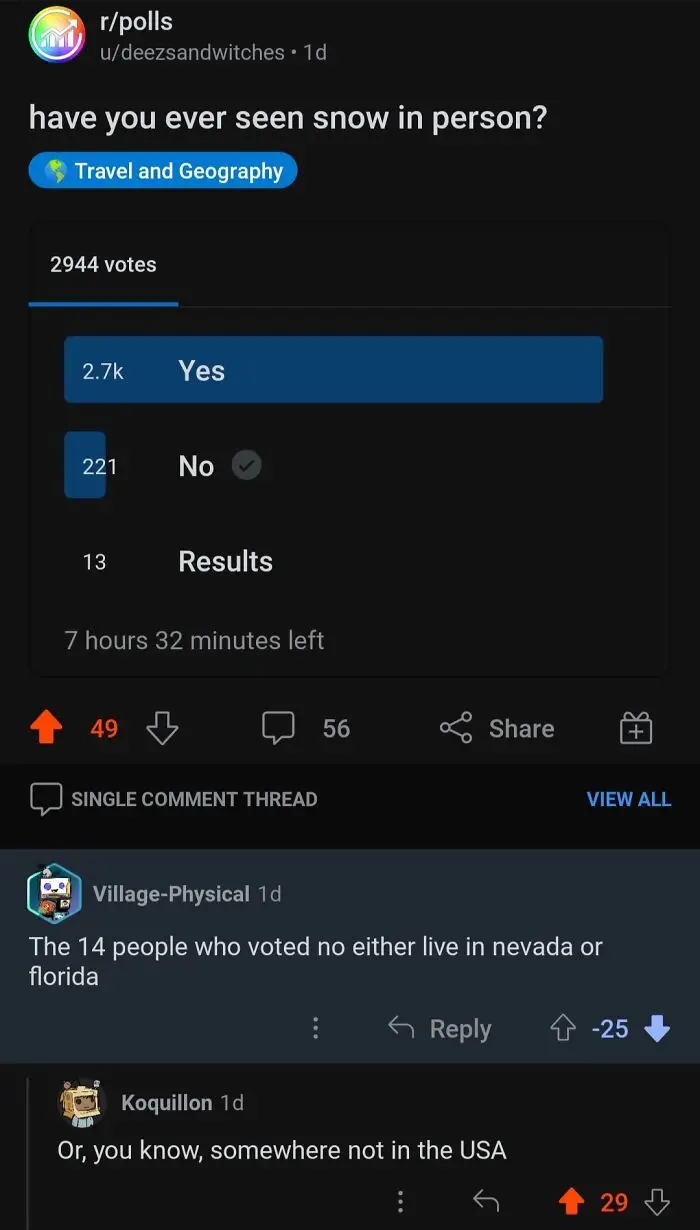
The classroom adds to the picture. In the 2018 edition of the Nation's Report Card, only about 25% of eighth graders reached the proficient level in geography. That is a demanding bar, to be fair, but it still leaves plenty of room for confusion. When the map of the world arrives as an afterthought, it is hardly shocking that a confident comment about Georgia ends up pointing at Atlanta.
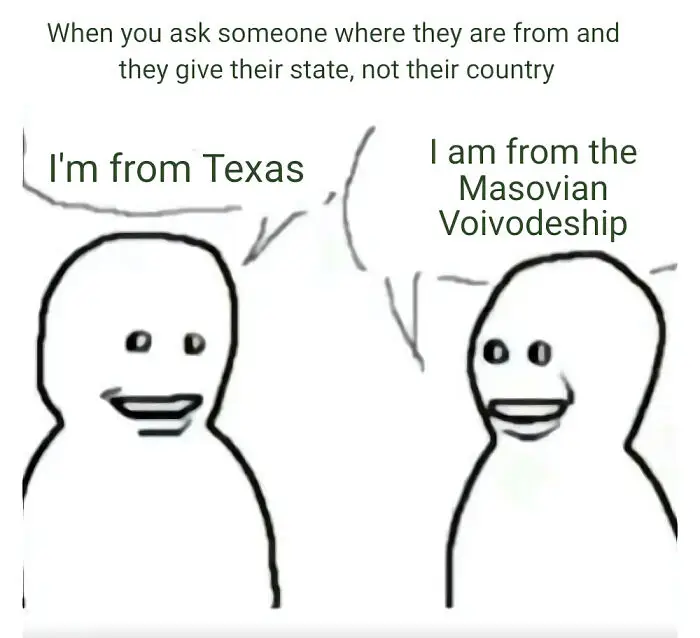

#18 ‘You Foreign?’ As If Everyone Who Isn’t In The Us Is Now A Foreigner, So People Are Foreigners In Their Own Country

The classic proof comes from a National Geographic and Roper survey of young Americans aged 18 to 24, conducted in 2006. Three years into the US military mission in Iraq, 63% could not find the country on a map, and about three in four could not find Iran or Israel. An earlier round in 2002 found that young Americans located an average of seven out of sixteen countries on a world map, and only half could point to New York on a map of their own country. Young Swedes managed thirteen countries. These surveys are old, so think of them as snapshots rather than a verdict on today, but the pattern will look very familiar once you start reading the replies.

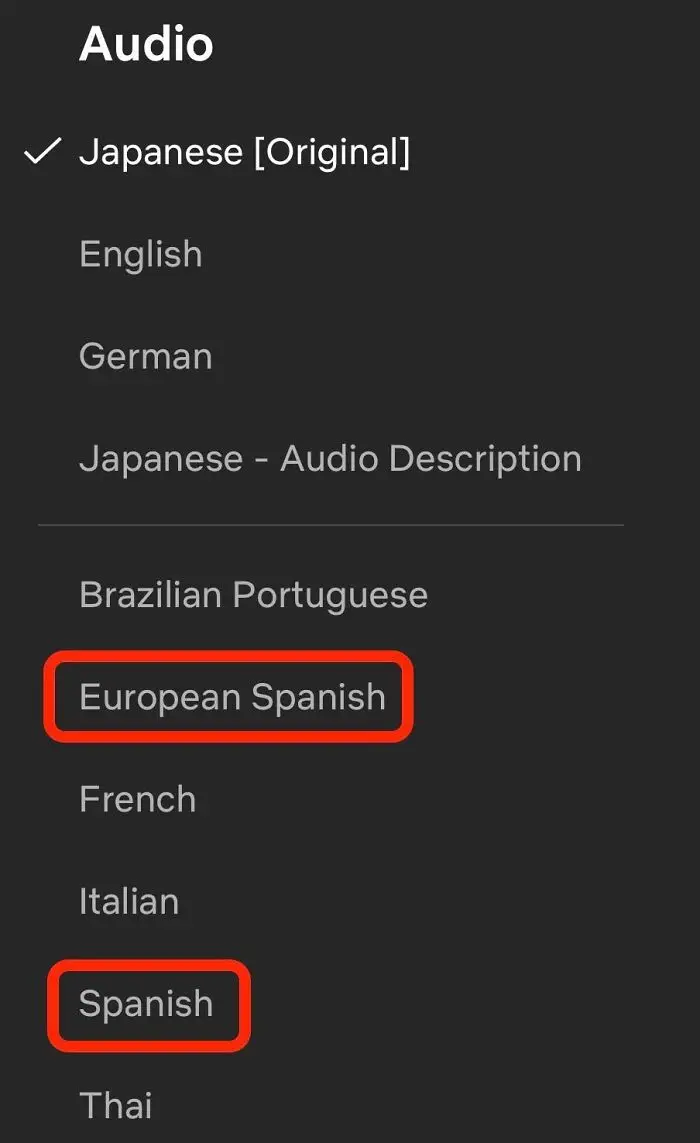
#20 Netflix Thinks Spanish Spanish Is Not Spanish Enough To Be Called Spanish