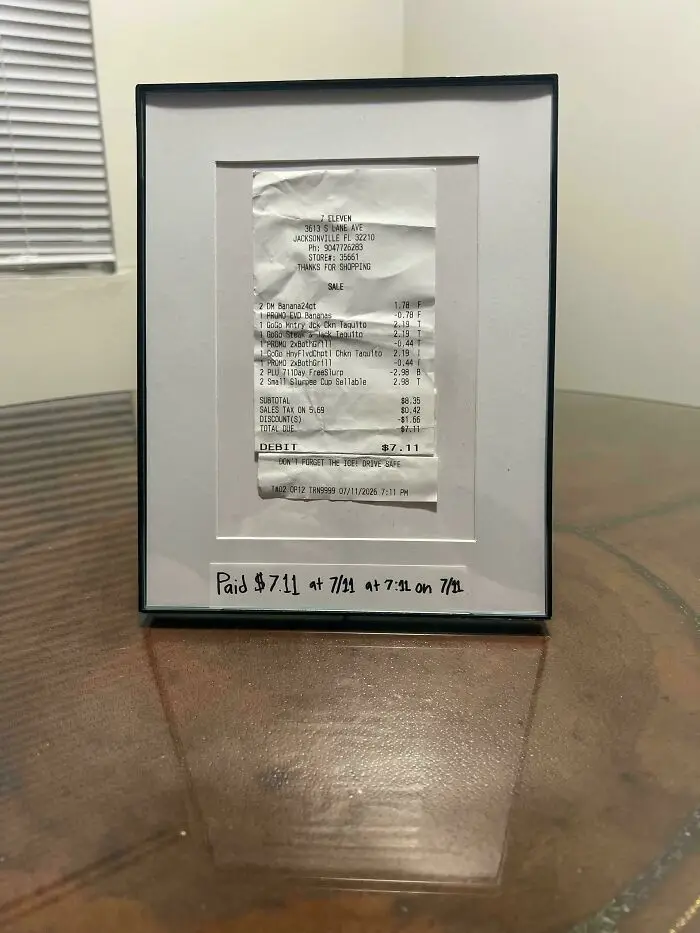






I think mildly interesting stuff matters, especially today. I mean, the moment you log on to social media, you are blasted with one extraordinary thing after another.
With travelers visiting different countries and sharing stories about diverse cultures, historians providing enthralling details about monuments, or authors giving a sneak peek into their unpublished novels, the overly interesting content is endless.
But the disturbing part is that it triggers fomo when we don’t get access to what mind-blowing things are happening around the world. And while it’s nice to know about these things, the truth is that consuming them can be extremely exhausting.
It’s hardly surprising that so many young people are struggling with digital fatigue.
#4 Kid’s Fire Helmets Handed Out At Our Town’s 4th Of July Parade Are Now Cardboard Instead Of Plastic

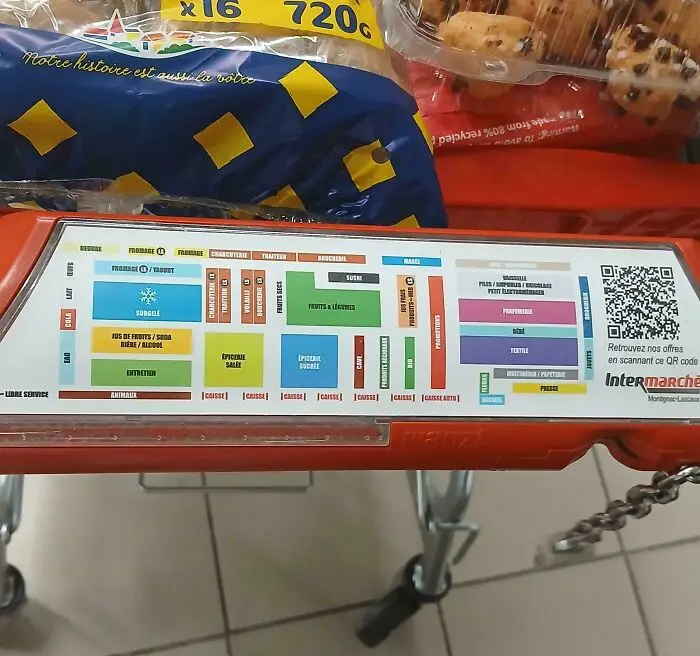
#5 This Grocery Store In France Has The Store Layout On The Shopping Cart

Digital fatigue is the mental and physical exhaustion caused by prolonged use of digital devices. It is a worrying problem that is increasing by the day. In fact, a 2022 survey of 1,000 American adults revealed that 49% believed that they were struggling with digital fatigue.
Moreover, many responded that they felt it was worsening their health. Well, that’s definitely concerning, but even scarier is that sometimes we might not even realize we are suffering from it. That’s because the signs can be pretty subtle at times.
#7 My Cat Likes To Stand On My Lap While I'm On Calls And Leaves These Cute Little Pressure Paw Prints On My Leg



According to mental health professionals, here are the signs that may indicate that you need to reassess your digital habits:
- Feeling mentally drained without doing anything “difficult.”
- Difficulty concentrating or finishing tasks.
- A sense of constant restlessness or anxiety.
- Trouble sleeping, especially after using your phone at night.
- Irritability or emotional numbness.
- Headaches, eye strain, or tension.
- Decrease in motivation or enjoyment of things you usually like.
#10 My Hotel Had A Photograph That Was Used As The Cover Of The Book That I'm Currently Reading



Apart from digital fatigue, looking at mind-blowing things online can also keep our brains constantly stimulated. Research highlights that our brains are incredibly adaptable, but they weren’t designed for nonstop digital input. When we’re constantly absorbing new information, it becomes harder for the mind to sort, store, and move it into long-term memory.
Exhaustion, brain fog, negative thoughts, inability to wind down, forgetfulness, increased errors, and difficulty with recall are some side effects of being constantly bombarded with information from these extremely intriguing things.



The research also emphasizes that consuming large amounts of low-quality or fast-paced content can cause mental fog and exhaustion, leading to brain rot. This cognitive overload is especially common among teens and young adults.
The researchers also explain that the effects are not just cognitive. Brain rot can also trigger intense emotional shifts such as low mood, social withdrawal, or a negative self-image.



When extremely fascinating things overstimulate our brains and might harm our mental health, isn’t it sometimes better to focus on mildly interesting stuff instead? Even experts at The AoC point out that small, positive experiences, often called “micro-moments of joy”, have a tangible impact on our well-being.
They help regulate the nervous system, reduce stress, and create a sense of connection and meaning. They also say we tend to dismiss these little things, and that finding joy in them is actually a skill.