



Thankfully, there are simple but powerful ways to navigate this information-heavy world more safely. One of the first steps is to slow down and question what you see instead of reacting instantly. Checking the source of information, reading beyond attention-grabbing headlines, and understanding who wrote the content can make a huge difference. It also helps to look for bylines, verify whether the author is credible, and search for supporting evidence or citations used in the article before trusting or sharing it.
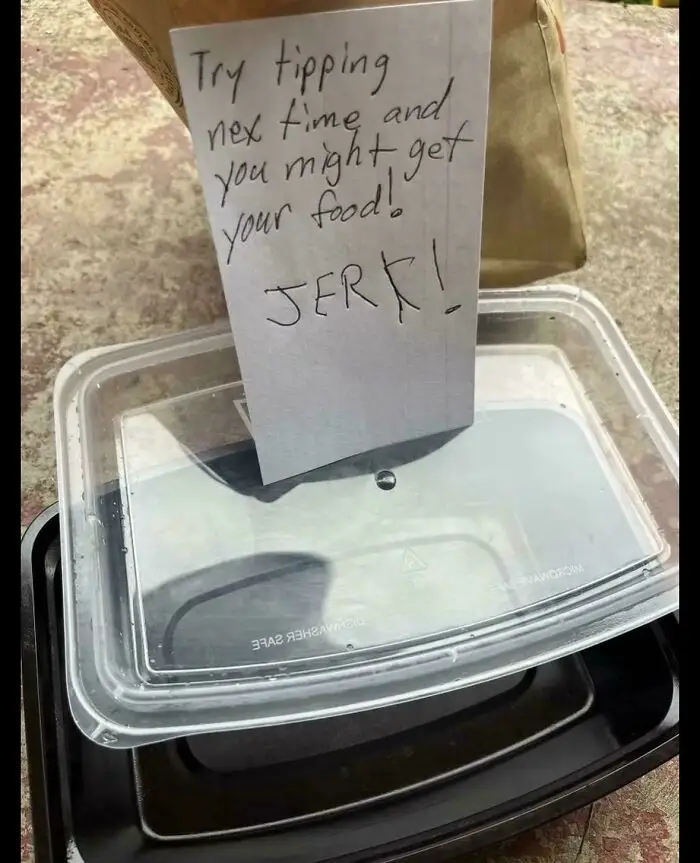
#22 Ah Yes, The Restaurant Definitely Sent An Empty Container With A Note Written On An Index Card…
Ultimately, in a world where information spreads in seconds, responsibility matters more than ever. Being mindful of what we read and share is not just about protecting ourselves, but also about preventing misinformation from reaching others. A small pause before believing or forwarding something online can make a meaningful difference — helping create a digital space that is a little more thoughtful, and a lot more truthful.



And when it comes to posts like these, the internet thankfully has its own way of pushing back. There are communities and users who actively call out suspicious claims, break down exaggerated stories, and question what doesn’t quite add up. While not every post is dangerous, this constant back-and-forth reminds us that not everything online deserves automatic trust, no matter how convincing it looks at first glance. Well, which one of these posts made you stop and go, “Okay… that doesn’t sound right”?