

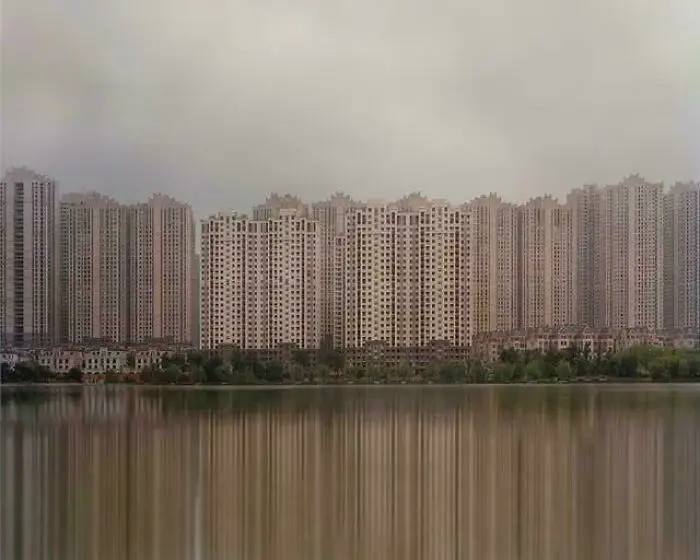
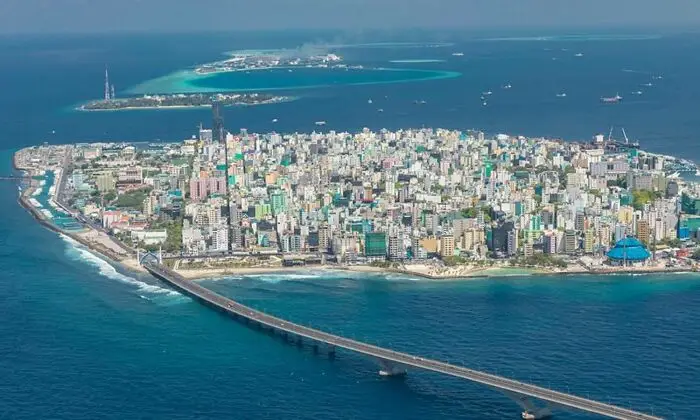
#2 The Chinese Ghost Town Of Ordos. Vast Areas Of Skyscrapers Where No One Lives
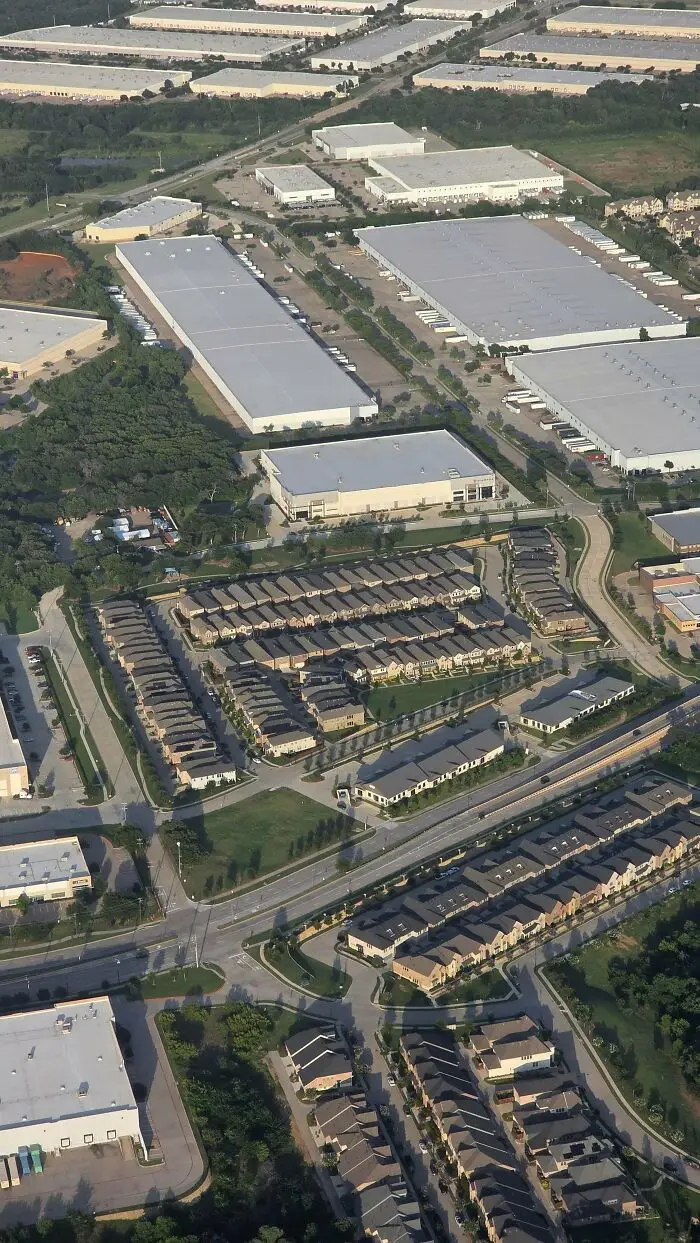
According to statistics, 100 million new road vehicles were sold worldwide in 2025. That means many places have prioritized automobiles. For community development planner John Guszkowski, this is one of many reasons many places have turned into urban hell.
“Even in existing, established cities, focusing too heavily on vehicles - parking lots, massive parking structures, core intersections that prioritize vehicle throughput rather than pedestrians - can degrade an urban environment,” he told Bored Panda.
Prioritizing tourism may benefit the economy, but Guszkowski says the drawback shows up in poor urban planning.
“Converting year-round housing to Airbnbs or tourist-friendly amenities can turn a vibrant community into a fake, Disneyland version of what that community used to be,” he said, noting how economic success can displace lower-income residents.
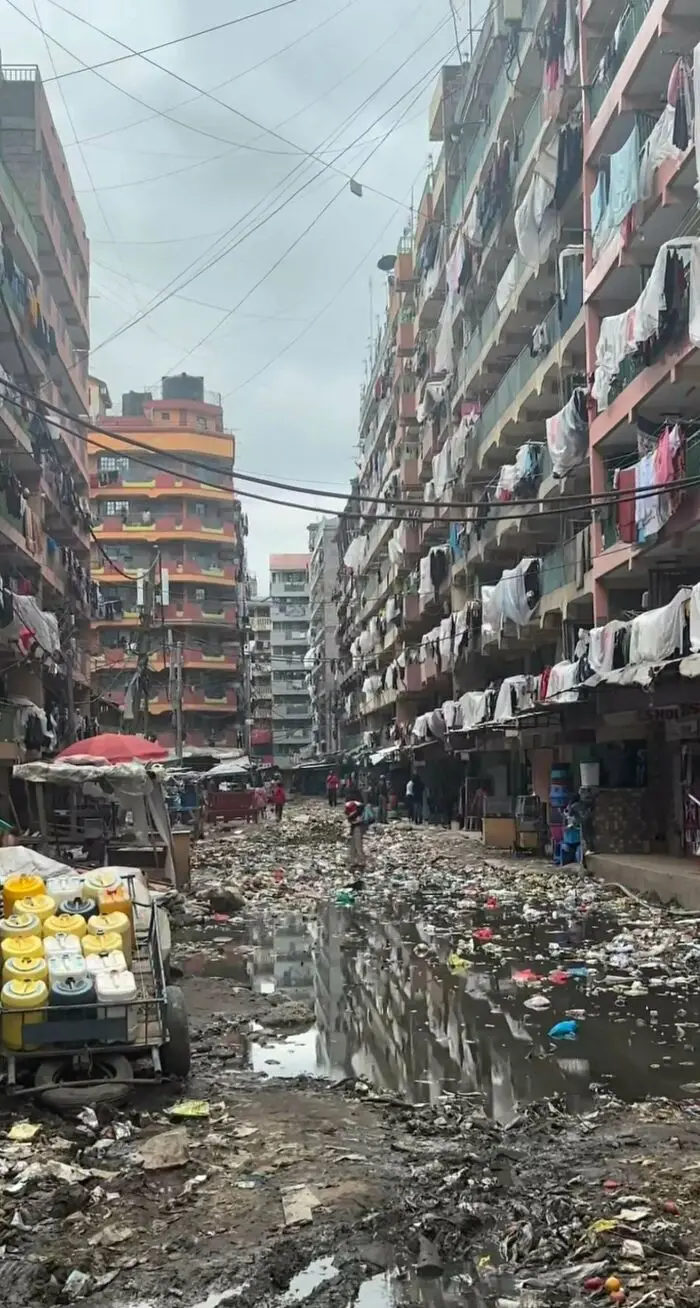
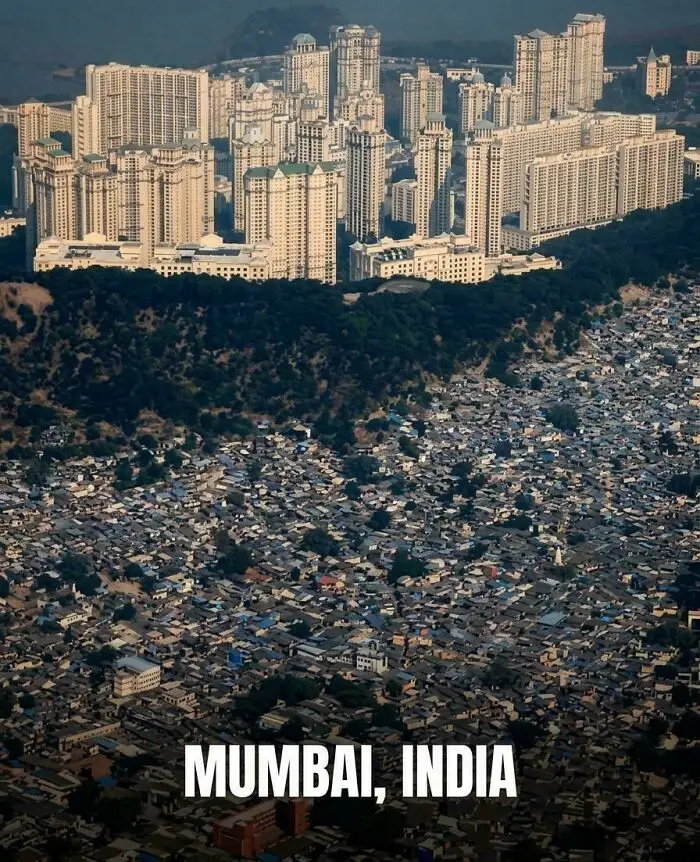
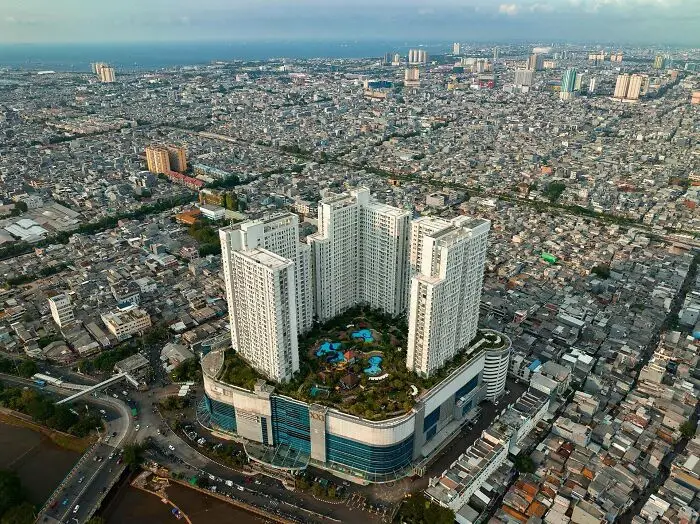
Many cities have also removed iconic landmarks that make their town unique. One prominent example is Chicago tearing down the monumental Garrick Theatre in 1961 and replacing it with a parking garage.
For S-Line Contractors project executive Fahed Bitar, tearing down these structures also makes a city much less aesthetically pleasing.
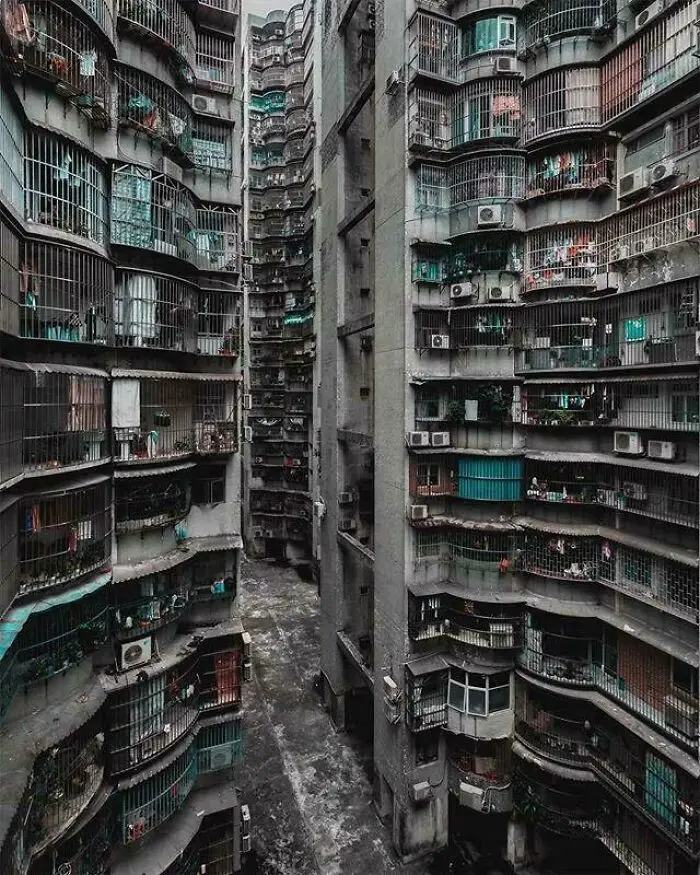
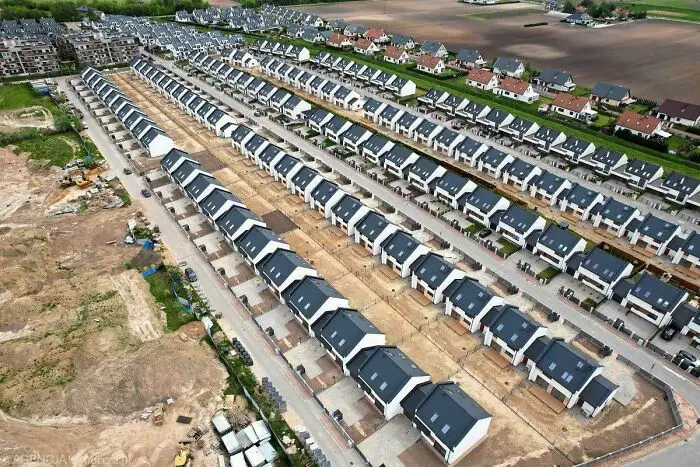
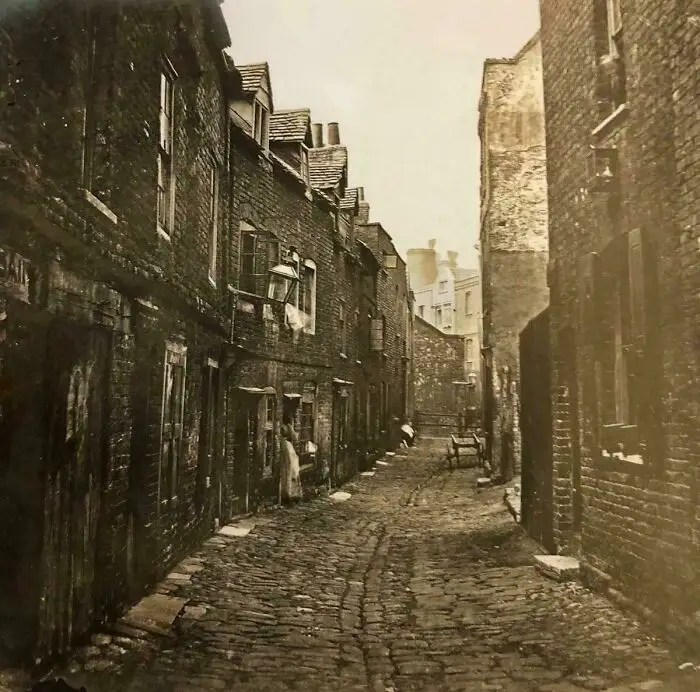
“The entire blocks that are being leveled and redeveloped previously gave the area its uniqueness and now will resemble any other block in any other city,” Bitar said. ‘
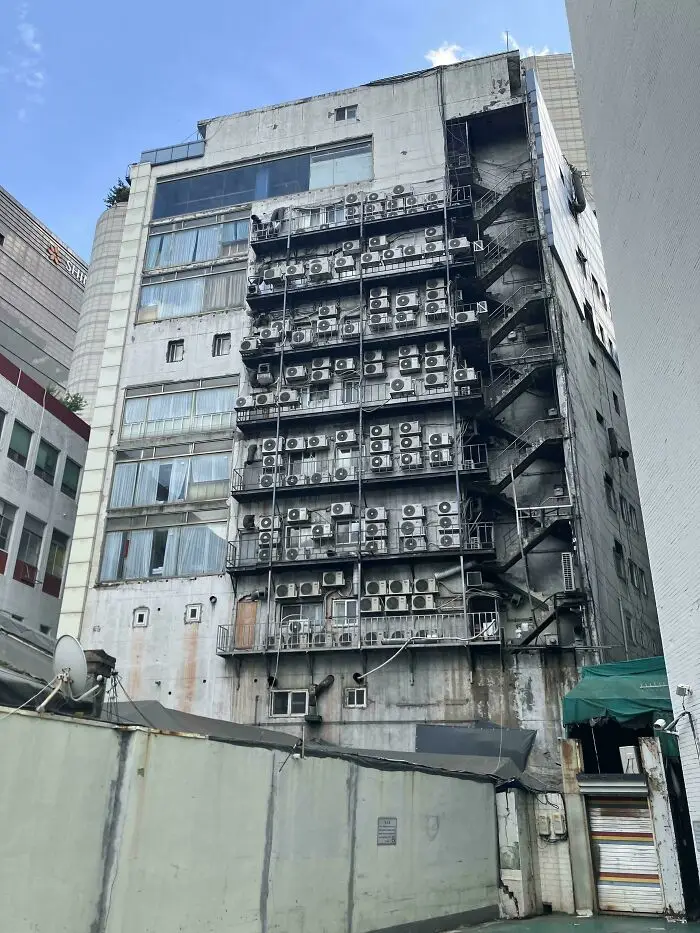
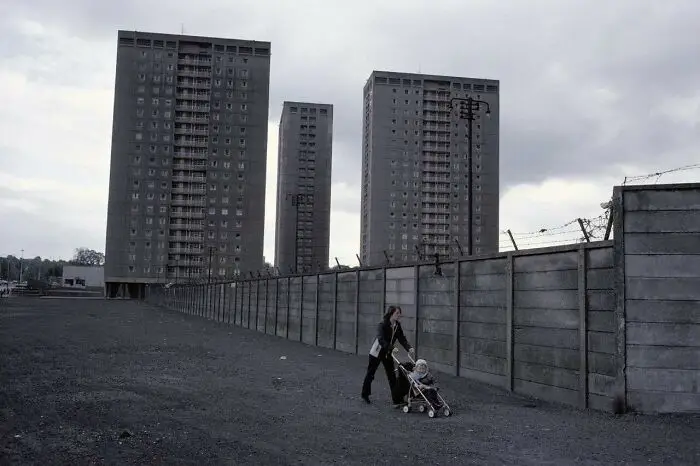
According to Bitar, buildings constructed with blank walls and neighborhoods with little to no green space also contribute to a city’s uglification.
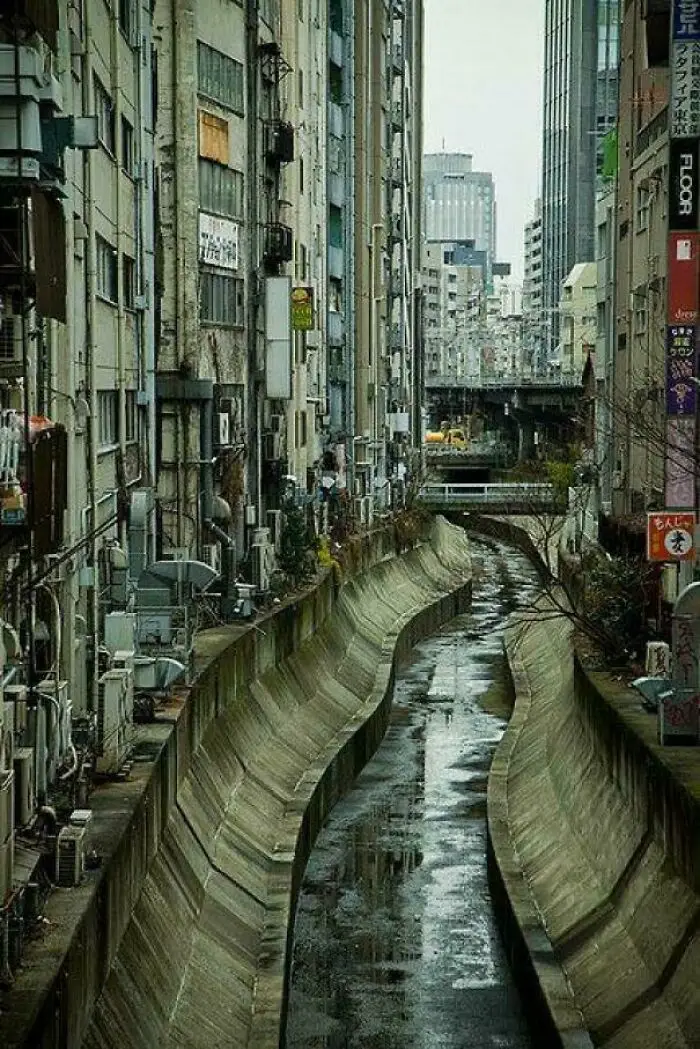
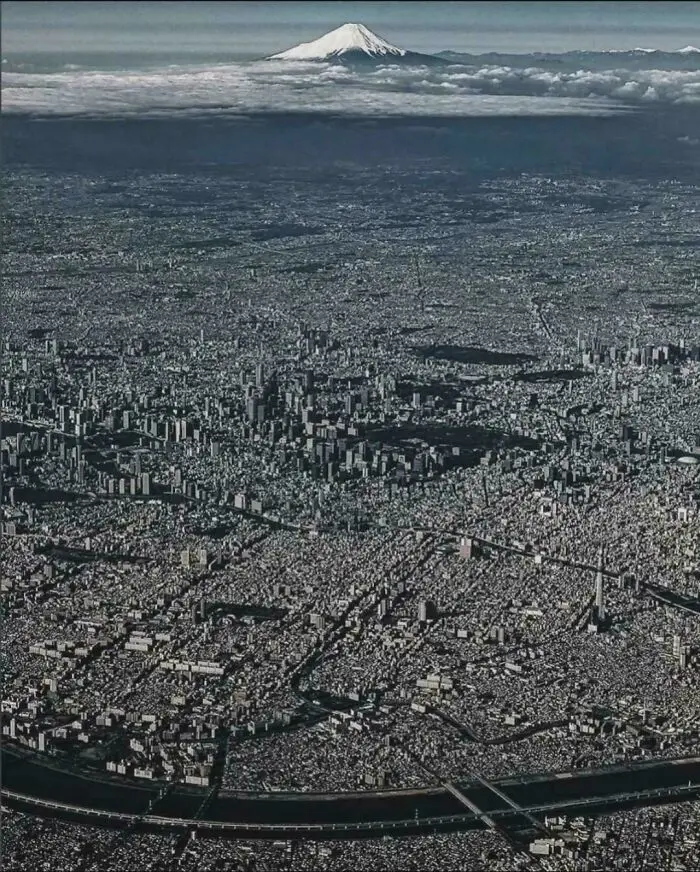
So how should urban developers approach planning? Guszkowski says sustainability should be the utmost priority.
“Affordable housing is useless unless you have adequate sanitation and useful infrastructure, as well as nearby or integrated green spaces,” he said. “Places should be planned comprehensively. Don't expand road or sewer infrastructure unless what it is going to serve is properly planned for build-out.”